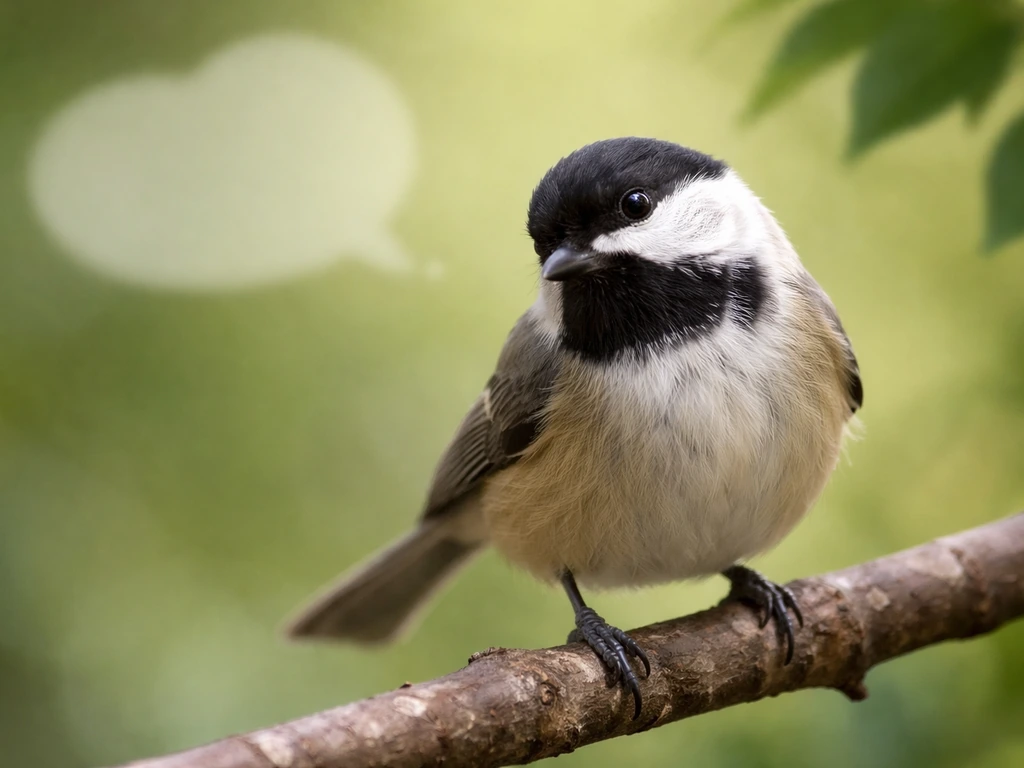
The best definition of a bird depends on what you need it for. Biologically, a bird is a warm-blooded vertebrate belonging to the class Aves, distinguished by feathers, a beak, wings (even if it can't fly), and the ability to lay hard-shelled eggs. In everyday language, 'bird' does a lot more work: it shows up in idioms, slang, and symbolism where the creature's actual biology is beside the point. Knowing which definition applies to your situation is the whole game.
What Is the Best Definition of Bird? Science and Everyday Use

Marcus Reeves
31 May 2026
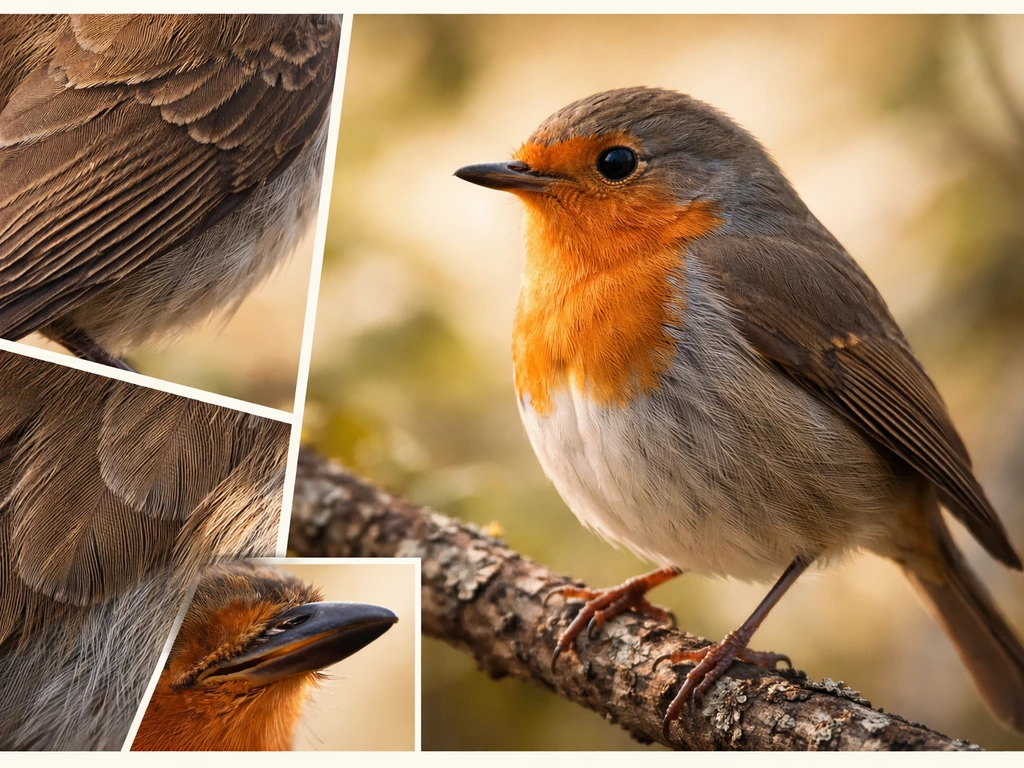
The best plain-English definition of a bird
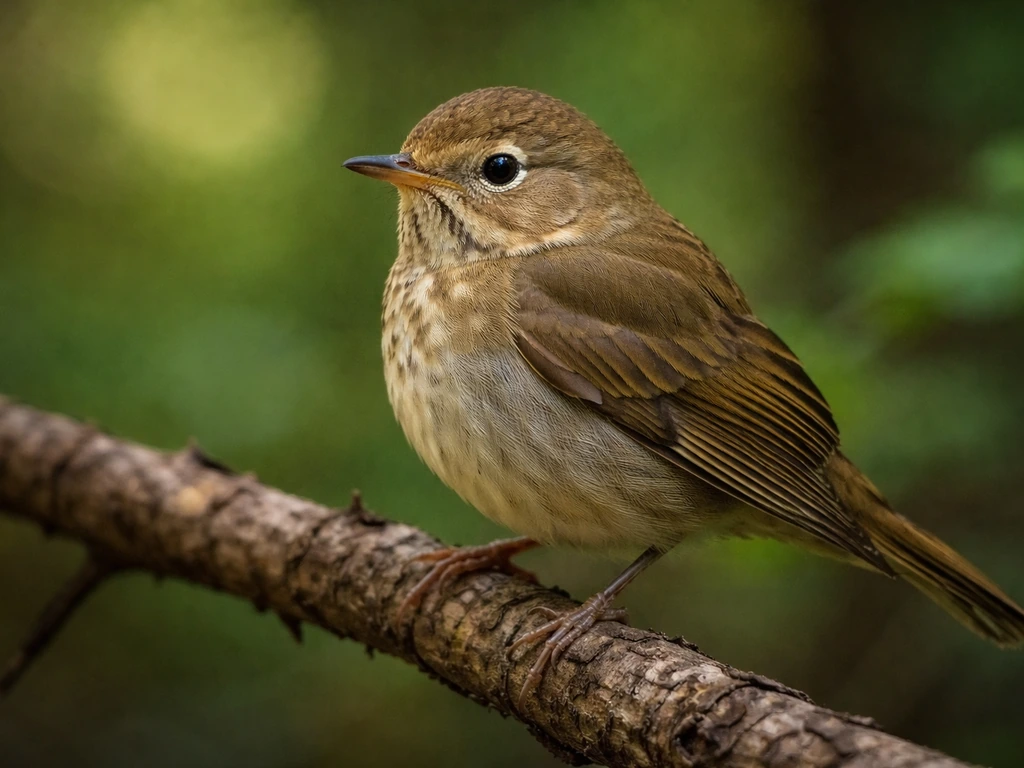
A bird is a feathered, warm-blooded vertebrate that belongs to the class Aves. There are roughly 11,200 living species recognized today, ranging from hummingbirds to ostriches. Encyclopaedia Britannica defines birds as “any of the approximately 11,200 living species” in the class Aves roughly 11,200 living species recognized today. The single most reliable marker that separates birds from everything else on Earth is feathers: no other animal group has them. Beyond that, birds have beaks instead of teeth, forelimbs modified into wings, scaly legs, a four-chambered heart, and they reproduce by laying hard-shelled eggs. That combination, taken together, is what earns an animal the label 'bird' in any scientific or academic context.
If you need a single sentence you can use anywhere, this one works well: A bird is a warm-blooded, feathered vertebrate of the class Aves, with wings, a beak, and hard-shelled eggs. It covers the core biology without getting into taxonomy debates, and it matches the definitions used by Merriam-Webster, Britannica, Cambridge, and Dictionary.com.
Key traits that separate birds from every other animal
When you're trying to decide whether something is actually a bird, run through this list of defining characteristics. You don't need every box checked in the most extreme way (penguins can't fly, ostriches have tiny vestigial wings), but the overall profile should fit.
- Feathers: the one trait unique to birds. No other living animal has them.
- Warm-blooded (endothermic): birds regulate their own body temperature internally, unlike reptiles.
- Vertebrate: birds have a backbone and an internal skeleton.
- Forelimbs modified into wings: even flightless birds have wing structures, though they may be small.
- Beak or bill instead of teeth: all modern birds are toothless, using beaks shaped for their diet.
- Hard-shelled eggs: birds reproduce by laying eggs with a rigid, calcified shell.
- Four-chambered heart: this is shared with mammals, distinguishing both groups from most reptiles.
- Bipedal locomotion: birds walk, hop, or stand on two legs.
The ability to fly is often the first thing people associate with birds, but it's not actually a defining requirement. Penguins, ostriches, emus, kiwis, and cassowaries are all birds despite being flightless. Flight is common, not mandatory.
Why 'bird' gets used so loosely in everyday language

Birds have been woven into human language for so long that the word 'bird' now carries meanings that have nothing to do with feathers or flight. In British English, calling someone 'a bird' is informal slang for a woman, or sometimes just a person in general. In American slang, 'bird' can refer to an aircraft, a prison sentence, or even a particular hand gesture. The word has drifted because birds are everywhere in human culture: they appear in mythology, folklore, proverbs, and everyday observation. When a word is that embedded in how people talk, it naturally picks up extra meanings over time.
This is worth flagging if you're a student or writer, because the word 'bird' in a text might be doing something entirely different from describing an actual animal. The denotative meaning of bird (what the word literally refers to) and the connotative meaning of bird (the associations and feelings it carries) can pull in very different directions. A raven in a poem is almost never just a raven.
Common bird idioms and what they actually mean
Some of the most frequently used expressions in English revolve around birds. Here are the ones readers ask about most often, along with what they actually mean in practice.
| Idiom or phrase | What it means | Why 'bird' is used |
|---|---|---|
| A bird in the hand is worth two in the bush | Hold onto what you have rather than risking it for something better | Birds were literally caught and held; a live bird in hand beats two you might miss in a bush |
| The early bird gets the worm | Acting first or waking up early gives you an advantage | Birds that forage early actually do find more food; it's a direct nature observation |
| Flip the bird | To make an obscene hand gesture (raising the middle finger) | Old slang rooted in the idea of 'giving someone the goose,' later shortened to 'the bird' |
| Free as a bird | Completely free, without restrictions or obligations | Birds fly without fences or borders, making them a natural symbol of freedom |
| A little bird told me | I heard this from a source I won't name | Derives from the idea of unseen birds carrying messages, as in Ecclesiastes |
| Kill two birds with one stone | Accomplish two goals with a single action | Literal hunting metaphor; efficiency through one throw or shot |
| Birds of a feather flock together | People with similar interests or values tend to group up | Direct observation: species of birds genuinely do flock with their own kind |
Notice that most of these idioms use 'bird' because of something real birds do: flocking, foraging, flying, being caught. The figurative meaning grew directly out of observing actual bird behavior, which is part of why these phrases have lasted so long.
Scientific definition vs. figurative use: how to tell which one you need
The easiest way to figure out which definition applies is to ask what the context is asking of you. If the text, question, or situation involves classifying an animal, doing biology homework, identifying a species in the wild, or settling a bet about whether something is 'really a bird,' you want the scientific definition rooted in Aves characteristics. If 'bird' appears in a poem, a proverb, a brand name, a slang expression, or a novel, you're almost certainly dealing with the figurative or cultural layer of the word.
Writers and students run into trouble when they assume the word means the same thing in every context. If someone asks 'what do you mean, a bird?' in response to a nickname or a phrase, they're not asking for a biology lesson. They're asking about the specific meaning or name in that particular social or cultural context. That's a very different question from 'is a bat a bird?' Those two questions need two different kinds of answers.
For school assignments specifically: if the subject is science or biology, lead with the Aves definition. If the subject is English literature, media studies, or cultural analysis, lead with the symbolism and connotation. Many assignments actually require both, so a brief acknowledgment that the word operates on two levels tends to impress teachers and earn you extra credit on the nuance front.
Quick checklist and common confusion points
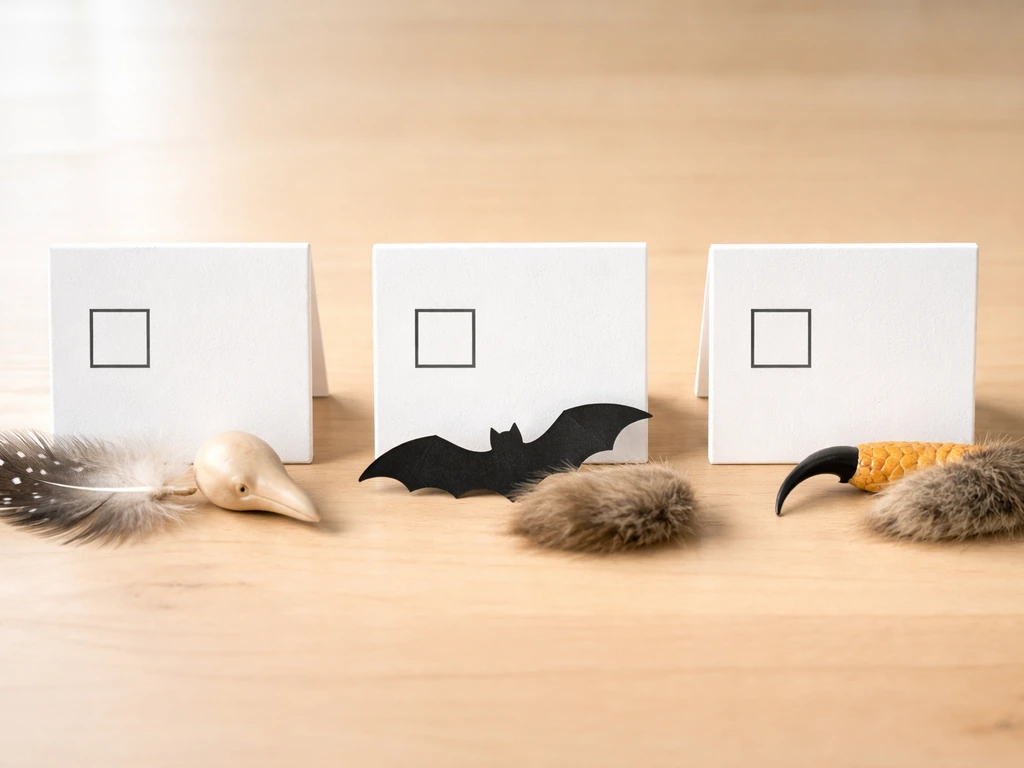
A few animals trip people up regularly when it comes to the bird definition. Here's a fast reference to clear the most common confusion.
| Animal or thing | Is it a bird? | Why people get confused |
|---|---|---|
| Bat | No | Bats fly, but they're mammals with fur and live birth, no feathers |
| Penguin | Yes | Flightless, but has feathers, lays hard eggs, and is classified in Aves |
| Butterfly | No | Insect. The name 'fly' and ability to fly are the only overlap with birds |
| Pterodactyl | No (and extinct) | A flying reptile, not Aves; lived alongside early birds but was a separate lineage |
| Ostrich | Yes | Flightless and large, but fully feathered, warm-blooded, and classified Aves |
| Platypus | No | Lays eggs like a bird but is a mammal with fur and no feathers |
| 'Bird' in British slang | Not applicable | Refers to a person, usually a woman; no animal is involved |
Quick yes/no checklist: is it a bird?
- Does it have feathers? If no, it's not a bird, full stop.
- Is it warm-blooded and a vertebrate? If no, rule it out.
- Does it have a beak or bill instead of teeth? If yes, strong bird indicator.
- Does it lay hard-shelled eggs? If yes, another strong marker.
- Does it have wings (even vestigial ones) where forelimbs would be? If yes, it fits.
- Is it classified within the class Aves by scientists? If yes, it's officially a bird.
If the word 'bird' is appearing in a phrase, slogan, or piece of writing rather than describing a living creature, skip the checklist entirely. You're in figurative territory, and the question to ask instead is: what is this 'bird' standing in for? Freedom? Luck? A person? A warning? That's where symbolism, idiom, and connotation do their work. To nail the connotative meaning of bird, ask what traits or associations the writer is relying on connotation.
How to use this definition confidently in writing and assignments
For a science or biology context, lead with class and characteristics: 'Birds are members of the class Aves, distinguished by feathers, a beak, warm-bloodedness, and hard-shelled eggs.' That framing signals you know the taxonomy and the defining traits, which is exactly what a science teacher or biology exam wants to see.
For a literature or cultural studies context, start by identifying what the bird represents in that specific work or phrase. Then you can pull in the biology briefly to explain why that symbolism works. For example: doves represent peace partly because actual doves are gentle, social birds that return home reliably. The biology backs up the metaphor, and acknowledging that connection shows real analytical thinking.
For general writing and everyday use, the Cambridge Dictionary framing works well as a simple anchor: 'a creature with feathers and wings, usually able to fly.' It's accessible, accurate enough for non-specialist purposes, and instantly clear to any reader. You can layer in more detail about specific species symbolism, slang, or idiomatic meaning once you've established that basic definition.
If you're exploring what a particular bird name means, or why someone is called 'Bird,' or what a bird-themed phrase signifies in a specific cultural context, those are really separate questions from the biological one. If you're asking what does the name Bird mean, you're usually looking at the personal-name or nickname and its cultural context rather than the animal itself. The name 'Bird' as a personal name or nickname, the slang uses, and the symbolic meanings attached to specific species each have their own threads worth pulling. The biological definition is your foundation, but the cultural layer is often where the more interesting answers live.
FAQ
Is a flying squirrel a bird?
No. A bird is classified as class Aves and has feathers, a beak, and reproduces by laying hard-shelled eggs. A flying squirrel can glide, but it is a mammal, it has fur, and it does not lay eggs with a beak and feather system.
Do all birds have feathers, even flightless ones?
Yes. Feathers are the key defining feature, and flightless birds still have feathers. If an animal lacks feathers and only has fur or scales, it is not a bird by the scientific definition.
Is it correct to define a bird as “an animal that can fly”?
That is incomplete. Flight is common but not required, because multiple birds are flightless (for example, penguins and ostriches). A better all-purpose biological definition includes feathers, beak, warm-bloodedness, and egg-laying.
Could an egg-laying animal with wings but no feathers be a bird?
Typically no. Hard-shelled eggs alone are not enough. The scientific definition depends on the full profile, especially feathers plus a beak and the Class Aves lineage. Wings without feathers (for example, bats or insects) indicate a different animal group.
What is the best definition for a school worksheet: short or detailed?
For most worksheets, use the short “class Aves” definition plus one or two defining traits (feathers, beak, hard-shelled eggs). If the assignment asks for classification, add the taxonomy point that birds are a warm-blooded vertebrate class (Aves).
How should I answer if a teacher asks, “Is a bat a bird?”
Answer directly: no, bats are mammals. Then, if you want to add extra credit, explain that birds have feathers and beaks and lay hard-shelled eggs, while bats have fur and give birth to live young.
In a poem, how do I tell whether “bird” means a real animal or a symbol?
Look for cues tied to biology versus emotion or roles. If the text focuses on feelings, warnings, freedom, or fate, it is usually symbolic. If it describes specific bird behaviors in a naturalistic way (nesting, flocking, courtship), it may be both literal and metaphorical.
Can “bird” refer to a specific species in everyday language?
Yes. People often say “bird” when they mean a type, like “a hummingbird” or “the bird of prey,” especially in casual conversation. In scientific contexts, “bird” refers to the broad class Aves, while a species name is used for precision.
What should I do if I see “bird” in brand names, nicknames, or slogans?
Treat it as a naming or cultural reference first, not a biology question. Ask what the name is trying to evoke (speed, freedom, luck, identity) before applying the animal checklist.
Are “bird” and “birds” ever used to mean something non-animal in writing?
Yes. Beyond slang and idioms, authors may use “bird(s)” to label groups, vehicles, teams, or events. In those cases, confirm whether the context signals a metaphor or a proper noun (capitalization, surrounding descriptors, or references to the named entity).
Next Article
What Do You Mean a Bird? Meaning and Context Guide
Learn what a bird can mean literally or idiomatically, with examples and a quick context checklist to respond correctly.