When someone uses the word 'bird' in English, they are almost never just talking about a feathered animal. Depending on the sentence, 'bird' can imply freedom, fragility, a person (usually a woman in British slang), something worthless, an obscene gesture, or a spiritual symbol. The connotation shifts dramatically based on context, tone, and whether it appears in an idiom, a slang phrase, or a piece of literature. If you want to interpret 'bird' correctly in any given sentence, the key is reading the context before assuming which meaning is active.
Connotative Meaning of Bird: Definitions, Idioms, Slang, and Symbolism

Marcus Reeves
24 May 2026
Denotative vs. connotative meaning: the basics
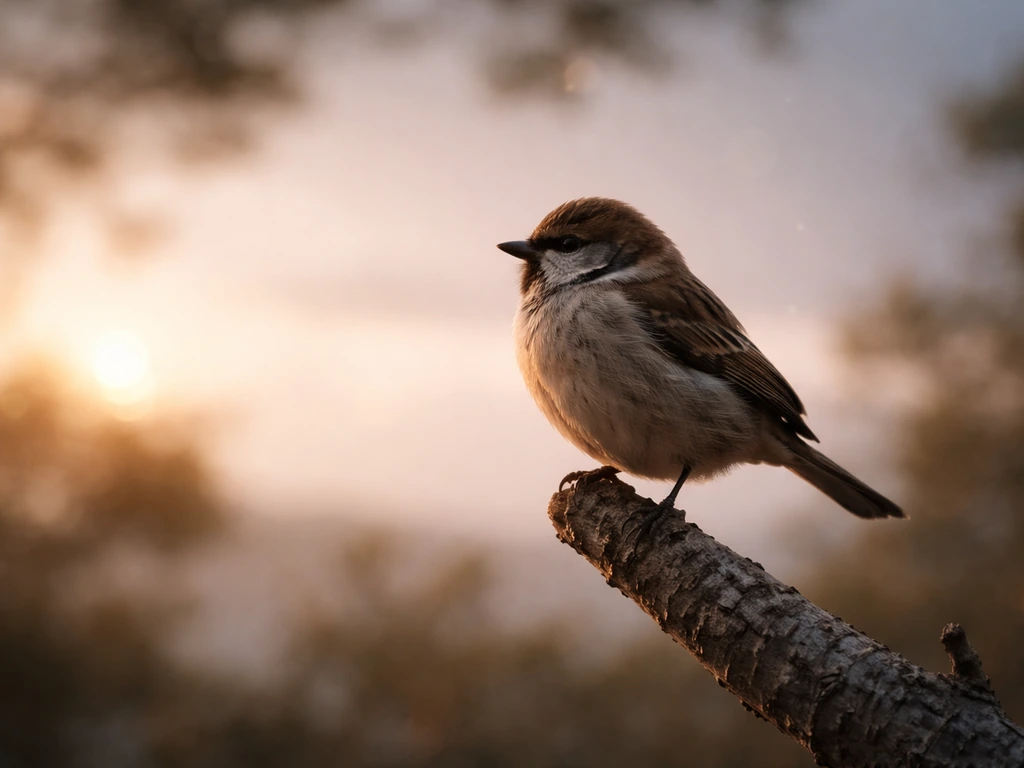
The denotative meaning of 'bird' is its plain dictionary definition: a warm-blooded vertebrate with feathers, wings, and a beak. That is the literal, no-subtext meaning. Connotation is everything layered on top of that. It is the set of feelings, associations, and implied ideas a word carries beyond its literal reference. The word 'bird' technically points to an animal, but depending on how it is used, it can imply freedom, lightness, unpredictability, a person, or even contempt.
Think of denotation as what a word points to and connotation as what that word makes you feel or assume. Both matter for reading and writing well. If you want to explore the literal, dictionary-level definition of bird in more depth, that is a slightly different question from connotation. Similarly, questions about the name 'Bird' as a proper noun or what people mean when they say 'a bird' casually all involve their own separate layers. Connotation is specifically about emotional and cultural subtext.
What 'bird' implies in everyday English

In everyday English, 'bird' carries a handful of recurring connotations that show up across literature, conversation, and pop culture. The most common ones are worth knowing by name so you can spot them quickly.
- Freedom and escape: Birds fly. That simple fact means 'bird' is one of the most loaded symbols of freedom in the English language. When a character is described as a 'caged bird,' the connotation is immediately one of suppressed freedom, not animal husbandry.
- Fragility and delicacy: Small birds especially connote something easily broken or overly sensitive. Calling someone 'bird-boned' or comparing someone to a bird suggests they are slight, delicate, or vulnerable.
- Flightiness and unreliability: Because birds can take off without warning, 'bird' can imply someone or something unpredictable and hard to pin down. 'She's a free bird' can be a compliment or a polite way of saying she is impossible to commit to.
- A woman or girl (British/Australian slang): In British English, 'bird' is slang for a girl or young woman. This usage is common enough to appear in major dictionaries, but it is also marked as potentially offensive depending on context and tone.
- Something trivial or worthless: The phrase 'for the birds' flips the connotation entirely, using 'bird' to mean something not worth taking seriously.
- A message or omen: In many literary and cultural traditions, birds are messengers. Finding a dead bird or seeing a specific species can connote that news, fate, or a warning is on its way.
Bird idioms and what they are actually saying
Idioms that use 'bird' are some of the trickiest in English because they sound like they might be literal but are completely figurative. Reading them word by word will get you nowhere. Here is a breakdown of the most common ones.
A bird in the hand is worth two in the bush

This proverb means it is better to keep what you already have than to risk it chasing something that might be better. The underlying message is about certainty versus speculation. It is advisory in tone, usually said when someone is tempted to gamble a sure thing for a potentially bigger reward. The connotation is cautious pragmatism, not anything about birds specifically.
The early bird gets the worm
First recorded in English around 1605, this proverb means people who start early or act promptly gain an advantage. The tone is motivational and positive. When someone calls you an 'early bird,' they mean you get up or show up ahead of others, and the connotation is favorable: organized, proactive, ahead of the curve. The bird here implies industriousness, not any specific animal behavior.
Flip the bird

This is American slang for making an offensive gesture by extending the middle finger toward someone. It has nothing to do with birds in any animal sense. The connotation is hostility and contempt. It is worth knowing because if someone asks what 'flipping the bird' means, the answer is not ornithological in the slightest.
For the birds
Saying something is 'for the birds' means it is worthless, silly, or not worth your time. This is a dismissive phrase, and the tone is mildly contemptuous. The connotation of 'bird' here is trivial and beneath consideration.
Birds of a feather (flock together)
This idiom means people who are similar tend to associate with each other. The tone is neutral to observational. It is neither a compliment nor an insult on its own, though the context it is dropped into can shade it either way. If someone says 'birds of a feather' about a group of troublemakers, the connotation gets negative fast.
Cultural symbolism: what birds represent beyond the literal
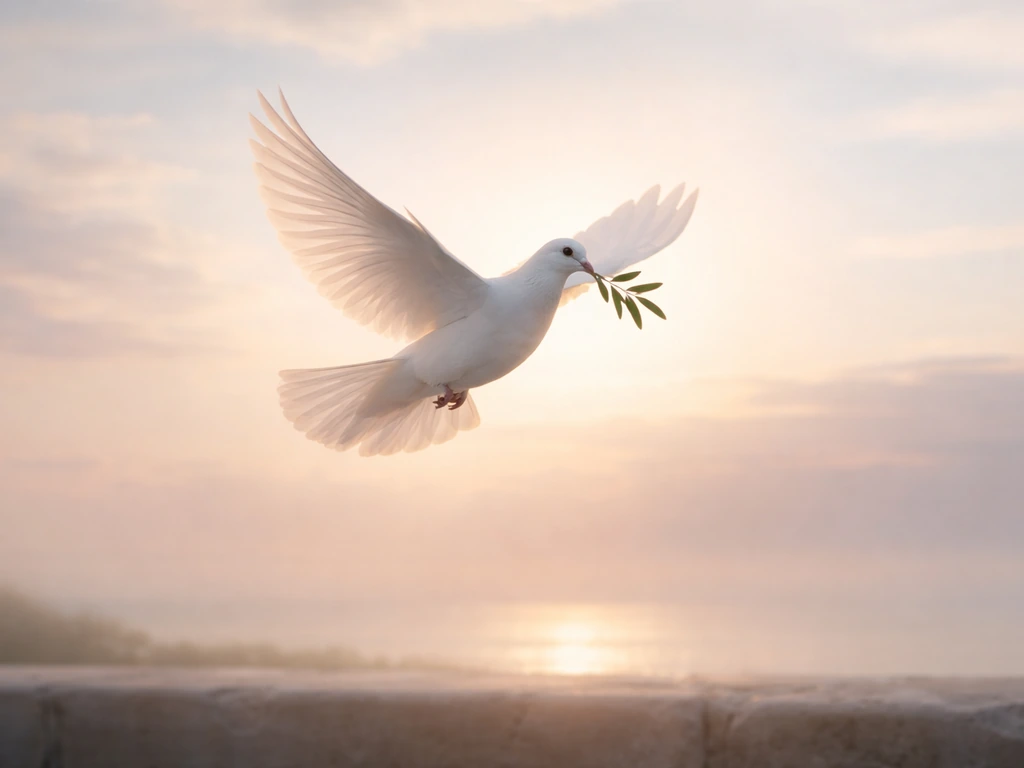
Across cultures and literary traditions, birds as a category tend to symbolize a short but powerful list of ideas: freedom, the soul or spirit, messages between worlds, hope, and fate. These connotations show up in poetry, novels, religious texts, and folklore so consistently that they function almost like default associations in the English-speaking world.
That said, the specific species matters a lot once you get past the generic 'bird' symbol. A dove carries connotations of peace and the divine, rooted in both Christian tradition (where the dove represents the Holy Spirit) and broader cultural use of the dove-with-olive-branch as a symbol of peace. A raven or crow flips all of that: dark plumage and historical association with carrion gave these birds connotations of death, ill omen, and dark fate in Western traditions. An owl typically connotes wisdom, mystery, or nocturnal knowledge. These species-level connotations are strong enough that writers can rely on them without explanation.
| Bird / Term | Core connotation | Typical tone |
|---|---|---|
| Bird (generic) | Freedom, the soul, a message, fragility | Neutral to poetic |
| Dove | Peace, purity, the divine | Positive, spiritual |
| Raven / crow | Death, ill omen, darkness | Ominous, foreboding |
| Owl | Wisdom, mystery, the night | Intellectual, eerie |
| Caged bird | Suppressed freedom, oppression | Sympathetic, heavy |
| Free bird | Independence, uncontrollability | Admiring or wary |
Bird in slang: positive, neutral, and rude
Slang use of 'bird' runs a wide tonal range, and the same word can land very differently depending on who says it and where.
Neutral to affectionate (British and Australian English)
In British English, 'bird' is commonly used to refer to a girl or young woman. In casual, affectionate use between friends, it can land as completely neutral or even warm. You might hear 'she's a good bird' said with genuine fondness in certain regional dialects. Merriam-Webster lists this as a chiefly British slang sense, which tells you it is established enough to be in a major dictionary.
Offensive and objectifying
Oxford Learner's Dictionaries explicitly flags one British slang use of 'bird' as offensive when applied to a young woman, and that label is warranted. Using 'bird' to describe a woman in certain contexts reduces her to an object and carries a dismissive, condescending undertone. The same word that sounds affectionate in one register can be genuinely rude in another. Context, relationship, and tone of voice all determine which connotation is active.
Positive slang and cultural references
Outside of the woman/girl usage, 'bird' also shows up positively in phrases like 'early bird' (organized, motivated), or as a nickname for someone known for lightness, speed, or freedom. In American slang and music, 'Bird' was the famous nickname of jazz musician Charlie Parker, carrying connotations of brilliance and improvisation. Context will tell you which register you are in.
How to figure out what 'bird' means in any sentence
When you encounter 'bird' and are not sure which connotation is active, run through these questions in order. They will get you to the right interpretation almost every time.
- Is it in an idiom or set phrase? If the sentence contains 'early bird,' 'birds of a feather,' 'for the birds,' 'flip the bird,' or 'a bird in the hand,' look up the whole phrase. Do not read it literally.
- Is the surrounding text British or Australian? If yes, 'bird' referring to a person almost certainly means a young woman or girl. Check whether the tone is affectionate or dismissive.
- Is the context literary or poetic? In poetry, fiction, or song lyrics, 'bird' most likely carries one of the symbolic meanings: freedom, the soul, a message, or fate. The specific species mentioned (if any) will sharpen the connotation.
- Is it cultural or religious? In a religious context, a bird (especially a dove) connotes the divine or spiritual peace. In folklore or myth, a bird can connote fate or a message from another realm.
- Is the tone negative or dismissive? If the sentence dismisses something as being 'for the birds' or uses 'bird' sarcastically, the connotation is contempt or worthlessness.
- Is there any gesture or physical action involved? If someone is described as 'giving' or 'flipping' the bird, this is the middle-finger gesture idiom and has nothing to do with any other connotation.
Writing pitfalls and how to use the right connotation
The biggest mistake writers and students make with 'bird' is assuming the connotation is stable across uses. It is not. A sentence like 'she was a bird' means completely different things in a British slang conversation versus a poem about a woman trapped in a difficult life. If you are writing and use 'bird' intending one connotation, make sure the context around it is clear enough to prevent misreading.
A second common pitfall is reading idioms literally. 'A bird in the hand is worth two in the bush' is not advice about catching birds. 'The early bird gets the worm' is not about feeding behavior. If you parse these expressions word by word, you will miss the entire point. Idioms require you to know the culturally learned meaning, not just the sum of individual words.
A third pitfall is ignoring tone when using 'bird' as British slang. Because the same word can be affectionate or offensive depending on context, using it carelessly in writing aimed at mixed audiences can land wrong. If you want to write 'bird' meaning a young woman and intend it warmly, the surrounding tone and character voice need to make that clear. If you are a student writing an essay, avoid the slang sense entirely unless you are analyzing it directly.
For practical next steps: when you read 'bird' in any text, identify the register first (literal, idiomatic, symbolic, or slang), then let that guide your interpretation. When you write with 'bird,' decide which connotation you want to activate and build enough context around it that a reader lands on the same one. If you are using an idiom, use it whole and correctly. If you are using the symbolic meaning, the species or the surrounding imagery will do the work. Get those details right and 'bird' becomes one of the most expressive words in the English language rather than one of the most confusing.
FAQ
How do I quickly know whether “bird” is being used literally or connotatively in a sentence?
Usually, you can tell you are in the connotative track when “bird” appears in a fixed phrase (idioms), as a character label with social tone (slang), or inside imagery that emphasizes attitude or fate (symbolism). If it is followed by descriptive wording about worthlessness or gesture, expect “for the birds” or “flipping the bird” type meanings, not the animal.
Is it ever safe to use “bird” as slang for a girl or woman in writing?
When “bird” is used for a woman in British slang, the risk is that it can sound affectionate in one relationship but objectifying or insulting in another, especially depending on age, power dynamics, and who is speaking to whom. If you are writing for a general audience, it is safer to avoid that slang sense unless you are explicitly analyzing it.
Do small changes to an idiom like “bird in the hand” still communicate the same connotation?
In idioms, articles and small wording changes often matter because they help the reader recognize a set expression. For example, “in the hand” and “in the bush” are part of the recognized proverb shape, even though the bird itself never enters the literal meaning. If you paraphrase too much, you may lose the idiomatic connotation.
Can “bird” be symbolic even if the text does not mention a species like dove or raven?
Yes, “bird” can function symbolically even without naming a specific species. When writers keep “bird” generic, the connotation often leans on broad themes the culture already connects to birds, such as freedom or hope, and the exact shade comes from nearby details like setting (cage versus sky) and verbs (escape versus hover).
Does “bird” always suggest positive meanings like freedom and hope?
Not always. “Bird” can imply “freedom” or “lightness,” but it can also imply fragility, vulnerability, or even ill omen, depending on the narrative mood and surrounding imagery. If the text is dark, cautious, or centered on death, illness, or dread, the connotation may shift toward the darker end rather than freedom.
How can I interpret “bird” when it is used with time-related words like “early”?
If “bird” is preceded by “early” or used in a time-oriented way, it typically activates the “early bird” connotation of punctuality, initiative, and getting an advantage. If “bird” appears in a different time context without that recognizable frame, the meaning may revert to literal bird or to a custom nickname.
When “bird” is used metaphorically for a person, how do I avoid misreading the attitude?
In many contexts, “bird” as part of a metaphor does not replace precise meaning like “woman,” “person,” or “enemy,” it adds attitude. That means you should ask what emotional stance the writer wants, for instance admiration, contempt, dismissal, or camaraderie, then check whether nearby words confirm that stance.
What should I do if I cannot identify whether “bird” is idiomatic, slang, or symbolic?
A good check is to look for the “register signals” around it. Idiomatic register usually has recognizable phrase structure, slang register often includes direct address or social judgments, and symbolic register often includes broader thematic language (spirit, fate, souls, prophecy). If you cannot classify the register confidently, treat the meaning as ambiguous until the sentence’s context resolves it.
Next Article
What Does the Name Bird Mean? Literal, Slang, Idioms
Meaning of bird in English, slang, and idioms, plus examples to decode which definition fits the context.