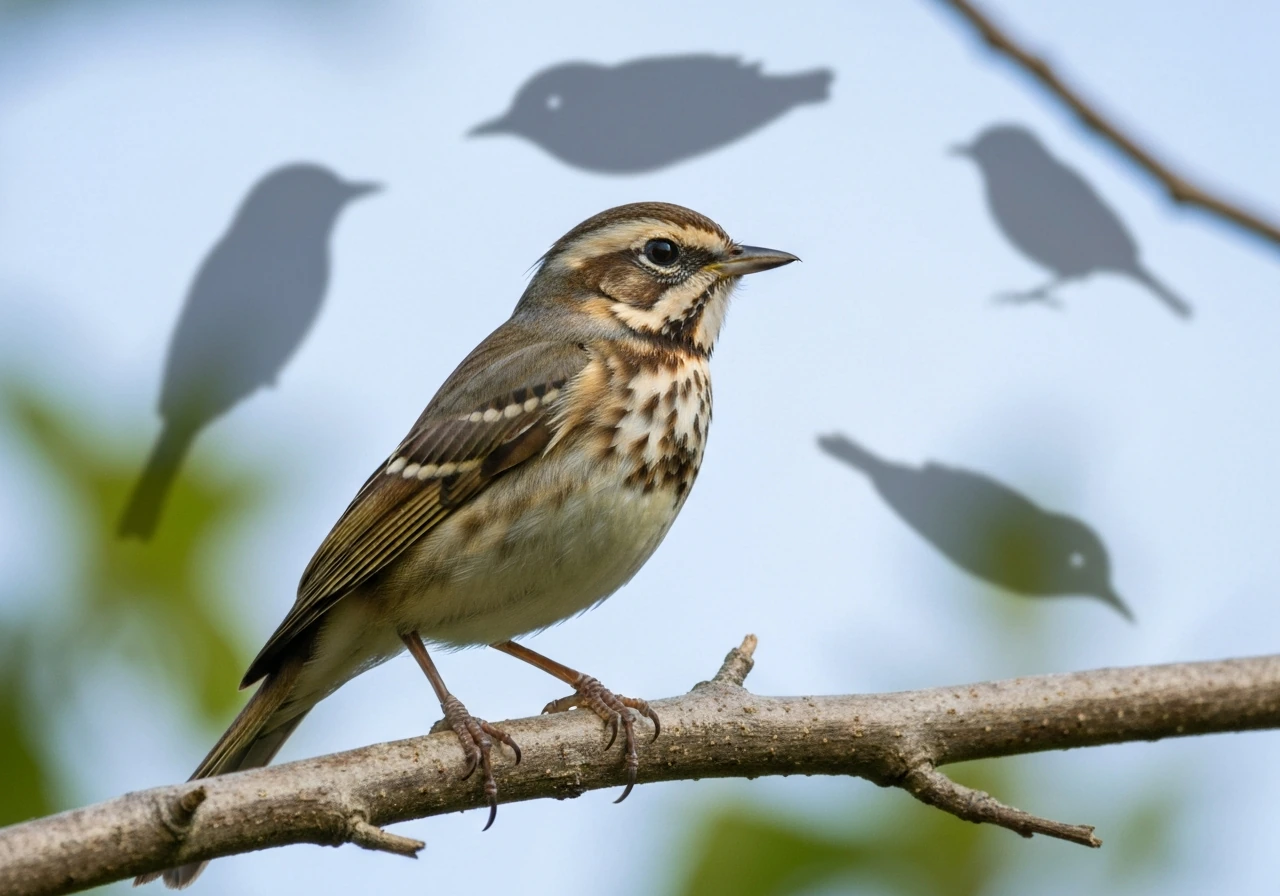
"Bird" means different things depending entirely on context. At its most basic, a bird is a warm-blooded, feathered animal in the class Aves. But in everyday conversation, texts, slang, idioms, and cultural references, "bird" can mean a rude gesture, a type of Ford car, a rally cry, a symbol of peace, or even a coded message from the universe. The trick is knowing which version you're dealing with, and that's what this guide is for.
What Does Bird Mean? Literal, Slang, and Common Idioms

Marcus Reeves
23 Mar 2026
The core meaning of "bird"
The literal definition is straightforward: birds are warm-blooded theropod dinosaurs (yes, descendants of dinosaurs) classified under the biological class Aves. (yes, descendants of dinosaurs) classified under the biological class Aves. They're defined by a set of shared traits: feathers, toothless beaked jaws, hard-shelled eggs, a four-chambered heart, and a high metabolic rate. Think sparrows, eagles, penguins, ostriches. All birds, all Aves, all sharing that same evolutionary lineage.
When you hear or read "bird" in a scientific, nature, or everyday animal context, this is almost always the meaning. Someone saying "there's a bird on the feeder" or asking "what kind of bird is that?" is definitely talking about an actual animal. But the moment "bird" moves into conversation, song lyrics, sports chants, or slang, the literal meaning takes a backseat.
One practical note: dictionaries also use "birdlike" as an adjective to describe something that resembles a bird. If you see that word, it's a comparative descriptor, not a category name. A "birdlike" face just means someone has sharp features reminiscent of a bird. That's distinct from calling something a "bird" outright.
What "bird up" means
"Bird up" has a couple of distinct uses depending on where you encounter it, and they're surprisingly unrelated to each other.
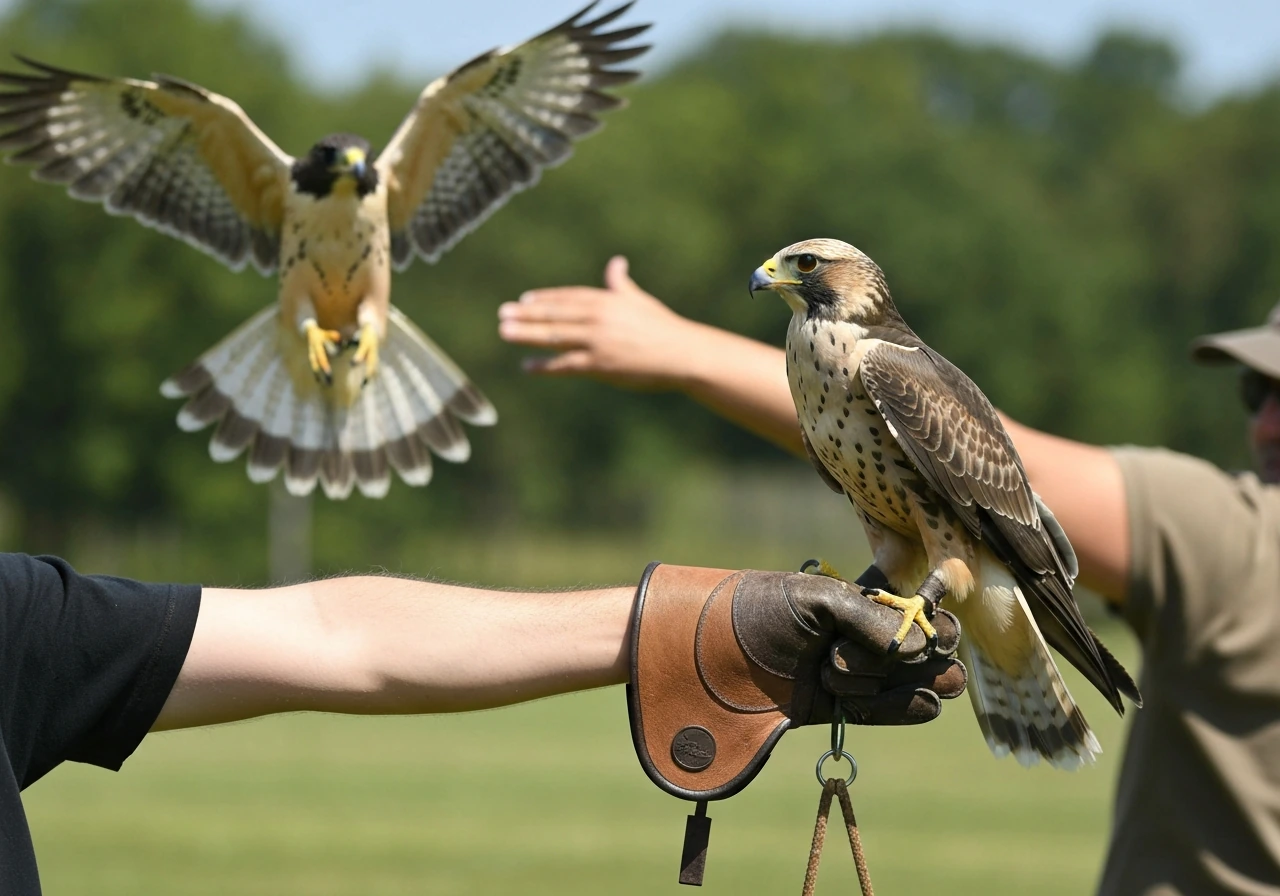
In falconry, the original and most literal use, "bird up!" is a command shouted to a raptor, telling it to fly upward or come to position. If you're watching someone work with a hawk or falcon and they shout "bird up," they're directing the bird, not using slang.
In sports fandom, particularly among Atlanta Falcons fans, "BIRD UP!" functions as a rally cry. It's the team's equivalent of "let's go" or "get hyped." The Falcons are nicknamed "the Birds," so "Bird Up" translates roughly to "step up, rise, be ready." You'll see it in fan communities, in sports marketing materials, and chanted at games. It's pure motivational energy, not a reference to an actual bird.
If you see "Bird Up" on a jersey, a banner, or in a sports comment thread, you're almost certainly in the Falcons fandom context. If someone says it during a falconry demonstration, that's the other one. Context is everything here.
What "T-Bird" means
"T-Bird" is shorthand for the Ford Thunderbird, one of the most iconic American cars ever made. Ford produced the Thunderbird from 1955 through 2005 (with a break and relaunch), and the nickname "T-Bird" stuck from early on. When someone says "my grandfather had a '57 T-Bird" or "that T-Bird is mint condition," they mean a Ford Thunderbird.
The term also shows up in pop culture. "Grease" features a gang called the T-Birds, named after the car and the cool image it carried. "T-Birds" as a plural usually refers to either a group of Thunderbird cars or, in older pop culture, a group or crew associated with that aesthetic.
Outside of the car context, "T-Bird" doesn't carry much separate meaning. If you see it in a reference to vehicles, classic cars, or retro pop culture, you can be confident it's about the Thunderbird. It's not really a bird reference at all, despite the name.
How "bird" shows up in everyday phrases
Some of the most common uses of "bird" in English have nothing to do with actual animals. Here are the phrases you're most likely to run into and what they actually mean.
Flip the bird
This one means extending the middle finger as an offensive gesture. "Flip the bird" is just another way of saying "flip someone off" or "give someone the finger." Merriam-Webster and Cambridge both recognize this usage formally. If someone says "she flipped him the bird," they're describing a rude hand gesture, not anything involving an actual bird. The phrasing tends to show up in frustrated, angry, or humorous contexts.
Early bird gets the worm
This is a proverb meaning the person who acts first or arrives earliest gets the advantage. Cambridge defines it plainly: being proactive pays off. You'll hear it as motivation to wake up early, submit something first, or grab an opportunity before others. "Early bird catches the worm" means the same thing, just an alternate wording. Neither is about birds specifically.
A bird in hand
The full saying is "a bird in the hand is worth two in the bush," and it means it's better to hold onto what you already have than to risk losing it chasing something better. It's used when someone is debating whether to accept a sure thing versus gambling for a bigger reward. You'll hear it in business, relationships, and any decision involving risk.
The bird is the word
Made famous by the song "Surfin' Bird" and later referenced heavily in pop culture (most notably a running gag in "Family Guy"), "the bird is the word" doesn't carry a precise dictionary meaning. It's used to mean "this is the thing everyone's talking about" or "pay attention to this." It's playful, absurdist, and mostly used for comedic effect. If someone drops it in conversation, they're almost certainly making a pop culture reference, not a serious claim.
Doing bird
This is British slang for serving time in prison. "He's doing bird" means he's currently in jail. It's a separate and specific slang use that's worth knowing if you encounter British media, crime dramas, or UK-based conversations. There's more on this particular use in the article on what "doing bird" means.
Calling someone a bird
In British and Australian English, calling someone "a bird" is slang for a girl or woman. It's casual, sometimes affectionate, sometimes dismissive depending on tone. "She's a nice bird" in a British context just means "she's a nice woman." For more nuance on this usage, the article on what it means to call someone a bird goes deeper.
Bird symbolism: when "bird" means something beyond the animal
When someone asks "what does this bird mean" in a spiritual, literary, or cultural sense, they're usually trying to interpret a symbol, not identify a species. Birds have carried symbolic weight across nearly every culture and religion in human history, and the meaning shifts dramatically based on which bird and which tradition you're looking at.
Birds as messengers and omens

The idea of birds as messages or signs is ancient. Ornithomancy, which is the practice of divining meaning from bird flight, calls, and behavior, has roots in Greek, Roman, and many Indigenous traditions. In Philippine mythology, the tigmamanukan is a specific omen bird sent by a supreme deity to signal whether a traveler should proceed or turn back. The idea is consistent across cultures: birds move between earth and sky, so they're seen as intermediaries carrying information from a higher realm.
When someone says "I saw an owl last night and I feel like it meant something," they're tapping into this tradition. Whether or not you believe it, understanding that birds have historically functioned as coded messages helps you decode why the question gets asked at all.
Specific bird meanings at a glance
| Bird | Common Symbolic Meaning | Cultural Context |
|---|---|---|
| Dove | Peace, love, freedom | Christianity (Genesis, Holy Spirit), Western culture broadly |
| Raven | Death, mystery, prophecy | Norse mythology, Edgar Allan Poe, Celtic tradition |
| Owl | Wisdom, the occult, death omens | Greek mythology (Athena), Western folklore |
| Eagle | Power, freedom, national pride | American symbolism, Roman Empire, many Indigenous traditions |
| Robin | New beginnings, spring, hope | European folklore, British tradition |
| Black bird (generic) | Transition, change, bad omen | Western superstition, Appalachian folk belief |
The meaning of a bird in literature or art almost always depends on which bird and what tradition the author is working in. A dove in a poem about war is almost certainly a peace symbol. A raven perched silently in a story about grief is almost certainly ominous. Context, as always, is the guide.
Birds in text and online conversations
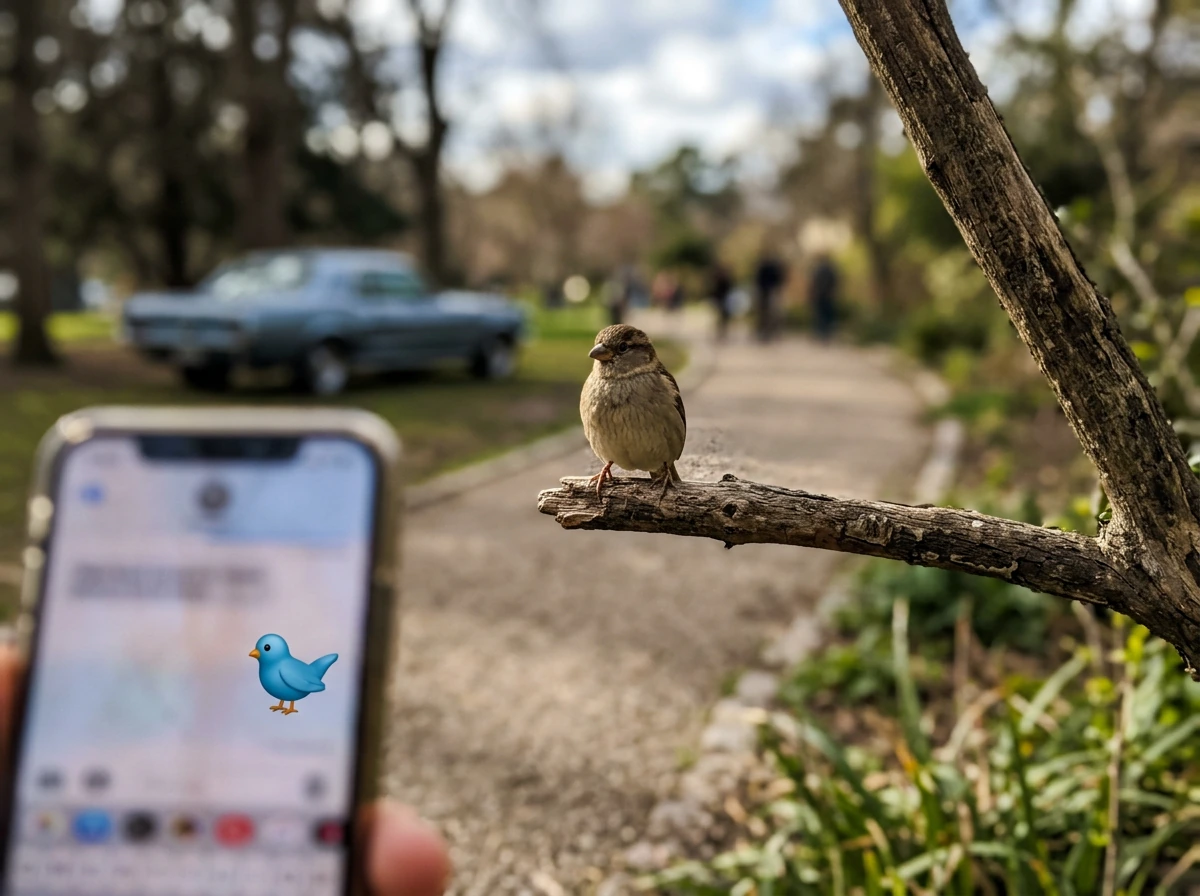
The bird emoji (🐦) is used both literally (to talk about actual birds) and figuratively in digital conversation, this is the kind of thing readers usually mean when they search for what does bird mean in text. It sometimes stands in for "Twitter" (now X), for general bird vibes, or as a soft reference to any of the slang meanings above. If someone sends you a bird emoji alongside a complaint about traffic, they might be flipping you off symbolically. If it's paired with a photo of nature, probably literal. The article on what "bird" means in text covers these emoji and chat-specific uses in more detail.
How to figure out which meaning applies
The fastest way to decode "bird" in any sentence is to check three things: who's speaking, what's the emotional tone, and what's the surrounding vocabulary. Here's a practical breakdown.
| Context Clue | Most Likely Meaning |
|---|---|
| Nature, wildlife, or science setting | Literal animal (class Aves) |
| Angry or confrontational tone | "Flip the bird" (middle finger gesture) |
| Sports content, especially Atlanta Falcons | "Bird Up" rally cry |
| Classic cars, 1950s-1970s American culture | T-Bird (Ford Thunderbird) |
| British or Australian conversation | Slang for a woman, or "doing bird" (prison) |
| Spiritual, symbolic, or literary content | Omen, message, or cultural symbol |
| Pop culture reference or meme tone | "The bird is the word" (absurdist humor) |
| Motivational or productivity advice | "Early bird gets the worm" (act first) |
Quick examples so you can recognize these in the wild
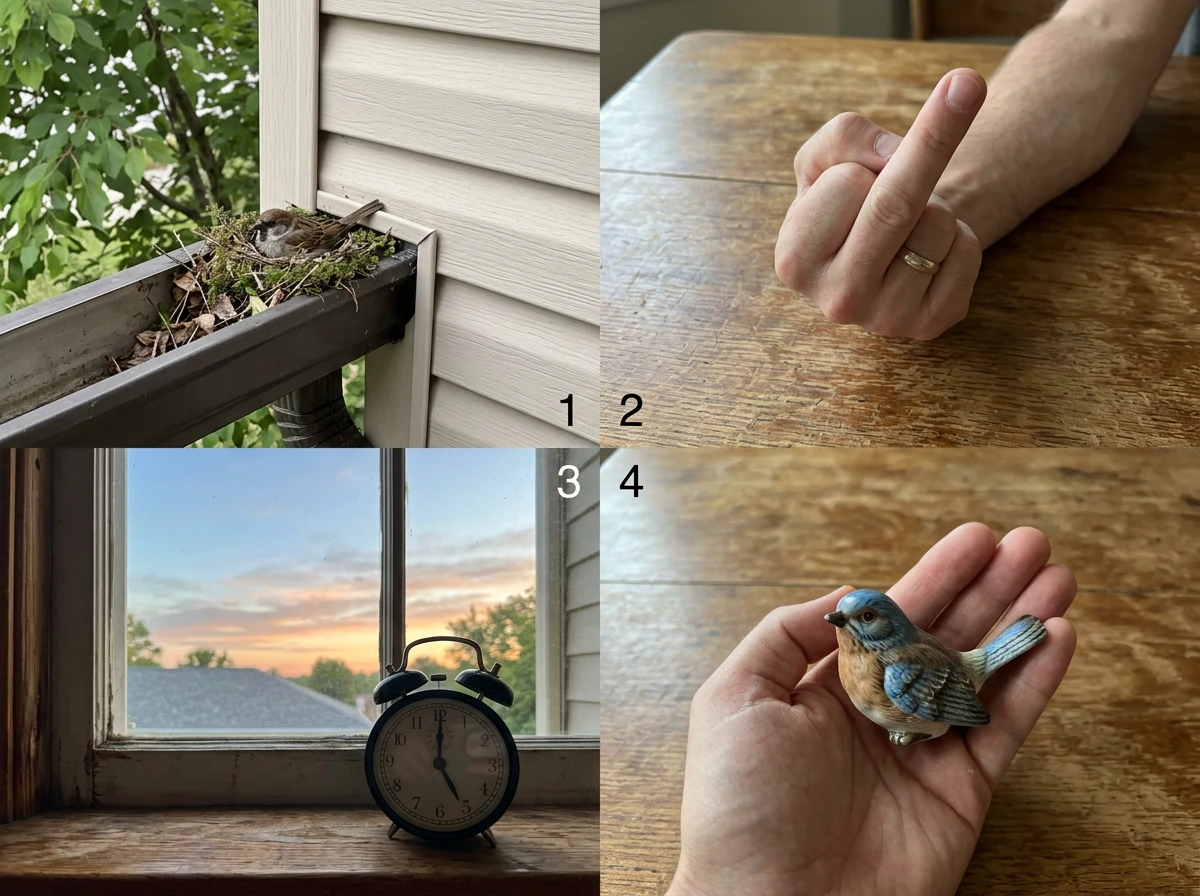
Here are real-sentence examples of each main meaning, so you can see how they land in actual usage.
- "There's a bird nesting in my gutter." (Literal: an actual animal, probably a robin or sparrow.)
- "He flipped the bird at the driver who cut him off." (Idiom: middle finger gesture, rude and confrontational.)
- "BIRD UP, Falcons fans! Sunday is our day." (Slang/rally cry: hype phrase used in Atlanta Falcons fandom.)
- "My uncle restored a 1957 T-Bird and it's gorgeous." (Nickname: Ford Thunderbird, classic American car.)
- "She's doing bird for the third time now." (British slang: serving a prison sentence.)
- "The early bird gets the worm, so I'm submitting my application tonight." (Proverb: acting first gives you an advantage.)
- "In the poem, the dove represents everything he'd lost in the war." (Symbolism: peace, loss, hope.)
- "I can't believe he just sent me the bird emoji after that argument." (Digital slang: likely a rude gesture in emoji form, context-dependent.)
Once you've seen each version in a sentence, it gets much easier to recognize them on the fly. The literal meaning is almost always accompanied by nature, science, or animal-watching language. The slang and idiomatic uses come with emotional charge, sports energy, cultural references, or regional vocabulary. When you're not sure, look at what's around the word, not just the word itself.
FAQ
How can I tell quickly whether “bird” is literal or slang in a single sentence?
If you see the word in a context like wildlife, feeding, cages, migration, or a “what bird is this?” question, it is almost always literal (an actual animal). If you see it near insults, gestures, fandom slogans, vehicle references, or prison talk, it is almost certainly slang or a set phrase, not a species.
Does “bird” mean something different when it appears in phrases like “birdlike” or “T-Bird”?
Yes, “bird” can be part of longer expressions that shift meaning. For example, “bird up” depends on whether you are in falconry or sports fandom. Also watch for compounds like “T-Bird” (car) or “birdlike” (an adjective meaning resembling birds), because those are not interchangeable with plain “bird.”
Is “flip the bird” ever meant literally, like referencing a bird photo or emoji?
“Flip the bird” refers to the hand gesture (flipping someone off), but the exact word choice can vary by region and audience. If the surrounding text is about anger, frustration, or humor, and there is no mention of animals or emojis, treat it as the gesture, not a literal bird reference.
Do the idioms involving “bird” refer to actual birds, or are they purely figurative?
In most contexts, “bird” in proverbs is metaphorical, not about a specific bird species. “Early bird catches the worm” means acting early, and “a bird in the hand is worth two in the bush” means choosing a sure advantage over a risky gamble. The idiom usually signals a decision or timing lesson.
Is “a bird” a compliment in British or Australian English?
Yes. In UK and Australian English, calling someone “a bird” usually means a woman, but tone matters. It can sound affectionate, neutral, or dismissive depending on how it is said and what relationship you have (friends vs strangers).
What clues in a sentence help me understand “doing bird” versus other meanings?
In British slang, “doing bird” typically means serving time in prison, but you need to treat it as regional. If you are reading something outside the UK context and the sentence includes courthouse, sentencing, or jail details, it is more likely to be that slang meaning.
How do I interpret “bird” as a symbol in literature when the species isn’t explicitly stated?
Bird symbolism in writing is usually driven by the species and tradition. A dove often signals peace, while ravens commonly suggest ominous or grief-related themes. If you know the setting (religion, mythology, or the author’s cultural references), the symbol becomes much easier to interpret than when you only have “bird” with no other details.
What does the bird emoji (🐦) usually mean in text conversations?
The bird emoji (🐦) is ambiguous, so check what else is in the message. Nature photos or talking about real birds point literal. Complaints, road rage, or sarcasm can make it act like a stand-in for “bird vibes” or even a coded insult depending on the surrounding words or other emojis.
What are the most common mistakes people make when interpreting “bird”?
Two common mistake patterns are (1) focusing only on the word “bird” and ignoring nearby nouns and verbs, and (2) assuming every “bird” phrase is the same everywhere. Regional slang (like “doing bird”) and phrase-specific meanings (“bird up,” “T-Bird”) are the main traps.
What should I do if context clues conflict and I still cannot tell what “bird” means?
When you are uncertain, use a quick triage: identify the speaker or setting (sports, falconry demo, UK slang, car culture), check emotional tone (anger, hype, affection), and look for nearby keywords (prison, gesture, animals, Ford, early timing). If those signals conflict, ask what “bird” refer to directly, especially in formal or high-stakes contexts.
Next Article
Definition of a Bird: Characteristics, Idioms, Symbolism
Learn the definition of a bird, key traits, and meanings of common idioms and symbolism like dove, raven, owl.