When someone calls you 'a bird', even without the definition of a bird in mind, the most likely meaning depends almost entirely on who said it, where you are, and how they said it. In most everyday conversations, it's either a playful nickname, light teasing, or a term of affection, but it can occasionally land as an insult. The word 'bird' carries a lot of different baggage depending on region, relationship, and tone, so the same two words can mean completely different things coming from different people.
What Does It Mean to Call Someone a Bird

Marcus Reeves
23 Mar 2026

Why someone might call you 'a bird'
There are a handful of common reasons someone uses this word to describe you, and they range from warm to unflattering depending on the situation.
As a playful nickname or term of affection

In British and Irish English especially, 'bird' has long been used as a casual, affectionate nickname, similar to 'love,' 'hen,' or 'pet. Merriam-Webster also notes a chiefly British sense of “bird” meaning “girl.” Bird Definition & Meaning. ' If a friend, family member, or partner calls you a bird with a warm tone, they're almost certainly being affectionate. This usage is relaxed and friendly, not weighted with hidden meaning. Think of it as regional slang shorthand for 'you' said with genuine fondness.
As light teasing
Someone might call you a bird when they're ribbing you about something, like being scatter-brained, chatty, easily startled, or flighty in your decisions. The teasing version usually comes paired with a grin or a specific situation they're pointing to. 'You're such a bird' after you got spooked by a noise is playful. It's not meant to wound, but it's also not a compliment, so the intent is clearly tongue-in-cheek.
As flirting

Calling someone a bird can also carry a flirtatious edge. In some UK slang contexts, 'bird' is used to refer to a woman someone finds attractive, similar to how 'fox' or 'catch' gets used in other slang traditions. If the person saying it is someone who's been showing interest in you, and the way they say it feels warm and a little charged, there's a good chance they're flirting. Context and body language are everything here.
As an insult
On the less flattering end, 'bird' can be used dismissively, particularly toward women, to suggest someone is ditzy, annoying, or not to be taken seriously. In this usage it carries real condescension, and you'll usually be able to feel the difference because the tone is flat, dismissive, or paired with eye-rolling or frustration. This is the version that can reasonably upset you, and your instinct that something felt off is probably right.
How tone and your relationship with the person change everything
The single biggest factor in decoding 'bird' is the relationship you have with the person using it. A close friend calling you a bird while laughing is almost never an insult. A stranger or coworker saying it with a flat voice is a different situation entirely. Tone carries the meaning far more than the word itself does.
Think about the emotional temperature of the conversation before that moment. Were you both joking around? Was there tension? Is this person someone who teases everyone warmly, or someone who tends to be dismissive? The word 'bird' is almost neutral on its own. The speaker's tone, facial expression, and the energy in the exchange are what actually tell you what they meant.
Age and regional background also shift things noticeably. Older British or Irish speakers are more likely to use 'bird' as a casual affectionate term without any irony at all. Younger speakers may use it more self-consciously, either leaning into retro slang as humor or using it in a more pointed, teasing way. If you're in the US, 'bird' as a nickname is much less common, so hearing it there tends to signal either deliberate British slang influence or something more specific to that person.
Reading the context clues around what was said
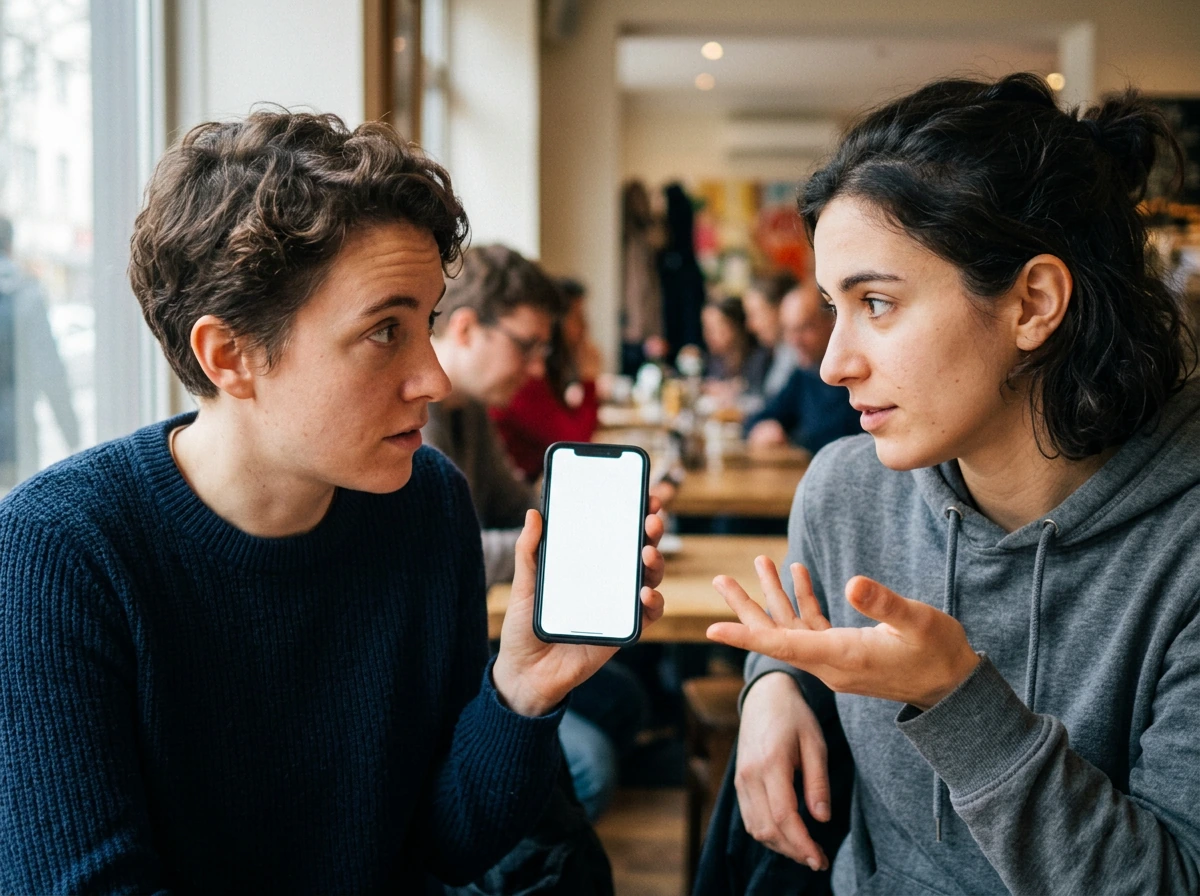
When you're trying to decode any piece of slang, the words immediately surrounding it are your best evidence. 'You're such a bird' said while laughing at something you did reads completely differently from 'she's just a bird' said to dismiss your opinion. The surrounding sentence, the topic of conversation, and whether you were directly addressed all shift the probable meaning.
Body language is just as important as the words themselves. If the person was leaning in, smiling, and making warm eye contact, that points toward affection or flirtation. If they were turned away, sighing, or speaking to someone else about you rather than to you, that tips toward dismissiveness. Pay attention to whether they were including you or excluding you from the conversation.
Also consider what had just happened. Did you do something clumsy or surprising? That points toward light teasing. Had you just met and there was a flirtatious undercurrent to the conversation? That points toward flirting. Was there an argument or frustration in the air? That's when the word is more likely being used as a put-down.
What calling someone 'a bird' usually implies, and when it crosses a line
In most everyday uses, calling someone a bird implies they're a bit free-spirited, unpredictable, or light-hearted. There's often a sense of movement and energy attached to the word, which is why it can read as affectionate rather than harsh in the right hands. Birds are also associated with song, chatter, and noise, which sometimes feeds into the teasing use when someone is being very talkative or excitable.
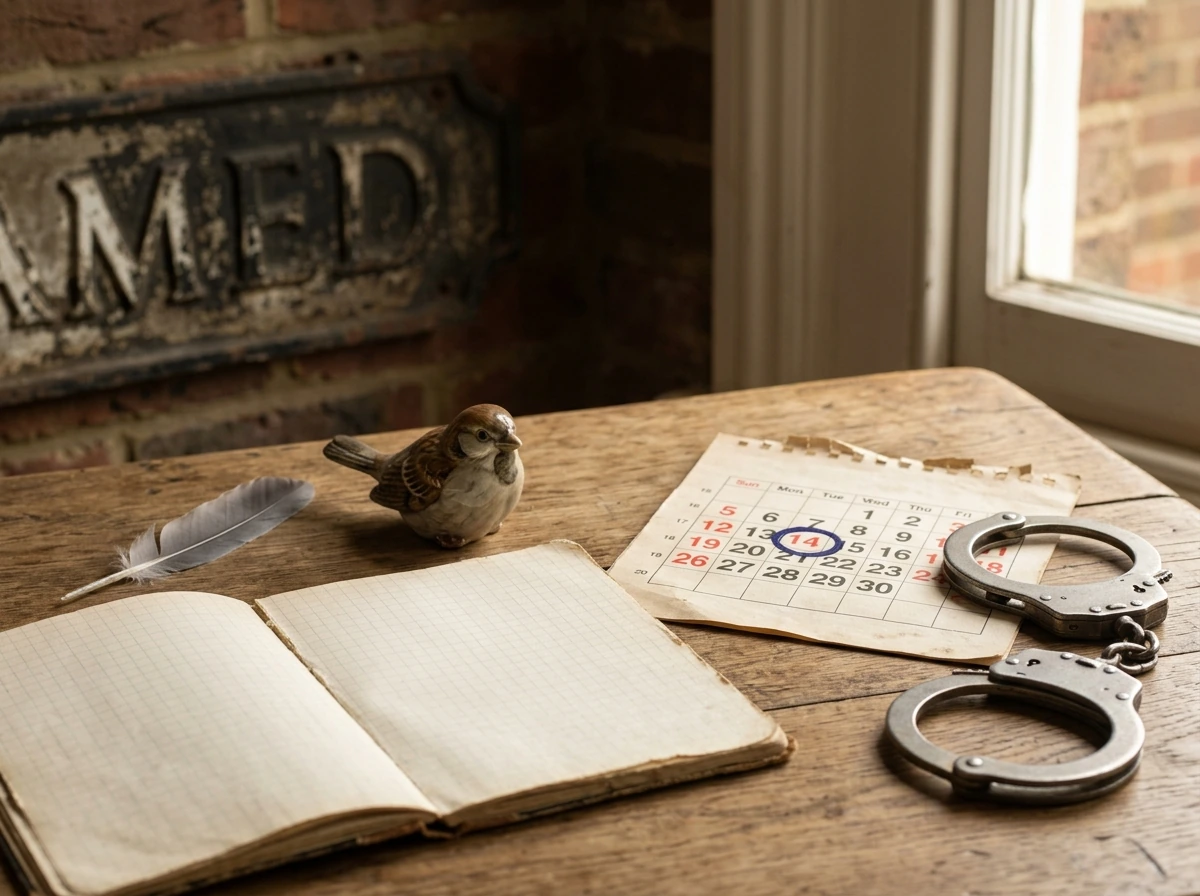
It's worth noting that 'bird' has a separate and distinct slang meaning in British English that has nothing to do with calling someone by the name: 'doing bird' means serving a prison sentence. That comes from Cockney rhyming slang where 'blank" rel="noopener noreferrer">birdlime' rhymes with 'time,' and over time 'bird' became shorthand for prison time on its own. That meaning is entirely about context, and you'd only encounter it if someone were talking about being incarcerated, not in conversation about a person. If you've seen 'what does doing bird mean,' that's the phrase being referenced. The use of 'bird' to describe a person is a completely separate thread. what does bird mean in text
Where it crosses a line is when 'bird' is being used to reduce someone, particularly a woman, to a lightweight or unimportant figure. If the word is being used to talk over you, dismiss your point, or signal that you're not worth taking seriously, that's not teasing and it's not affection. You're right to feel the difference.
How to figure out what they actually meant in your situation
Start with the three questions that cut through most of the ambiguity: Who said it? How did they say it? What was happening right before they said it? Most of the time, those three answers together will tell you everything you need to know.
If you're still genuinely unsure, think about whether this person uses informal or regional slang regularly. If they're someone who calls everyone 'mate' and speaks in casual British idioms, 'bird' is probably just part of their vocabulary and not loaded with any specific intent toward you. If it felt out of character or deliberately pointed, that matters too.
Also trust your gut. If you felt warmth when they said it, there's warmth behind it. If something felt slightly off or uncomfortable, your instincts are probably detecting a dismissive undertone. You don't need to be certain before deciding how to respond, and you can always ask.
What to say back if it confused or bothered you
If you were confused by it and want to understand the intent without making the moment awkward, the easiest approach is just to ask lightly and directly. Something like 'Did you just call me a bird? What'd you mean by that?' keeps it casual and gives them room to explain or laugh it off. Most of the time, if it was affectionate or teasing, they'll be happy to clarify and probably find the question charming.
If it felt dismissive or disrespectful and you want to address it more directly, you can say something like 'I wasn't sure how to take that, are you saying I'm not worth listening to?' or simply 'That felt a bit dismissive, was that what you meant?' This kind of response is calm and specific, which tends to either surface a genuine apology or make the other person reconsider how they spoke to you.
What you don't have to do is immediately assume the worst or immediately dismiss your reaction. Both extremes tend to create more confusion. A clear, relaxed question does the job better than either ignoring it or escalating.
Quick do/don't list for reading bird-related slang
- Do pay attention to tone first, the actual word matters less than how it was delivered
- Do consider the relationship, terms that feel warm from a friend can feel intrusive from a stranger
- Do look at what was said right before and after, that's where the real meaning usually sits
- Do trust your gut reaction, you're usually picking up on something real
- Do ask a simple, direct question if you're unsure, most people will clarify easily
- Don't assume the worst without checking the tone and context first
- Don't assume it's purely affectionate just because it's slang, dismissive slang is still dismissive
- Don't feel obligated to let it go if it genuinely bothered you, a calm question is always fair
- Don't overthink one-off uses from people who clearly use casual regional slang with everyone
- Don't confuse 'doing bird' (serving prison time, a separate Cockney slang meaning) with being called a bird as a nickname, they're completely different uses
Understanding what someone means when they call you a bird really comes down to reading the room. The word itself is flexible enough to carry affection, humor, attraction, or condescension, and the speaker's tone, the relationship you have with them, and what was happening around that moment are what actually determine which one it is. In most cases it's lighthearted, and if it's not, you have every right to say so calmly and find out.
FAQ
Is calling someone a bird always flirtation or romantic?
No. Flirtation is possible mainly when the tone is warm, the person has previously shown interest, and the context feels like a mutual moment. If it was said to shut you down, dismiss your opinion, or after an argument, it is more likely teasing or condescension than romance.
What’s the easiest way to tell playful teasing from an insult?
Look for signs of engagement versus belittling. Playful teasing usually comes with an obvious smile or laughter and focuses on a harmless moment you participated in. An insult tends to sound flat, come with eye-rolling or scorn, and reduce your credibility or worth rather than your behavior.
If a coworker calls me a bird, what should I assume?
Don’t rely on assumptions based on regional slang alone. In a workplace, the safest default is that it may be a nickname, but the intent can shift quickly. If the tone is dismissive or it happens repeatedly, treat it as disrespect and ask for clarification.
Can “bird” be a gendered put-down?
Yes, in some contexts it has been used to stereotype women as lightweight, not serious, or not worth taking seriously. If it is used after you speak up, interrupts you, or is paired with talk that centers on your “importance,” that’s a stronger red flag than teasing about a specific incident.
What if I’m in the US and someone says “bird” to me?
Because “bird” as a casual nickname is less common in US English, hearing it often suggests deliberate British-influenced slang from that person, a specific joke they use, or a one-off comment. Still, tone matters, if it feels off or dismissive, it is worth addressing.
Does it matter whether I heard it directly or someone said it about me?
Yes. If the person spoke directly to you with inclusive body language, it is more likely playful or affectionate. If they were talking to someone else, turned away, sighing, or excluding you from the conversation while using the word, dismissiveness is more likely.
What should I do if I feel unsure in the moment but don’t want a fight?
Use a neutral, curiosity-based check that invites context. For example: “You said ‘bird,’ what did you mean by that?” This keeps it from escalating and often leads to a quick clarification or an adjustment in tone.
If it turns out to be affectionate, could I accidentally make it worse by challenging it?
Potentially. If the person is genuinely being warm, a confrontational response can feel surprising. A good middle ground is a calm, light question first, and only escalate if the same dismissive pattern repeats or they refuse to respect your boundary.
Is “bird” ever used to mean something unrelated to a person?
Yes. In British English there is a separate slang usage tied to “doing bird,” meaning prison time (from rhyming slang). That meaning only applies when the conversation is about incarceration or sentencing, not when discussing someone’s personality.
What’s the fastest clue: who said it, tone, or what happened right before?
The “what happened right before” and the tone are usually the quickest indicators. If it followed a clumsy or surprising moment and came with a grin, it is likely playful. If it followed you making a point, or it was said with a dismissive delivery, tone and the power dynamic matter more than the word itself.
Next Article
What Does Doing Bird Mean? Meanings, Context, and Fixes
Learn what doing bird means in slang, memes, or misheard phrases, plus context checks and how to respond.