When someone searches 'saving a bird meaning,' they're usually asking one of two things: what it means to literally help or rescue a bird they've found injured or in trouble, or what it means symbolically when the phrase shows up in a story, song, poem, or conversation. Most of the time, context makes it obvious which one applies. If you found a hurt bird on your porch, you're in literal territory. If you read the phrase in a novel or heard it in a metaphor, you're almost certainly dealing with symbolism about protection, mercy, or choosing compassion over indifference.
Saving a Bird Meaning: Literal vs Figurative Use

Marcus Reeves
3 Jun 2026
What 'saving a bird' means in everyday speech
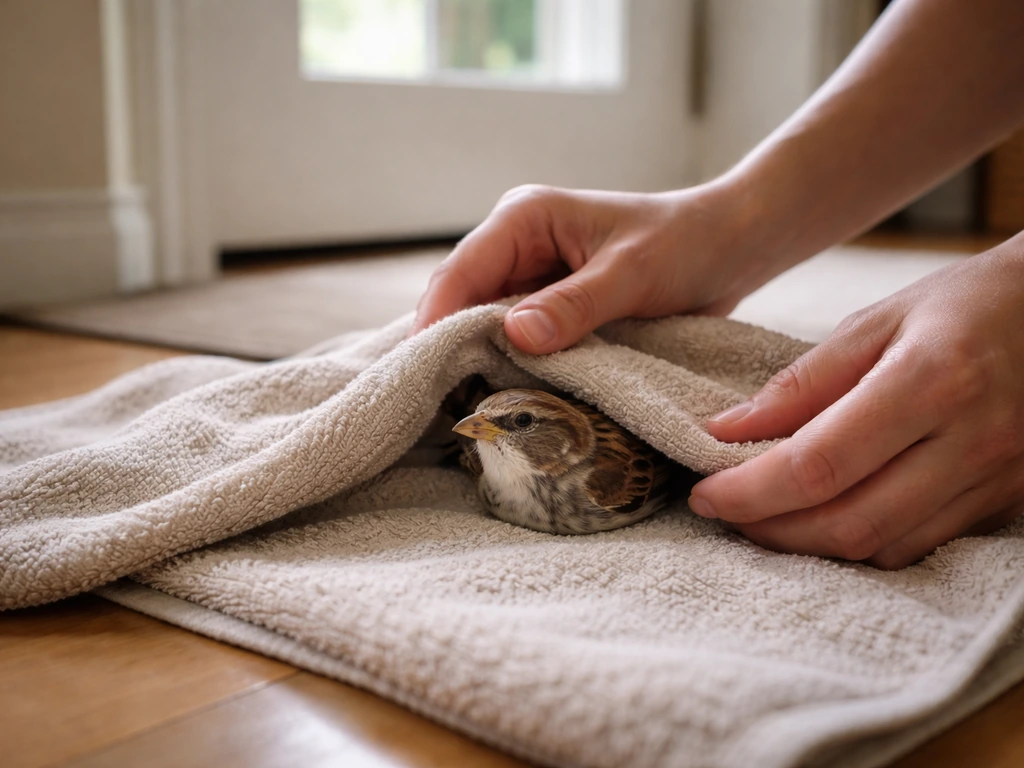
In plain, everyday use, 'saving a bird' just means rescuing one. It could be a stunned bird that flew into a window, a nestling that fell to the ground, or an injured adult with a broken wing. The phrase carries a pretty strong connotation of kindness and intervention on behalf of something small and vulnerable. When people use it casually, there's usually an emotional weight behind it: choosing to stop, help, and take action rather than walk past. That's not an accident. Birds are widely associated with fragility, freedom, and innocence across cultures, so 'saving' one lands with more moral resonance than, say, picking up a piece of trash.
That resonance is why the phrase gets used figuratively so often. It's also why real-world groups adopt it as a banner. The Spokane Audubon Society organized a literal 'Save-A-Bird Team' in 2021 to respond to birds falling from nests during extreme heat. The 'Save a Billion Birds' campaign uses the same language to address glass collision deaths. These aren't metaphors: they're practical efforts. But they still carry symbolic weight because the language of saving a bird signals something virtuous and urgent.
Common idioms and phrases that sound like it
Before you dig into what 'saving a bird' means in a specific sentence, it's worth checking whether you're actually dealing with a different idiom that sounds adjacent. A few common ones trip people up. Merriam-Webster defines the idiom "save the day" and uses it in sentence examples to describe rescuing someone or a situation from trouble or failure.
- 'Save the day': This is a figurative idiom meaning to rescue a situation or person from failure. It has nothing to do with birds, but if someone says 'she saved the day like she was saving a bird,' they're mixing the literal and figurative on purpose for effect.
- 'A bird in the hand is worth two in the bush': A proverb about preferring certainty now over uncertain gains later. Nothing to do with saving or rescue, but the bird framing can cause confusion in some literary passages.
- 'Free as a bird': A phrase about liberation or release, sometimes used alongside saving imagery when a character 'saves' someone who then becomes 'free as a bird.'
- 'To kill a mockingbird' (and mockingbird symbolism generally): In literature, harming or protecting a bird is often used as a moral signal. The opposite of killing an innocent bird is, implicitly, saving one.
If the phrase you encountered is one of these, you're not really dealing with 'saving a bird' at all. Skim the surrounding sentence for bird species names or specific idioms, and you'll usually spot the distinction quickly.
What birds symbolize in literature and culture
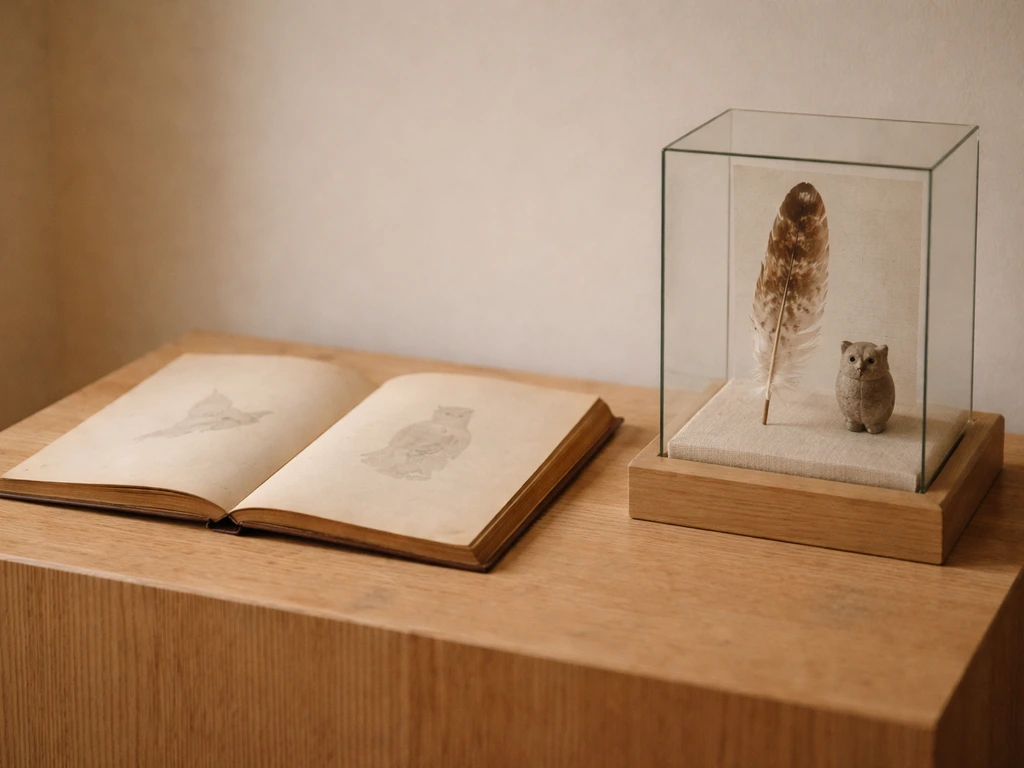
Birds carry more symbolic weight in literature than almost any other animal. Academic research on bird symbolism in literature notes that they hold 'a wider range of meaning and symbol than any other animal,' covering themes like freedom, hope, transformation, innocence, the soul, and omens. That breadth is exactly why 'saving a bird' in a poem or story can mean so many different things depending on context.
When a character saves a bird in fiction or poetry, the act usually signals something about who that character is: they're compassionate, they recognize fragility, they choose life over indifference. Sometimes the bird represents another character's freedom or spirit. Sometimes it's the character's own inner life being protected. In Arabo-Islamic literary traditions, birds are often treated as symbols of the human soul, so 'saving a bird' in that context can carry meanings of spiritual rescue or redemption that go well beyond the physical act.
In pop culture, the symbolism shows up in unexpected places. The My Little Pony episode where Fluttershy tries to save a dying phoenix became a meme precisely because the emotional intensity felt disproportionate to outsiders but made total sense within the show's symbolic logic: the bird was standing in for something much larger about life, loss, and care. A dying bird meaning can also show up as a symbol of an ending, grief, or a warning, depending on the story and context a dying phoenix.
Slang and colloquial uses worth checking
In slang, 'bird' has several meanings depending on region and generation. In British slang, 'bird' often means a woman or girlfriend. In some American slang contexts, it can mean a prison sentence, a gesture (flipping someone off), or even a kilogram of cocaine. 'Saving a bird' in those registers would mean something completely different: saving a relationship, helping someone avoid prison time, or protecting a drug supply.
These slang interpretations are usually obvious from tone and context. If someone texts 'bro I saved a bird today' after spending the afternoon outside, they almost certainly mean they helped an actual bird. If the same phrase shows up in a coded conversation about street dealings or in British dialect where 'bird' clearly means a person, the meaning shifts entirely. Check the register of the conversation: formal or casual, the age and background of the speaker, and whether there are other slang markers nearby.
How to figure out the meaning in your specific sentence
There's a quick diagnostic you can run on any sentence that includes 'saving a bird.' Ask yourself these questions in order.
- Is this from a real-life situation or a text/story? Real life almost always means a literal bird. A story, poem, song lyric, or social media metaphor usually means something symbolic.
- Who is doing the saving, and why does it matter to the narrative? If saving the bird is a character-defining moment or a turning point, it's almost certainly symbolic. If it's just something that happened, it's probably literal.
- What happens after the saving? If the bird flies away and that's the end, it's probably literal. If the bird's survival or death connects to a character's fate, a relationship, or a theme, it's symbolic.
- Are there any slang markers in the surrounding text? Words like 'shorty,' 'ting,' or heavy street-language context suggest a slang use of 'bird.' Clean, descriptive, or naturalistic language points to the literal animal.
- Is a specific bird species mentioned? Species names (sparrow, robin, hawk, dove) lean toward literal. Vague 'a bird' language in emotional writing leans figurative.
- Does the phrase appear alongside other figurative language? Metaphors cluster together. If the paragraph is already using symbolic language, 'saving a bird' fits that pattern.
Running through those questions takes about thirty seconds and will resolve most ambiguous cases. When you're still unsure, the safest bet is to assume the most common meaning for the context: literal for real-world descriptions, figurative for literary or emotional writing.
If it's literal: what saving a bird actually involves
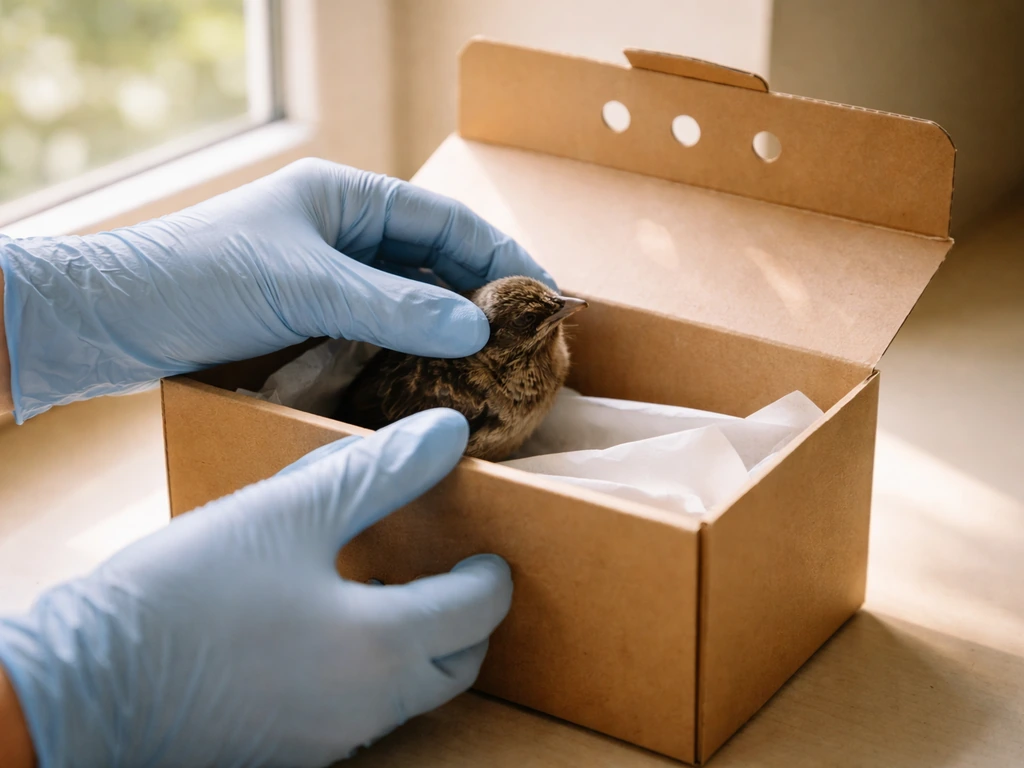
If you've landed here because you actually found a bird and want to help, here's the practical version. The most important thing is to contact a licensed wildlife rehabilitator rather than trying to care for the bird yourself. Mass.gov wildlife rehabilitation guidance says that if an animal needs intervention, you should contact a licensed wildlife rehabilitator, including individuals, veterinarians, or organizations licensed by MassWildlife that volunteer to care for sick or injured wildlife. Rehabilitators are trained (and in most states, licensed) specifically for this. The USFWS does not handle individual injured birds, so don't call a federal wildlife office expecting pickup. Instead, search for a local wildlife rehabilitation center or call your state's wildlife agency.
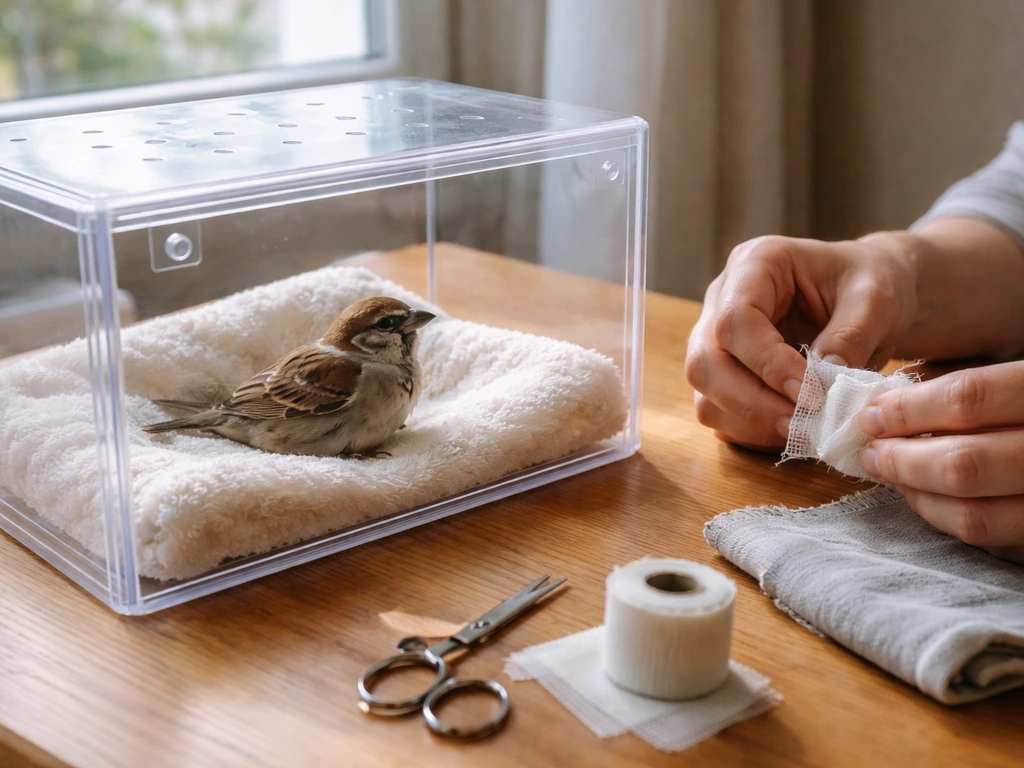
While you're waiting for help or arranging transport, keep the bird somewhere quiet, dark, and warm: a cardboard box with ventilation holes works well. Do not offer food or water. That advice comes directly from Audubon, and it's important because well-meaning feeding can actually cause harm, especially with raptors or nestlings. If the bird is bleeding, has a visibly broken wing, or is struggling to breathe (look for tail bobbing with each breath as a sign of respiratory distress), that's a medical emergency and you should contact a rehabber or avian vet immediately.
For baby birds specifically: if the bird is featherless or mostly bare and has fallen from a nest, try to return it to the nest if you can safely reach it. The old myth that parents abandon young that have been touched by humans is not true. If you can't find or reach the nest, contact a wildlife rehabilitator. Keep in mind that even with expert care, fewer than 50% of baby birds make it to adulthood, so getting professional help quickly matters.
| Situation | What to do | What not to do |
|---|---|---|
| Stunned bird (hit a window) | Place in a quiet, ventilated box; wait and monitor; contact rehabber if not recovered in an hour | Don't give food or water; don't keep it as a pet |
| Fallen nestling (no feathers) | Try to return to nest; if impossible, contact a wildlife rehabilitator | Don't assume parents abandoned it because you touched it |
| Injured adult (bleeding, broken wing) | Contact a wildlife rehabilitator or avian vet immediately; transport carefully in a box | Don't attempt to splint wings yourself; don't offer food |
| Fledgling on the ground (has feathers) | Leave it unless in immediate danger; parents are usually nearby | Don't 'rescue' a healthy fledgling learning to fly |
Related bird-saving idioms and what they imply
Several idioms orbit the same idea as 'saving a bird' without using those exact words. Understanding them helps when you're parsing figurative language in writing or conversation.
- 'Nurse a bird back to health': Implies patient, sustained care rather than a single rescue act. Often used metaphorically to describe slowly rebuilding someone's confidence or recovering a damaged relationship.
- 'Set a bird free': The moment after saving. Symbolically implies letting go of something you love or releasing someone from a constraint. Common in poetry and song lyrics.
- 'Protecting a songbird': In literature, especially post-'To Kill a Mockingbird,' this carries strong connotations of defending innocence against cruelty. The act of protection is a moral stance.
- 'Catching a falling bird': Less common but used in emotional writing to mean intervening before something irreversible happens, often about preventing a person from reaching a point of despair.
- 'Clipping wings vs. saving a bird': These get used as contrasting images in discussions about control versus liberation. Saving a bird implies restoring autonomy; clipping wings implies taking it away.
These related phrases are worth knowing because they often appear alongside or instead of 'saving a bird' in the same symbolic register. If you're reading a poem and trying to interpret a bird-rescue image, these adjacent idioms can help you triangulate what the writer intended. And if you're exploring related territory around birds and harm, themes around dying birds, birds as omens of death, or what it means when an animal kills a bird all connect back to the same symbolic vocabulary: birds as stand-ins for vulnerability, freedom, innocence, and life itself. In particular, people often ask what it means when a cat kills a bird, and how that fits the broader symbolism of harm and vulnerability cat kills bird meaning. In that same symbolic vocabulary, you may also see the phrase “death bird meaning,” which points to interpretations tied to omens, loss, and mortality dying birds. If you're wondering about the dog killed bird meaning, that kind of scene often reflects ideas about violence, instinct, or the loss of innocence in a symbolic way.
FAQ
How can I tell if “saving a bird meaning” in a sentence is literal or figurative? (The context clue checklist).
In most everyday contexts, “saving a bird” is about physical rescue or protection. But there are exceptions where “bird” is slang (for a person, a prison term, or other coded meanings). A simple check is to see whether the sentence describes actions like finding, picking up, feeding, transporting, or finding a nest. If it does, treat it as literal. If it describes emotions, moral choices, healing, or an ending in a story, treat it as figurative.
What should I do if “saving a bird” involves a nestling or baby bird? Should I feed it anyway?
If the bird is an active baby (featherless or mostly bare), the “save it” instinct is understandable, but the safest first move is to try to reunite it with the nest only if you can locate it and keep yourself safe. If the nest is unreachable, the bird is clearly injured, or you cannot see where it came from, contact a wildlife rehabilitator. In many areas, keeping wild birds at home can also create legal issues, even when your intentions are good.
What are the most common mistakes people make when they try to “save a bird” at home?
Do not give food or water unless a rehabilitator explicitly instructs you. Feeding can cause aspiration (choking into the airway), wrong nutrition (especially for species-specific diets), and can worsen injuries. If the bird looks like it is breathing with effort (for example, visible tail bobbing), bleeding heavily, or has a broken wing, you should prioritize emergency transfer and skip any feeding attempts.
Is it ever safe to wait before contacting a wildlife rehabilitator after finding a bird?
If you find a bird on your property, you are not expected to “wait it out” in most cases. Even if it seems temporarily stunned, it can have concussion, internal injuries, or overheating issues. The more urgent it looks (unable to fly, repeatedly hitting objects, heavy bleeding, labored breathing), the faster you should contact a licensed wildlife rehabilitator or avian vet.
What if the bird I found looks like a raptor or seems hard to handle safely?
Yes, some injuries and species require extra caution. Raptors and other protected birds may be handled only by trained professionals because improper handling can cause further harm and can also increase legal risk. If the bird is large, aggressive, or appears to be a raptor, limit handling to minimum rescue steps (for example, moving it away from danger only if safe) and focus on contacting a rehabber immediately.
How should I transport a bird I’m trying to save, so I don’t make things worse?
A key detail is transport: keep the bird contained in a ventilated cardboard box or similar container so it stays calm, warm, and dark. Avoid tight cages, let it settle rather than forcing movement, and keep noise and light low during transport. Also, wash your hands after handling, since wild birds can carry pathogens.
In fiction or poetry, what does a character “saving a bird” usually symbolize?
When “saving a bird” appears in writing, it is often tied to themes like compassion, recognition of vulnerability, mercy, or spiritual or emotional rescue. If the scene shows the bird representing freedom or a character’s spirit, look for how the character behaves before and after the rescue, that shift is usually the point of the metaphor.
Could “saving a bird” be slang, and how do I avoid misunderstanding it?
If you suspect the phrase is slang, focus on surrounding cues. For example, if “bird” is being used alongside references to time spent incarcerated, avoiding charges, or other non-physical actions, the meaning may not be literal. If you are reading in a British context, “bird” can mean a woman or girlfriend, so “saving a bird” could mean saving a relationship rather than rescuing an animal.
What should I do if I can’t reach a wildlife rehabilitator right away?
If you cannot find a local rehabilitator quickly, contact your state wildlife agency for guidance on next steps and permitted options. Avoid calling federal offices expecting direct pickup, since they typically do not manage individual injured bird intake. Meanwhile, provide only safe containment (quiet, dark, warm, ventilated container) and keep monitoring for worsening symptoms.
Does the symbolism change if the bird cannot be saved in the story?
Even when “saving a bird” is meant figuratively, the “bird” image can change the emotional weight. A rescue framed as urgent care and protection tends to signal hope or moral growth, while a rescue that fails can shift the meaning toward grief, sacrifice, or a warning about indifference. Look for whether the bird survives and what the narrator or characters conclude afterward.
Next Article
Death Bird Meaning: Omen, Dreams, and Symbolism Guide
Learn death bird meaning in phrases, dreams, and folklore, plus how to read specific birds like ravens, owls, vultures.