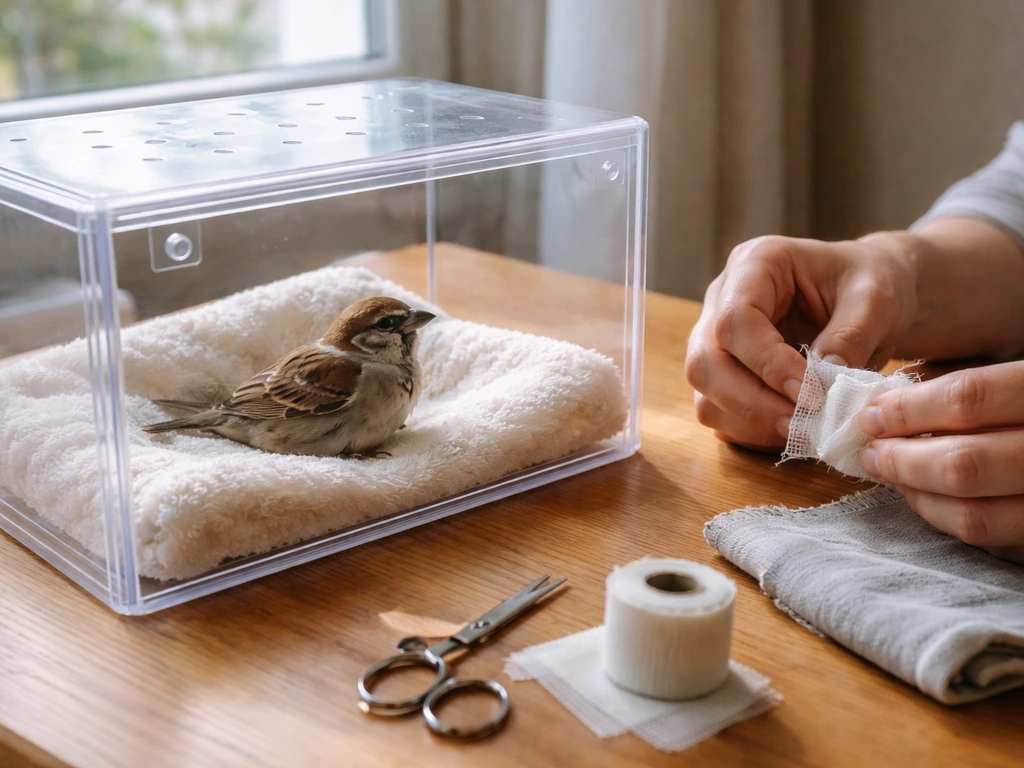
When someone says 'cat kills bird' or 'my cat killed a bird,' they almost always mean something literal: a domestic cat hunted and killed a real bird. That said, people also search this phrase looking for symbolic meaning, a moral lesson, or language to use in writing. This article covers both angles, and if you're dealing with an actual bird right now, scroll straight to the steps below.
Cat Kills Bird Meaning: Real-Life Steps and Figurative Answers

Marcus Reeves
4 Jun 2026
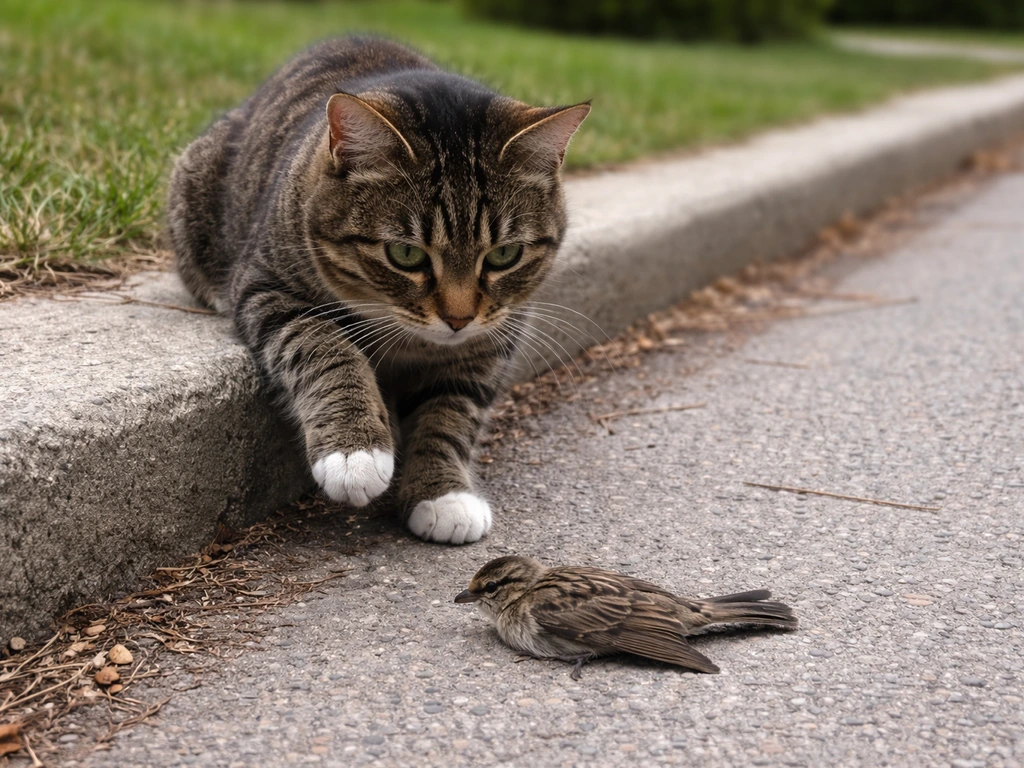
Literal vs. figurative: what 'cat kills bird' usually means
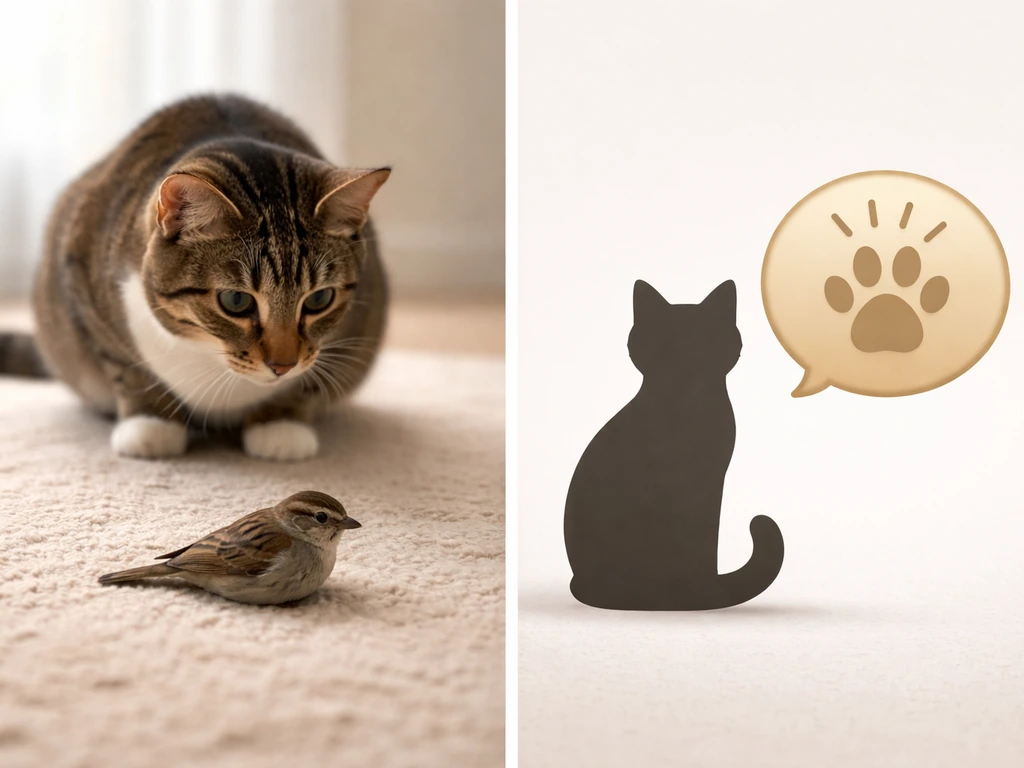
The most common reason someone searches this phrase is that their cat just killed a bird and they want to know what to do. The phrasing matters a little: 'cat kills bird' as a general statement describes what cats do as a species (and they do it a lot, with estimates of billions of birds killed annually in the U.S. alone). 'My cat killed a bird' shifts to a specific event, a particular cat and a particular bird, and usually means someone is looking for help right now.
The figurative angle is real too. In English idiom, 'throw the cat among the pigeons' uses the exact same predator-prey image to describe a disruptive person causing chaos in a group. The underlying imagery, a cat hunting birds, has been used across art, literature, and everyday expression to mean sudden threat, vulnerability, or a power imbalance playing out in real time. Writers often reach for the cat-and-bird dynamic precisely because it captures something primal: the fragile thing meets the efficient hunter.
So if you're a writer or student trying to decode a 'cat kills bird' moment in a story, it typically signals vulnerability, innocence interrupted, or a predator asserting power. It rarely means something mystical unless the text is deliberately building that frame. If you've seen similar searches around dying bird meaning or death bird meaning, those tend to lean more into omen and symbolism territory, whereas cat-kills-bird skews toward the predation dynamic.
Why cats kill birds in the first place
Cats are obligate predators with deeply hardwired hunting instincts, and that instinct doesn't switch off just because they're fed twice a day. Domestic cats hunt opportunistically and seasonally, with bird predation tending to spike when seasonal prey is more available, like during fledgling season in spring and early summer. A well-fed cat killing a bird isn't being mean or defiant; it's just doing what cats do. Citizen science studies tracking hunting behavior found birds consistently among the prey brought home by pet cats, alongside small mammals and reptiles.
Outdoor and free-roaming cats are the main risk. The more time a cat spends outside unsupervised, the more likely it is to make kills. Feral cats compound the problem at a population level, but even a single pet cat with outdoor access can be a persistent local predator. That's the ecological reality behind phrases like 'cat kills bird,' and it's why wildlife organizations have put so much effort into studying how to reduce it.
What to do right now if you find an injured or killed bird
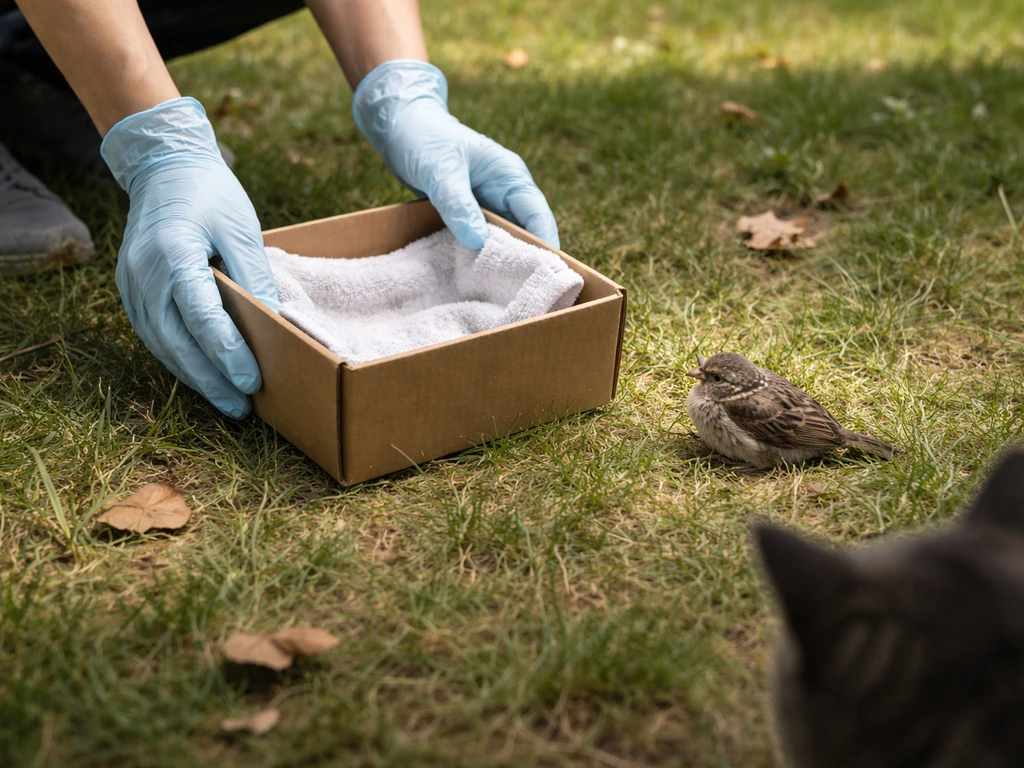
If you've found a bird that was attacked by a cat and it's still alive, move quickly but calmly. Cat bites and scratches are dangerous for birds even when they look minor, because bacteria from a cat's mouth can cause fatal infection within hours. Here's what to do:
- Do not pick the bird up with bare hands. Cover it gently with a light cloth or use gloves, then place it carefully into a cardboard box with air holes punched in the lid.
- Put the box somewhere quiet, dark, and warm. Darkness reduces stress, which can kill a bird as fast as injury can.
- Do not give it food or water. This is a common instinct but it can actually make things worse. Leave feeding and hydration to a professional unless a rehabilitator explicitly tells you otherwise.
- Call a licensed wildlife rehabilitator immediately. In the U.S., the National Wildlife Rehabilitators Association (NWRA) has a directory to help you find the nearest one. Audubon also maintains resources for locating help. Time matters with cat attacks.
- In the UK, contact the RSPCA. They also advise against handling sick or dead birds due to disease risks like avian flu, so if the bird appears to be dead, do not touch it. Report dead birds to Defra through their online system.
If the bird is clearly dead, you still want to be careful. In the U.S., many wild birds are protected under the Migratory Bird Treaty Act, which means handling, transporting, or possessing them (even a dead one) without authorization is technically unlawful. In the U.S., the Migratory Bird Treaty Act protects many migratory birds and makes it unlawful to “pursue, hunt, take, capture, kill,” which is why authorized permit holders and wildlife rehab centers handle birds rather than the public. The practical takeaway: don't take a dead wild bird inside or bury it ceremonially. Report it or leave it, depending on your local guidance.
Look for these signs that a bird genuinely needs help: visible bleeding, a broken or drooping wing, inability to stand, shivering, or obvious disorientation. If a bird is just sitting quietly on the ground after an attack with none of those signs, it may be in shock. Box it gently and call a rehabilitator anyway, because cat-attack birds almost always need professional treatment even when they look okay on the outside.
How to stop your cat from hunting birds
If your cat has killed a bird once, it will almost certainly do it again. The good news is there are practical, well-studied interventions that actually work. Here's a comparison of the main options:
| Prevention Method | How It Works | Effectiveness | Best For |
|---|---|---|---|
| Keep cat fully indoors | Eliminates outdoor hunting entirely | Highest (near 100% reduction) | Cats that adapt well to indoor life |
| Catio (enclosed outdoor enclosure) | Cat gets outdoor time without roaming free | Very high | Cats that need outdoor enrichment |
| Bell collar | Warns birds of approaching cat | Moderate (roughly 50% reduction in some studies) | Cats that tolerate collars |
| CatBib pounce protector | Physical bib that disrupts pounce timing | High (significant reduction in birds caught, especially combined with a bell) | Cats that hunt by stalking |
| Supervised outdoor time only | Owner present limits unsupervised hunting | High when consistent | Owners able to monitor actively |
The single most effective step is keeping your cat indoors or in an enclosed catio. Research consistently shows that free-roaming is the primary driver of predation. Collar-mounted devices like bells or the CatBib do measurably reduce hunting success, but they're not foolproof and depend on the individual cat. A combination approach, for example a catio plus a belled collar for times the cat does go out, gives you the best protection for local wildlife.
What to tell kids and writers about cat-kills-bird moments

If a child witnesses their cat killing a bird, the most useful thing you can do is frame it honestly without catastrophizing. Cats hunt because that's what they're built to do; it isn't cruelty, and it doesn't make the cat bad. The bird's death matters, and it's okay to feel sad about it. The lesson that lands well for kids is about responsibility: we chose to have a pet cat, so we're responsible for the effect it has on the animals around us. That's what leads to a conversation about keeping cats indoors or using a catio, which is a much more productive outcome than guilt or confusion.
For writers, the cat-kills-bird image is one of the clearest ways to show predator-prey dynamics, power imbalances, or the interruption of innocence without spelling it out. It works in children's literature as a nature-reality moment, in literary fiction as a metaphor for sudden loss or vulnerability, and in thriller or mystery writing as a quiet signal that danger is present. The bird in these contexts tends to carry the same symbolic weight it does in broader bird symbolism: freedom, fragility, voice, the soul. When the cat takes the bird, it's ending something that couldn't defend itself. If you're working through similar themes, the symbolism around a dying bird or a saved bird can add layers depending on what you want the moment to mean. If you're wondering about death bird meaning, it's often tied to symbolism like loss or vulnerability rather than a literal sign dying bird.
One thing worth separating out: 'cat kills bird' doesn't typically carry omen or superstition meaning the way finding a dead bird on your doorstep might in some cultural traditions. If you are trying to interpret the moment as part of dying bird meaning or omen symbolism, the safest approach is still to focus on what actually happened and whether the bird needs help. It's generally read as predation, either literal or metaphorical, not as a sign or message from beyond. If you're looking for spiritual interpretation, you're more likely to find that in the bird species itself (a raven, a dove, a sparrow) than in the act of a cat hunting it.
When to contact wildlife rehab or local authorities
Contact a wildlife rehabilitator any time a bird has been in contact with a cat, even if it looks uninjured. This is the consistent advice from Best Friends Animal Society, Audubon, and the Tufts Veterinary Wildlife Clinic. Cat bacteria are that serious.
Contact animal control or local authorities if you're dealing with a stray or feral cat that is regularly killing birds in your yard and you can't remove it safely yourself. In the UK, report dead wild birds to Defra and contact your local council about dead animals on public land. In the UK, you can report a dead animal to your local council using the GOV.UK guidance report dead animals to your local council. In the U.S., your local animal control office handles stray and feral cat situations, and your state wildlife agency may have specific guidance for protected species.
- Bird attacked by cat but still alive: call a wildlife rehabilitator immediately, box the bird in the meantime
- Bird appears dead after a cat attack: in the U.S., do not handle it if it's a migratory species; in the UK, do not touch it and report to Defra
- Feral or stray cat repeatedly attacking birds: contact local animal control
- Your own cat keeps hunting: implement indoor or catio solution now, add a belled collar as a short-term measure
- Unsure if the bird needs help: call a rehabilitator and describe what you're seeing; they can walk you through it
The NWRA directory (searchable by location) and your local Audubon chapter are the fastest ways to find qualified help in the U.S. Don't wait to see if the bird 'gets better on its own' after a cat attack. It almost never does without treatment, and every hour counts.
FAQ
Should I try to scare my cat off if I catch it with a bird in its mouth?
Yes, intervene right away, but do not grab the bird or your cat bare-handed. Use a barrier, make a loud noise, or gently separate them with a towel or a long object. Afterward, contact a wildlife rehabilitator if the bird is alive, because cat mouth bacteria can cause rapid illness even when wounds look small.
Is it safe to put the bird back outside after a cat attack?
Usually no. Even if the bird looks alert, it may have internal injuries, shock, or an infection starting from bite exposure. Place it in a secure box for warmth and quiet and contact a wildlife rehabilitator, or follow your local wildlife guidance for next steps.
What should I do if the bird was already dead, but I’m unsure if it’s a protected species?
Avoid handling, transporting, or burying it yourself. In many places, wild birds are protected whether you know the species or not. The safest option is to report it or follow local guidance on disposal and reporting, especially if it happened in your yard or near a nest.
Can I use a bell or CatBib alone, or do I need a catio too?
Devices help but are not fully reliable. Bells can reduce success, yet some cats learn to hunt without triggering them, and effectiveness varies by cat behavior and local conditions. A catio or keeping your cat indoors is the strongest baseline, and accessories are best treated as an extra layer.
Do hunting-reduction collars work if my cat only goes out at certain times?
They can, but you should match protection to risk periods. Bird predation often rises around fledgling season and when prey is easier to catch. If your cat goes out mostly during early morning or early evening, consider that timing when deciding when to use outdoor access and enrichment.
Will feeding my cat more or switching diets stop hunting?
Typically no. Cats remain instinct-driven hunters even when well-fed, and overeating does not reliably reduce predation. The most dependable strategy is limiting unsupervised outdoor time, plus habitat changes like a catio, because hunger is not the only driver.
What if I have a barn or property with working cats, do the same rules apply?
The risk is lower with well-managed, indoor-only work settings, but outdoor working cats still contribute to bird mortality. If birds are frequently taken, coordinate with local wildlife organizations or a veterinarian for a practical management plan, which may include supervised hunting times, secure housing, or relocating cats to reduce impact.
If a child saw the cat kill a bird, how can I prevent fear or guilt from taking over the conversation?
Keep it factual and brief, then pivot to responsibility and prevention. Validate sadness about the bird, explain that hunting is a cat instinct, and focus on what humans can control (keeping the cat indoors or using a catio). Avoid blaming the child or making it sound like the cat is “bad,” because that can cause confusion and unsafe future behavior.
For writing, does 'cat kills bird' always imply a predator-prey moment, or can it carry omen meaning?
In most everyday interpretation, it reads as predation, not a supernatural message. If you want omen or spiritual meaning, you usually need deliberate context (cultural framing, repeated signs, or character beliefs). Otherwise readers will interpret it as a sudden threat or vulnerability in the moment.
What if I’m using this phrase as metaphor, is it considered too graphic for children’s stories?
It can be, depending on presentation. To keep it age-appropriate, focus on the emotional and observational aspects (something fragile is lost, a threat appears) rather than detailed injury. Pair it with a clear takeaway about caring for animals and keeping cats indoors.
When should I contact animal control or authorities instead of just a rehabilitator?
Contact them if the cat is stray or feral and you cannot safely remove it, or if killings are frequent and ongoing. Rehabilitators handle the injured wildlife, while animal control can address the recurring predator. If you suspect protected species are involved or the situation is escalating, authorities can also advise on local legal requirements.
Next Article
Saving a Bird Meaning: Literal vs Figurative Use
Understand saving a bird meaning: literal rescue vs figurative kindness, with sentence clues and safe interpretation tip