When someone says or writes 'dying bird,' it can mean exactly what it sounds like (a real bird that's near death) or something more metaphorical: loss, an ending, vulnerability, a warning, or a slow decline. Which one applies depends almost entirely on context. If you found the phrase in a poem, song, or social-media caption, it's almost certainly being used as a symbol. If someone texted you about a bird they found on their porch, they mean a literal animal that needs help. Both uses are genuinely common, and this guide will help you figure out which one you're dealing with and what to do next.
Dying Bird Meaning: Literal vs Symbolic Interpretations

Marcus Reeves
5 May 2026
What people mean by 'dying bird' in everyday language
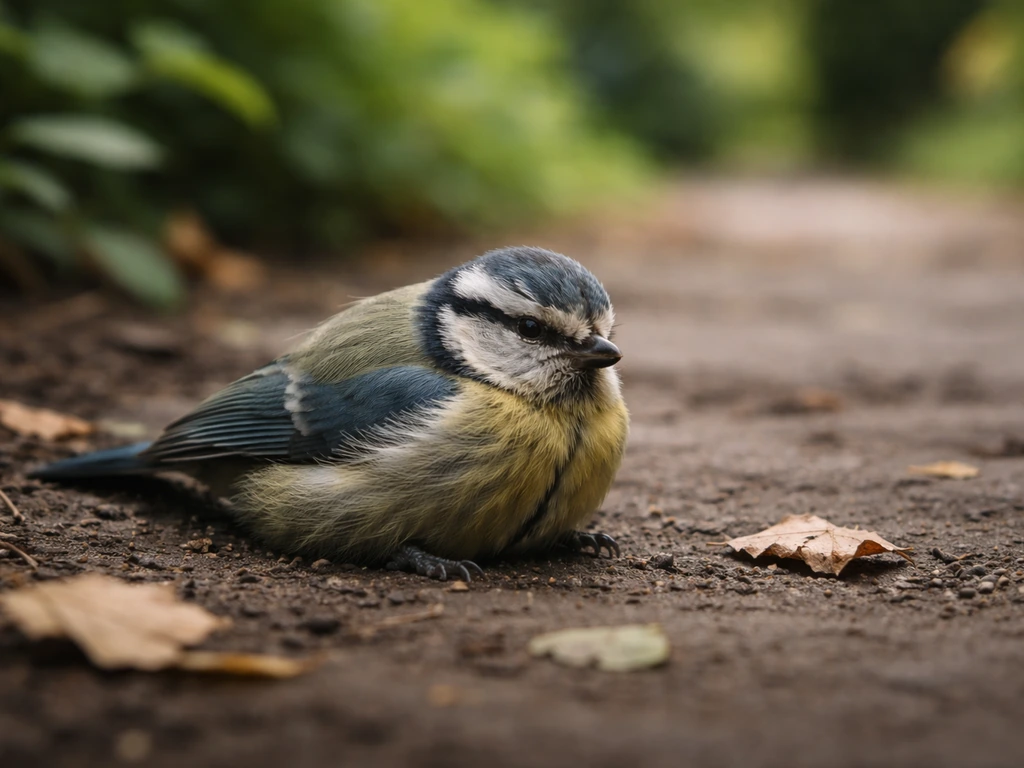
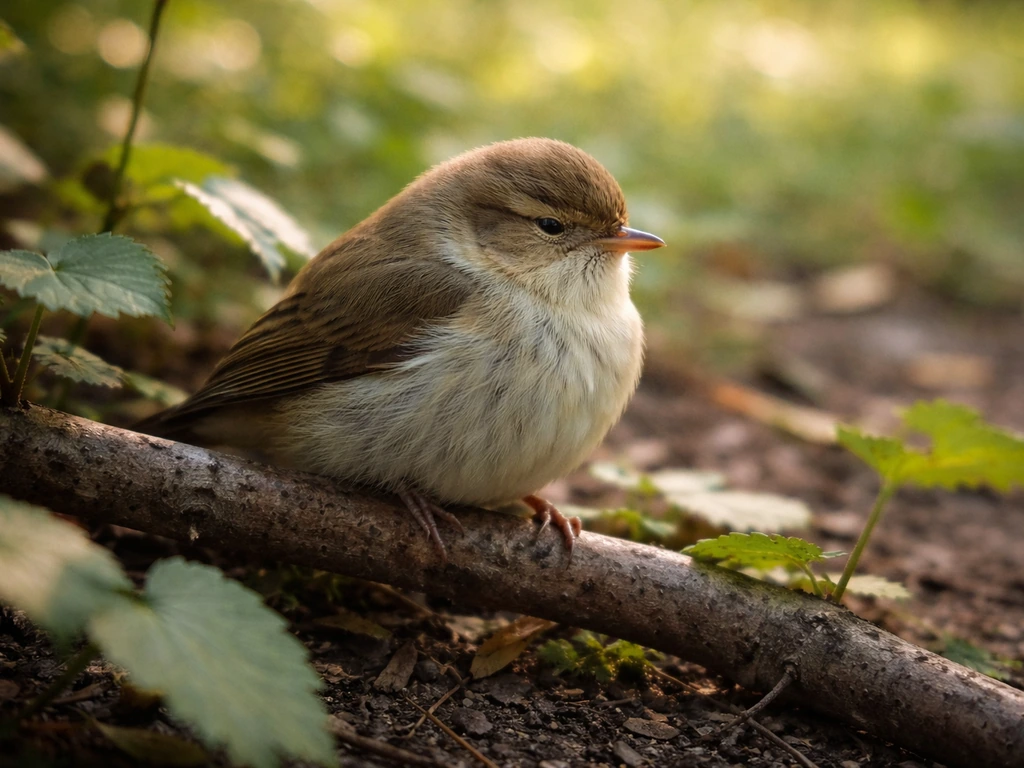
In plain everyday English, a 'dying bird' just means a bird that is in the process of dying. You might hear it in a sentence like 'I found a dying bird in the backyard' or 'the cat dragged in a dying bird.' The phrase captures an ongoing, present-tense state, which is part of why it carries emotional weight even in a purely literal context. It's not 'a dead bird' (already over) and it's not 'a sick bird' (vague). The specificity of 'dying' creates a sense of urgency and irreversibility.
That emotional charge is also exactly why writers and speakers reach for the phrase metaphorically. The image of something still alive but fading is universally legible. You don't need a literature degree to feel something when you picture it. That crossover between literal and figurative is what makes 'dying bird' show up everywhere from Romantic poetry to modern pop lyrics.
The symbolic meanings most people attach to a dying bird
There's no single fixed meaning, and any source that tells you 'a dying bird always means X' is oversimplifying. Bird symbolism is culturally variable and context-driven. That said, a handful of themes come up again and again when writers and speakers use dying bird imagery deliberately.
- Loss and grief: The bird stands in for something precious and fragile that can't be saved. This is one of the most common readings in lyric poetry.
- Endings and inevitability: A dying bird signals that something is winding down, a relationship, an era, a hope. The focus is on the transition itself, not just the loss.
- Vulnerability and suffering: The image evokes tenderness and empathy. A creature small and helpless in decline asks the reader to feel something.
- Warning or omen: In some folk traditions and in modern pop-culture usage, a dying bird functions as a sign of impending disaster or a warning the speaker failed to heed.
- Transformation and release: In more spiritually oriented writing, death is framed as passage, not erasure. The dying bird moves from one state to another, which can feel hopeful rather than tragic.
- Failure and decline: In political writing, commentary, and conversation, 'dying bird' or similar phrasing describes an institution, movement, or idea that has lost its vitality.
These meanings aren't mutually exclusive. A single poem can hold grief and transformation at once. What matters is reading the surrounding text for which thread the writer is pulling on most.
How 'dying bird' shows up in poems, songs, and quotes
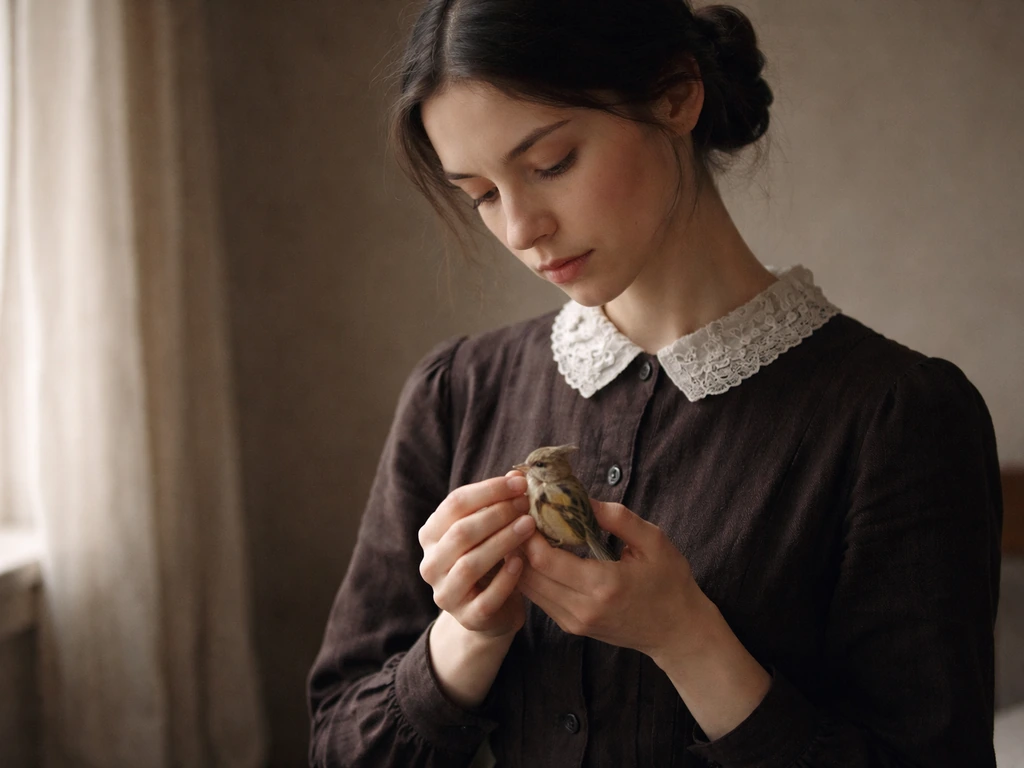
Emily Dickinson's poem 'Bird' is one of the most referenced examples of dying bird imagery in English poetry. In it, the speaker holds a bird gently and knows it is dying, framing death as quiet and inevitable rather than dramatic. The emotional tone is tender grief, but the poem also gestures toward release, with imagery of 'starry branches' suggesting transition rather than pure loss. It's a good model for how literary dying bird scenes work: the physicality of the dying creature grounds the reader while the surrounding images carry the symbolic weight.
David R. Slavitt's poem simply titled 'Dying Bird,' published by the Poetry Foundation, uses the phrase as its direct subject matter, showing that 'dying bird' can anchor a piece rather than function as a fleeting image. In lyric contexts like these, the dying bird is usually the emotional center of the work, not background detail.
In pop music, the phrase takes on a more narrative function. Lost Frequencies' 'Dying Bird' uses the image to evoke warning signs of impending disaster, a reading more about foreboding than grief. That's a notably different register from Dickinson, and it shows how much genre and audience shape interpretation. In a pop song, 'dying bird' is likely a dramatic metaphor for a relationship or situation falling apart. In a 19th-century lyric poem, it's more likely about mortality itself.
Translation adds another layer. When Antoine de Saint-Exupéry writes 'un oiseau qui meurt' in The Little Prince, English translators render it as 'a dying bird,' using the present-process sense of dying rather than a static description. That phrasing choice preserves the active, ongoing feeling of the original French and shows how even the grammar of 'dying bird' carries meaning.
How context changes everything
The single most useful thing you can do when you encounter 'dying bird' in the wild is ask: where did I find this? The platform, genre, and tone of the surrounding text will answer almost every interpretive question before you need to dig deeper.
| Where you found it | Most likely meaning | What to look for |
|---|---|---|
| A poem or song lyric | Metaphor: grief, loss, warning, or transition | Surrounding imagery, emotional tone, what else is 'dying' in the piece |
| A social-media post or text message | Could be either; check for injury details | Mentions of blood, broken wing, not flying, or location found |
| A news headline or op-ed | Metaphor for decline or failure | What institution or idea the writer is comparing to the bird |
| A novel or short story | Narrative device; depends on the scene's function | Is this a setup for a character's grief, or a plot-level warning sign? |
| Everyday conversation | Usually literal unless tone is clearly figurative | Is the speaker describing an actual event or expressing a feeling? |
Tone matters just as much as platform. A sentence like 'I watched the dying bird and knew everything was over' is using the bird as an emotional anchor for a larger feeling. If you are wondering about the death bird meaning in a specific quote or song, start by checking whether it sounds literal or metaphorical. A sentence like 'there's a dying bird by the mailbox, what do I do?' is entirely literal and calls for practical action, not symbolic interpretation.
It's also worth noting that some contemporary creative work deliberately resists symbolic certainty. Some artists have explicitly framed the dying bird as 'not a sign, not a warning' precisely to push back against the instinct to make meaning out of every encounter with animal death. If the piece you're reading feels like it's arguing against easy symbolism, that argument is the meaning.
Related bird expressions that often get confused with this one
A few related phrases and images come up in similar contexts, and it helps to know how they differ from 'dying bird' in meaning and use.
- 'Death bird' or 'bird of death': This usually refers to a specific type of bird (like an owl or raven) that is culturally associated with death as an omen or messenger, rather than a bird in the act of dying. The emphasis is on the species as a symbol, not the process of dying.
- 'Saving a bird': When the focus shifts to rescue or intervention, the meaning changes from loss to agency. 'Saving a bird' imagery often carries themes of redemption, responsibility, or second chances.
- 'A cat kills a bird' or 'a dog killed a bird': These frame the bird's death as caused by another creature, which often shifts the symbolic focus to predation, guilt, natural cruelty, or disrupted innocence rather than quiet decline.
- 'Fallen bird': Implies the bird has already died or been brought down, often used to signal defeat or the end of something grand.
- 'Broken wing': Used more often to signal injury and incomplete potential rather than death itself, often metaphorically for a person who has been damaged but hasn't yet reached an ending.
The key distinction between 'dying bird' and most of these is the active, present-tense quality of dying. It's not dead, not killed, not fallen. It's in process. When a cat kills a bird, the phrase may show up in stories as a literal animal situation, which can affect what the reader should understand by it cat kills bird meaning. That ongoing-ness is what makes the phrase feel urgent in both literal and metaphorical contexts.
How to interpret the specific 'dying bird' you found
Here's a practical decision path you can run through right now. Saving a bird meaning can also show up in figurative language, where it stands for care, rescue, or a turning point.
- Identify the source. Is this from a creative work (poem, song, novel, film) or from real life (conversation, social-media post, news)?
- If it's a creative work: look at what surrounds the phrase. Is the bird the emotional center of the piece, or a brief image? What other imagery is present? Loss, star imagery, and tenderness point toward grief/transition readings. Warning language, disaster imagery, or countdown language points toward an omen/foreboding reading.
- If it's real life: look for physical details. If the person describing it mentions bleeding, a broken wing, an inability to fly, or the bird being on the ground and unresponsive, treat it as literal and act accordingly (see below).
- Check the emotional tone of the speaker or writer. Grief and reflection suggest the dying bird is being used to process something personal. Alarm or urgency suggests a literal situation or a warning metaphor.
- If you're still unsure, default to the context of the source. Literary sources almost always use bird imagery symbolically. Everyday communication almost always describes real events unless the phrasing is obviously poetic.
- If the piece seems to be deliberately resisting a single symbolic reading, trust that resistance. The ambiguity itself may be the point.
If the dying bird is real and needs help
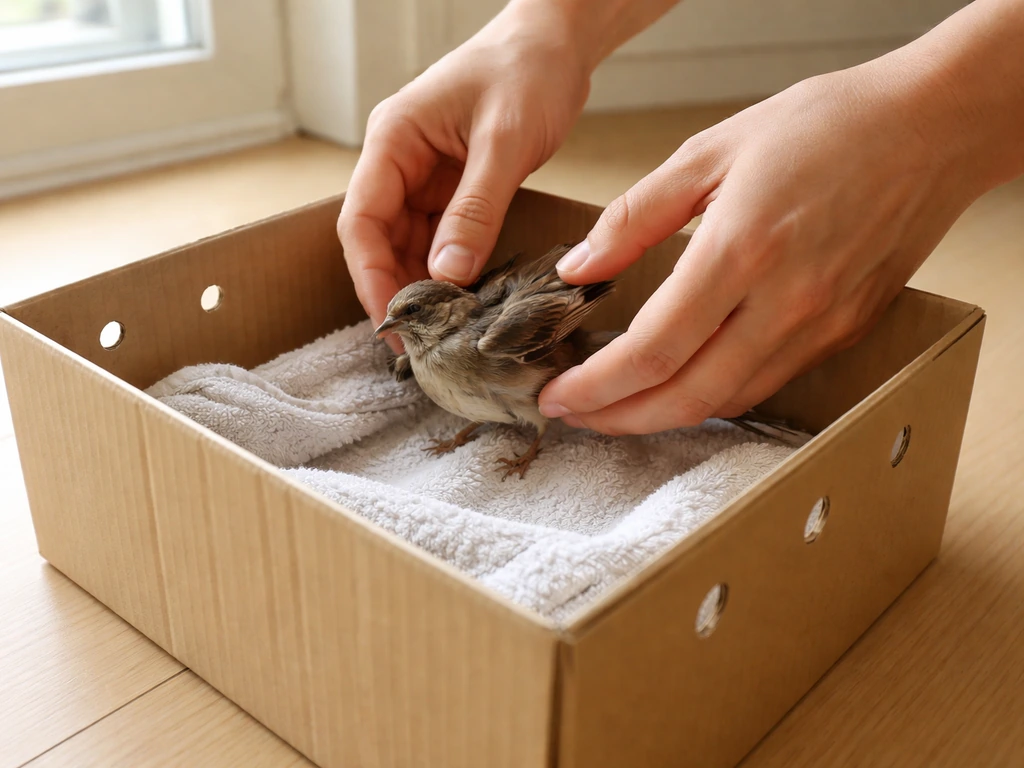
If you're dealing with a literal dying or injured bird and landed here looking for practical guidance, here's what to do. Do not offer food or water. Place the bird in blank" rel="noopener noreferrer">a cardboard box with air holes, lined with something soft, and keep it in a warm, quiet, dark place. Limit handling as much as possible since stress accelerates decline in injured birds. Then contact a licensed wildlife rehabilitator in your area. If you find an injured bird, blank" rel="noopener noreferrer">place it somewhere quiet and call a local wildlife rehabilitator for proper next steps and handling guidance. In the United States, possessing a wild bird without a permit is illegal under the Migratory Bird Treaty Act, so getting the bird to a professional isn't just the kindest option, it's the legally correct one. Your local Audubon Society chapter, a wildlife rescue hotline, or a quick search for 'wildlife rehabilitator near me' will get you to the right resource fast.
FAQ
How can I tell if “dying bird” is literal or metaphorical in a caption or lyric?
If you found “dying bird” in a caption, poem, or song lyric, treat it as symbolic unless the text also includes actionable details (where it was found, what condition it’s in, and what the speaker did). As a quick check, literal situations usually mention physical location and immediate steps, while symbolism often focuses on emotion, warning, or transition.
What if someone tells me “dying bird” but it’s unclear what they mean?
If someone says the phrase to you as reassurance or comfort, it can be either, but you should favor their specific intent: ask what they meant by the message. One practical wording is, “Do you mean a real bird is in trouble, or is this about what you’re feeling?” That avoids misreading a figurative text as an emergency.
Does “dying bird” imply something is happening now, or could it be about a future fear?
In many literary or pop contexts, “dying bird” is used to signal an ending that is already happening, not an ending that might occur later. Look for nearby words like “already,” “watched,” “knew,” or time markers, because they often indicate present-process decline rather than a purely future threat.
Can “dying bird” mean “don’t read into it,” or is it always a warning?
The phrase can be a sign of vulnerability, but it can also be deliberately about refusal of interpretation. If the surrounding lines talk about “not a sign” or “not a warning,” the intended meaning may be “don’t assign prophecy to this,” even though readers still feel the emotional pull.
What clues in the wording suggest grief versus warning themes?
Watch whether the bird is described as being “held,” “gently,” or “quiet,” those cues often point to tender grief or release themes. If instead it’s tied to disruption, catastrophe, or urgency, it’s more likely to function as a warning metaphor.
Why do translations of “dying bird” sometimes feel more emotional or urgent than the original?
If the source is a translation, grammar can shift the feel. English “dying” emphasizes an ongoing process, so even if the original language is more generic, translators may choose “dying bird” to preserve movement toward death, which can make the image feel more active and immediate.
Can “dying bird meaning” be both literal and symbolic at the same time?
Yes, and it’s common. A single passage can use dying bird imagery both for the physical reality of loss and for a transformation meaning, such as acceptance or change. Instead of searching for one “correct” interpretation, identify which surrounding sentence carries the main emotional payoff.
What should I do if I’m not sure whether the bird is dying, injured, or stunned?
If you’re dealing with a bird on the ground, assume it may be injured or close to collapse, even if it could possibly be sick rather than “dying.” Avoid giving food or water, because choking and aspiration are risks, then focus on warmth and minimal stress while you contact a licensed wildlife rehabilitator.
Does the advice change if the “dying bird” might be a young fledgling?
If the bird appears to be a fledgling, it might look like it’s failing when it’s actually trying to rest or recover. In that case, you still avoid handling unless it’s in immediate danger, such as traffic or predation, and contact a rehabilitator if you’re uncertain about whether it should be left alone or relocated to safety.
What are the most common mistakes people make when they find a dying or injured bird?
Common mistakes include feeding, giving water, trying to “comfort” it by holding it for long periods, and keeping it in bright or warm conditions that overheat it. Another mistake is delaying help by trying to nurse it yourself instead of contacting a rehabilitator quickly, since stress and temperature swings can accelerate decline.
How should I respond if I find someone else handling a wild bird?
If someone nearby is holding a wild bird, politely ask them to stop handling it unless they’re in contact with a wildlife professional. You can still help by calling the rehabilitator, setting up a box with air holes, and keeping the area quiet until help arrives.
Next Article
Thirst Reckoned Bird North Meaning Explained and Decoded
Decode the riddle phrase thirst reckoned bird north meaning: idioms, symbolism, and direction clues to find likely inten