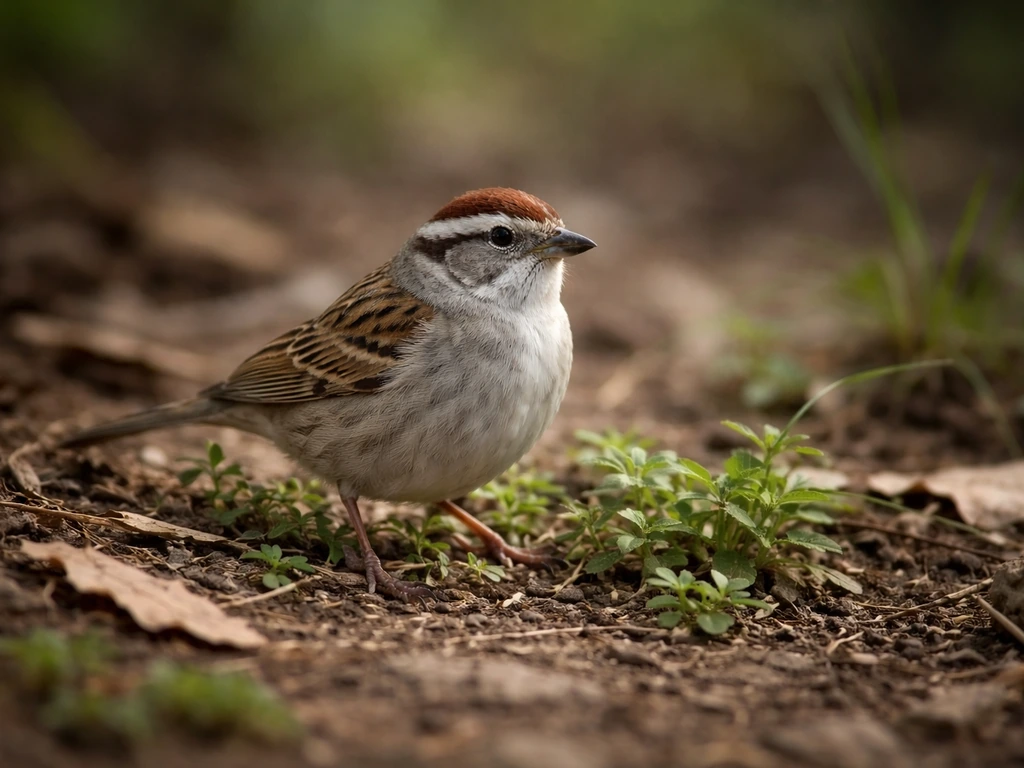
When someone calls another person a "yard bird," they almost certainly mean one of three things: a low-ranking or inept military recruit, a prisoner or convict, or (in the loosest modern usage) just a common chicken. The most likely meaning in any given conversation depends entirely on context, but the military and prison senses are by far the most established, dating back to American slang from the early 1940s.
Yard Bird Meaning Slang: What It Really Means

Marcus Reeves
7 Jun 2026

What "yard bird" actually means (the core definition)
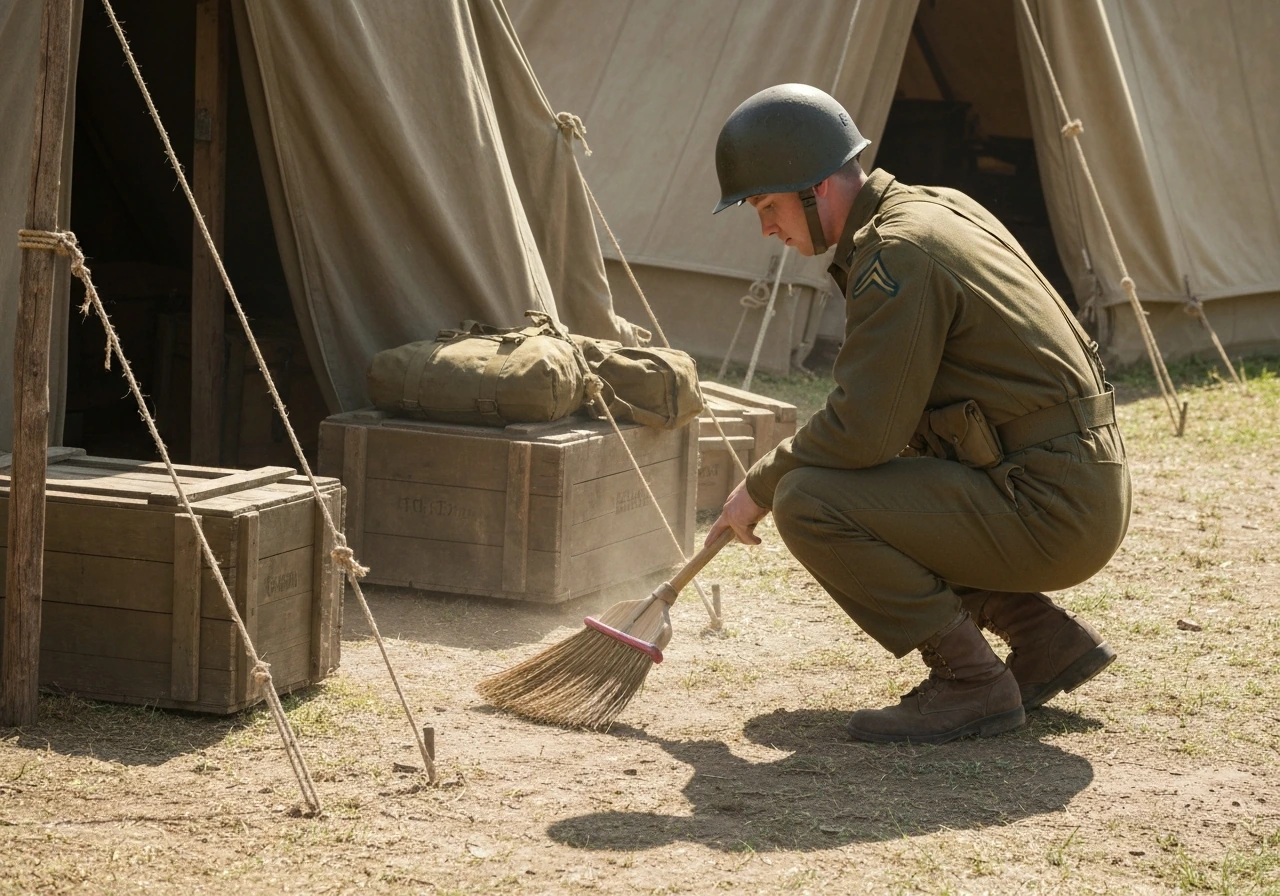
Merriam-Webster traces "yardbird" (also written as two words, "yard bird") to circa 1941 with a specific U. Merriam-Webster defines yardbird as a soldier assigned to menial or cleanup tasks, often as punishment, or as an untrained and inept recruit, and it gives the menial-task sense as first used circa 1941 Merriam-Webster traces “yardbird” (U.S. slang) to circa 1941. S. military meaning: a soldier assigned to menial or cleanup tasks, often as punishment, or an untrained and inept new recruit. Collins English Dictionary adds a second well-established definition: a prisoner or convict. The etymology makes both senses make sense. Collins notes the word was formed "by analogy with jailbird", someone stuck in a yard, whether a military compound or a prison yard, doing grunt work or serving time. Random House Unabridged lists all three core meanings cleanly: (1) a convict or prisoner, (2) an army recruit, and (3) a soldier confined to camp and assigned menial tasks as punishment. Those three meanings form the backbone of the slang. Everything else you might see online is a much newer, much looser extension.
How people actually use "yard bird" in conversation
The tone shifts depending on which meaning is in play. In a military context, calling someone a yard bird is dismissive and a little mocking, it signals that the person is low on the totem pole, stuck doing the worst jobs, or just hasn't figured out how things work yet. Think of a seasoned sergeant calling a fumbling new recruit a yard bird. It stings, but it's also the kind of label that comes with an implied "you'll grow out of it", more condescending than genuinely cruel.
In a prison or criminal context, the tone is more neutral or matter-of-fact. Calling someone a yard bird in this setting is just describing what they are: someone who's done time. There's no particular warmth or mockery to it; it's descriptive slang, similar to calling someone a convict. Among people who share that background, it can even carry a certain matter-of-fact camaraderie.
In everyday modern usage, especially online or in casual speech far removed from military or prison culture, "yard bird" sometimes just means a chicken, the farm bird. This is the most literal sense and shows up in food writing, Southern American cooking discussions, and informal recipe talk. Here the tone is completely neutral or even affectionate.
Here are some quick example sentences to show how the tone and meaning shift across contexts:
- "That new guy is a total yard bird — he's been cleaning latrines since day one." (Military, dismissive/teasing)
- "He spent three years inside. Real yard bird, been out six months now." (Prison/convict context, matter-of-fact)
- "My grandma makes the best fried yard bird you've ever had." (Chicken/food, affectionate and informal)
- "Don't let them make a yard bird out of you — stand up for yourself." (Military-adjacent metaphor, cautionary)
Where you'll run into "yard bird" in books, music, and TV

The most famous cultural footprint of "yard bird" is in jazz. Charlie Parker, one of the most influential jazz musicians in history, went by the nickname "Yardbird" (shortened to "Bird"). The origin of that nickname is debated, but one of the most widely repeated stories is that Parker loved eating chicken, which gave him the yard bird nickname early in his career. His impact on jazz is so significant that the iconic jazz venue Birdland in New York was named in his honor, and "Bird" as a nickname has become inseparable from Parker's legacy. If you see "Yardbird" in any jazz context at all, it's almost certainly a reference to Charlie Parker.
Outside jazz, the prison meaning of yard bird turns up in older American literature, war fiction from the 1940s and 1950s, and military memoirs. It appears in dialogue-heavy novels set in WWII-era army camps and in mid-century crime fiction where prison slang was part of authentic characterization. In television, prison dramas and military period pieces occasionally use the term as a period-accurate detail rather than a central plot point. If you're watching something set before 1970 and a character calls someone a yard bird, the military or prison meaning is almost certainly intended.
Bird slang people confuse with "yard bird"
Because this site covers bird-related language broadly, it's worth flagging a few terms that sometimes get mixed up with yard bird or land in similar conversations. "Jailbird" is the closest relative and shares the yard bird etymology directly. A jailbird is someone who has been in jail repeatedly or for a long time, it's slightly more pejorative than yard bird and doesn't carry the military meaning at all. "Lame bird" (sometimes used metaphorically) and "lame duck" are different idioms pointing at weakness or political irrelevance, not imprisonment or low status. "Ground bird" or "land bird" in a literal ornithology sense describes physical bird habitat, not slang for a person. In ornithology, you may also run into phrases like ground dwelling bird, which is about habitat rather than slang for a person Ground bird.
Phrases like "flip the bird" or "early bird" share "bird" but have completely unrelated meanings. "Odd bird" and "rare bird" describe someone who is eccentric or unusual, which is closer in spirit to yard bird's dismissive usage but still distinct. The key thing to remember is that yard bird carries a specific connotation of low rank, confinement, or menial status, it's not a general insult like "odd bird" and not an idiom about timing or luck like "early bird."
How the meaning changes by region, generation, and community
Generationally, the military meaning is strongest among older Americans, particularly those with WWII-era or Korean War-era military family histories. If someone over 70 uses the term, they almost certainly mean the army recruit or punished soldier sense. The prison meaning spans generations more evenly and tends to appear in communities where incarceration is a shared reference point, particularly in African American vernacular and in certain regional dialects across the American South and urban Northeast.
In Southern American cooking culture, "yard bird" as a term for chicken is alive and well regardless of age. It's heard in barbecue conversations, soul food contexts, and informal recipe talk, and it carries zero negative connotation, it's just a familiar, folksy way to say chicken. Urban Dictionary also surfaces a hyperlocal or slang-group-specific meaning suggesting someone who hangs around to get free drugs, but this usage appears to be extremely narrow, unverified as widespread, and not something you'd encounter in mainstream speech or media. Urban Dictionary’s entry includes a user-submitted meaning along those lines, though it appears to be a very narrow usage Urban Dictionary also surfaces a hyperlocal or slang-group-specific meaning suggesting someone who hangs around to get free drugs. Treat that one as a niche footnote, not a core definition.
| Community/Context | Most Likely Meaning | Tone |
|---|---|---|
| Military (especially pre-1970) | Inept recruit or soldier on menial punishment duty | Dismissive, mocking |
| Prison/criminal justice | Convict or ex-convict | Neutral to matter-of-fact |
| Southern U.S. food/cooking | A chicken (the bird) | Affectionate, casual |
| Jazz/music history | Charlie Parker ("Yardbird") | Reverential, iconic |
| General modern slang (online) | Usually chicken (food) or vague insult | Varies |
How to figure out what someone means when they say it
The fastest way to decode "yard bird" is to look at the surrounding words and setting. If the conversation is about food, cooking, or Southern cuisine, it's almost certainly just chicken. If it's set in a military environment or the speaker is using military vocabulary (ranks, base life, boot camp), it means a low-ranking or punished soldier. If the context involves crime, incarceration, or someone's past, it means a convict. If you're reading about jazz and see "Yardbird" capitalized or near the name Bird, you're looking at Charlie Parker.
What "yard bird" almost never means: a literal bird found in a yard (that would just be called a backyard bird or a garden bird), a compliment of any kind in most contexts, or the same thing as common bird idioms like "a bird in the hand" or "flip the bird. If you meant a real bird term rather than slang, you may be looking for the endemic bird meaning instead. " Don't conflate it with those.
If you hear it directed at a person and you're not sure of the tone, look at the relationship between speaker and subject. Between peers in a shared military or prison background, it can be almost affectionate or at least neutral. From someone with more authority or status, it's almost always dismissive. In a teasing or joking context between friends, it might just be a colorful way of calling someone a goofball or low-key useless, borrowing the flavor of the slang without the literal meaning.
Your quick-reference checklist for decoding "yard bird"

- Is the topic food or cooking? → It means chicken.
- Is the setting military or is the speaker using army slang? → It means a recruit or a soldier doing punishment duty.
- Is the context about prison, crime, or someone's record? → It means a convict.
- Is the topic jazz music or Charlie Parker specifically? → It's the nickname "Yardbird," a term of reverence.
- Is it used as a casual insult between friends with no clear context? → It's borrowing the "low-status, stuck doing grunt work" flavor as a generic put-down.
- Still unsure? Ask what they meant, or look at whether the surrounding language is joking, serious, or affectionate — that will usually tell you the rest.
When you respond to hearing it, match the register of the room. If it's clearly joking and lightweight, a confused look and a "did you just call me a yard bird?" works perfectly. If it's being used seriously in a military or prison context and you're unfamiliar with the culture, the safest move is to note the meaning and not over-interpret the emotional weight, it's a descriptive label, not a deep-cut insult. And if someone's talking about Charlie Parker, just go with it: "Yardbird" is one of the great nicknames in American music history.
FAQ
What should I do if someone calls me a “yard bird” and I am not sure which meaning they intend?
If you are unsure, treat it like a context-dependent slur, not a neutral “bird” term. Ask a quick clarifying question (“Are you using it like chicken or the older slang?”), especially if it is directed at a person. Avoid responding with the literal “chicken” meaning unless the conversation is clearly about food.
Is “yard bird” always offensive, or can it be friendly in some situations?
In the military and prison senses, it is generally about status, confinement, or assigned menial work, so it can sound insulting or demeaning when coming from someone with authority. It can feel more matter-of-fact among people with shared experience, but you should still match the tone of the speaker before joking back.
How can I tell when “Yardbird” is about Charlie Parker instead of the slang?
Yes, especially in writing, capitalization and nearby proper nouns matter. “Yardbird” capitalized, or appearing near “Bird” and Charlie Parker related terms, is very likely the jazz nickname, not person-as-convict or chicken.
Does spelling it as “yardbird” vs “yard bird” change the meaning?
“Yard bird” (two words) and “yardbird” (one word) are both used for the older slang meanings. Spelling is not the deciding factor, the surrounding topic is. Focus on whether the sentence is about food, prison/crime, or military life.
If “yard bird” shows up in casual conversation, how do I reliably know if it means chicken?
If the speaker is talking about food, cooking, or barbecue, it is usually “chicken,” often used in a casual, folksy way. If it is directed at a person in a non-food setting, especially with ranks, boot camp, or punishment language, assume the military or prison sense first.
What is the difference between “yard bird” and “jailbird”?
Not necessarily. “Yard bird” and “jailbird” overlap in the prison-jargon family, but “jailbird” is typically more pejorative and points to repeated or longer jail time, whereas “yard bird” can also point to the milder “stuck doing grunt work” idea in military settings.
If I am reading fiction, can “yard bird” be just descriptive rather than an insult?
Yes, in criminal-history dialogue or period works it can function as description more than an insult. However, modern readers may still find it harsh. If you are writing dialogue, consider adding context words like “in camp,” “punishment,” “served time,” or “yard duty” to anchor which meaning you are using.
Which meaning is most likely in everyday modern use, and does age of the speaker matter?
In modern mainstream speech, the “chicken” meaning is the most likely meaning for people outside military or prison communities, particularly in the South and in food talk. The military meaning is strongest when someone is older or the setting clearly references WWII or Korea-era military culture.
What is a safe, effective reply if I want to clarify without escalating?
You can steer away from misunderstanding by responding with a neutral clarifier. Examples: “Do you mean chicken, or the older slang?” or “In what context are you using that?” This works better than correcting them outright, because the phrase is historically loaded.
Can “yard bird” ever mean a literal backyard bird?
It usually does not mean a literal bird in a yard. If someone says it while outdoors with birdwatching talk, treat it as a misunderstanding, and ask what they mean because the idiom does not naturally fit that scenario.
Next Article
Land Bird Meaning: Definition, Usage, and Examples
Understand land bird meaning: definition, differences from seabirds and waterfowl, and how to interpret it in context.