
A 'lame bird' refers to a bird that is physically injured, weakened, or unable to fly properly. Figuratively, it describes a person, idea, team, or option that is seen as ineffective, finished, or no longer able to compete. Depending on the context, the phrase can carry a tone of dismissal, mild pity, or outright insult. In an r/EnglishLearning thread, users also discuss typical meanings of “lame,” including the literal sense of being unable to walk normally and the slang sense of being uncool or pathetic typical meanings of “lame,” including the literal sense and the slang sense. The key to reading it correctly is paying attention to who's using it and in what setting.
Lame Bird Meaning: Literal Definition, Slang Uses, Examples

Marcus Reeves
11 May 2026
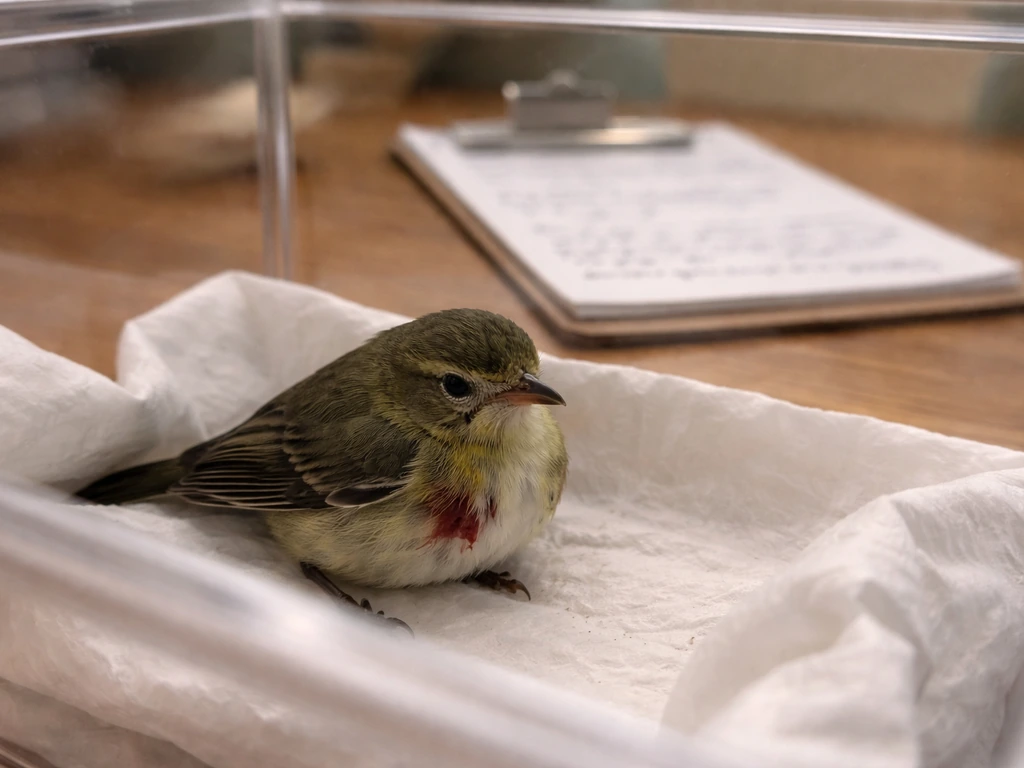
The literal meaning: a bird that can't fly or walk right
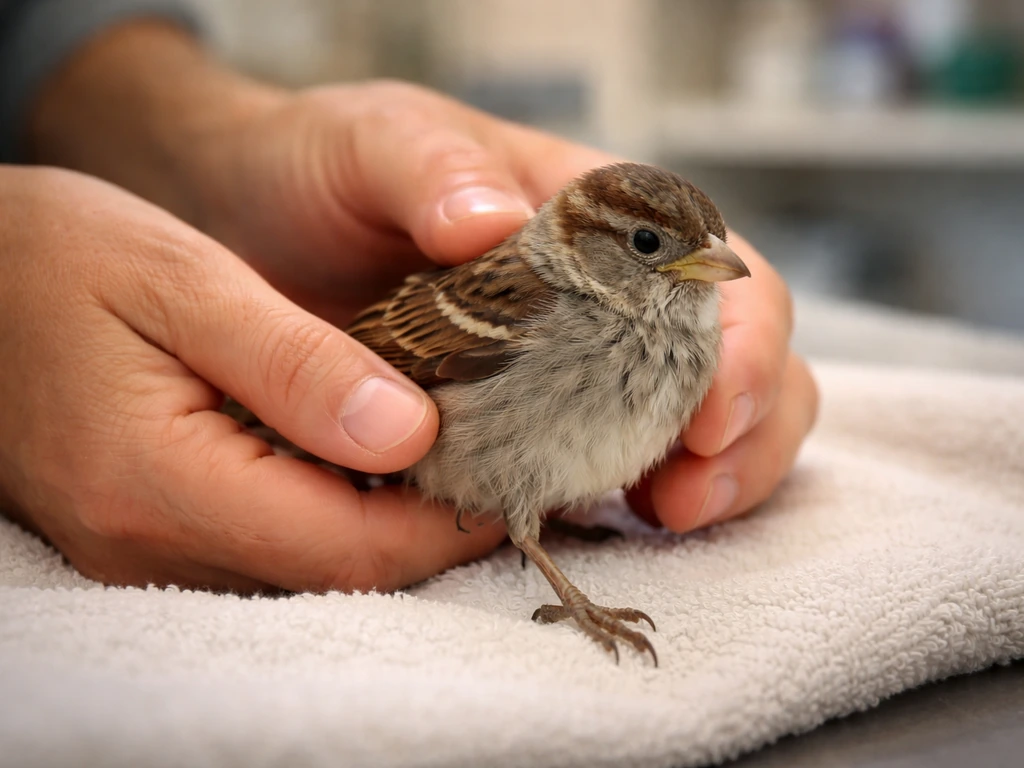
In its most direct sense, a lame bird is simply a bird with a physical impairment. 'Lame' comes from Middle English and Old English roots and has always meant unable to walk or move correctly due to injury or weakness in the legs or feet. Cambridge defines it plainly as 'not able to walk correctly because of physical injury to or weakness in the legs or feet,' and this applies to animals just as much as to people. An ox that can't walk, a horse that limps, or a pigeon dragging a damaged wing all fit squarely under that definition.
When someone says 'lame bird' in a wildlife or veterinary context, they mean exactly that: a bird with a compromised ability to move. Bird rescuers, wildlife rehabilitators, and birdwatchers use the term practically and without any figurative baggage. If you find an injured bird on the ground and someone says 'that one's lame,' they're describing its physical condition, full stop. This is also related to the reason ground-dwelling birds are sometimes confused with 'lame' birds. Ground-dwelling bird meaning refers to species that naturally live and feed on the ground rather than taking to the air often. The difference is that ground-dwelling birds like quails or roadrunners are built for the ground, while a lame bird is grounded by injury rather than biology. In other words, a land bird meaning is usually about birds that live primarily on the ground rather than in water or the sky.
The figurative meaning: someone ineffective, finished, or past their prime
Outside of wildlife contexts, 'lame bird' is used figuratively to describe a person, team, plan, or option that has lost its edge or never really had one. Think of it as the more general cousin of 'lame duck. EtymOnline notes that the expression “lame duck” has been used historically to refer to an impaired or injured entity, which helps explain the shared injured metaphor behind “lame bird.”. ' While 'lame duck' is a fixed political and business idiom (a leader approaching the end of their term with diminished influence), 'lame bird' is a looser, more versatile insult or dismissal that can be applied to almost anything or anyone that seems weak, ineffective, or unlikely to succeed.
Merriam-Webster captures the modern slang drift of 'lame' well: beyond the physical definition, it now widely means 'boring, foolish, or unsophisticated,' or in the context of excuses and arguments, 'not very convincing' and 'weak.' Stack that onto 'bird,' which already suggests something delicate or easily scared off, and you get a phrase that sounds dismissive and slightly contemptuous. Calling someone a 'lame bird' is rarely neutral. It implies they're out of the running, not worth taking seriously, or simply done.
How tone shifts the meaning in conversation vs. writing

The same two words can land very differently depending on delivery and setting. In casual spoken conversation, 'lame bird' tends to function as a quick insult or a dismissive label. Someone saying 'he's a total lame bird' in a sports conversation is writing that person off. The tone is usually contemptuous or exasperated, sometimes with a bit of pity mixed in. It's not meant kindly.
In writing, especially in literary or metaphorical contexts, 'lame bird' can carry more nuance. A novelist using the image of a lame bird to describe a character is often evoking vulnerability, a sense of being trapped or grounded, and sometimes genuine pathos. The reader is invited to feel something beyond contempt. Think of a mentor figure described as 'an old lame bird still teaching from the sidelines' versus a rival being called 'that lame bird never had a chance.' One invites empathy, the other dismissal.
In formal or professional writing, you'd almost never see 'lame bird' used directly. There, you'd find the more established 'lame duck' doing similar work. But the informal phrase pops up in commentary, social media posts, sports writing, and casual essays where the author wants to sound blunt and unimpressed. Dictionary.com flags that the slang usage of 'lame' is 'sometimes disparaging and offensive,' and that note applies here too. Collins English Dictionary also cautions in its U.S. slang/usage notes that some senses of “lame” are now sometimes regarded as offensive, so you may want to watch your tone when using it Dictionary. - p12s4: com flags that the slang usage of 'lame' is 'sometimes disparaging and offensive,' and that note applies here too.. Know your audience before you drop this phrase in print.
Where you'll actually hear and see it used
Here are the most common scenarios where 'lame bird' shows up, along with what the speaker usually means in each one:
- Sports commentary: 'Their quarterback is a total lame bird this season, no arm strength left.' Here it means washed up, past peak performance.
- Business or startup talk: 'That startup is a lame bird, it's been flapping around for two years with no revenue.' This dismisses it as unlikely to succeed.
- Social insult or gossip: 'Why are you still hanging out with him? He's such a lame bird.' This is personal dismissal, implying someone is boring or socially ineffective.
- Literary metaphor: 'She felt like a lame bird in a city built for flight.' This is empathetic and uses the image to express trapped vulnerability.
- Wildlife or rehab context: 'We found a lame bird near the park, probably hit a window.' Purely literal, no figurative meaning intended.
The insult-version is the most common in everyday speech. The metaphorical-literary version is the most emotionally rich. The wildlife version is the most technically accurate. You'll almost always be able to tell which one is meant from the surrounding sentence.
Phrases people confuse with 'lame bird'
A few related idioms overlap with 'lame bird' in meaning, and it's worth knowing the differences so you use or interpret them correctly.
| Phrase | Meaning | Key difference from 'lame bird' |
|---|---|---|
| Lame duck | A leader or institution near the end of its power or term, with reduced influence | Fixed idiom with a specific political/business meaning; dates to the 1760s London Stock Exchange; more formal than 'lame bird' |
| Dead duck | Something completely finished, hopeless, or beyond saving | More final and absolute; 'lame bird' implies still limping along, 'dead duck' means it's over |
| Sitting duck | A helpless, easy target | Implies vulnerability to attack rather than ineffectiveness; different emotional flavor |
| Odd bird | An eccentric, unusual person | Not negative in the same way; 'odd bird' is about strangeness, not weakness |
| Jailbird / yardbird | Slang for a prisoner or convict | Completely different domain; no connection to weakness or ineffectiveness |
'Lame duck' is the one most often confused with 'lame bird,' and understandably so. They share the same root adjective and a very similar figurative idea. But 'lame duck' is a fully codified expression with centuries of usage history and specific political connotations. 'Lame bird' is more informal, more flexible, and often more personal in its application. If you're writing about a departing president or an outgoing CEO, use 'lame duck.' If you're describing a friend who keeps starting projects and never finishing them, 'lame bird' fits the energy better.
How to use 'lame bird' yourself (and when to reach for something else)
If you want to use 'lame bird' in your own speaking or writing, a few practical guidelines will help you land it correctly. First, be honest about the tone you want. This phrase almost always sounds dismissive or cutting. If you're going for empathy or neutral observation, the phrasing won't carry what you're hoping for unless you frame it carefully in a literary context.
- Use it in casual conversation when you want to describe someone or something as ineffective, unimpressive, or no longer relevant. It's informal, so skip it in formal writing.
- In creative writing, lean into the image deliberately. A lame bird as a metaphor works best when you let the reader sit with the vulnerability of a creature unable to do the one thing it's built for.
- Avoid it in professional settings or formal analysis. 'Underperforming,' 'ineffective,' or 'lame duck' will serve you better there.
- If you mean something is completely done rather than just struggling, 'dead duck' is sharper and more final.
- If you're writing about someone who's eccentric rather than weak, 'odd bird' is the better fit and doesn't carry the negative weight.
- If ableist language is a concern in your audience, note that Dictionary.com flags the slang use of 'lame' as potentially offensive. Consider whether a direct alternative like 'washed up,' 'ineffective,' or 'out of the running' better serves your point without the baggage.
The phrase is vivid precisely because it borrows from something real: a bird that can't do the fundamental thing a bird does. That image of grounded potential is what gives 'lame bird' its punch, whether it's being used as an insult or as a piece of genuine storytelling. Used deliberately and in the right context, it says a lot in two words. Some people also use the slang “yard bird,” and its meaning depends on the specific community and context yard bird meaning slang. In biology and conservation, “endemic” describes species that are native to and found only within a particular region, which is different from the figurative meaning of “lame bird.” endemic bird meaning.
FAQ
How can I tell if “lame bird” is literal (injured bird) or slang (ineffective person/team)?
Yes. In the wildlife context, people often mean “injured and unable to fly,” but in casual talk it is usually an insult for someone who seems ineffective. If the sentence mentions rehabilitation, “on the ground,” wing damage, or rescue, treat it as literal, otherwise assume figurative.
Is “lame bird” ever safe to use without sounding mean?
In most settings it is not very reliable as a neutral compliment. If you say it about a person or their plan, expect it to land as dismissive or contemptuous, even if you mean “unimpressive.” For neutral critique, swap to terms like “underperforming,” “not credible,” or “needs improvement.”
Can I use “lame bird” instead of “lame duck” when discussing leadership?
Be careful when talking about politics or leadership. “Lame duck” is the standard for officials with diminished power near the end of a term, while “lame bird” is usually looser and more personal. If your context is formal or policy-focused, “lame duck” will be clearer and less off-key.
Will people always understand “lame bird,” or is it too informal?
It can, depending on the community. “Lame bird” is less codified than “lame duck,” so some audiences may interpret it as an outdated or overly harsh label. When writing or posting, consider defining it briefly in the surrounding sentence or using “lame duck” or “failed plan” if you need consistency.
What does “lame bird” usually mean in arguments or excuses?
Yes, sometimes it functions as a shorthand for “they are not making convincing arguments.” If the sentence includes words like excuse, story, reasoning, or debate, the meaning often shifts toward “not very convincing,” not just “boring.”
Can “lame bird” mean “boring,” and how do I avoid confusion with the literal sense?
If the intended meaning is “boring,” the phrase may be read as “lame” in the entertainment sense, not “injured” or “weak performance.” To avoid confusion, add a qualifier like “a lame bird of a movie” versus “a lame bird (injured) on the sidewalk.”
Is it correct to call any ground bird a “lame bird”?
Common mistake: using it to describe a bird species without injury. A species built for the ground (like quail) is not “lame,” and “ground-dwelling” is about normal behavior. “Lame bird” is about impairment, so reserve it for injured or unable-to-move individuals.
How can I use “lame bird” in writing while controlling whether it sounds insulting or sympathetic?
In writing, small details determine the emotional reading. Pair it with empathy cues (mentorship, vulnerability, trapped feeling) to steer toward pathos, and pair it with dismissal cues (no chance, never had value) to steer toward an insult. Without those cues, many readers default to the cutting slang meaning.
Is “lame bird” appropriate for professional writing or customer-facing communication?
Yes, avoid it in professional or public-facing contexts unless you are quoting someone. Dictionary notes that the slang sense of “lame” can be disparaging, and “lame bird” inherits that risk. If you need a professional tone, use “ineffective,” “not competitive,” or “unable to perform.”
What should I clarify if I’m explaining the phrase to someone (or comparing it to similar slang)?
If you are discussing the phrase rather than using it, say “the expression ‘lame bird’ can mean…” and then limit your claim to one context. Also, note that “yard bird” may be used in some communities with different meanings, so don’t assume it matches “lame bird.”
Next Article
Thirst Reckoned Bird North Meaning Explained and Decoded
Decode the riddle phrase thirst reckoned bird north meaning: idioms, symbolism, and direction clues to find likely inten