When someone calls another person an "ornery bird," they almost always mean that person is cranky, stubborn, difficult to deal with, or a bit of a troublemaker. It's a figurative label, not a comment about actual birds. The tone sits somewhere between teasing affection and mild insult depending on who's saying it and how. In other words, the ungender bird meaning is about how the term is understood and used in context rather than literal anatomy.
Ornery Bird Meaning: Definition, Uses, and How to Respond

Marcus Reeves
2 Jun 2026
What "ornery" actually means
"Ornery" (pronounced or-ner-ee) is an American English adjective with two closely related senses. In modern English, “ornery” is an adjective meaning having an irritable or cantankerous disposition and being difficult to deal with or control. The primary meaning, per Merriam-Webster, is having an irritable or cantankerous disposition. Think of the grumpy old neighbor who won't return your ball, or the coworker who pushes back on every single suggestion. The secondary meaning shades into mischievous troublemaking, which is especially common in Midwestern US speech. Someone "ornery" in that sense isn't just cranky, they're the type who stirs the pot on purpose and enjoys it a little.
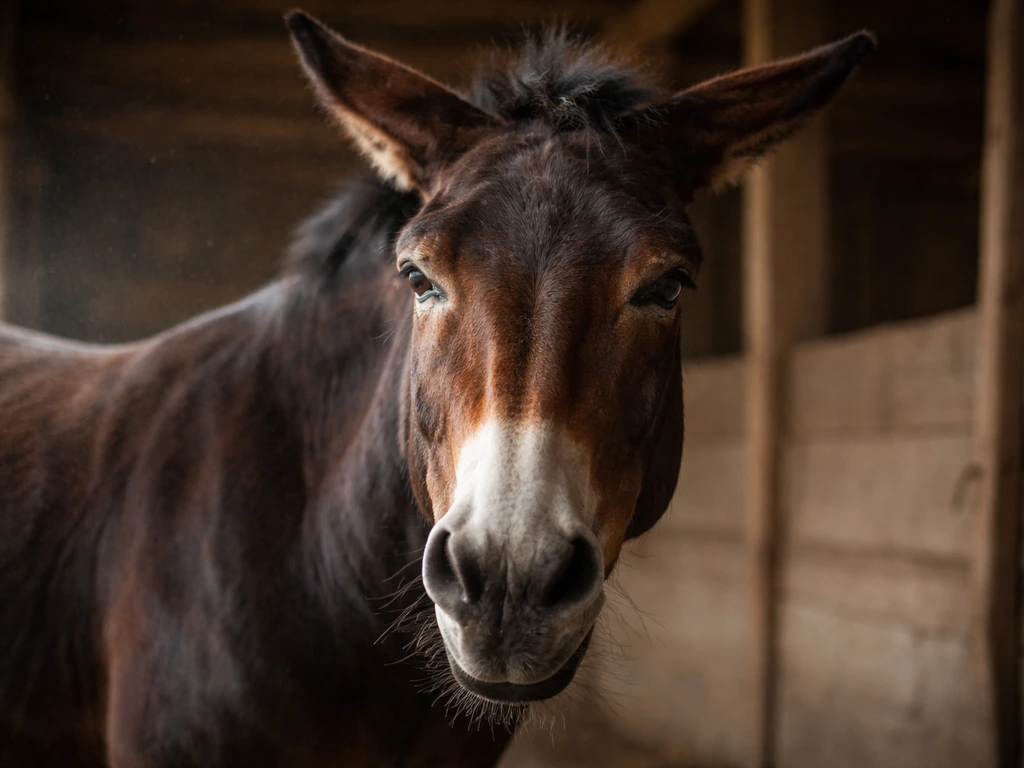
A classic Merriam-Webster example is "an ornery mule" or "an ornery patient," both pointing to something (or someone) that refuses to cooperate and makes your life harder than it needs to be. That's the emotional core of the word: difficult, resistant, and a little combative.
What "bird" adds to the mix
English has a long tradition of using "bird" as a stand-in for a person, especially when you want to describe their personality or behavior. You see it in phrases like "early bird" (a person who rises or acts early), "odd bird" (someone quirky or unusual), or just calling someone "a funny bird." The word softens the description slightly, giving it a folksy, almost affectionate quality even when the underlying meaning isn't particularly flattering.
Pair "bird" with "ornery" and you get a compact, colorful way to call someone irritable or stubbornly difficult without going full insult. The "bird" framing signals that this is a personality observation, not a formal accusation. It's closer to a nickname than a condemnation.
Where you'll actually hear "ornery bird"
The phrase turns up in a few distinct places. In everyday conversation it's used as a direct address or a third-person description: "Don't mind him, he's just an ornery bird" or "You ornery bird, stop hiding the remote. In Anne of Avonlea, Montgomery uses the outburst "You ornery bird" as a direct address to a character, showing the figurative-personification sense rather than a literal ornery bird You ornery bird, stop hiding the remote.. " It has a distinctly old-fashioned, folksy flavor that makes it more common among older speakers or in regional American settings, though it pops up online too.
In literature, L.M. Montgomery used "You ornery bird" as a spoken outburst in Anne of Avonlea, directed at a character as a teasing epithet. The fact that it's muttered rather than shouted, and delivered in a scene with conversational stakes, tells you a lot about the register: mild frustration, not rage.
In pet and animal communities online, particularly parrot and bird-owner forums, "ornery bird" gets used literally to describe a pet bird with a difficult temperament, one that bites, acts out, or behaves aggressively. Context here is everything: if the post includes details about feathers, cages, or biting behavior, you're almost certainly reading about an actual bird, not a metaphor for a person. If you encounter similar phrase-lore online, the sick bird meaning can also depend heavily on the context in which it is used.
Playful teasing or actual insult? How to read the room

The biggest interpretive question with "ornery bird" is whether it's affectionate ribbing or a genuine put-down. A few quick signals help sort that out.
- Relationship between speaker and subject: Close friends or family using it almost always mean it playfully. A stranger or adversary using it carries more edge.
- Second-person vs third-person delivery: "You ornery bird" said directly to someone, especially with a laugh or in a light moment, skews teasing. "That ornery bird" said about someone to a third party can tip toward complaint.
- Surrounding tone and words: If the sentence around it is warm, humorous, or nostalgic, lean playful. If it comes after a conflict or description of frustration, lean insult.
- "Ornery" sense in use: If the context involves stubborn resistance or making someone's life hard, the irritable/cantankerous sense is active. If the context involves pranks, wit, or mischief, the playful-troublemaker sense is active.
- Is the subject a real bird? If there are any pet or wildlife details, treat it as a literal description of an animal's temperament, not a metaphor.
Examples in sentences and how to respond
Here are a few real-world-style examples across different registers, along with what a reasonable response looks like.
| Example sentence | Likely tone | Good response |
|---|---|---|
| "You ornery bird, you ate the last piece of pie!" | Playful teasing | Laugh it off, lean into it: "Guilty as charged." |
| "Grandpa can be such an ornery bird when he's tired." | Fond but honest | Agree warmly: "Yeah, but he means well." |
| "I've dealt with ornery birds before, but this guy takes the cake." | Mild complaint/insult | Validate: "Sounds exhausting. What happened?" |
| "My parrot is an ornery bird today, keeps biting everyone." | Literal/pet context | Treat as an animal behavior discussion, not metaphor. |
If someone calls you an ornery bird and you're not sure whether to be amused or offended, the safest move is to treat it as good-natured ribbing and respond in kind. If it was meant as a cut, your easy reaction deflates it. If it was meant as teasing, you play along perfectly.
Using "ornery bird" in your own writing
If you want to call someone difficult or stubborn in a colorful but not overtly mean way, "ornery bird" works well in dialogue, personal essays, or character descriptions. It reads as authentic American vernacular, especially for older characters or Southern and Midwestern settings. For something sharper or more overtly hostile, you'd skip the "bird" softener and just use "ornery" alone, or reach for a harder word. For something purely mischievous and fun-loving, "ornery" fits but you might pair it with context that signals mischief (a grin, a prank) so readers activate the playful sense rather than the cranky one.
Related bird phrases that mean something different
A few nearby expressions are easy to mix up with "ornery bird" even though they carry completely different meanings.
- Early bird: About timing and habit, usually positive. Has nothing to do with mood or temperament. An early bird is punctual, not cranky.
- Feathered friend: A warm, affectionate way to refer to a pet bird or wildlife. Carries no implication of difficult behavior or personality.
- Angry bird: More explosive and purely negative than "ornery." "Ornery" suggests a chronic disposition (and sometimes mischief), while "angry" describes a moment of temper. The Angry Birds cultural franchise made this framing even more specific and cartoon-like.
- Odd bird / strange bird: Describes someone quirky or socially unusual, not necessarily irritable or stubborn.
- Hateful bird: A step up in severity from "ornery bird," suggesting genuine hostility rather than crankiness or mischief.
The key distinction is that "ornery" does real descriptive work in the phrase. It's not just a filler intensifier. Swapping it for "angry," "hateful," or "strange" produces meaningfully different phrases with different connotations, so if you're trying to land a specific tone, the choice of modifier matters a lot more than it might look at first glance. In the phrase “hateful bird,” the meaning shifts to someone or something seen as cruel or malicious. This can be useful if you're specifically looking for angry bird meaning in everyday conversation or online.
FAQ
How can I tell if “ornery bird” is teasing or a real insult?
If you are replying to someone who said it directly to you, match their tone first. If they are smiling or you are in a casual setting, a light comeback works (for example, “Only when someone hides my stuff.”). If the person is tense, keep it neutral and clarify (“Did you mean that as a joke?”). This prevents you from escalating a misunderstanding.
What context clues make “ornery bird” sound friendly versus harsh?
The phrase can be read as friendly ribbing when the speaker uses playful, rhythmic delivery and the situation is low stakes (banter, mild frustration, everyday annoyance). It is more likely to land as hostile when it is paired with criticism of competence or character, said after a conflict, or used repeatedly to put someone down.
What should I say if I do not want to accept the nickname or label?
If you want to respond without accepting the label, you can redirect the conversation instead of arguing. Try something like, “Okay, but what do you want me to do next?” or “Let’s handle the problem, not the nickname.” This keeps boundaries while still moving forward.
Is “ornery bird” softer than calling someone “ornery”?
“Ornery bird” and “ornery” can have different impact. Using “bird” adds a folksy, slightly softened, conversational feel. Dropping “bird” often sounds more direct and sharper. If your goal is politeness, keep “bird.” If your goal is authority or seriousness, use “ornery” or a clearer term.
How do I use “ornery bird” in writing so the reader gets the intended tone?
When writing, choose punctuation and framing to control the vibe. A standalone line in dialogue (for example, “You ornery bird!”) reads as outburst and teasing. Embedding it in narration (“He muttered that ornery bird line again”) signals mild irritation. If you want to avoid ambiguity, add a cue word for tone such as “teasing” or “grumbling.”
Does “ornery bird meaning” ever refer to a real animal?
Yes, it can be literal in animal communities. If the surrounding text mentions biting, cages, flock behavior, or specific species, treat it as a temperament description of an actual bird. If the text is about people’s habits, workplace behavior, or relationships, it is almost certainly figurative.
What mistakes happen when people mix up “ornery” with similar adjectives?
A common mistake is swapping “ornery” with words like “angry,” “strange,” or “hateful” without adjusting the tone. “Ornery” specifically carries irritable, resistant, combative, sometimes mischievous meaning, so substitution can change the emotional target. If you need a different shade, pick a modifier that matches that exact type of behavior.
Is it appropriate to respond in banter at work?
In most everyday situations, it is fine to treat it as light ribbing and move on. If it is a workplace setting, avoid escalating banter back if the relationship is formal or there have been complaints. A quick boundary like, “Let’s keep it professional,” is more effective than debating semantics.
Next Article
Ungender Bird Meaning: What It Can Refer To and How to Check
Understand ungender bird meaning by checking context, slang, gender-neutral usage, and bird symbolism to find the exact