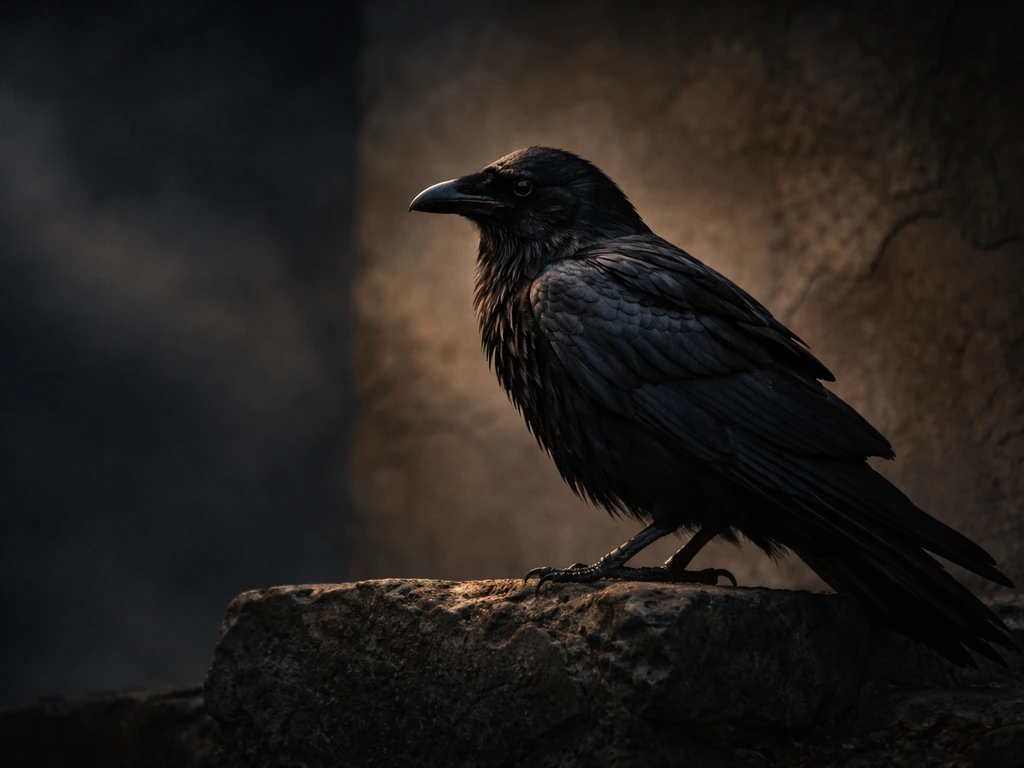
"Sick bird" almost always means one of three things: a literal bird that looks unwell and needs help, a pun for "illegal" (say "ill eagle" out loud and you'll get it), or a sarcastic dig used in banter to mock someone. Which meaning applies depends almost entirely on where you heard it and how it was delivered.
Sick Bird Meaning: Literal vs Slang and How to Tell

Marcus Reeves
20 May 2026
Literal vs figurative meaning today
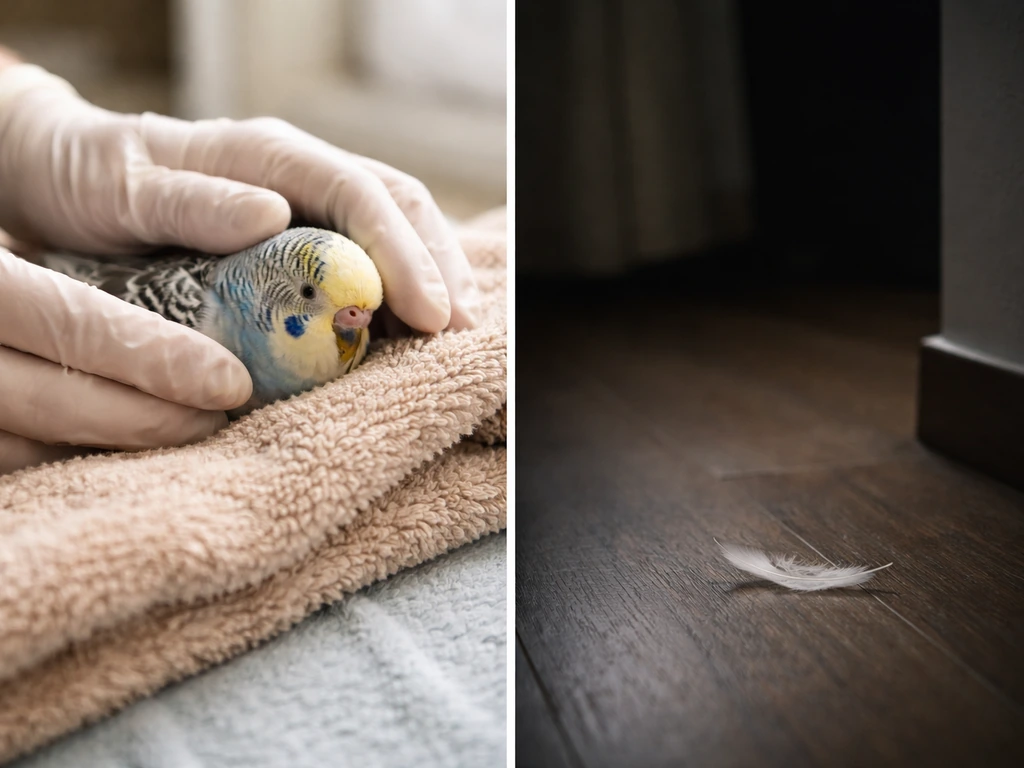
In its most straightforward reading, "sick bird" is exactly what it sounds like: a bird that is physically unwell. In wildlife-care guidance, the phrase “blank" rel="noopener noreferrer">sick bird” is used literally for a bird that looks unwell, and the advice is to assess the animal and contact qualified help. Animal-welfare and wildlife-care articles often describe a “sick bird” by looking for physical or behavioral signals such as poor movement, abnormal breathing, fluffed or depressed posture, abnormal-looking eyes, and loss of ability to fly before contacting a licensed rehabilitator or veterinarian blank" rel="noopener noreferrer">physical or behavioral signs a bird is unwell. You'll see this usage all over wildlife-care forums, animal-welfare articles, and rehabilitation guidance. The surrounding language is a dead giveaway: words like "transport," "rehabilitation center," "licensed rehabilitator," "signs to look for," and "veterinarian" all signal that the phrase is being used literally and practically.
The figurative uses are where things get interesting. The most documented non-literal meaning is the pun: "sick bird" sounds like "ill eagle," which sounds like "illegal." This is a classic wordplay construction, the kind that lives in dad jokes, crossword clues, and internet memes. It has nothing to do with actual bird health. The other figurative reading, backed by slang dictionaries, frames "sick bird" as a backhanded compliment or mocking remark in interpersonal exchanges, closer to a taunt than a pun.
So today, if you're trying to figure out what someone meant, the question isn't really "what does sick bird mean?" It's "which version of sick bird am I looking at?" Context resolves this almost every time.
How "sick bird" is used in slang, insults, and jokes
The "ill eagle" pun
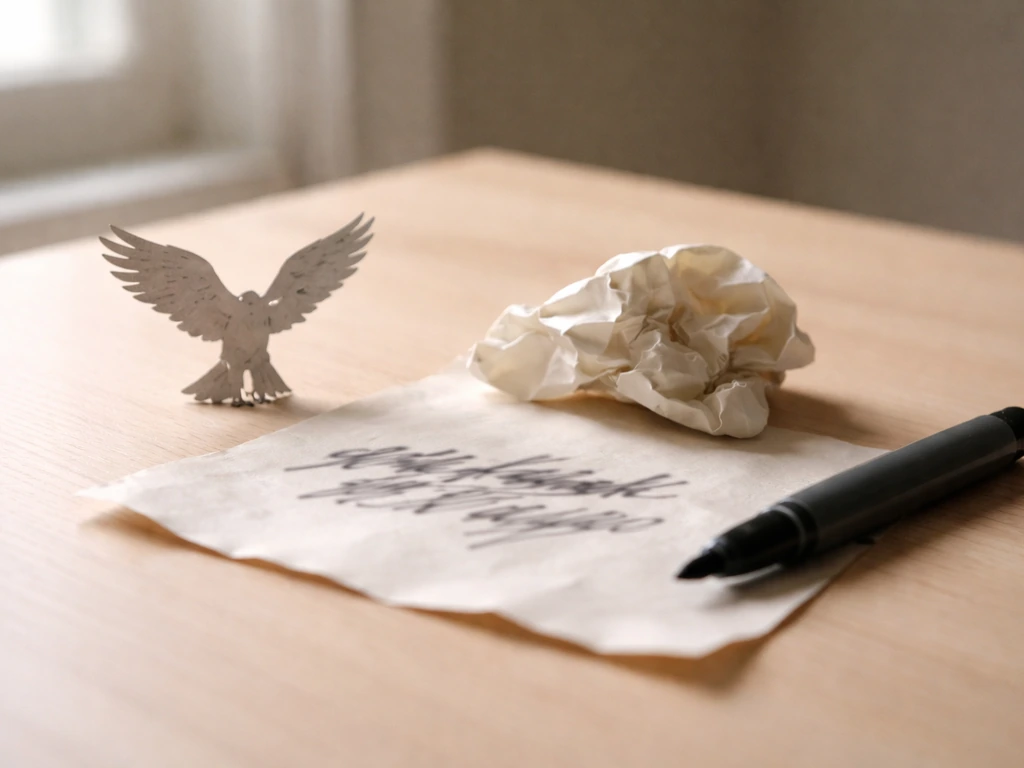
The most widespread slang use of "sick bird" is the phonetic joke: a sick bird is an ill eagle, and an ill eagle sounds like "illegal." This shows up in dad joke compilations, crossword puzzle clues (one classic clue reads "Sick bird, we hear, is unlawful" with the answer ILLEGAL), and online wordplay threads. It's purely a sound-based gag. There's no deeper symbolism here, no regional nuance, just the pleasure of a groan-worthy homophone. When someone drops "sick bird" in a joke context, especially online or in a puzzle, this is almost certainly what they mean.
The backhanded compliment and mocking use

The other documented slang meaning is more interpersonal. Slang sources describe "sick bird" as a form of ironic flattery used to mock or needle someone, essentially a compliment delivered with enough edge that the person receiving it knows they're being made fun of. Think of it as the bird-themed version of a backhanded compliment. Example dialogue from Urban Dictionary captures the tone pretty well: "Ah, why the sick bird, dick?" That's hostile banter, not a wildlife observation. This usage is casual, conversational, and almost always involves some friction between the speaker and the target.
Meaning shifts by tone, relationship, and setting
Tone is the fastest tool for cracking which meaning is in play. A flat, informational tone paired with caretaking language points to the literal interpretation. A playful or punny tone in a joke-friendly context points to "ill eagle." A sharp, sarcastic delivery in a back-and-forth between two people points to the mocking slang use.
Relationship matters too. A stranger posting in a wildlife forum using "sick bird" is almost certainly talking about an actual bird. Two friends ribbing each other in a group chat using "sick bird" are almost certainly not. The closer and more combative the relationship, the more likely the phrase is functioning as a dig.
Setting adds another layer. Written contexts like crossword clues often include signals like "we hear" to flag that the phrase should be read phonetically rather than literally. That little cue is basically a neon sign saying: this is the pun version, not the wildlife version. In spoken conversation, exaggerated delivery or a smirk serves the same function.
Common confusion with other bird expressions
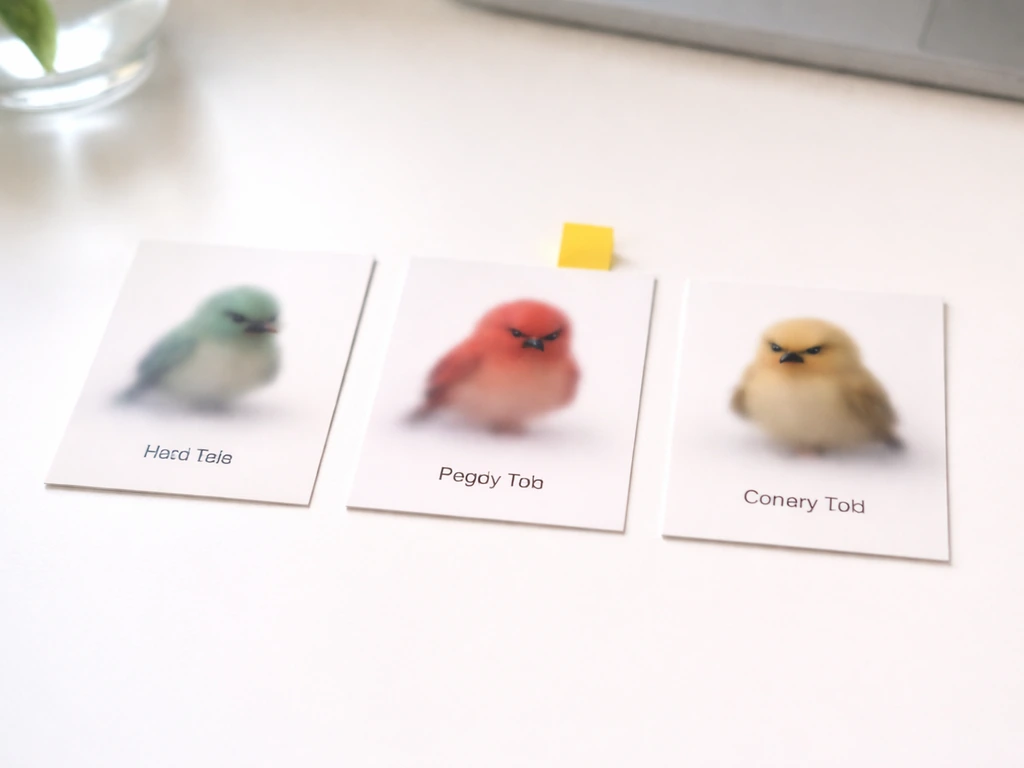
People searching "sick bird meaning" sometimes land here after also wondering about phrases like "angry bird" or other bird-plus-adjective constructions, assuming they all work the same way. If you mean the ungender bird meaning angle, the key is still to read the phrase by context and tone sick bird meaning. If you're wondering about the meaning of an "ornery bird," that phrase usually points to a difficult or disagreeable person ornery bird meaning. If you meant the phrase “angry bird,” it usually refers to the Angry Birds game brand or style rather than a literal meaning. They don't. "Angry bird" is dominated by pop-culture: the Angry Birds game franchise owns that phrase in most modern contexts, so when someone says "angry bird" they're usually referencing the brand or its visual style, not crafting a metaphor about a furious person. Sick bird doesn't have that kind of brand baggage, which is why its meanings stay more fluid.
Similarly, expressions like "ornery bird" or "hateful bird" tend to be used as colorful character descriptions, calling someone difficult or disagreeable in a folksy way. Those phrases function differently from "sick bird," which leans toward the pun route or the backhanded-compliment route rather than a personality label. Mixing these constructions up is easy to do, but the patterns are actually pretty distinct once you know what to look for.
The phrase "flip the bird" is another common false friend. It sounds like it belongs in this family of expressions, but it refers to an obscene hand gesture and has nothing to do with sickness, weakness, or wordplay about legality.
Practical next steps: interpret the phrase in your exact context
If you're still not sure which meaning applies in the situation you're dealing with, run through these steps:
- Check the surrounding words. Does the sentence include terms like "rehabilitation," "transport," "veterinarian," or "signs"? Then it's the literal animal meaning.
- Check for a pun signal. Does the context include wordplay framing ("we hear," a joke setup, a riddle format)? Then it's the "ill eagle" / illegal pun.
- Check the relationship and tone. Is it two people in a tense or joking exchange? Is the phrasing sarcastic or loaded? Then it's probably the mocking/banter usage.
- Check the platform. A wildlife forum, pet care site, or nature community almost always means literal. A meme, joke thread, or crossword almost always means pun. A group chat or comment section between individuals could go either way.
- If you actually found a real bird that looks unwell: keep it calm, put it in a dark, ventilated box, and contact a licensed wildlife rehabilitator or veterinarian. Do not try to feed it or give it water unless a professional advises it.
Quick cultural and literary symbolism of an ailing bird
Beyond the slang, a sick or ailing bird carries real symbolic weight in literature and culture. A bird that can't fly is one of the most loaded images in storytelling: it represents lost freedom, diminished power, or a spirit that's been grounded by circumstance. Think of a caged bird as a symbol of oppression (as in Maya Angelou's work) or a wounded bird as a metaphor for vulnerability and the need for care. When a writer describes a character as "a sick bird," they're typically reaching for that imagery: someone diminished, fragile, or stripped of their usual agency.
The eagle specifically carries extra symbolic freight here. Eagles represent strength, freedom, and national identity in many cultures, especially in the United States. An "ill eagle" is not just a pun but a quietly subversive image: the symbol of power and legitimacy made weak and unlawful. Whether that layer is intentional in the joke or not, it's baked into the wordplay in a way that gives it a little more bite than a random homophone gag.
Across folklore more broadly, a bird that falls ill or can't take flight often signals that something is wrong in the world around it, a bad omen, an imbalance, or a warning. This symbolic resonance is probably part of why the phrase "sick bird" feels loaded even when it's used casually. Birds are supposed to fly. When they can't, something is off. That intuition carries through from folklore into slang, even when the speaker isn't consciously reaching for symbolism.
FAQ
If someone texts “sick bird” but doesn’t explain, how can I tell whether it is literal, “ill eagle,” or mocking slang?
Check for surrounding context. If they mention wildlife rehab, seeing a vet, transport, or rescuing, it is literal. If it is in a joke, crossword, or “we hear” style clue context, it is usually the ill eagle, illegal pun. If it is aimed at a person you know, or the tone sounds edgy or sarcastic, it is more likely ironic flattery or a taunt.
Is “sick bird” ever used as a serious accusation like “illegal,” or is it always just wordplay?
In most cases it functions as the homophone joke, not a real claim. However, if the phrase appears in an argument about laws, permits, or wrongdoing, the speaker might be using the pun as cover for a true accusation. Treat it as wordplay unless they provide concrete details.
What does it mean if I see “sick bird” in a crossword or puzzle but the answer is not ILLEGAL?
Crossword clues are flexible, but the most common phonetic target is ILLEGAL. If a different answer fits the crossing letters or clue wording, the puzzle may be steering to a different construction, such as a general “unwell bird” literal reading. Compare how the clue signals sound-alikes (for example, “we hear,” “sounds like”) versus direct definition language.
Can “sick bird” be about an actual bird but not wildlife rehabilitation, for example, a pet bird?
Yes. Literal use can mean a pet or captive bird that looks unwell, not just a wild bird found injured. If the conversation includes symptoms, diet changes, cage hygiene, or “see an avian vet,” the meaning is still literal even without rehab terms.
Is the mocking slang use usually gendered or contains specific wording?
Not strictly, but it is often used in a rough, conversational back-and-forth. Many examples include an insult layered onto the phrase, which can make it feel gendered depending on who is being targeted. If there is additional profanity or a direct callout, expect it to be a jab rather than a compliment.
How should I respond if I am unsure and the phrase sounds potentially hostile?
Ask a low-friction clarification. For example, you can say, “Do you mean an actual bird is sick, or is this a joke?” If they keep the tone sarcastic or aimed at you, avoid escalating and treat it as teasing or harassment.
Does the phrase “sick bird meaning” ever refer to other bird-adjective expressions like “angry bird” or “ornery bird” in the same way?
Not the same way. “Angry bird” is usually tied to the game brand or style, while “ornery bird” tends to read like a folksy description of someone difficult. “Sick bird” is more distinctive because it commonly points to the ill eagle, illegal sound-alike or to backhanded, mocking banter.
Is “flip the bird” related to “sick bird” in meaning?
No. “Flip the bird” refers to an obscene hand gesture and does not connect to sickness symbolism or the ill eagle wordplay. If the discussion involves body language rather than jokes or laws, it is that gesture, not “sick bird.”
What tone cues are most reliable in spoken conversation?
Watch delivery. A flat, instructional tone with caregiving language points to literal. A playful, pun-forward tone with exaggerated emphasis on the sounds points to “ill eagle.” A sharp, quick, combative rhythm, especially when paired with eye contact or a smirk directed at someone, points to mocking slang.
If a story or poem says “a sick bird,” does it mean the pun or the literal animal?
In literature, it is usually symbolic rather than wordplay. The phrase typically signals vulnerability, loss of freedom, or reduced agency. If the surrounding text talks about captivity, inability to fly, or emotional decline, read it as metaphor.
Next Article
Hateful Bird Meaning: Origins, Context, and Bird Species
Explore hateful bird meaning, origins and common bird species referenced, plus how to confirm intent from the full conte