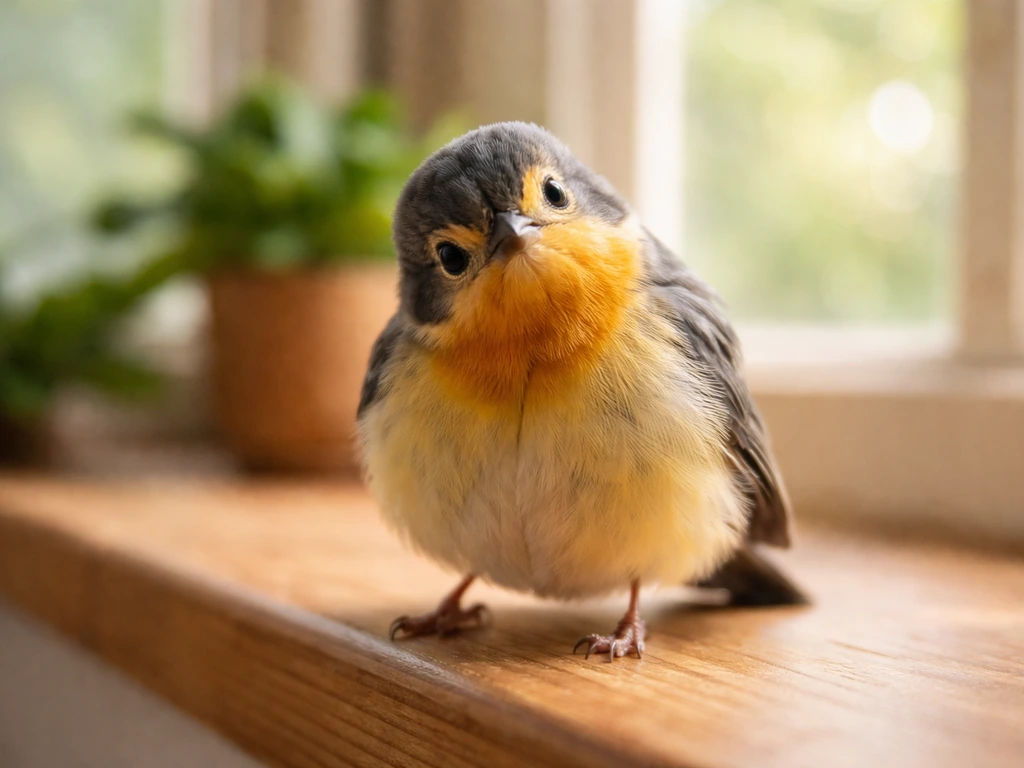
When someone says 'laughing bird,' they usually mean one of two things: a real bird with a laugh-like call (most likely the green woodpecker in British dialect, or the kookaburra in Australian context), or a figurative label for a person or thing associated with joy, teasing, mockery, or social playfulness. If you came here from the search term “bloodcheep bird meaning,” it usually overlaps with the same idea of identifying which bird or figurative expression someone is referring to. Which meaning applies depends almost entirely on where you saw or heard the phrase. Once you know the source, the right interpretation becomes obvious fast.
Laughing Bird Meaning: Literal Species and Figurative Use

Marcus Reeves
6 Jun 2026
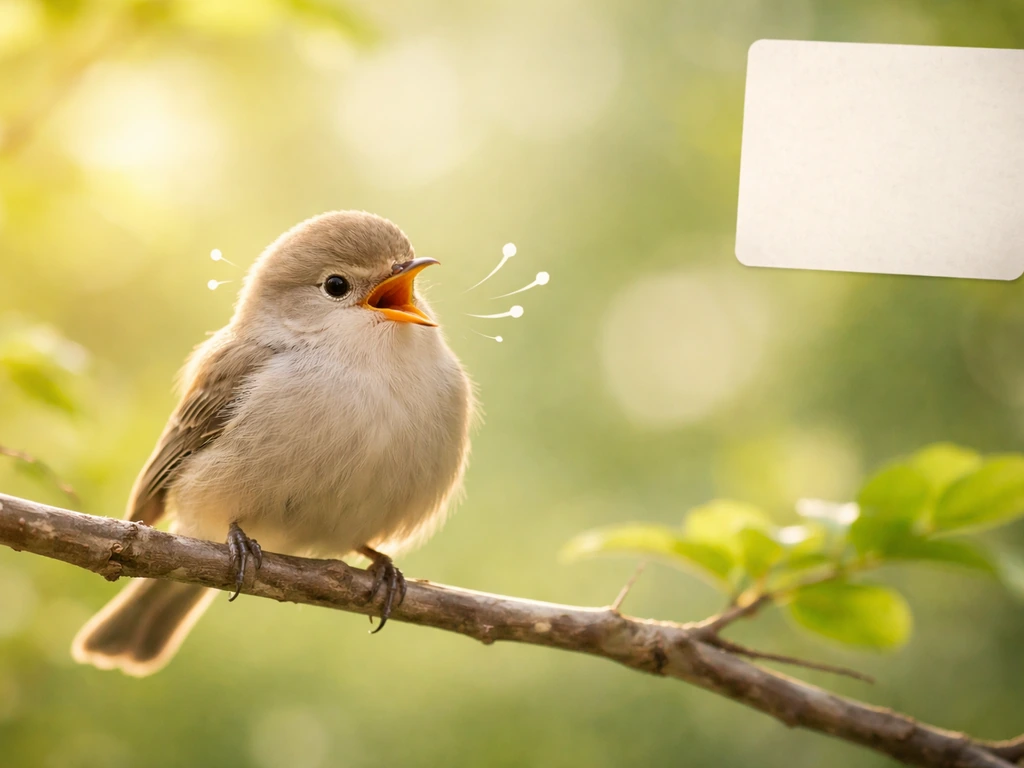
What 'laughing bird' usually refers to: species vs phrase
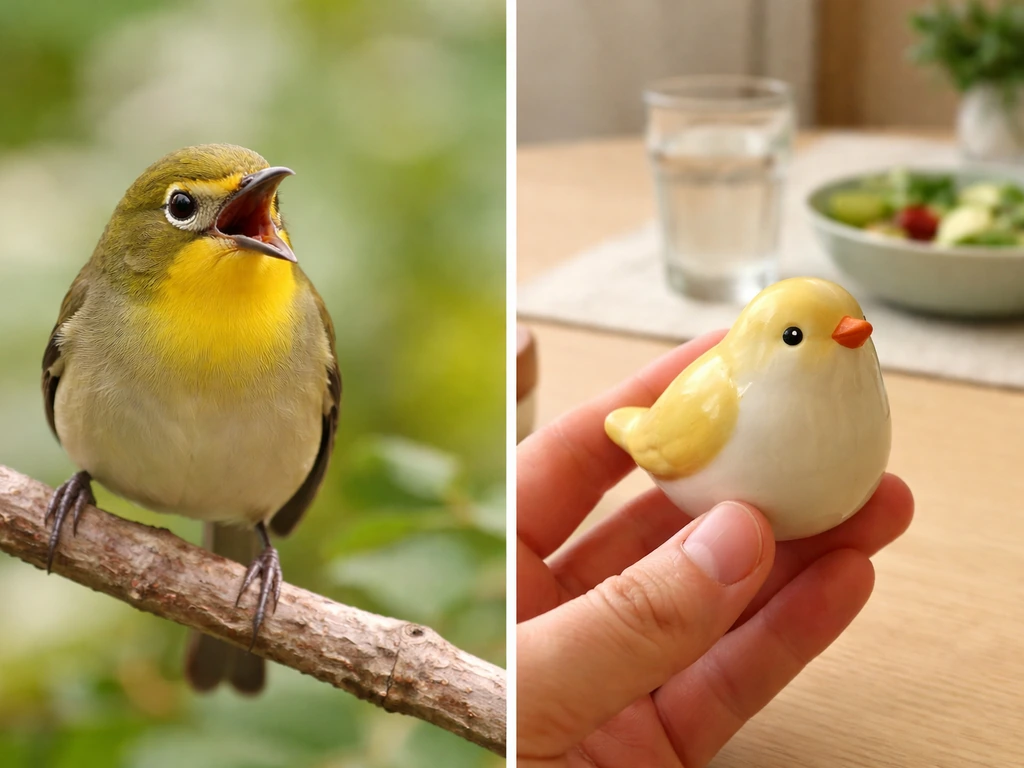
The phrase sits at a crossroads between natural history and figurative language, and people arrive at it from very different directions. A birder in England might use 'laughing bird' as a folk name for the green woodpecker. A birder in England might use 'laughing bird' as a folk name for the green woodpecker [loud laughing call behind the affectionate folk name “yaffle”](https://www. bto.
org/learn/about-birds/birdfacts/green-woodpecker). Someone in Australia or watching a wildlife documentary might apply it casually to the kookaburra. A poet, lyricist, or tattoo artist might use it as a symbol for carefree spirit or biting wit. And a kid reading a picture book might just encounter it as a fun, descriptive nickname.
None of these uses are wrong. They just need different lenses to interpret correctly.
The key disambiguation point is this: when 'laughing bird' appears in a nature guide, a British regional text, or a conversation about wildlife, it almost certainly refers to a literal species. When it appears in a song, a tattoo description, a social media caption, or a piece of creative writing, it's almost certainly figurative or symbolic. Keep that split in mind and you'll resolve most questions without any further digging.
The literal side: real birds called 'laughing bird' and why
The green woodpecker (Picus viridis) is the most formally documented 'laughing bird.' Merriam-Webster lists 'laughing bird' as a dialectal English noun specifically referring to this species. The British Trust for Ornithology describes the green woodpecker's call as a 'loud laughing call,' which is exactly why generations of English speakers gave it folk names like 'yaffle' and 'laughing bird.' If you're in Britain and someone uses the phrase in a rural or countryside context, this is almost certainly what they mean.
The kookaburra is the other heavy contender, especially outside the UK. Native to Australia and New Guinea, the laughing kookaburra (Dacelo novaeguineae) produces a call that genuinely sounds like raucous human laughter, which has made it iconic in wildlife media worldwide. Even if people don't say 'laughing kookaburra' in full, they often shorten it to 'laughing bird' in casual conversation. The call carries across forests at dawn and dusk and has become a signature sound in films, nature documentaries, and even ringtones.
There's also the laughing gull (Leucophaeus atricilla), common along the Atlantic coast of North America. Its call is a distinctive, almost manic-sounding ha-ha-ha-ha, which earns it an obvious place in the 'laughing bird' conversation. So depending on geography alone, the same casual phrase could point to three completely different species.
| Bird | Region | Why it 'laughs' | Formal link to the phrase |
|---|---|---|---|
| Green woodpecker | UK / Europe | Loud, undulating call resembling laughter | Listed in Merriam-Webster as dialectal 'laughing bird' |
| Laughing kookaburra | Australia / New Guinea | Call sounds like human laughter | Commonly shortened to 'laughing bird' in casual use |
| Laughing gull | North America (coastal) | Repeated ha-ha-ha call | Named for laughter but less often called 'laughing bird' outright |
The figurative side: what 'laughing bird' symbolizes

When 'laughing bird' gets used metaphorically, the symbolism usually clusters around a handful of themes. Joy and lightness are the most common: calling someone a 'laughing bird' often means they're the person who fills a room with laughter, who seems effortlessly cheerful, or who carries a kind of contagious warmth. It's a compliment in most contexts, though a soft one, more affectionate than grand.
But 'laughing bird' can also carry a sharper edge. Depending on tone and context, the laughter being referenced might be teasing laughter, mockery, or even the kind of laugh that keeps you at arm's length. A 'laughing bird' in that framing is someone who deflects with humor, never lets you see them vulnerable, or who laughs at things others find serious. Think of it like the difference between a person who laughs with you and one who laughs at things just slightly above everyone else's head.
In some cultural and literary uses, the laughing bird also represents freedom, specifically the freedom to be unbothered. Birds that sing and call without care for who's listening have long been used as symbols of people who don't conform to social pressure. A 'laughing bird' in a poem or lyric might be pointing at exactly that quality: someone or something that refuses to be weighed down. It's a cousin to the idea of the 'free bird,' just with more humor attached.
How to tell which meaning you're dealing with
Context is everything here, and the source of the phrase almost always tells you which lane you're in. Here's a practical breakdown:
- Nature guide, birdwatching app, or UK countryside conversation: almost certainly the green woodpecker or kookaburra.
- Australian setting, wildlife documentary, or animal-themed kids' content: likely the kookaburra.
- A poem, song lyric, or book: figurative symbolism, most likely joy, freedom, or playful mockery.
- A tattoo or piece of visual art: symbolic, often personal. Ask the person or look for companion imagery (flowers, music notes, and flames each shift the meaning differently).
- Social media caption: usually figurative, used affectionately for a person who laughs a lot or brings lightness.
- A kids' rhyme or story: could be either literal or whimsical-figurative. The surrounding characters usually make it clear.
- A quote or idiom in isolation: search the source directly rather than guessing.
One reliable shortcut: if the phrase is doing descriptive work (describing an actual animal's sound or appearance), it's literal. If it's doing emotional or characterization work (describing how a person makes others feel, or what a moment represents), it's figurative. The grammar usually gives you the hint before the meaning does.
Using 'laughing bird' in your own writing
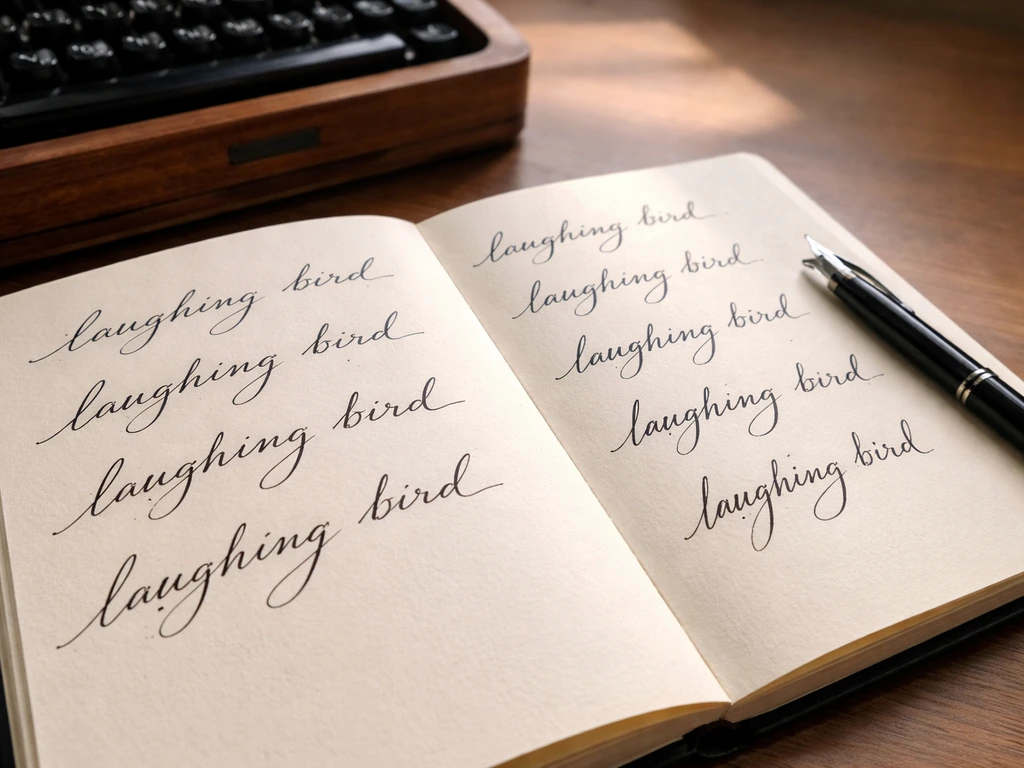
If you're a writer looking to use this phrase, it's worth knowing what tone it carries before you drop it into a sentence. 'Laughing bird' reads as warm and slightly whimsical. It doesn't have the gravitas of a raven or the peace-symbol weight of a dove. It's lighter, more personal, more rooted in sound than in appearance. That makes it well-suited to characterization (describing a person), lyrical moments (particularly in poetry or song), or gentle, nature-infused storytelling.
Here are a few example uses to see the range of tones available:
- Affectionate: 'She was the laughing bird of our family, the one whose cackle you could hear three rooms away and it always meant something good was happening.'
- Wistful: 'He used to be a laughing bird. Somewhere along the way the call went quiet.'
- Slightly pointed: 'Don't mistake the laughing bird for a happy one. Sometimes laughter is just the armor that fits best.'
- Nature-literal: 'The laughing bird in the oak tree started up at five in the morning, unbothered and unstoppable.'
Notice how each version leans on the same core image but arrives at a completely different emotional register. That flexibility is actually what makes the phrase useful in writing. Just be aware that if your audience is British and nature-literate, the green woodpecker connection might surface even if you meant it figuratively. Adding a little context around the phrase keeps the intended meaning unambiguous.
Common mix-ups and related bird expressions worth knowing
People often arrive at 'laughing bird' while actually looking for something slightly different. A few mix-ups come up regularly enough to be worth addressing directly.
The 'bird with a silly sounding laugh' is sometimes searched alongside this phrase. If you're trying to decode the bird with a silly sounding laugh meaning, the context is usually pointing to the kookaburra or the laughing gull based on the call described. That's usually the kookaburra or the laughing gull, and if someone described a bird's call to you as ridiculous or almost cartoon-like, the kookaburra is the most likely match. The poor bird meaning can sometimes show up in the same kind of search questions, but it refers to a very different phrase and set of vibes. It's the same territory but approached from sound rather than name.
'Silly bird' and 'cheeky bird' are related figurative expressions that people sometimes use interchangeably with 'laughing bird,' but they carry different shades. If you're wondering about a cheeky bird meaning, it's usually about playful, mischievous energy rather than literal laughter from a specific species. A silly bird is more about goofiness or innocence. A cheeky bird implies playful impertinence. A laughing bird specifically ties the personality or tone to laughter and auditory energy, which makes it a bit more vivid and specific than either of those alternatives.
'Cunning bird' sometimes gets confused with 'laughing bird' in literary or folklore contexts, especially when the laughter in question is knowing or sly rather than warm. If the 'laughing bird' in a text seems to be laughing because it knows something others don't, it may be sliding toward that cunning-bird archetype. Same image, different emotional payload.
'Ghetto bird' is a completely different phrase (slang for a police helicopter in certain American urban contexts) but occasionally surfaces in the same search space when people are looking up informal bird-related slang. If you meant “ghetto bird” as slang, that phrase has a different meaning from “laughing bird,” so it’s worth checking the specific context. It's unrelated to the laughing bird in meaning or origin.
Quick steps to pin down exactly what it means in your situation
- Note where you found it: book, song, caption, conversation, tattoo, or nature text. That alone narrows the meaning by about 80 percent.
- Check the geographic clues. British English context points to the green woodpecker. Australian context points to the kookaburra. North American context, especially coastal, might mean the laughing gull.
- Look at what the phrase is doing grammatically. Is it describing a sound or creature (literal)? Or is it describing a person's character, an emotion, or an idea (figurative)?
- Search the specific source. If it's from a song or book, search '[title] laughing bird meaning' or look up the artist's/author's notes. Most creators explain their imagery somewhere.
- If it's still ambiguous, try alternative search terms: 'laughing bird symbolism,' 'laughing bird British folk name,' or 'laughing bird kookaburra' to see which body of results matches your context best.
- If it's in someone's personal writing or speech (a friend's caption, a tattoo they chose), just ask. Personal uses of symbolic language are almost always more meaningful when heard from the source.
Most of the time 'laughing bird' isn't mysterious once you know what to look for. The phrase is doing one of two jobs: naming a real bird that sounds like it's laughing, or pointing at the human qualities that laughter represents. Follow the context, check the source, and you'll have your answer in a few minutes.
FAQ
How can I tell which “laughing bird” is meant if the source is vague (like a social media caption)?
Look for location clues (UK, Australia, Atlantic coast), and check whether the post mentions “call,” “sound,” “dawn,” or “wildlife.” If it’s describing a sound from the outdoors, it’s usually literal and points to the region’s most common match (green woodpecker, kookaburra, or laughing gull). If it’s describing a person’s vibe, it’s typically figurative.
Does “laughing bird” always refer to a real bird call, even in poems or tattoos?
Not always. Even when used in creative work, it often stays grounded in the idea of laughter (warmth, teasing, carefree confidence), but it might not imply an actual species. If the artwork includes a specific bird silhouette, region markers, or a note like “from Australia” or “British countryside,” that’s your hint it’s literal.
Is the phrase “laughing bird” ever used as a direct nickname for a person?
Yes, and in casual speech it functions like a compliment or a label for someone’s social style. Watch for whether it’s affectionate (light teasing, friendly warmth) or pointed (laughing at serious matters, avoiding vulnerability). Tone and surrounding words usually determine which.
What if someone says “laughing bird” but also mentions “ha-ha-ha” sounds or “human laughter”?
That combination strongly suggests the kookaburra or the laughing gull, because both are known for laughter-like vocalizations. If the setting feels like a coastline or includes “Atlantic,” “coast,” or “North America,” laughing gull becomes more likely.
Can “laughing bird” be negative, or is it always a compliment?
It can go either way. If the speaker frames laughter as teasing, distancing, or mockery, “laughing bird” shifts from warm affection to a more guarded, sometimes cutting characterization. If they use it alongside words like “mock,” “snicker,” “jeer,” or “above it all,” treat it as sharper than a straightforward compliment.
Does grammar help disambiguate the meaning of “laughing bird”?
Usually. Descriptive patterns like “the laughing bird that sounds like…” point to literal species. Character patterns like “you are a laughing bird” or “a laughing bird personality” point to metaphor. Also, plural forms can help: “laughing birds” in a wildlife context often means multiple animals, while in social writing it’s about multiple people.
Is “laughing bird” used differently in the UK versus Australia?
Yes, mainly because local folk usage favors different literal species. In a British countryside or nature-guide context it often maps to the green woodpecker connection, while Australian settings more commonly lead people toward the kookaburra, even if the speaker shortens it to “laughing bird.”
What’s a common mistake when searching for “laughing bird meaning”?
Mixing it up with “bird with a silly sounding laugh” when the question actually needs a call-based match. Another common mistake is assuming all “cheeky” or “silly” bird phrases mean the same thing, but “laughing bird” is specifically tied to laughter as a sound or as a personality signal, not just general mischief.
If I want to use “laughing bird” in writing, how do I make the intended meaning unambiguous?
Add one clarifier in the same sentence or the next one. For literal meaning, mention the call or a location. For figurative meaning, connect it to how someone makes others feel (contagious joy, teasing humor, or protective distance). Without that cue, readers may default to a region’s best-known “laughter” bird.
What if “laughing bird” appears alongside another bird name in the same text?
Treat it as a clue that the author may be comparing birds or folding multiple references into one scene. If you see a second species named explicitly, “laughing bird” might be a metaphor being applied to a different character, not the bird species itself, unless the text is clearly an identification passage.
Next Article
Silly Bird Meaning: Slang, Nicknames, and Context Clues
Understand silly bird meaning in slang: affectionate nickname or teasing. Get context clues, examples, and rewrites.