When someone searches for 'bird with a silly sounding laugh meaning,' they're usually trying to pin down one of a handful of real birds whose calls sound unmistakably like a human chuckle or cackle, and then figure out what that bird represents in culture, folklore, or everyday speech. The most likely candidates are the Laughing Kookaburra, the Laughing Gull, the Green Woodpecker (nicknamed the 'yaffle'), and the Laughing Falcon. Each one has a genuinely laugh-like call, and each carries its own symbolic weight depending on where you are in the world and what context you're coming from.
Bird with a Silly Sounding Laugh Meaning: What It Is

Marcus Reeves
1 May 2026
What 'silly sounding laugh' could actually mean here
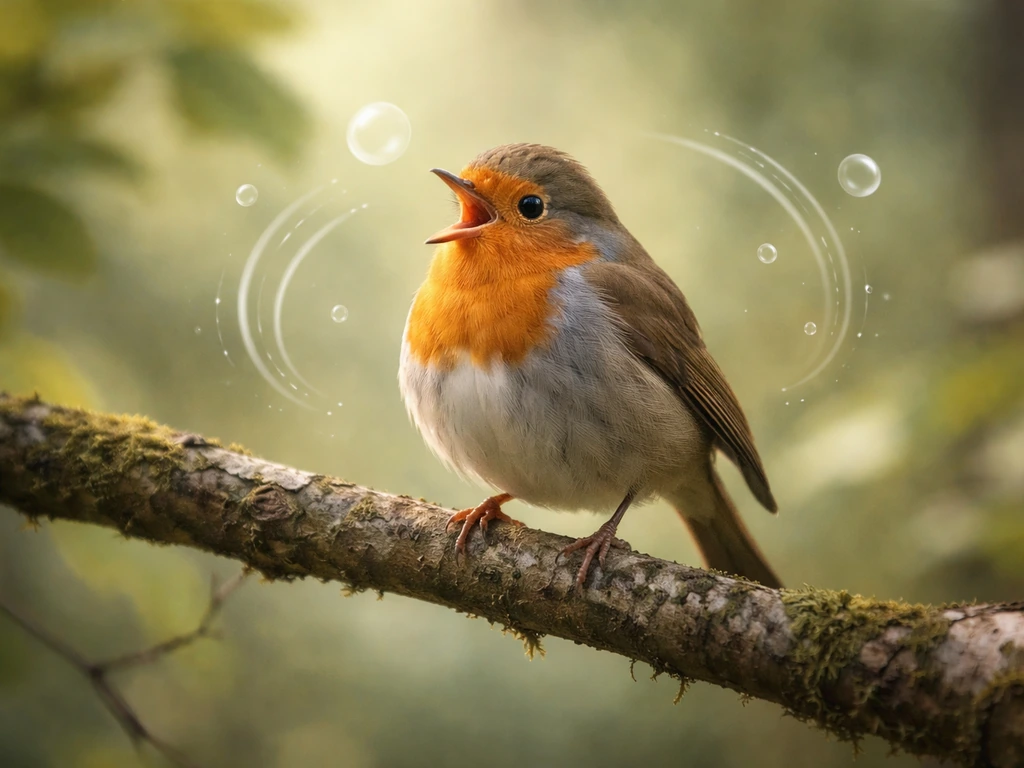
The phrase 'bird with a silly sounding laugh' isn't a standard bird name, so it helps to split it into two possible questions before going further. First, it might be a literal ID question: you heard a strange, laugh-like sound outside and want to know which bird made it. Second, it might be a meaning question: you've seen the phrase or a description like 'the laughing bird' somewhere (in writing, slang, or a conversation) and you're trying to understand what it symbolizes or implies. Most of the time, both questions are tangled together, and this guide addresses both.
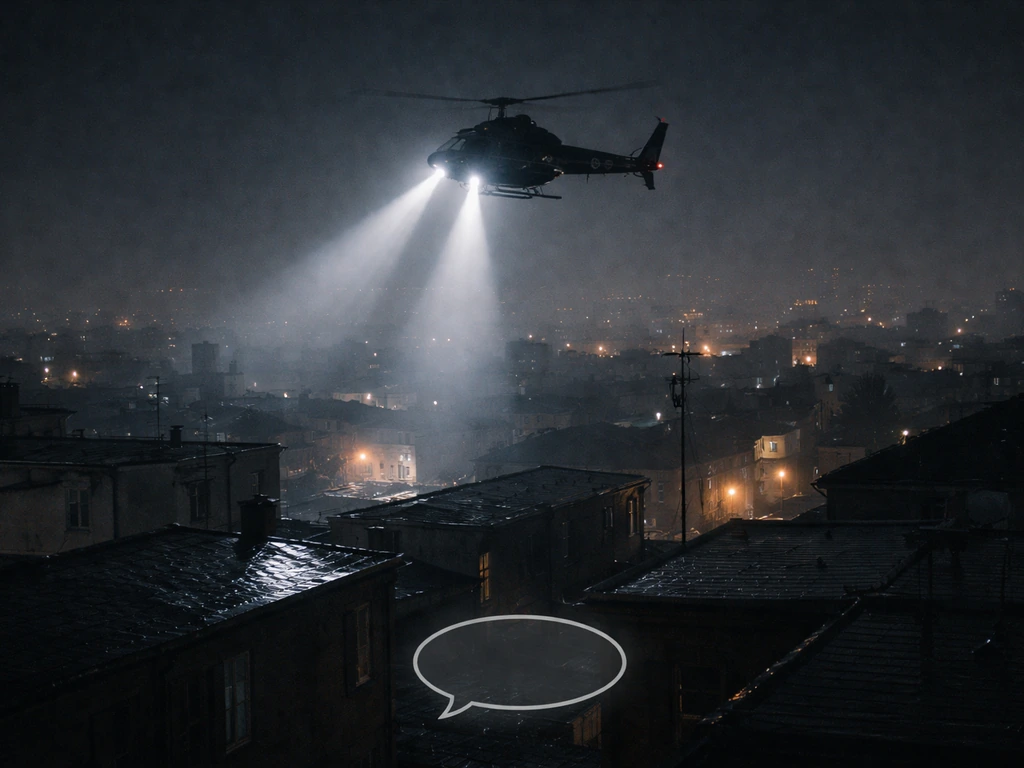
It's worth noting that 'silly' is doing real work in this phrase. A 'silly sounding laugh' usually points to a call that sounds cartoonish, exaggerated, or clownish rather than a melodic bird song. That narrows the field considerably. It also rules out adjacent sibling concepts like the 'cheeky bird' or 'cunning bird,' which are more about personality or behavior than the literal sound of laughter. And it's unrelated to something like 'ghetto bird,' which is pure slang for a police helicopter, not a call description at all.
The birds most likely to make that laugh-like sound
Here are the four birds people most commonly describe as having a 'silly' or laugh-like call, and where you're likely to hear each one.
Laughing Kookaburra
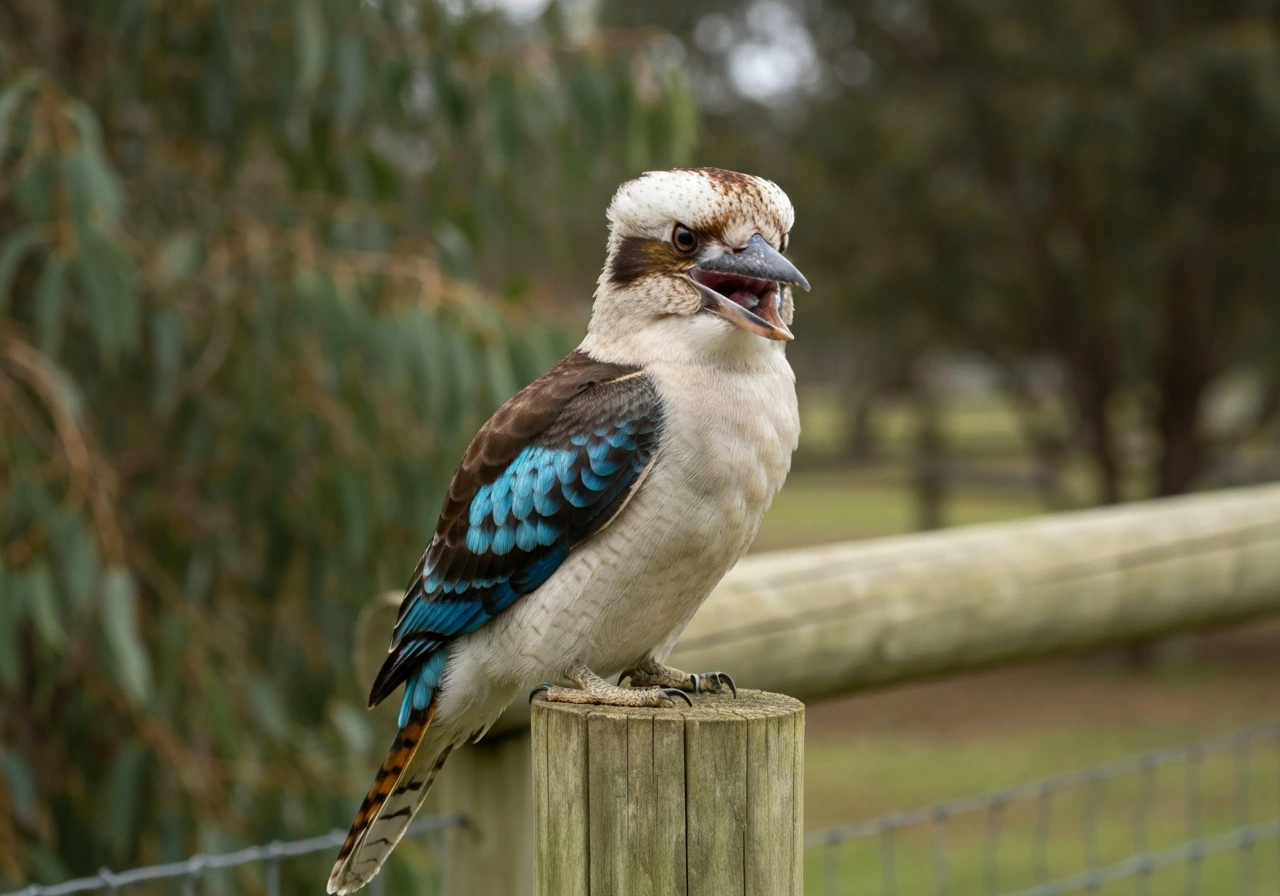
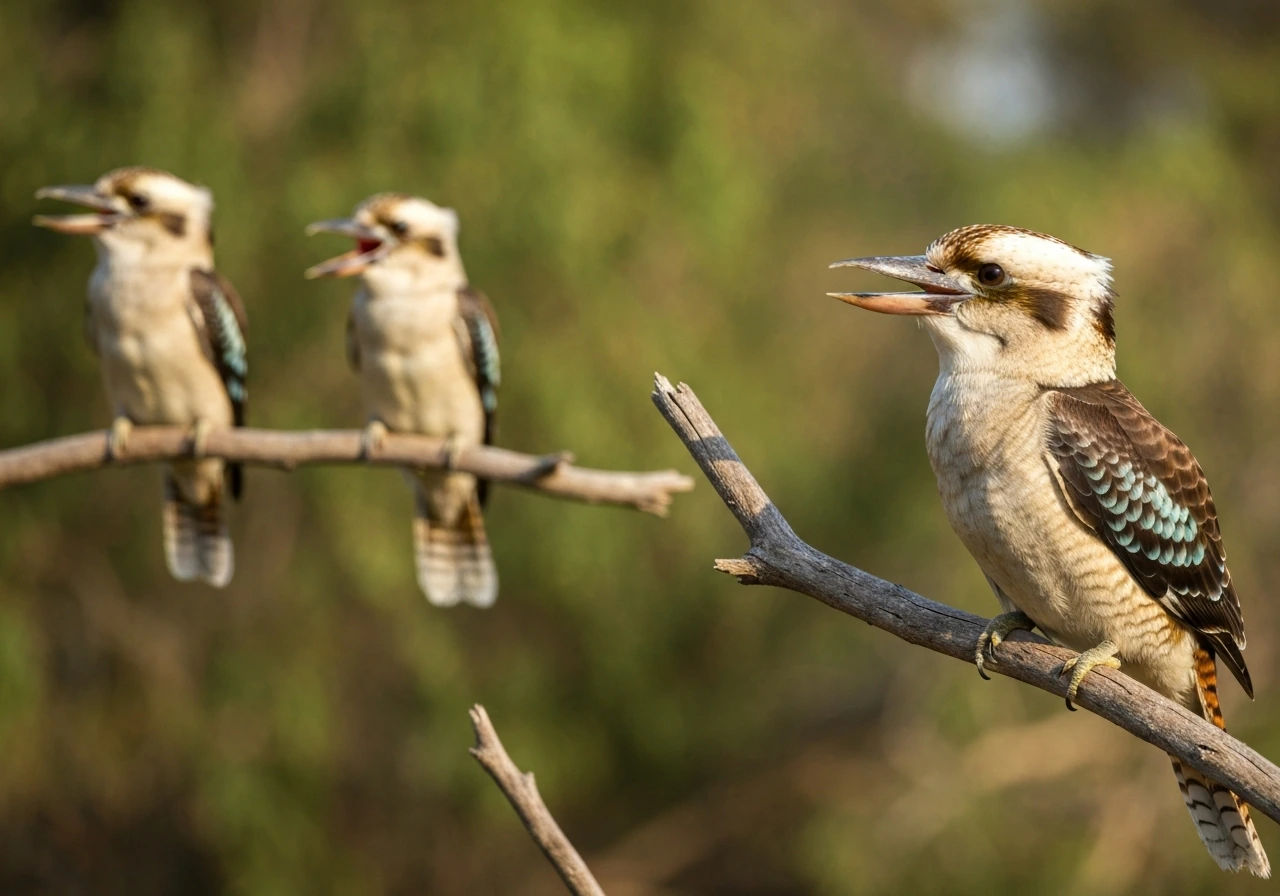
This is probably the bird most people picture when they imagine a 'laughing bird. ' The Laughing Kookaburra, native to Australia and parts of New Zealand where it was introduced, produces a territorial call that sounds so much like uncontrolled human laughter that it's hard to describe as anything else. The call is often delivered by a group of birds simultaneously, which makes it even louder and more chaotic.
If you've ever heard a jungle sound effect in an old movie or TV show, there's a solid chance it was a Kookaburra recording, even if the scene wasn't set in Australia. It's that distinctive. National Geographic has called it a symbol of Australian birdlife, and it's the bird behind the children's song 'Kookaburra Sits in the Old Gum Tree,' written by Marion Sinclair.
Laughing Gull
If you're in North America, especially along the Atlantic or Gulf coasts, the bird you're hearing is far more likely to be the Laughing Gull. Audubon describes its call as a loud, high-pitched 'ha-ha-ha-ha-haah-haah-haah-haah-haah,' which is exactly where it gets its name. The call is raucous and slightly manic-sounding, which absolutely qualifies as 'silly.' Laughing Gulls are common in summer along the eastern US coastline and are hard to miss at beaches, piers, and marinas.
Green Woodpecker (the 'Yaffle')
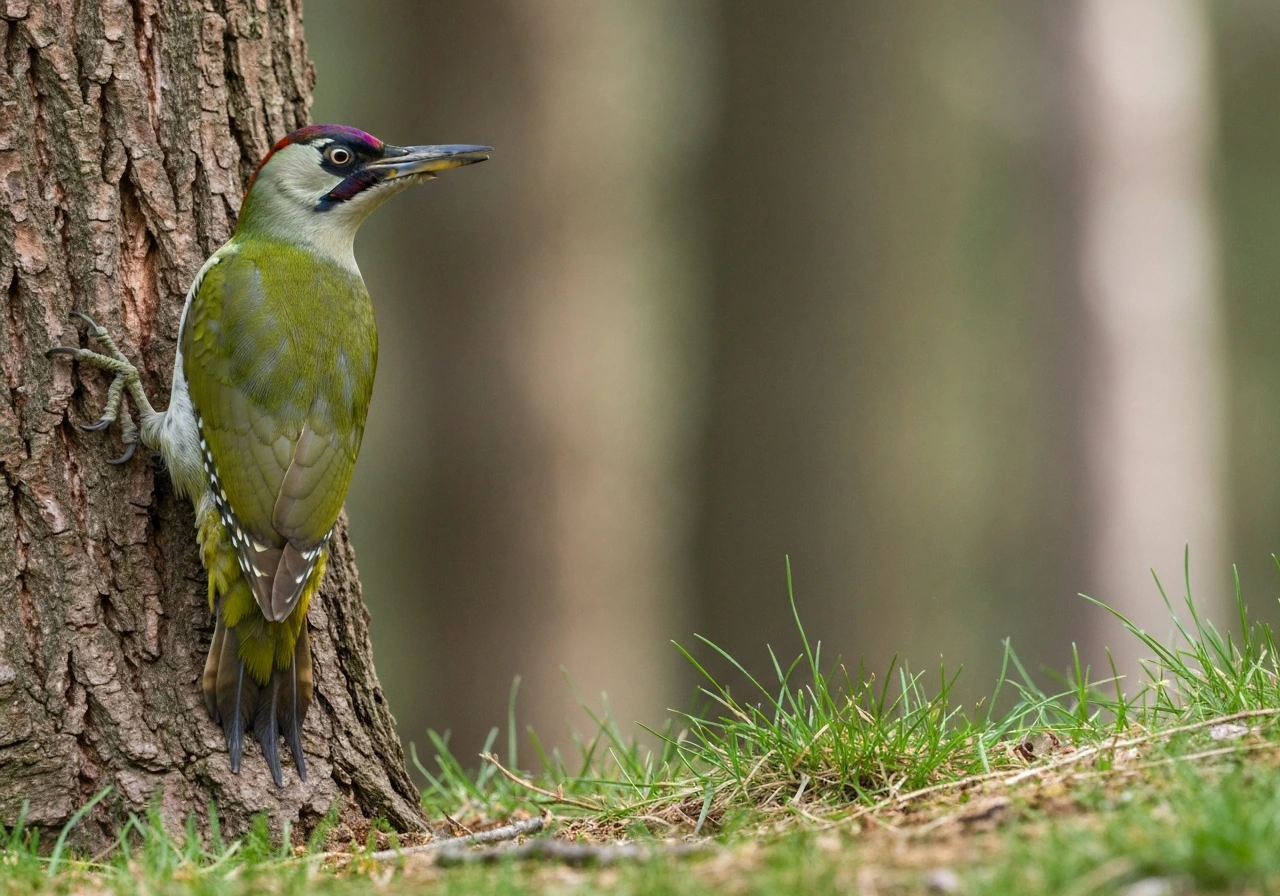
In the UK and across Europe, the bird with the laugh-like call is almost certainly the Green Woodpecker. Its folk name is literally 'yaffle,' which comes directly from the sound of its call: a ringing, slightly mocking series of notes that many people describe as a laugh. Wildlife organizations like Wiltshire Wildlife Trust and Montgomeryshire Wildlife Trust both describe it as a 'laughing yaffle call,' and it's considered one of the most distinctive sounds in the British countryside. You often hear it before you ever see the bird, calling from woodlands, parks, and large gardens. The call has a slightly descending quality, like laughter winding down.
Laughing Falcon
Less commonly encountered but worth knowing: the Laughing Falcon is a medium-sized bird of prey found from Mexico down through Central and South America. Its call is described as a repetitive 'wah wah' or 'ha...ha...ha' sound, which is slow and emphatic rather than giddy. It has cultural significance among Maya communities and has its own dedicated entry in ethnobiology literature, which tells you this bird's laugh-like call has been meaningful to people for a very long time, not just as a curiosity but as a symbol.
How to tell these birds apart by their call
If you actually heard the sound and you're trying to confirm which bird made it, these listening clues should help you narrow it down fast.
| Bird | Call character | Location | Time of day |
|---|---|---|---|
| Laughing Kookaburra | Loud, chaotic group laughter; long sustained bursts | Australia, introduced in NZ | Dawn and dusk especially |
| Laughing Gull | High-pitched ha-ha-ha sequence; raucous and rapid | Atlantic and Gulf coasts, USA | Daytime, near water |
| Green Woodpecker | Ringing, descending laugh-like yaffle; clear and musical | UK, Europe; woodlands and parks | Daytime, often from trees |
| Laughing Falcon | Slow, deliberate wah-wah or ha-ha; emphatic not giddy | Mexico to South America | Daytime, open forest edges |
Tone and repetition pattern are your biggest clues. The Kookaburra is the most exaggerated and group-driven. The Laughing Gull is fast and high-pitched. The Green Woodpecker is ringing and descends in pitch. The Laughing Falcon is slow and almost deliberate. Geography settles most of the ambiguity: if you're in England, it's almost certainly the woodpecker. If you're on a US beach, go with the gull. If you're in Australia, it's the Kookaburra.
What a 'laughing bird' symbolizes: literal ID vs. deeper meaning
Once you know which bird you're dealing with, the symbolism layer opens up. Laughing birds have been interpreted in fairly consistent ways across cultures: they tend to represent joy, irreverence, and the kind of unself-conscious happiness that humans often overthink. The Kookaburra specifically is tied to Australian national identity, to childhood (through the nursery rhyme), and to the idea of nature as something a bit chaotic and unbothered by human concerns. It's been used in children's media and storytelling as a stand-in for carefree wildness.
The Laughing Falcon carries a more layered meaning. In Maya tradition, the bird has been associated with omens and spiritual significance, and the ethnobiology literature records it as culturally meaningful rather than just an amusing sound. That's the difference between a 'laughing bird meaning' in a casual pop-culture sense versus a 'laughing bird meaning' in a cultural or literary context. The species matters.
The Green Woodpecker's yaffle is a little different again. In British folklore, the woodpecker's call was sometimes linked to rain (country people called it the 'rain bird,' believing it called before storms), which gives it an almost oracular quality alongside the comedy of the laugh. So 'laughing bird' in a British literary or poetic context might carry that extra layer of weather-prediction lore.
In general, across literature and everyday speech, a laughing bird tends to represent one of three things: uncomplicated joy and being present in the moment; mockery or irreverence (the bird 'laughing at' the world or at human seriousness); or a kind of otherworldly omen, where laughter in nature feels startling or significant. Which interpretation fits depends entirely on the context you're reading or hearing it in.
Idioms and everyday phrases built around bird laughter
The word 'cackle' is the bridge between literal bird calls and human idiom. Cambridge defines 'cackling' both as the actual sound a bird (like a chicken) makes and as a description of a person laughing in a loud, high, somewhat unpleasant way. When you call someone's laugh a 'cackle,' you're borrowing from the bird world, even if most people don't realize it. It implies the laugh is uncontrolled, a bit undignified, and maybe slightly ridiculous, which is exactly what makes it useful as a description.
You'll also see 'laughing like a kookaburra' used in Australian English as a colorful way of saying someone is laughing loudly and without restraint. It's affectionate rather than critical, because the Kookaburra is a beloved cultural symbol rather than a pest bird. Compare that to describing someone as 'cackling like a magpie,' which has more of a sharp, intrusive, slightly grating connotation.
In metaphorical writing, a laughing bird often functions as a foil to human seriousness. Writers use the image of a bird laughing overhead while humans struggle below as a way to suggest either cosmic indifference or a gentle reminder not to take things too seriously. The 'laughing bird meaning' in that context is philosophical as much as ornithological.
This connects naturally to the broader category of 'silly bird meaning,' where a bird's behavior or sound is used to describe something absurd or charmingly ridiculous in human life. These kinds of bird-based metaphors are alive in everyday English, and knowing which specific bird is being referenced (the silly kookaburra, the raucous gull, the yaffle woodpecker) usually tells you a lot about the tone the speaker or writer is going for.
How to confirm the species and meaning today
If you're trying to ID the bird from a sound you heard, the fastest tool available right now is blank" rel="noopener noreferrer">Merlin Sound ID, built by the Cornell Lab of Ornithology. Open the app, hit the Sound ID feature, and record the bird calling for at least 30 seconds (longer if it keeps going). Merlin will match it to species in its database in real time. The main caveat from eBird's own guidance: blank" rel="noopener noreferrer">if Merlin comes up empty, the species might be outside its trained region, or the audio quality might be too low. In that case, try moving closer or recording in a quieter spot before ruling anything out.
iNaturalist is a useful second option, but there's a catch: unlike with photos, iNaturalist doesn't run automated computer-vision ID on audio files. If you upload a sound recording there, you're relying on the community of human identifiers to weigh in, which still works well but takes longer than Merlin's instant match.
If you didn't record the sound and you're working from memory, describe the call as specifically as you can: Was it high-pitched or low? Did it speed up, slow down, or stay even? Did it sound like one bird or a group? How many times did it repeat? Was it in a woodland, a beach, a garden, or open countryside? These details will let you search Xeno-canto (a free global bird sound library) or cross-reference with regional bird guides much more effectively than just searching 'laughing bird.'
If you're trying to understand the meaning of the phrase rather than ID a specific bird, your next step is context. Where did you encounter it? A poem, a song lyric, a piece of slang, a nature documentary? The meaning of 'laughing bird' shifts significantly depending on whether it's Australian cultural shorthand (Kookaburra), coastal American casual description (Laughing Gull), British countryside folklore (Green Woodpecker), or something closer to the 'laughing bird meaning' as a symbolic concept in literature.
The meaning of 'laughing bird' shifts significantly depending on whether it's Australian cultural shorthand (Kookaburra), coastal American casual description (Laughing Gull), British countryside folklore (Green Woodpecker), or something closer to the 'cunning bird meaning' concept in literature. If what you mean is a specific phrase or legend, a quick check of the exact “bloodcheep bird” context will help pin down the right bloodcheep bird meaning laughing bird meaning.
Knowing which one you're dealing with gets you to the right interpretation immediately, rather than chasing a generic answer that fits all of them only loosely.
- Record the call with Merlin Sound ID for at least 30 seconds to get an instant species match.
- If Merlin can't match it, describe the call (pitch, speed, repetition, solo vs. group) and search Xeno-canto by region.
- Use geography as your first filter: UK points to the Green Woodpecker, US coasts point to the Laughing Gull, Australia points to the Kookaburra, Central/South America points to the Laughing Falcon.
- If you're after the symbolic meaning, identify the context first (literature, slang, folklore, children's media) before settling on an interpretation.
- For slang or idiomatic uses, check whether 'cackling' or 'laughing like a kookaburra' is the phrase in play, since each carries a slightly different cultural flavor.
- Cross-reference with sibling concepts like 'laughing bird meaning' or 'silly bird meaning' if the phrase you encountered feels more metaphorical than literal.
FAQ
Is “bird with a silly sounding laugh” an official bird name?
No. It’s a description people use to point to a sound. The closest matches are specific species by region (like kookaburra in Australia, laughing gull on US coasts, yaffle woodpecker in the UK), but you should treat it as an identification problem, not a formal taxonomy name.
What if the call I heard sounded like laughter but I’m not in the suggested regions?
Don’t assume the “wrong” bird automatically. Distance, migration, or mishearing can shift the likely species. Your best fix is to record a longer sample and check both timing and habitat (woodland versus beach), then cross-check with a sound library rather than relying only on geography.
How can I tell whether it was a single bird or a group call?
Listen for overlap. Kookaburra-style “laughter” is often delivered in bursts by multiple birds at once, creating a chaotic layer, while some other “laugh-like” calls sound more like a steady solo phrase. If the sound peaks in volume from several directions at once, that points to group calling.
What time of day should I pay attention to for these “laughing” birds?
Calls can cluster at certain times, but the key is pattern. If you hear repeated, brief laughing bursts close together, try to note whether it happens around dawn or at night, then use that timing alongside habitat to narrow candidates (for example, coastal gulls are often easier to locate by consistent beach-area activity).
If Merlin Sound ID returns no match, what should I do next besides just trying again?
Improve the audio first. Move closer if it’s safe, record with less background noise, and capture the full sequence (start before the call peaks, then keep recording until it stops). Also try a second recording from a different position, since directional microphones can misrepresent pitch and timing.
Can “laughing” in bird meaning refer to a person’s laugh, not a bird call?
Yes. In everyday speech, words like cackle describe a human laugh using bird-like imagery. So when a source says “laughing bird” or “laughing like a bird,” it could be metaphor for a person, especially in jokes, song lyrics, or informal descriptions, not an actual species.
What’s the difference between a “laughing bird meaning” in pop culture versus folklore?
Pop-culture uses usually emphasize vibe (joy, irreverence, carefree energy) tied to a recognizable “laughing bird” sound. Folklore or ethnographic contexts usually attach specific symbolic roles like omens or weather lore, so the exact species matters more than just the idea of laughter.
How should I interpret “yaffle” if I see it in UK writing?
“Yaffle” is a folk name for the Green Woodpecker’s call. If a poem or local account mentions a rain-bird or a mocking ringing call in British countryside terms, it’s likely referring to that woodpecker call rather than a general “laughing bird” concept.
Are there common mistakes when searching for this meaning online?
Yes. People often search the exact phrase without noting habitat or pitch, which leads to mismatches. Another common mistake is treating “silly sounding laugh” like a single species label. Your search will work better if you add descriptors like “high-pitched,” “group,” “descends in pitch,” or “slow repetitive ha-ha.”
What details should I write down if I cannot record the sound?
Capture call structure, not just “laughter.” Note pitch (high or low), whether it speeds up or slows down, how many beats or syllables repeat, whether it seems like one bird or multiple, and the setting (woodland, garden, open countryside, beach, pier). Those specifics let you search sound archives much more accurately than a generic phrase.
Next Article
Ghetto Bird Meaning: What It Says and How to Respond
Plain meaning of ghetto bird slang, how it’s used as an insult, and practical ways to respond and interpret it.