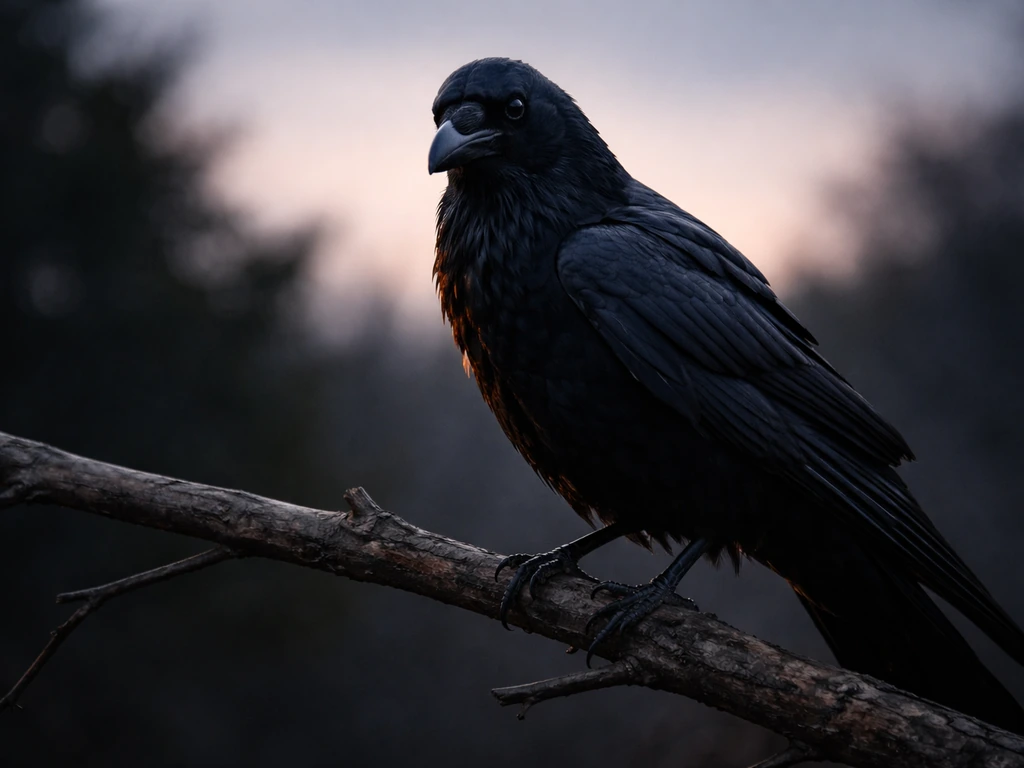
When someone says 'poor bird,' they almost always mean one of two things: they're expressing genuine sympathy for an actual bird in distress, or they're using it as a soft, affectionate phrase to pity a person (or sometimes a situation) that seems helpless, sad, or unlucky. If you meant a different bird phrase entirely, you can also check bloodcheep bird meaning, since it refers to a specific expression rather than the common sympathy usage described here. Think of it the same way you'd use 'poor thing' or 'poor soul.' The bird part just adds a gentle, sometimes poetic flavor to the sympathy.
Poor Bird Meaning: Literal, Idiomatic, and How to Use It

Marcus Reeves
23 May 2026
Literal vs. figurative: two very different uses
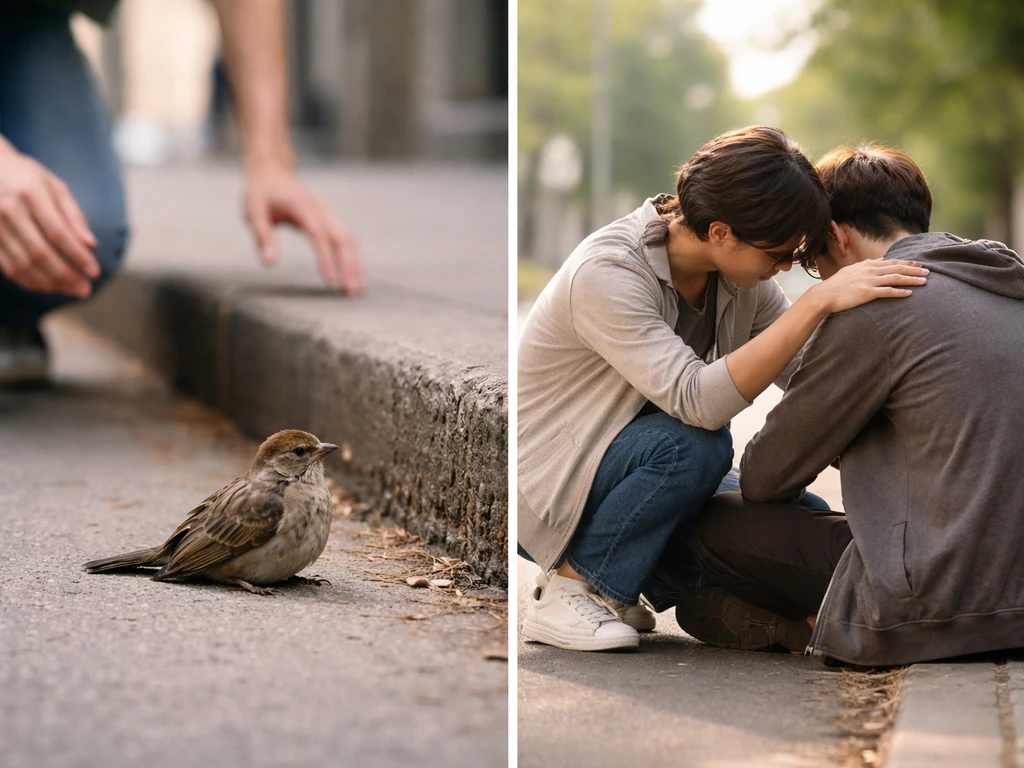
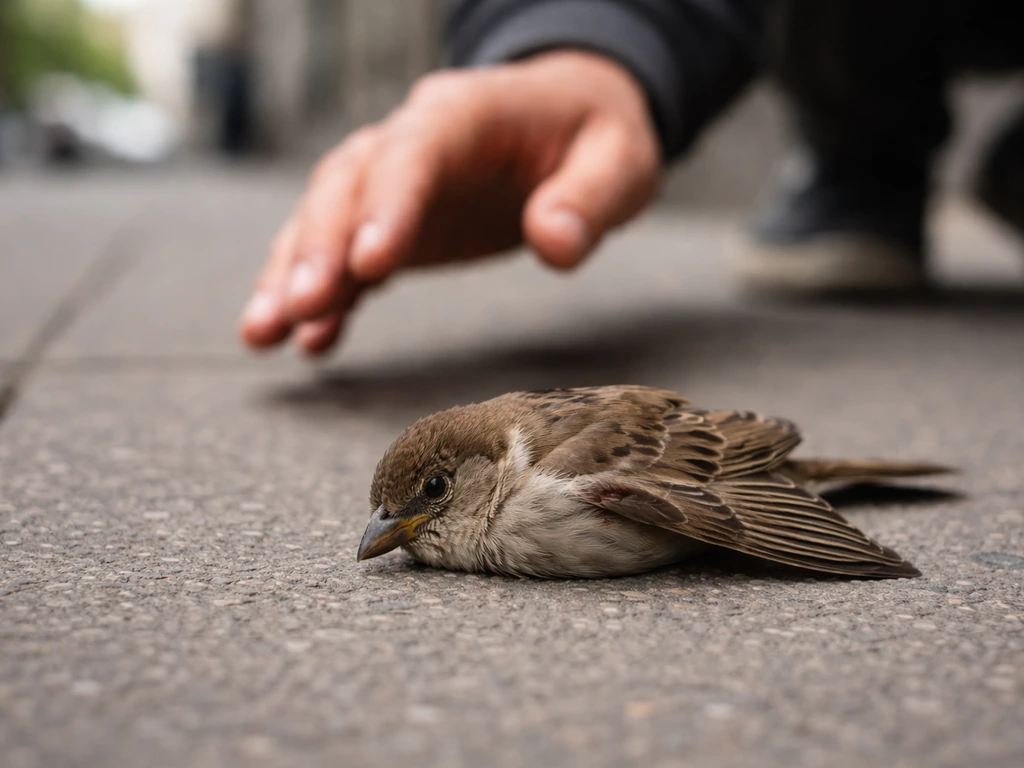
The literal use is exactly what it sounds like. Someone sees a bird with a broken wing sitting on the sidewalk and says, 'Oh, poor bird.' The Cambridge Dictionary actually uses this scenario as a textbook example: 'The poor bird couldn't fly because it had a broken wing.' Here, 'poor' means deserving sympathy, full stop. There's nothing metaphorical going on.
The figurative use is where it gets more interesting. 'Poor bird' gets applied to people, characters, or even abstract situations to signal that something unfortunate or pitiable is happening. blank" rel="noopener noreferrer">Shakespeare used it this way in The Passionate Pilgrim, writing 'She, poor bird, as all forlorn,' describing a character's suffering through the bird comparison. The bird here isn't literal, it's a symbol of vulnerability and abandonment. Thoreau did something similar in his poem 'To a Stray Fowl,' addressing a lost bird with a direct, exclamatory 'Poor bird!' that carries both literal concern and a deeper metaphorical tenderness. In both cases, the phrase does double duty: it names the subject and immediately frames them as someone deserving compassion.
A handy way to tell which one you're dealing with: if there's an actual bird in the scene, it's probably literal. If the phrase is applied to a person, a character, or someone's general situation, it's figurative pity language.
The most common ways people actually use it
In everyday speech, 'poor bird' tends to show up in three main modes.
- Genuine sympathy for a real bird: spotting an injured or lost bird and reacting with 'poor bird' as a natural, compassionate exclamation.
- Affectionate pity for a person: calling someone a 'poor bird' (usually not directly to their face) to express that you feel bad for their situation, similar to 'poor thing' or 'poor soul.'
- Playful or teasing mock-sympathy: using 'poor bird' with a bit of lightness or humor, like 'poor bird, he is obsessed!' to gently poke fun at someone's fixation without being mean about it.
The third mode is worth flagging because it's easy to miss if you're reading quickly. When 'poor bird' is wrapped in humor or irony, it's not really expressing deep sorrow, it's closer to an eye-roll with warmth. You'll usually catch this from the surrounding context: exclamation marks, jokes, or a generally lighthearted tone signal that the speaker isn't being entirely serious.
Reading the tone: kind, neutral, or teasing?

The phrase 'poor bird' can land in very different emotional registers depending on delivery and context, so it's worth knowing what to look for.
| Tone | What it looks like | Example |
|---|---|---|
| Genuinely kind | Said softly, often about someone vulnerable or in real trouble | 'She lost her job and her apartment the same week. Poor bird.' |
| Neutral/observational | Matter-of-fact, no strong emotional charge | 'The poor bird sat in the rain for an hour before flying off.' |
| Teasing/playful | Said with humor, irony, or exaggeration | 'Poor bird, he checks the weather app every five minutes!' |
Punctuation is a real signal here. When writers use 'Poor bird!' with a capital P and an exclamation point, as Thoreau did, they're signaling strong emotional investment and direct address. The Walden.org PDF of Thoreau’s work preserves the exclamation in “TO A STRAY FOWL” as “POOR bird!”, reinforcing how writers use punctuation to signal feeling and direct address. A lowercase, comma-separated 'poor bird' tucked into a longer sentence reads as quieter and more observational. In spoken conversation, watch for tone of voice and whether the speaker is smiling. A drawn-out, soft 'poor bird' is compassionate. A quick, grinning 'poor bird!' is almost certainly teasing.
One thing to be aware of: even genuinely kind uses of 'poor [noun]' phrases can accidentally come across as condescending if the person they're aimed at overhears or is told about it. Saying 'poor bird' about someone behind their back, even warmly, can sting if it reaches them. This is the same dynamic that makes phrases like 'oh, you poor thing' feel patronizing in some contexts, like when it's said to someone dealing with a serious illness.
How 'poor bird' compares to similar phrases
The 'poor + noun' pattern is one of the most common sympathy structures in English. 'Poor thing,' 'poor soul,' 'poor dear,' and 'poor chap' all work the same way, with 'poor' functioning as a sympathy marker and the noun defining who or what is being pitied. Wiktionary defines 'poor thing' as simply 'someone or something to be pitied,' which is a near-perfect definition for 'poor bird' in figurative use too.
Where 'poor bird' differs from 'poor thing' or 'poor soul' is mostly in tone and imagery. 'Poor thing' is extremely common and neutral, usable for people, animals, or objects. 'Poor soul' leans slightly more serious and literary, often used for someone in genuine suffering. 'Poor dear' (as in 'the whole experience bothered him, poor dear') is warmer and more intimate, often used for someone you're fond of. 'Poor bird' sits somewhere between 'poor thing' and 'poor dear.' It has a gentler, slightly more poetic feel than 'poor thing,' partly because of the bird imagery, but it's not as heavy as 'poor soul.'
In the world of bird-specific expressions, 'poor bird' is more emotionally direct than something like a 'ghetto bird' (a slang term for a police helicopter) or a 'cheeky bird' (a playfully bold person). The ghetto bird meaning, in slang, refers to a police helicopter. Those phrases use bird as a descriptor for personality or category. 'Poor bird' is specifically about evoking pity and tenderness, not character traits. In contrast, a "cunning bird" phrase gets used differently, and people often ask what it means in that context evoking pity and tenderness.
Cultural and literary roots of the phrase
Birds have been symbols of vulnerability and freedom in Western literature for centuries, which is partly why 'poor bird' carries such natural emotional weight. When a bird is 'poor,' it's usually grounded, caged, lost, or injured, all of which map neatly onto human feelings of powerlessness or misfortune. That symbolic connection is what makes the phrase work as a metaphor, not just a description.
'Ah, Poor Bird' is even an English folk song, which shows how deep the phrase runs in the culture. The song uses 'poor bird' in a mournful, gentle register, reinforcing the idea that this is a phrase associated with sorrow and compassion rather than judgment. Thoreau's poem 'To a Stray Fowl' (published in major literary collections including a Gutenberg edition of his works) uses the same emotional register: the bird is lost and alone, and the speaker addresses it with concern and empathy.
In translation contexts, the phrase also holds up well. Russian equivalents like 'бедная птичка' (poor little bird) carry the same affectionate pity tone, confirming that this is a cross-cultural sympathy pattern, not just an English quirk. When you're reading translated literature and see 'poor bird,' you're seeing a deliberate choice to preserve that emotional softness in English.
One thing worth noting for writers and students: the phrase often appears in apostrophe, which means the speaker is addressing the bird (or the person being compared to one) directly. This direct address is what gives lines like Thoreau's 'Poor bird!' their emotional punch. It creates intimacy and urgency that a third-person description like 'the poor bird' doesn't have.
How to respond, and how to use it yourself
If someone calls you a 'poor bird' or says it about you, the best response depends on the tone. If it's genuinely sympathetic, a simple 'yeah, it's been a rough time' works perfectly. You don't need to push back or be offended unless the person is being condescending about it. If it's playful or teasing, you can lean into the humor: 'I know, I know, I really am a mess about this.' Matching the tone is the key move.
If you want to use 'poor bird' yourself, here's what to keep in mind. Use it for situations that are genuinely a bit sad or unfortunate, either literally (an actual bird in trouble) or figuratively (a person dealing with something rough). It works best when said with warmth, not superiority. Avoid using it directly to someone's face if you're not sure how they'll receive the pity framing. Saying 'you poor bird' to someone who is already feeling fragile can read as patronizing even if that's not your intent.
- Use it as a warm, sympathetic aside: 'He's been trying for months with no luck. Poor bird.'
- Use it literally for animals: 'Poor bird, it looked so disoriented after flying into the window.'
- Use it playfully only when the tone is already light and the relationship supports gentle teasing.
- Avoid using it directly to someone's face in a serious moment unless you know them well enough that 'poor bird' reads as affectionate rather than dismissive.
- In writing, pair it with exclamation or direct address to amplify emotional weight; keep it lowercase and embedded in a sentence for a quieter, observational feel.
The phrase is genuinely versatile once you understand what it's doing emotionally. It's not an insult, it's not neutral, and it's not always serious. It's a sympathy shorthand with a soft, slightly literary edge, and used well, it's one of those phrases that says a lot with very few words. If you meant a different idiom involving a bird that “laughs” in a silly way, check the bird with a silly sounding laugh meaning so you use it correctly. If you meant the “laughing bird” phrase instead, the laughing bird meaning can differ based on where you encountered it. The silly bird meaning is basically this: a short, affectionate way to show pity or tenderness toward someone or something sympathy shorthand.
FAQ
How can I tell if “poor bird” is meant literally or metaphorically in a sentence?
Yes. If a speaker is talking about a real bird and adds “poor bird” as a comment about its condition, it is literal pity. If they use it to describe a person’s emotional state, misfortune, or helplessness, it is figurative sympathy, even if the comparison mentions a bird.
Is it ever an insult, or does it always mean sympathy?
A common slip is using “poor bird” as a put-down, like “you poor bird” to mock someone’s problems. In modern everyday use, it usually signals tenderness or sympathy. If the speaker’s tone is cold, annoyed, or dismissive, readers will likely interpret it as condescending rather than caring.
What punctuation or capitalization cues should I pay attention to when using “poor bird” in writing?
If you are writing dialogue, punctuation and capitalization matter. “Poor bird!” (direct address) usually feels more emotional and intimate. “poor bird” in the middle of a longer sentence sounds milder, more observational, and can read as less dramatic.
What’s the best way to respond if someone calls me a “poor bird”?
If someone says it to you and you are not sure of the intent, check for tone first, then context. A gentle, slower delivery with no edge usually means support. A quick, laughing delivery, or saying it while teasing, suggests they mean it playfully rather than seriously.
When could “poor bird” come across as patronizing even if I’m trying to be kind?
Avoid using it on someone who is already expressing serious distress, especially if you say it directly to their face or behind their back. Even well-meant sympathy can land as patronizing if it reframes their situation as something to be pitied instead of something they are actively dealing with.
Is “poor bird” appropriate for serious situations, or is it better for lighter sadness?
Use it for mild to moderately sad circumstances, or for character vulnerability. For very serious or clinical situations (like severe injury, trauma, or ongoing medical crises), many people prefer more direct supportive language because “poor” plus a pity image can feel too small or too performative.
How does “poor bird” compare to other “poor + noun” phrases like “poor thing” or “poor soul”?
Yes, the pattern “poor + noun” is flexible. “Poor bird” can sound slightly more poetic than “poor thing,” and slightly less heavy than “poor soul.” If you want gentler imagery, “poor bird” fits, but if you want a more neutral, common option, “poor thing” may read more naturally.
Is “poor bird” ever used like slang with a specific meaning?
Don’t treat “poor bird” as slang for a specific type of person or role. Phrases that use “bird” as a category label can work differently. “Poor bird” is primarily sympathy framing, not a descriptor of identity, job, or group.
Next Article
Cunning Bird Meaning: Metaphor, Species, and How to Tell
Understand cunning bird meaning: literal and metaphor uses, likely species, and how to tell if it means smart or sneaky.