
"Strut bird" is not an official species name or a fixed slang term with one locked-in meaning. It's a descriptive phrase that can mean either a literal bird known for strutting (think turkeys, peacocks, or woodcocks doing their famous courtship walk) or a figurative shorthand for a person or character who moves through life with swagger, showiness, or dominant confidence. Which meaning applies depends almost entirely on where you found the phrase and who said it. If you're also searching for a “stout bird” meaning, that phrase usually points to a different kind of description and context than “strut bird.” stout bird meaning.
Strut Bird Meaning: Literal and Figurative Explained

Marcus Reeves
2 Jun 2026
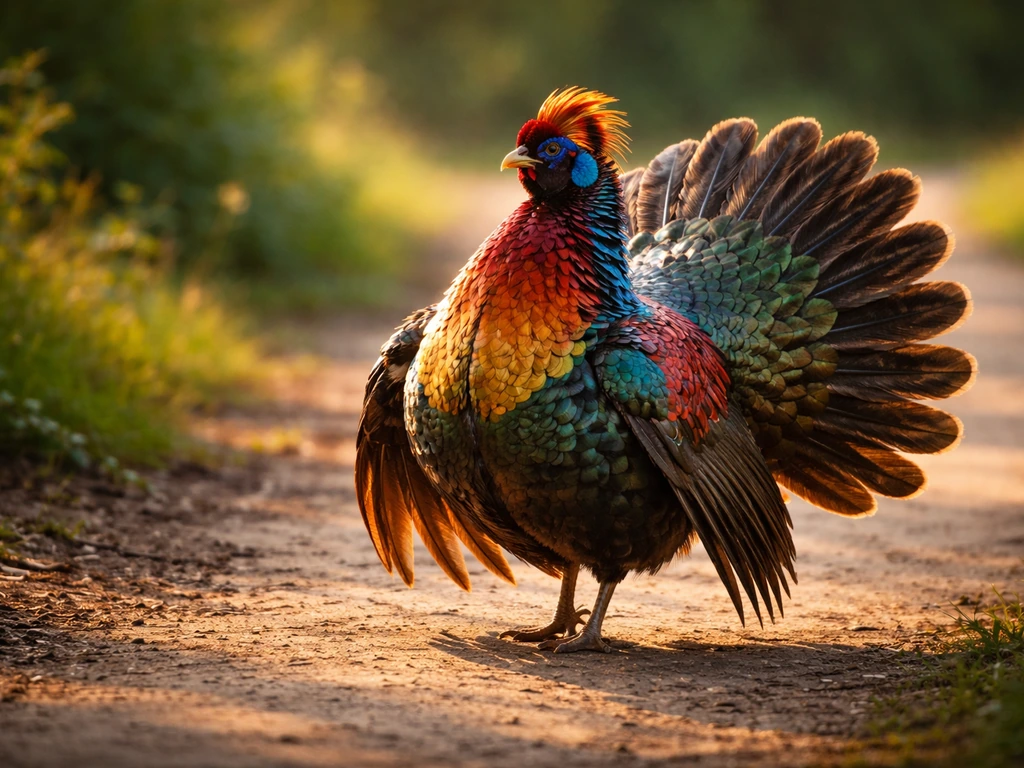
What "strut bird" usually refers to
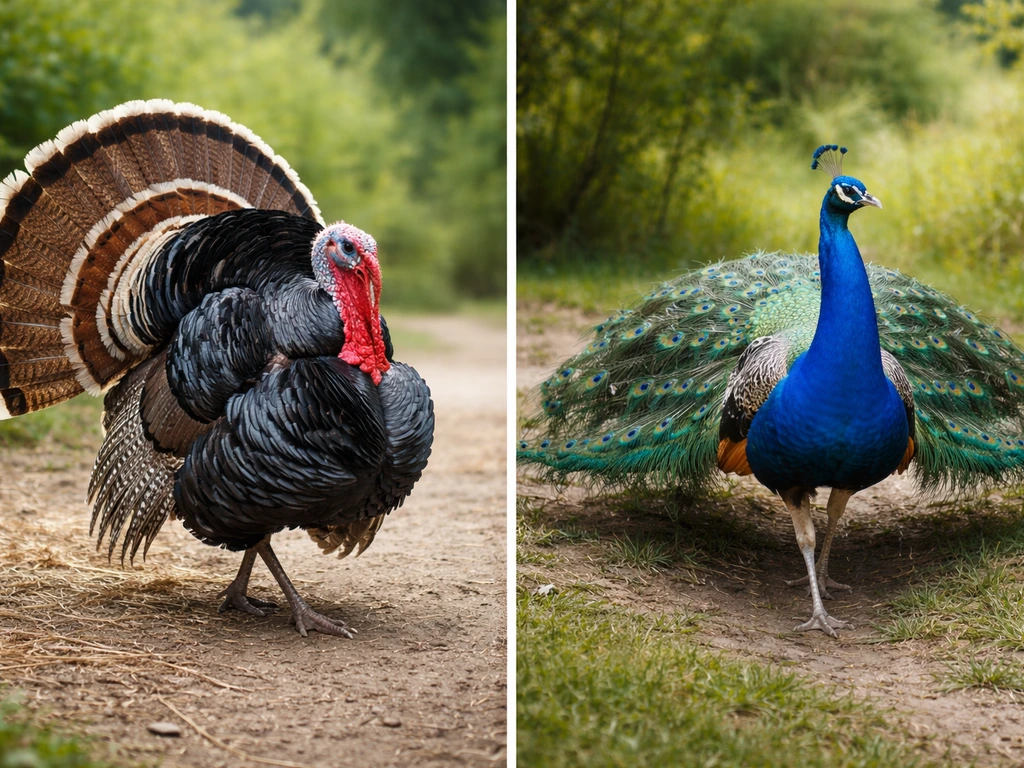
In most cases you'll encounter this phrase doing one of two jobs. The first is literal: describing an actual bird whose signature move is a bold, chest-out, display walk. Turkeys are the clearest example here. The National Wild Turkey Federation explicitly frames the strut as a specific turkey courtship and dominance behavior, noting that turkeys are "non-strutting" most of the time, which means when they do strut, it's a distinct performance.
Peacocks, woodcocks, and even starlings get the same treatment in wildlife writing. An AP News piece on Manhattan woodcocks describes the bird's "bobbing strut" and quotes a professor calling it a "nice little dance," while crowds gather just to watch. These are real birds, doing a real behavior, and a writer calling one a "strut bird" is just tagging it with its most recognizable trait.
The second job is figurative. Here, "strut bird" is used the way you'd call someone a peacock or a showboat. The bird part is almost incidental. The word doing the heavy lifting is "strut," which Merriam-Webster defines as both walking with "a proud gait" and displaying "arrogant behavior: swagger." When someone on social media calls a person a "strut bird" in a caption or comment, they're borrowing that swagger energy and attaching it to whoever's in the frame.
Literal vs. figurative: how it plays out in real speech and writing
The literal use shows up in wildlife writing, bird-keeping communities, and natural history content. It describes observable animal behavior. A bird is standing tall, fanning its feathers, puffing its chest, walking slowly and deliberately to assert dominance or attract a mate. On Reddit's bird-keeping forums, people describe their conures doing an "intimidation march" when their owner walks in, and others respond that "display can mean territorial as well as excited and can sometimes be used as a happy dance." That's the literal register: behavior you can watch and categorize.
The figurative use shows up in captions, creative writing, sports commentary, and everyday conversation. Here, a person (or a team, or a character) is described as a strut bird to signal that they carry themselves with visible confidence, sometimes admiringly and sometimes as a gentle dig at someone who's being a bit too full of themselves. The tone is everything. "Look at her, total strut bird" reads as a compliment in most social media contexts.
"He strutted in like he owned the place" is the same energy but leans toward mockery. The Free Dictionary explicitly defines "strutted" in the idiom sense as walking "in a vain, swaggering, or pompous manner," so the figurative range runs from cool confidence to pure arrogance depending on framing. The Free Dictionary defines [“strutted” as walking in a vain, swaggering, or pompous manner](https://idioms. thefreedictionary.
com/strutted).
The personality traits people attach to a strutting bird
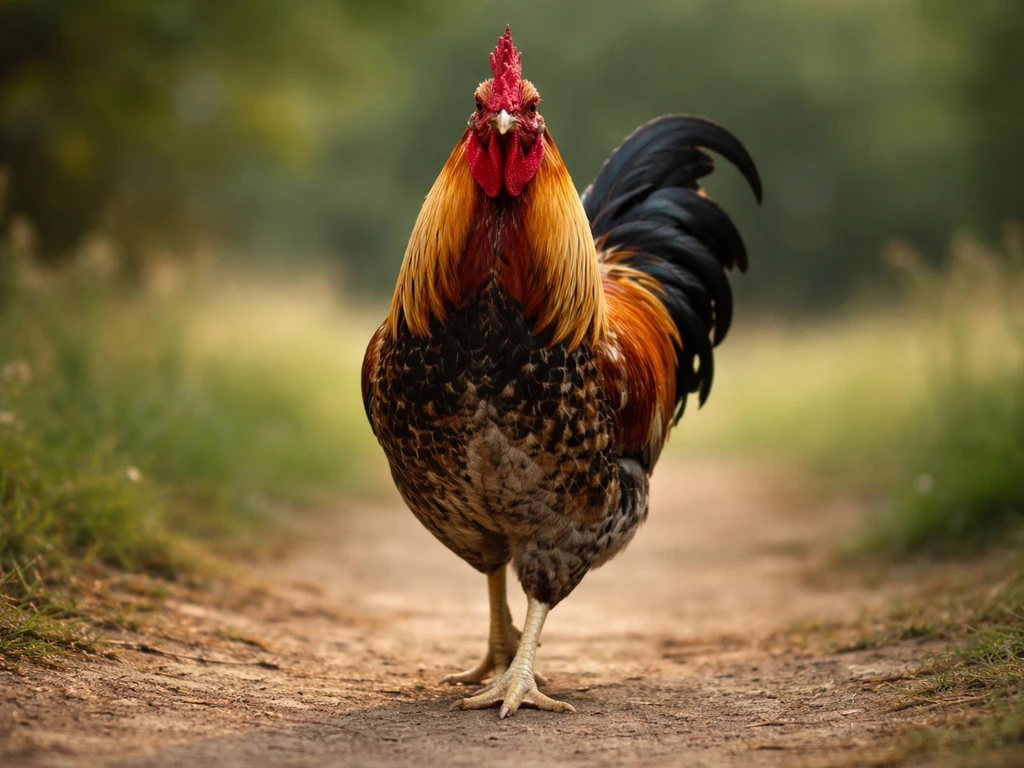
Whether the usage is literal or figurative, certain qualities cluster around the image of a strutting bird consistently across sources and contexts.
- Confidence: The strut is a deliberate, unhurried display. A strutting bird isn't running or hiding. It wants to be seen.
- Dominance: In wildlife contexts, the strut is often about claiming space. Starlings, according to a Museum of Zoology blog, "strut about dominating the bird feeders and forever squabbling." The strut signals rank.
- Showiness: The visual spectacle is inseparable from the behavior. Peacocks and turkeys in full display are theatrical by nature. The charisma is part of the point.
- Pride (sometimes tipping into arrogance): Cambridge Dictionary frames the related idiom "strut your stuff" as performing or showing something off, which can read as self-assured or as excessive depending on context.
- Attention-seeking: The strut is performed for an audience, whether that's a potential mate, a rival, or a crowd of New Yorkers gathered to watch a woodcock do its thing.
Importantly, the same behavior can be read as charismatic or annoying depending on who's watching and how it's framed. That's why tone is such a useful disambiguation tool when you encounter the phrase.
Related phrases you might be searching alongside this one
If you searched "strut bird" and landed here, there's a good chance one of these related phrases is actually what you were looking for, or what was used in the sentence you found. If you meant geezer bird meaning instead of the strut bird sense, the related clue is usually about how the phrase is used in context and not its literal species.
- "Bird strut": Usually literal, describing the walking display behavior of a specific bird. Common in wildlife articles and nature photography captions.
- "Strutting bird": Same as above but often appears in more descriptive or narrative contexts, like poetry or social captions where the image of the bird is doing symbolic work.
- "Strut your stuff": The established Cambridge Dictionary idiom meaning to perform or show yourself off confidently. If the person you're reading used this, they're firmly in figurative territory.
- "Does a strut" or "went into a strut": Often literal, used in bird-keeping and wildlife writing to describe a specific observed behavior.
- "Strut" alone as a noun: When someone calls a person's walk or attitude their "strut," they mean swagger. That's the Merriam-Webster noun sense: arrogant behavior.
One more thing worth knowing: "strut" also appears in bird anatomy (the criss-crossing structural supports in bird bones are literally called struts). If you ran into the phrase in a biology or anatomy context, that's a completely different meaning unrelated to behavior or personality.
Where you're most likely to find "strut bird" in the wild
Social media captions

This is probably where most people encounter the phrase as a figurative descriptor. Someone posts a photo of themselves dressed up, or walking confidently into an event, and the caption or a comment calls them a strut bird. It's shorthand for "you walk like you own it." The tone here is almost always complimentary.
Wildlife writing and nature journalism
Here it's nearly always literal. Nature writers love the word because it carries personality. Calling a turkey or a woodcock a strut bird is both accurate (they do strut) and vivid (it tells you something about what watching that bird feels like). The AP piece on woodcocks is a good example: the framing is playful and the behavior is real.
Sports and workplace commentary
In sports, calling an athlete a strut bird usually means they celebrate visibly, command attention, or carry themselves with dominant energy. It can be admiring ("he's a strut bird, pure confidence") or a mild slight ("always with the theatrics"). In workplace contexts it's more likely to be used critically, describing someone who takes credit loudly or walks into a room like they run it.
Literature and poetry
In creative writing, a strutting bird image is often doing symbolic heavy lifting. It can represent pride, vanity, or powerful self-possession depending on whether the writer frames it warmly or ironically. A peacock strut in a poem signals something different from a starling strut, even though the physical behavior is similar. Pay attention to what species (if named), what the bird is doing before and after, and whether the surrounding language is admiring or deflating.
How to figure out which meaning applies in your specific sentence
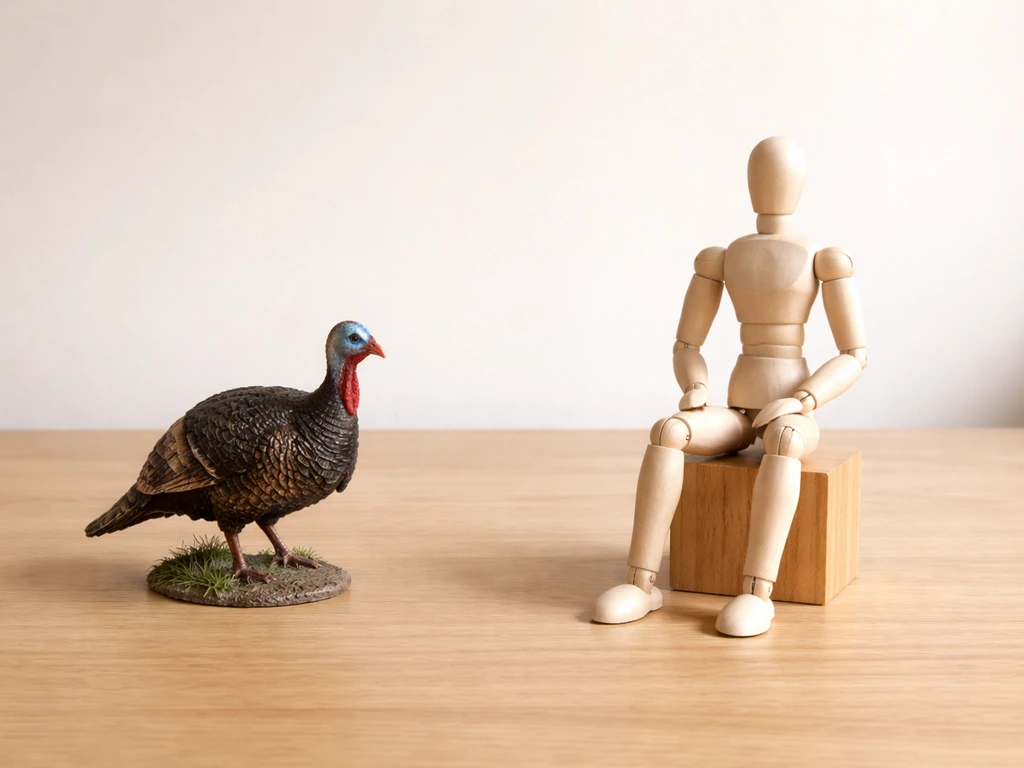
Ask yourself three quick questions when you encounter "strut bird" and aren't sure how to read it.
- Is an actual bird being described? If the subject is a real animal (turkey, peacock, woodcock, parrot), assume literal first. The phrase is describing behavior, not personality.
- Is a person, team, or character the subject? Then it's almost certainly figurative. You're being told something about how they carry themselves, not their species.
- What's the tone? Admiring language ("charismatic," "owns the room," "confidence") points to the positive end of strut (swagger, self-assurance). Mocking or ironic language ("pompous," "theatrical," "always performing") points to the arrogance end. Both are valid readings of the same root word.
Here are a few examples of how this plays out in practice. "Watch this little strut bird go" under a video of a turkey fanning its tail: literal, affectionate, descriptive. "She walked into that meeting like a strut bird": figurative, almost certainly complimentary. "He's such a strut bird, honestly exhausting": figurative, mildly critical, using the arrogance sense. The phrase itself stays the same. The surrounding words do all the work.
Quick reference: getting it right and avoiding the common mistakes
| Situation | Likely meaning | Trap to avoid |
|---|---|---|
| Used about an actual bird in wildlife/nature content | Literal: a bird with a distinctive display walk | Don't read figurative swagger into a pure behavior description |
| Used in a social media caption about a person | Figurative: confidence, swagger, showiness | Don't assume it's a species name or formal label |
| Tone is warm and admiring | Positive end of strut: charisma, self-possession, bold presence | Don't assume it's an insult just because "strut" can mean pompous |
| Tone is ironic or slightly eye-rolling | Negative end of strut: arrogance, vanity, attention-seeking | Don't assume it's always a compliment |
| Found in biology or anatomy writing | Structural (bone struts): completely unrelated meaning | Don't apply any behavioral or personality meaning here |
| Phrase is "strut your stuff" not "strut bird" | Established idiom: to perform or show off confidently | This is its own idiom, not the same as calling someone a strut bird |
The biggest misconception to clear up: "strut bird" is not an official species name. There is no bird officially called a strut bird in ornithology or standard field guides. If you saw it used that way, the writer was being descriptive or affectionate, not taxonomically precise. Similarly, it's not a fixed piece of slang with a dictionary entry and a single locked meaning the way something like "flip the bird" is. It's a flexible, context-dependent phrase that borrows its meaning from the word "strut" itself.
If you enjoy these kinds of bird-related personality descriptors, you'll find similar patterns in expressions like "tough bird," "wise old bird," and "old bird," which each use a bird label to shorthand a particular type of person. If you're looking for tough bird meaning, that same pattern of using a bird label to describe a personality type is usually what drives the interpretation.
A phrase like “tough old bird meaning” is similar to how people use bird imagery to shorthand character traits. An “old bird” meaning can also vary by context, often referring to someone experienced, stubborn, or long-winded depending on the tone old bird meaning. The phrase “old bird” can carry a separate meaning depending on the context, so it helps to read it the same way you would “strut bird. ”. The strut bird fits neatly into that tradition: the bird becomes a personality type, and the specific behavior (strutting) tells you exactly what kind.
If you're also seeing geezer bird meaning. If you're also seeing tough old bird meaning, the same idea of context and tone applies, because both phrases rely on how the speaker frames the person or character.
FAQ
How can I tell if “strut bird” is literal (the animal) or figurative (a person) in one glance?
Check for cues like a named species, feathers, tail fanning, or courtship behavior (literal). If the caption talks about confidence, meetings, sports, fashion, or personality (figurative). Also look at whether the subject is doing something humans do, like entering a room or posing, which usually signals figurative usage.
Is “strut bird” an insult, or is it usually a compliment?
It can be either. Compliment tone often includes soft wording (cute, confident, pure confidence). Critical tone shows up with words like exhausting, arrogant, or always doing theatrics. If you see “arrogant/swagger” language around it, treat it as more likely negative.
What if the sentence uses “strut bird” but there is no bird shown or no wildlife context?
Assume figurative unless the post is clearly about animals. Many people use bird labels as shorthand personality descriptions, so “strut bird” can mean someone who takes up space, walks with confidence, or performs for attention even if no literal bird is involved.
Can “strut bird” mean something different in biology or anatomy posts?
Yes. In anatomy discussions, “strut” can refer to structural supports in bones, so “strut bird” could be a misread or unrelated phrase. If the context is anatomy, anatomy diagrams, or bone structure, do not treat it as an animal behavior or personality term.
Is there any specific species most people mean when they say “strut bird”?
No single species. Writers often pick well-known strutters like turkeys, peacocks, woodcocks, or sometimes starlings, but the phrase just points to the strutting display trait. If a species name is missing, the best guess is “a bird that does a bold display walk,” not a particular taxonomic group.
What does it mean if someone says “strut bird” about a teammate or athlete?
Usually it points to visible confidence, celebration, or commanding attention. It can be admiring (confident, fearless) or critical (showy, full of himself). The deciding factor is whether the wording praises performance or mocks attitude.
Are there common mistakes when interpreting “strut bird meaning”?
The big one is assuming it is an official species name or a fixed slang label. Another mistake is ignoring tone, since the same “strut” image can read as charismatic or annoying depending on surrounding words and emojis.
If I want to search this phrase, what variations help me find the right meaning?
Try searching for nearby cues from the sentence you saw, like “strut bird caption,” “strut bird meeting,” “strut bird turkey,” or “bobbing strut.” If you suspect a misspelling, also try “stout bird” since it is a different description often used in separate contexts.
Next Article
Stout Bird Meaning: What It Refers to and How to Tell
Learn stout bird meaning: what stout and bird imply, whether it is an idiom, and how to decode it from context.