
"Carnival bird" doesn't have one fixed meaning the way a classic idiom like "bird in hand" does. It's a phrase that floats between several very different uses: a personality metaphor (someone showy, unpredictable, or performing for a crowd), a reference to a specific song, game character, or cultural product, and occasionally a literal compound label (like a blog event or an in-game item name). The meaning you're after almost always comes down to where you saw it.
Carnival Bird Meaning: Slang, Symbolism, and How to Identify It

Marcus Reeves
13 May 2026
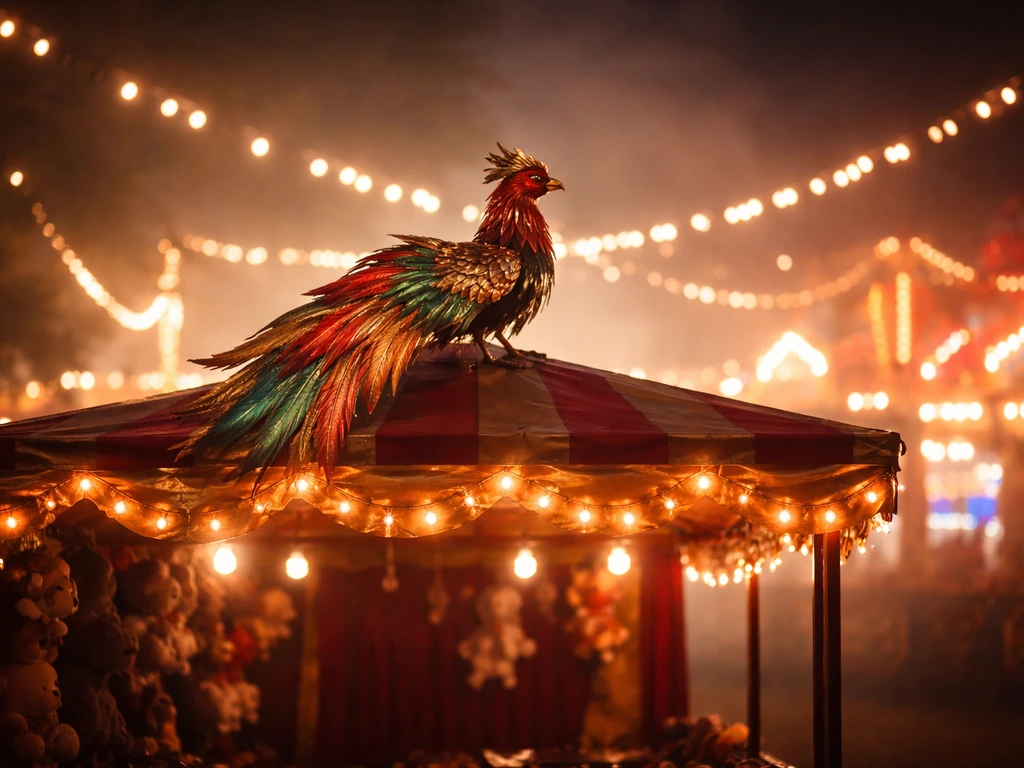
Most common meanings of "carnival bird"
There are a handful of meanings that come up most often, and they sit in pretty distinct categories.
- A personality metaphor: someone flashy, loud, performative, or unpredictable — the kind of person who thrives in chaos and spectacle the way a bird thrives in open air. This is the most common informal/slang usage.
- A specific cultural or media reference: a song title, game skin, character label, or chapter name. "Carnival Bird Ländler" (Faschingsvogel Ländler) is an actual recorded track by the Bavarian Oktoberfest Orchestra. "Carnival Bird" also appears in Pokémon GO community discussions as a label for a specific in-game creature or shiny variant.
- A compound naming convention: sometimes "carnival" and "bird" are joined as a label for an event series or product — like how "Bird Blog Carnival" is a real recurring blog event — rather than carrying metaphorical weight at all.
- A symbolic/cultural image: in traditions like Brazilian samba carnival culture, birds carry named symbolic roles. The Sankofa bird, for example, appears explicitly in pre-carnival parade themes. In this context, "carnival bird" could reference a bird used as a symbolic mascot or parade emblem.
- An animation or media title: at least one animation database lists "Carnival Bird" as a standalone title, meaning you may simply be looking at a product name with no deeper slang meaning behind it.
How to tell which meaning you're dealing with
Context is doing all the heavy lifting here. Ask yourself three things about where you saw the phrase: What type of content was it? What tone did it use? Who was the source?
If you saw "carnival bird" in a caption describing a person, especially with words like "wild," "extra," "performing," "chaotic," or anything pointing at behavior, it's almost certainly the personality metaphor. The carnival half signals spectacle and unpredictability. The bird half layers in freedom, flightiness, or even a touch of nuisance (more on that below). Together they paint a picture of someone who can't be pinned down and loves an audience.
If you saw it in a gaming forum, subreddit, or app discussion, especially Pokémon GO or similar collection/mobile games, treat it as a product label first. Reddit users have used "Carnival Bird" specifically to discuss shiny color variants, which means the phrase is functioning as a nickname or skin name, not a metaphor. The meaning is contained entirely within that game's community.
If you saw it in a playlist, music database, or streaming app, check whether it's a track title. "Carnival Bird Ländler" is a documented 1991 recording, and there may be other songs or albums using the phrase as a title. Apple Music lists “Carnival Bird Ländler (Faschingsvogel Ländler)” as a track associated with Bavarian Oktoberfest Orchestra and Chorus, with a January 1, 1991 date shown on the listing. In that case, the "meaning" is just the artist's creative branding, and the symbolism (if any) is theirs to define.
A few quick context clues to check: tone (playful and chaotic = metaphor; neutral and labeled = product/title), platform (social media post about a person = slang; gaming subreddit = in-game term; music app = track title), and age/region of the source (carnival imagery skews older in formal symbolism but shows up in modern slang among younger audiences thanks to gaming and meme culture).
Carnival imagery and why adding "bird" changes everything
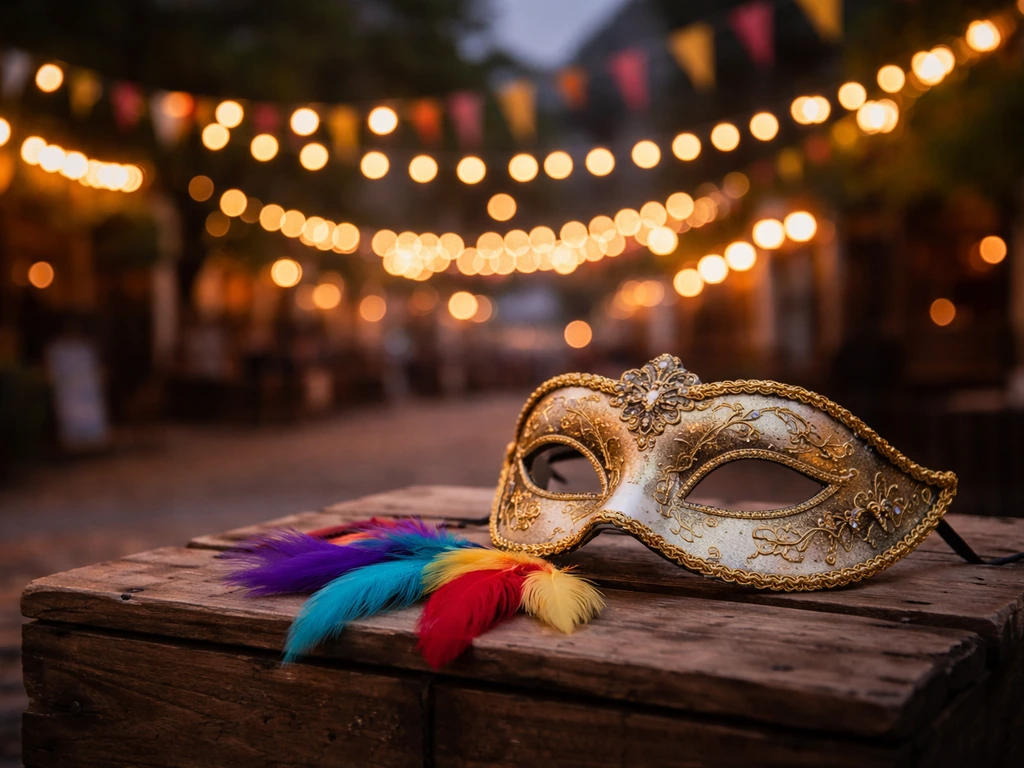
Carnival as a concept comes loaded. Etymologically it traces back to the Latin "carne levare" meaning something like "remove the meat", it marked a period of feasting before fasting, but culturally it evolved into something bigger: masks, role-reversal, spectacle, the grotesque, games of chance, and a temporary suspension of normal social rules. Think of the sideshow, the spinning wheel, the games where the odds are never quite fair (chuck-a-luck, a classic carnival game, is explicitly described as a carnival sideshow game rather than a real casino game, the house advantage is steep and the whole thing is theater). Carnival is the world briefly turned upside down.
Now add "bird." Bird symbolism is flexible in ways that few other animals are. Birds can mean freedom and flight, but they can also mean messenger, omen, nuisance, or even insult (think of "flip the bird" or calling someone a "jailbird"). When you combine carnival's chaos-and-performance energy with bird's associations, you get something that can tip in multiple directions depending on tone. A "carnival bird" as a compliment reads as: free-spirited, vivid, impossible to ignore. As a mild insult or teasing label: loud, disruptive, performing for attention, someone who doesn't settle. As an omen in symbolic or literary use: something strange passing through a spectacle, a figure associated with transformation or the liminal space between order and chaos.
The Vai-Vai samba school in Brazil offers a good real-world anchor here. Their parade themes have used a Sankofa bird symbol (a bird with its head turned back, holding an egg) in pre-carnival imagery, connecting birds directly to legacy, transformation, and community identity in carnival culture. That's a far more serious register than someone calling their friend a carnival bird in a group chat, but it shows the full range of what the pairing can carry.
Real-world and cultural references worth knowing
Here's what's confirmed in actual media and cultural records, as opposed to general slang:
- "Carnival Bird Ländler (Faschingsvogel Ländler)" — a real music track by the Bavarian Oktoberfest Orchestra and Chorus, released January 1991. The German "Faschingsvogel" literally means "carnival bird" or "Fasching bird" (Fasching being the German pre-Lent carnival season). This is the clearest documented non-slang usage.
- Pokémon GO community usage — Reddit discussions use "Carnival Bird" as a nickname or label for a specific creature or shiny variant, functioning entirely as community shorthand within that game's ecosystem.
- "Carnival Upheaval" in Angry Birds Rio — a chapter title released in June 2011, showing how carnival imagery fuses with bird characters in mainstream gaming. While not "carnival bird" as a phrase, it's part of the same cultural blending of the two concepts.
- Animation databases — at least one entry lists "Carnival Bird" as an animation title, suggesting it's been used as a standalone creative work name.
- "Bird Blog Carnival" on ScienceBlogs — an example of "carnival" functioning as a recurring blog event series name rather than a metaphor, combined with "bird" as a topic label. This is purely a naming convention usage.
If you think the phrase you saw refers to a specific song, character, or show, search the exact phrase in quotes on a streaming service or media database alongside any other details you remember (year, genre, platform). That will narrow it down faster than trying to interpret it symbolically.
How "carnival bird" differs from other bird phrases
It's easy to blur "carnival bird" with more established bird idioms. Here's how the most common ones actually differ:
| Phrase | Core meaning | Tone/Register | What sets it apart from "carnival bird" |
|---|---|---|---|
| Bird in hand | Secure what you have rather than risk it for something better | Cautionary, practical | Fixed proverb with a clear moral — no spectacle or personality association |
| Flip the bird | An obscene hand gesture (middle finger) | Vulgar, confrontational | "Bird" here is pure slang for the gesture, no metaphor about personality or carnival |
| Early bird | Someone who acts ahead of others and benefits from it | Positive, industrious | About timing and productivity, not performance or chaos |
| Jailbird | Someone who has been in prison | Negative, labeling | Fixed compound noun, no ambiguity — refers to criminal history, not behavior style |
| Free bird | Someone who resists being tied down; also a famous Lynyrd Skynyrd song | Romantic, rebellious | Closest in feel to the "carnival bird" personality metaphor but without the spectacle/chaos element |
| Carnival bird | Showy, unpredictable, performative person; OR a specific media/game/song title | Flexible — depends entirely on context | Combines carnival chaos with bird's flight/freedom/nuisance symbolism; meaning shifts by source |
The key difference is that established idioms like "bird in hand" or "flip the bird" have locked-in meanings that don't shift by context. "Carnival bird" is still context-dependent, which is exactly why you're here trying to figure it out. The related concepts of birds seen in unusual contexts (a dead bird in tall grass, a bird appearing upside down) carry their own separate folk and symbolic interpretations that are worth distinguishing from a performance-based metaphor like "carnival bird.
If you saw something like dead bird wings, the meaning tends to come from folklore and the setting you encountered it in a dead bird in tall grass. If the phrase you saw was about a bird appearing upside down, the upside down bird meaning can shift toward omen-like or transformation symbolism depending on the context.
A dead bird in tall grass is usually read through folk and symbolic lenses, often connected to bad luck, warning, or a sign that something has changed. Dead bird in tall grass meaning is usually tied to folk symbolism like bad luck, warning, or a sign that something has shifted. " Similarly, calls of specific birds like the butcher bird carry their own separate layers of meaning that have nothing to do with the carnival register.
Merriam-Webster lists “butcher-birds” as a bird name with a historical entry, which helps distinguish literal usage from folk or symbolic interpretations often picked up in search results butcher bird. The butcher bird call meaning can be different again, often tied to regional culture and the bird's distinctive vocalizations. If you specifically meant the butcher bird call meaning, the context shifts to the bird's region and what people associate with its calls.
Practical steps to confirm the meaning fast
- Copy the exact phrase and paste it into a search engine in quotes: "carnival bird". Check the first page results. If a song, game, or animation comes up prominently, you're likely looking at a media title reference.
- Check the platform. Gaming forums or subreddits (especially Pokémon GO) = in-game label. Streaming apps = song or album title. Social post describing a person = personality metaphor. Article or book = symbolic or literary usage.
- Look at surrounding words. Words like "wild," "performing," "chaotic," "extra," or "all over the place" point to the slang metaphor. Words like "track," "game," "chapter," "skin," or "level" point to a media title.
- Note the tone. Is it affectionate and playful? Then it's probably a compliment about someone's energy. Is it mildly exasperated? Then it's the "this person is too much" version of the same metaphor.
- Check the date and region. The German Faschingsvogel / carnival bird connection is strongest in European contexts, especially around Fasching season (January to March). English-language slang use is more likely in North American or online-global contexts.
- If you still can't pin it down, search for the phrase alongside any other keywords from the same sentence or post — song name, character name, game title, author — to find the specific work or community it belongs to.
FAQ
How can I tell if “carnival bird” is slang for a person versus a nickname for a character or item?
Check whether it’s paired with a pronoun or social-behavior words (wild, chaotic, performing, can’t sit still). If it’s surrounded by “shiny,” “variant,” “skin,” “item,” or platform-specific labels, it’s more likely a product or community nickname than a metaphor.
What if the phrase shows up in a meme or reaction image with no readable caption text?
Look for the emotion the creator is signaling (teasing, admiration, annoyance). In meme contexts, “carnival bird” often leans into the “attention-seeking, unpredictable, loud” reading, because that’s the easiest behavior cue for viewers to map onto the label.
Can “carnival bird meaning” refer to a specific carnival or cultural tradition rather than internet slang?
Yes. If the source is talking about Brazilian samba schools, parade themes, museum exhibits, or pre-carnival rituals, the phrase may be used more literally or symbolically in a cultural-art register. In that case, the “meaning” depends on the exact theme and symbol shown, not just the words.
Is it ever meant to be literal, like a bird seen at a carnival?
Occasionally, but it’s uncommon. If the post includes an identifiable bird species, location details, or photos of an actual animal, treat it as a literal description first. If there are no visual species cues and it’s used to describe a person or a category, it’s almost certainly figurative.
What should I do if I see the phrase spelled differently (for example “carnival-bird” or “carnival birdz”)?
Treat spelling variants as likely the same reference. Platforms often stylize slang for readability or branding, so you should rely on surrounding keywords (behavior descriptors, game terms, song/track language) rather than exact spelling.
How reliable is symbol-first interpretation (freedom, omen, transformation) without knowing the source context?
It’s usually low reliability. Bird and carnival symbolism are broad enough that multiple meanings can fit, so without the platform and tone you risk assigning a meaning the speaker never intended. Use context clues first, then symbolism as a secondary layer.
What’s a common mistake when interpreting “carnival bird” from a single comment or repost?
Assuming it matches a locked idiom meaning. Unlike established bird idioms with stable definitions, “carnival bird” shifts based on who is speaking, who it’s aimed at, and what community the phrase comes from.
If I want to identify a “Carnival Bird” song or recording, what details matter most?
Year (even approximate), language or region, and the platform’s genre tags. “Carnival Bird Ländler” is a strong anchor, but other tracks may share the phrase, so the best approach is to search the exact phrase in quotes plus any extra remembered context like “live,” “remix,” or “album name.”
Could “carnival bird” have a negative meaning, and how do I tell?
Yes, it can. Negative or teasing readings tend to include signals that the target is disruptive, loud, or hard to pin down. If the surrounding tone is critical or the user is arguing, it’s more likely an insult or mock-label than a compliment.
Next Article
Dead Bird Wings Meaning: Superstition, Symbolism, and What to Do
Dead bird wings meaning: superstitions, symbolism, figurative usage, and safe steps to handle and rule out real causes.
