An upside down or inverted bird most commonly signals one of three things: a reversal of the bird's usual symbolism (think bad luck instead of good, or danger instead of peace), a reference to specific cultural symbols like the Sankofa bird or the mythical Goofus Bird, or a cheeky/ironic visual in meme and tattoo culture. The exact meaning depends entirely on where you saw it and which bird is involved, so context is everything here.
Upside Down Bird Meaning: What It Signifies and How to Tell

Marcus Reeves
1 May 2026
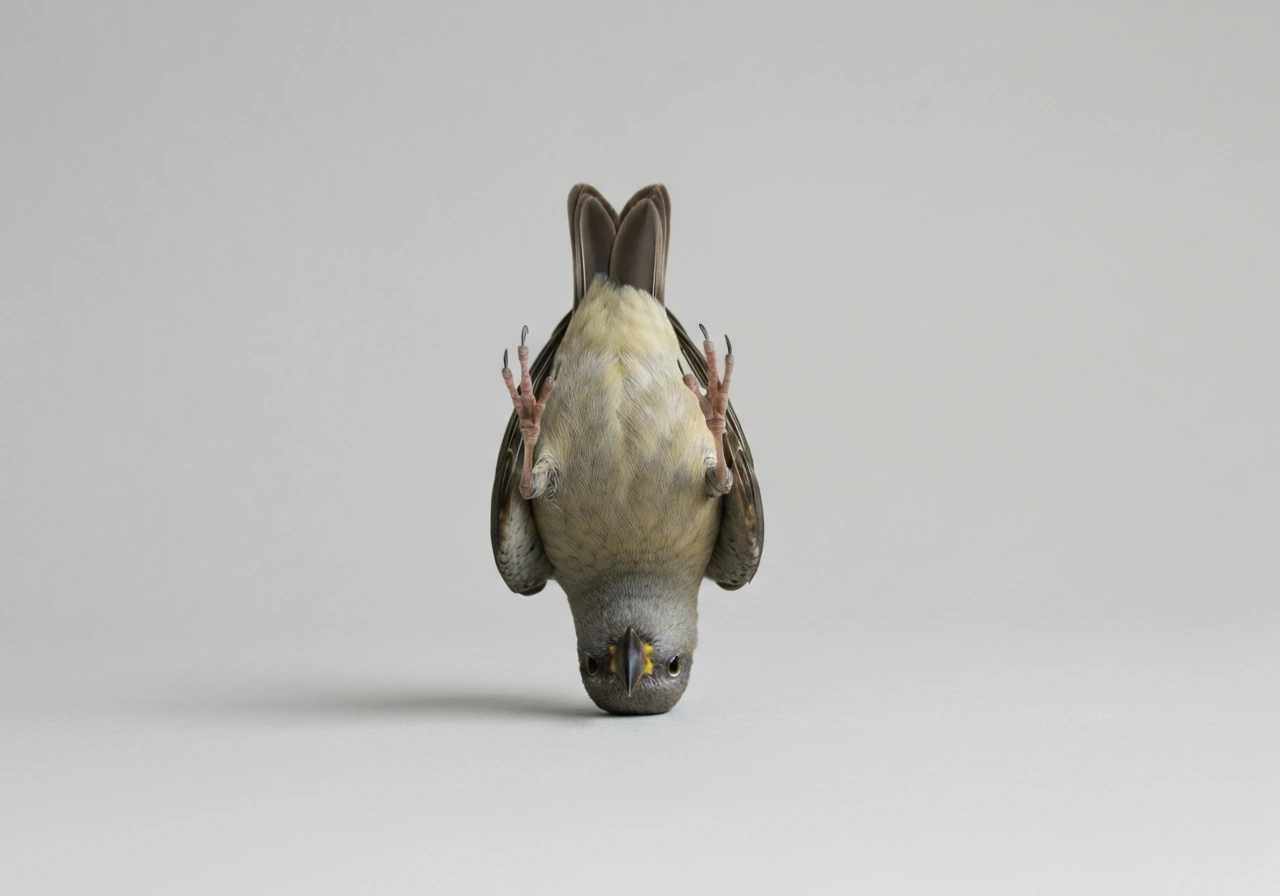
What people actually mean by 'upside down bird'
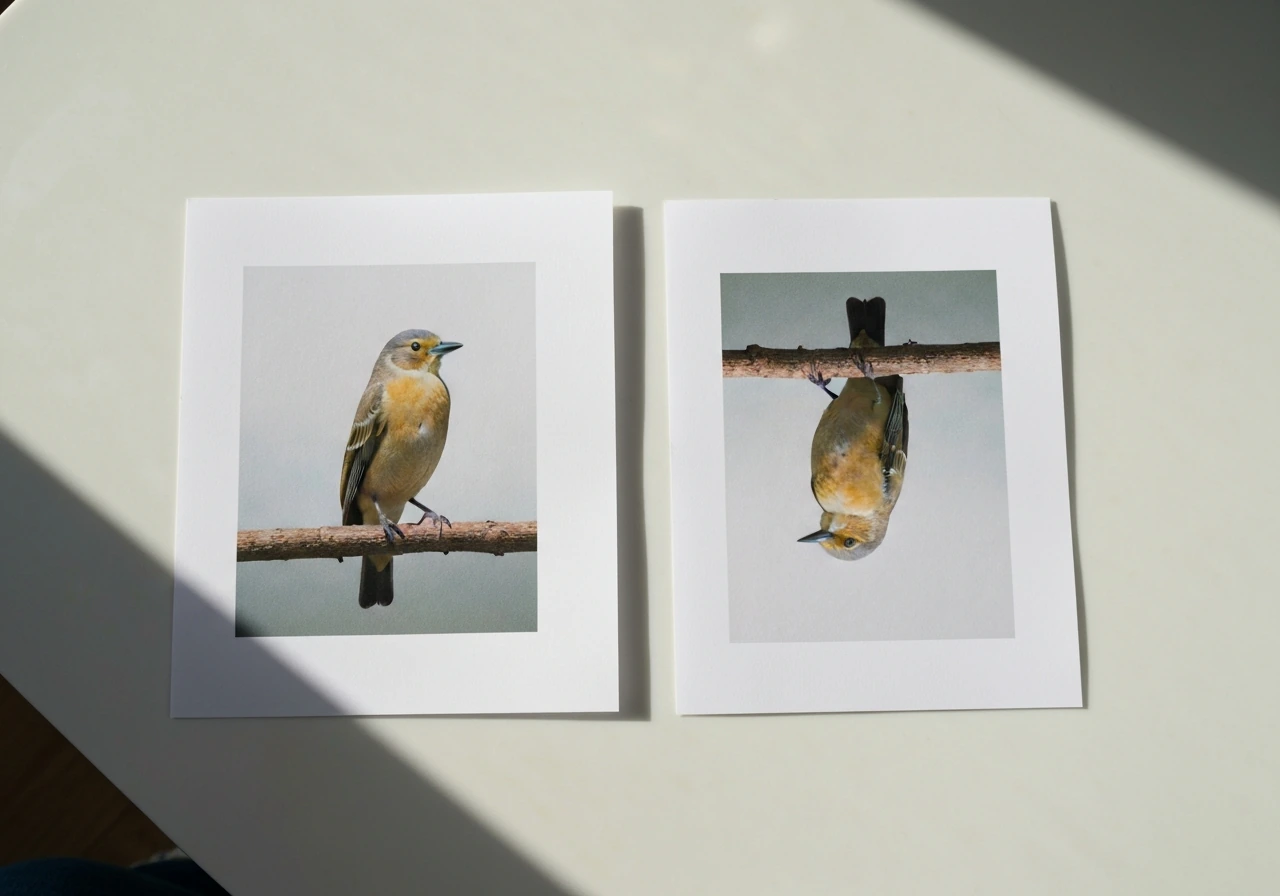
Before diving into symbolism, it helps to know that 'upside down bird' can mean a few different things depending on who's using it. Sometimes it's a literal flipped image of a bird, used in a tattoo or logo design. Sometimes it's a reference to a specific cultural symbol where the bird's orientation is intentional and carries deep meaning. And sometimes it's slang shorthand for something that has nothing to do with an actual bird at all. The phrase itself is a bit of a catch-all, which is why so many people end up searching for it.
The most useful starting question is: are you looking at an actual bird image that's been flipped or inverted, a bird whose head or feet point in an unusual direction, or a phrase or gesture someone called an 'upside down bird'? Each of those leads to a completely different answer. If you're not sure yet, keep reading and the checklist further down will help you pin it down fast.
What inversion does to bird symbolism
In symbolism broadly, flipping or inverting an image often reverses its meaning or adds a layer of irony. A dove flying upward signals peace and hope; a dove shown upside down or diving downward tends to read as a warning, grief, or the collapse of peace. This inversion convention isn't unique to birds, but it shows up often in bird imagery because birds carry such strong directional symbolism to begin with (rising, soaring, diving, falling).
That said, inversion doesn't always mean negation. In some traditions, an inverted or reversed bird is deliberately used to signal reflection, memory, or the act of looking back. The most famous example of this is the Sankofa bird from Akan/Fante culture in West Africa. The Sankofa is depicted with its feet walking forward while its head is turned completely backward, often carrying an egg in its beak. The name literally means 'to go back and get it,' representing the wisdom of learning from the past while still moving forward. The Sankofa symbol is used to convey learning from the past, often summarized as “return and fetch it,” and the bird’s forward-walking feet with a backward-turned head and egg are part of that meaning represented the wisdom of learning from the past while still moving forward. You'll see this symbol frequently in African diaspora art, academic institutions, and cultural organizations, and it's one of the most widely recognized examples of an intentionally reversed bird that carries a deeply positive meaning.
On the more playful end, there's the Goofus Bird, a mythical creature from North American folklore that blank" rel="noopener noreferrer">flies backwards and builds its nest upside down. The Goofus Bird isn't symbolic in a serious cultural sense; it's more of a tall-tale figure representing absurdity and doing everything wrong. If someone calls something a 'Goofus Bird situation,' they're nodding to this tradition of counterintuitive, backward behavior.
How the specific bird (or 'bird' slang) changes everything
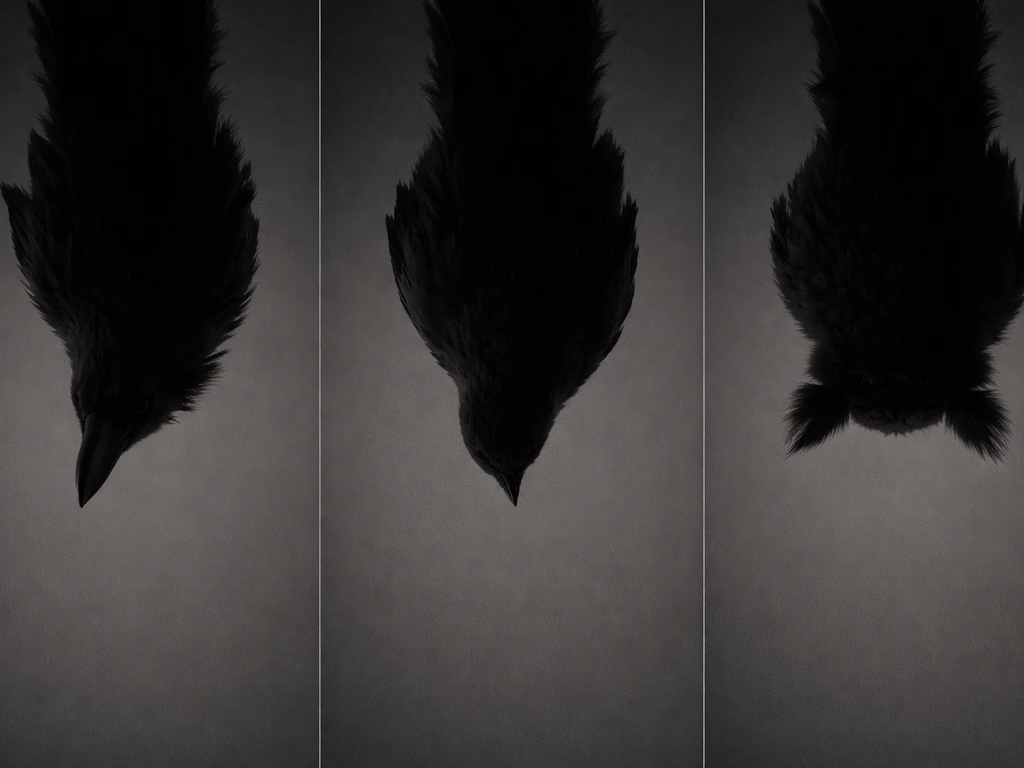
The species of bird matters a lot here. An inverted raven reads very differently from an inverted dove or an upside down owl. Here's a quick rundown of how the most common birds shift in meaning when flipped or inverted:
| Bird | Upright meaning | Inverted/upside down reading |
|---|---|---|
| Dove | Peace, purity, hope | Loss of peace, mourning, warning |
| Raven | Mystery, prophecy, death (already dark) | Chaos, bad omen amplified, or ironic humor |
| Owl | Wisdom, knowledge | Confusion, wrong knowledge, naivety |
| Eagle | Power, freedom, patriotism | Defeat, humiliation, or protest symbol |
| Sankofa Bird | Learning from the past (head reversed is the correct depiction) | Positive: return, reflection, heritage |
| Goofus Bird | Absurdity, doing things backwards (upside down is the point) | Playful/mythic foolishness |
There's also the slang layer. In British and some Australian English, 'bird' is casual slang for a woman, and 'flipping the bird' or 'giving someone the bird' means extending the middle finger as an insult. An 'upside down bird' in a meme caption might be playing on one of these meanings rather than referencing actual bird symbolism at all. Context clues like the caption tone, platform, and surrounding comments will usually make it obvious which meaning is in play.
Where you'll actually encounter upside down bird imagery
Memes and social media
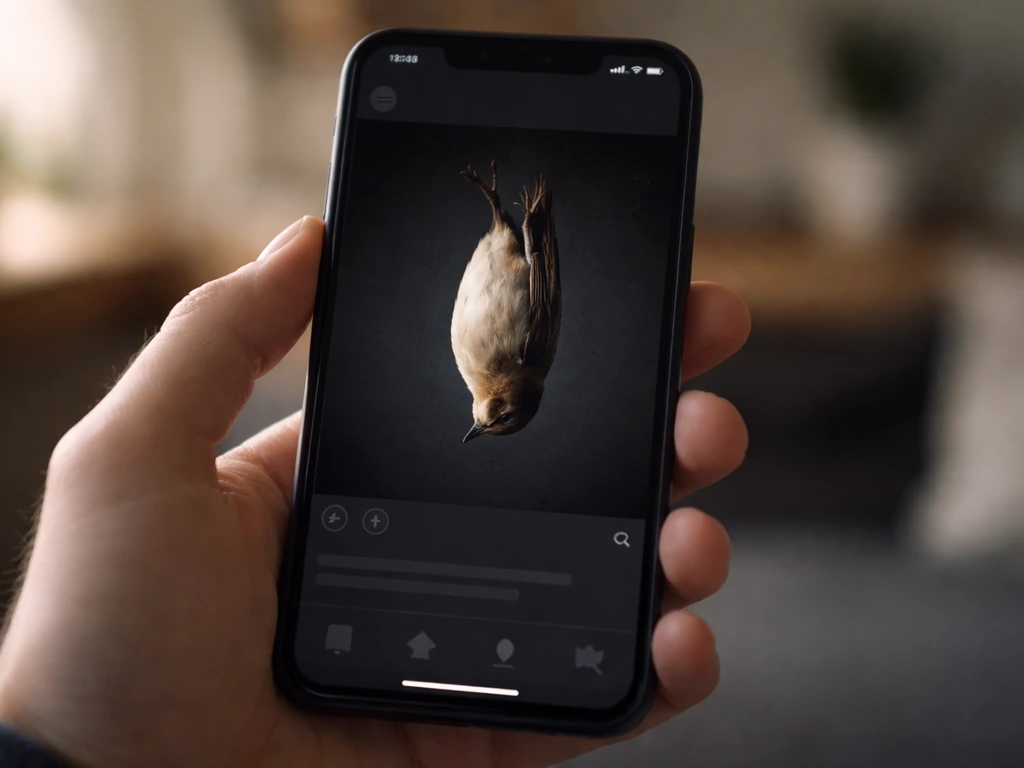
On platforms like Instagram, TikTok, and Reddit, an upside down bird image is most often used for comedic or ironic effect. A bird hanging from a branch or photographed mid-tumble gets captioned with something self-deprecating or absurdist. This is rarely deep symbolism; it's visual humor. The inversion is the joke.
Tattoos
In tattoo culture, an inverted bird can be a deliberate artistic choice with personal meaning, a style preference (some blackwork and geometric styles flip birds for visual balance), or a loaded symbolic statement. An upside down dove tattoo on someone's forearm often signals loss, grief, or a personal marker of a difficult period. A flipped eagle might be a protest image or a statement of anti-nationalism. Always ask the person if you're genuinely curious, because in tattooing, personal meaning almost always outweighs conventional symbolism.
Logos and brand design
Some brands use inverted bird imagery deliberately to stand out or signal disruption. A logo featuring a downward-facing bird might be an intentional break from convention, or it might be a Sankofa reference if the organization has cultural ties. Look at the company's mission or name for context before reading too much into it.
Artwork and cultural symbols
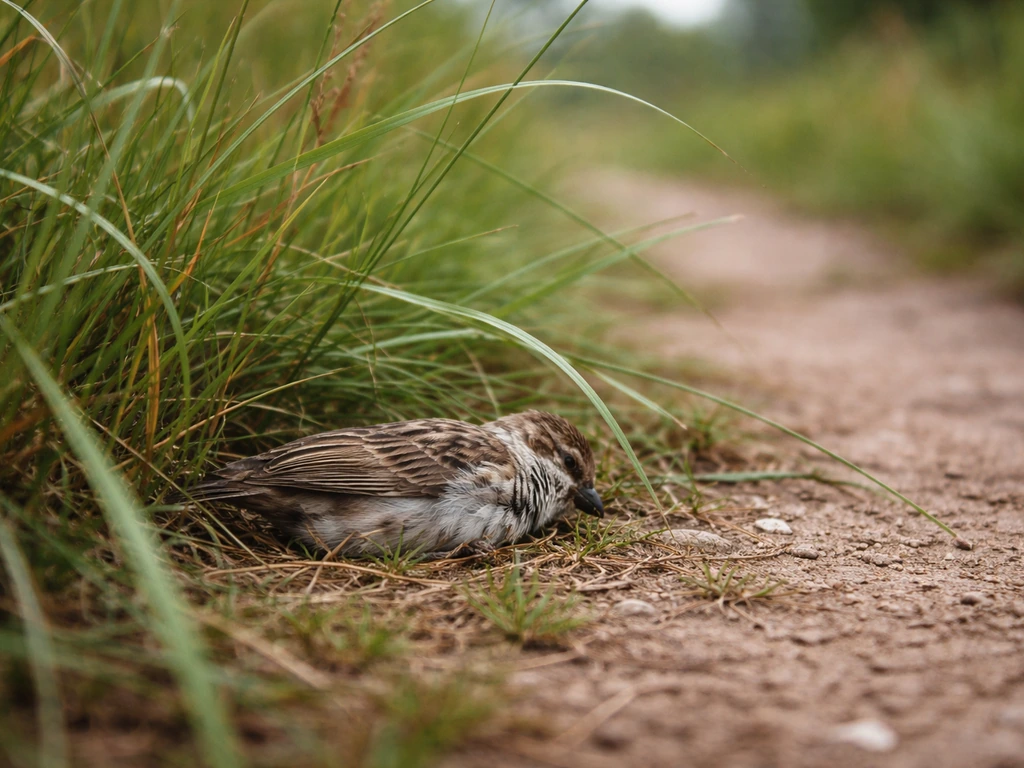
This is where you're most likely to encounter the Sankofa bird specifically. It appears in Adinkra cloth, jewelry, murals, university seals, and cultural event branding. If you see a stylized bird with its head turned back carrying an egg, that's almost certainly Sankofa, not an accidental inversion. Related to other cultural bird encounters, like a dead bird in a specific context or a bird call with unusual significance, the species and setting always carry the most interpretive weight. If you are really trying to understand a specific omen like dead bird tall grass meaning, the same rule applies: the exact context and setting decide the interpretation. If you're wondering about a butcher bird call, the meaning usually depends on the species, the region, and the context of the behavior you notice bird call with unusual significance. If you’re wondering about the dead bird wings meaning, the same rule applies: identify the bird and the setting before assuming it’s symbolic or just decoration.
How to figure out the right meaning fast
Here's a practical checklist you can run through whenever you encounter an upside down bird image or phrase and aren't sure what it means:
- Identify exactly what's inverted: Is the whole bird upside down, just the head turned backward, or is the image mirrored? A head-backward bird with forward feet is almost certainly Sankofa. A completely inverted bird hanging or falling is likely grief, irony, or humor.
- Note the species: Dove, raven, eagle, owl, generic cartoon bird? The species narrows the symbolic range dramatically.
- Check the platform and format: A meme on Twitter is probably a joke. A tattoo on someone's shoulder might be deeply personal. A logo on a nonprofit is likely cultural or aspirational.
- Read the surrounding text or caption: Humor markers (lol, haha, relatable captions) point to irony. Dates, names, or places suggest memorial or personal meaning. Cultural or heritage language points to traditional symbolism.
- Reverse image search the image: Google Images and TinEye can tell you where an image originated and what context it's used in most often. This is the fastest way to rule out or confirm a meme origin versus a cultural symbol.
- Search the specific combination: Try 'upside down [species] symbolism' or 'inverted [bird] tattoo meaning' to find the most common interpretations people actually attach to that exact image.
- Ask if you can: If it's a person's tattoo or a brand's logo, asking directly is almost always welcomed and gets you the most accurate answer.
Offense, double meanings, and when to tread carefully
The biggest risk with upside down bird imagery is misreading a culturally significant symbol as decoration, or misreading a joke as a serious symbol. Wearing or sharing Sankofa imagery without understanding its roots in Akan culture isn't automatically offensive, but it's worth knowing what you're referencing if you're going to use it. If you're trying to pin down the carnival bird meaning, start by identifying whether the symbol is coming from a specific tradition like Sankofa or from playful meme usage Sankofa imagery. Similarly, if someone has an inverted dove tattoo that marks a personal loss and you ask if it's 'just a meme thing,' that can land poorly.
The 'flipping the bird' slang angle also creates double meanings in certain contexts. If someone posts a photo captioned 'upside down bird' alongside an obscene gesture joke, that's deliberate wordplay rather than bird symbolism. These are usually obvious from tone, but if you're writing professionally or creating content that includes the phrase, it's worth being aware that the slang reading exists and can be distracting or unintended.
In visual design and social posts, an inverted bird can also be read as a protest symbol depending on what bird is shown and what the surrounding imagery references. An upside down eagle, for instance, has been used in protest art as a statement against institutions the eagle represents. If you're planning to use inverted bird imagery in any public-facing way, think through what associations your specific audience will bring to it.
Verify the source and walk away with a confident answer
Once you've run through the checklist above, you should have a pretty clear picture of what's going on. To lock in your interpretation, take one or two of these final steps:
- If it's a cultural symbol: Cross-reference with a reliable cultural source. Sankofa, for instance, is well documented and easy to verify. Look at who's using it and whether there's a stated cultural or heritage connection.
- If it's a tattoo: Trust the person who has it over any general symbolism guide. Tattoo meanings are personal first, cultural second.
- If it's a meme: Check the image's earliest traceable post. Meme origins usually reveal intent quickly.
- If it's a logo or brand mark: Look at the organization's stated mission and any 'about us' language. Brands that use intentional symbolism almost always explain it somewhere.
- If it might be offensive: When in doubt, err toward asking rather than assuming. Most people are happy to explain a meaningful symbol, and most meme creators are happy to clarify a joke.
The upside down bird is one of those images that can mean wildly different things depending on who made it, where it appears, and what bird is shown. But with a little context and a quick search, it's almost always possible to land on the right interpretation fast. The key is resisting the urge to pick one meaning and run with it before you've checked what's actually in front of you.
FAQ
How can I tell if the upside down bird meaning is intentional cultural symbolism (like Sankofa) or just an edited picture?
Use a reverse image search and also identify the bird species first. If you cannot reliably tell the species, focus on distinctive features like beak shape, posture (perched vs flying), and whether the head is turned backward versus the entire bird flipped. Sankofa-like designs usually show the feet reaching forward while the head looks back, often with an egg detail, which makes them less ambiguous than a generic “flipped bird.”
Can an upside down bird in a tattoo mean something different than the traditional symbolism?
Yes. In tattoo and brand work, the “inversion” can be aesthetic only, used for balance with surrounding elements (flowers, geometric frames, initials). A quick cue is whether the artist includes other conventional meaning markers, like an egg, specific background motifs, or text that names a tradition. If none are present, ask the artist what the orientation represents to the wearer or client before assuming grief, protest, or luck themes.
Is an upside down bird meaning an actual omen, or is it usually just symbolism for art and memes?
Treat it like a context prompt rather than an omen. If the image is on social media or in a meme caption, the inversion is often visual humor or irony, not a prediction about your life. A safer approach is to read the surrounding caption and comments, then decide whether it is wordplay, shock value, or a specific referenced symbol.
What’s the most common mistake people make when interpreting an inverted dove versus a dove that is merely posed awkwardly?
A flipped dove often reads as a warning or collapse of peace when shown clearly as inverted direction (head down, falling, or reversed flight). But if the dove is part of a larger composition, like a wreath, a dove holding an olive branch, or matching elements on both sides, the “inverted” meaning might be about personal memory or composition rather than grief. Look for accompanying objects, not only orientation.
What should I watch for to avoid confusing slang “bird” meaning with actual bird symbolism?
When the phrase is used in slang or insults, it may not refer to any bird at all. If you see “flipping the bird” language alongside rude gesture content, it is almost certainly the middle-finger meaning, and “upside down bird” is a euphemism or joke. Check the speaker’s region, platform norms, and whether the post shows the gesture.
How do I interpret an upside down bird in a brand or logo without getting the meaning wrong?
For logos and public-facing designs, look for the organization’s mission, name, or stated brand story. A downward-facing bird can be an intentional “disruption” message, a metaphor for risk or transformation, or a quiet reference to a cultural symbol. If the brand is connected to a diaspora or cultural heritage, the same image may be a respectful reference, but if it is unrelated, it may be purely graphic styling.
Does it matter whether the bird was rotated 180 degrees versus the head and feet being oriented in a specific way?
Check whether the bird is reversed in a “directional” way (flying down, walking back, head looking back) versus physically rotated 180 degrees like a mirror flip. Sankofa is usually a deliberate directional pose with backward-looking head and forward-moving feet, while generic edits can invert the whole image without preserving that symbolic relationship.
How can I use or discuss upside down bird imagery respectfully when I’m not sure of the exact origin?
If you are using the phrase or image in a caption, avoid claiming a single “universal meaning” unless you have the source. Cultural symbols like Sankofa can be deeply meaningful, and treating them as generic luck or “bad omen” can come off disrespectful or inaccurate. When unsure, describe what you see (for example, “a Sankofa-style bird pose”) rather than asserting an outcome.
What’s the best next step if I want the correct meaning but I’m looking at someone else’s art or design?
Ask a targeted question based on your situation. For tattoos, ask what the orientation represents personally and whether the artist chose it for style or symbolism. For art pieces, ask the creator what tradition or theme they intended, then compare that with recognizable markers (egg, backwards head, specific species). In either case, don’t rely on online generalizations alone.
Next Article
Dead Bird Tall Grass Meaning: Plain Explanation and Origins
Dead bird in tall grass meaning: everyday interpretation, folk-omen origins, and safe next steps if you find one.