"Naughty bird" almost always means one of three things: a playful tease about mischievous behavior, a light-hearted scolding directed at a person or pet, or (less often) a mild flirtatious nudge depending on who's saying it and where. There's no fixed slang meaning baked in the way there is with phrases like "dirty bird", the phrase is mostly context-driven, and once you look at who said it, who it was aimed at, and what platform or setting it appeared in, the intention becomes pretty clear.
Naughty Bird Meaning: How to Decode the Phrase

Marcus Reeves
15 May 2026
Literal vs. figurative: what "naughty bird" can actually mean
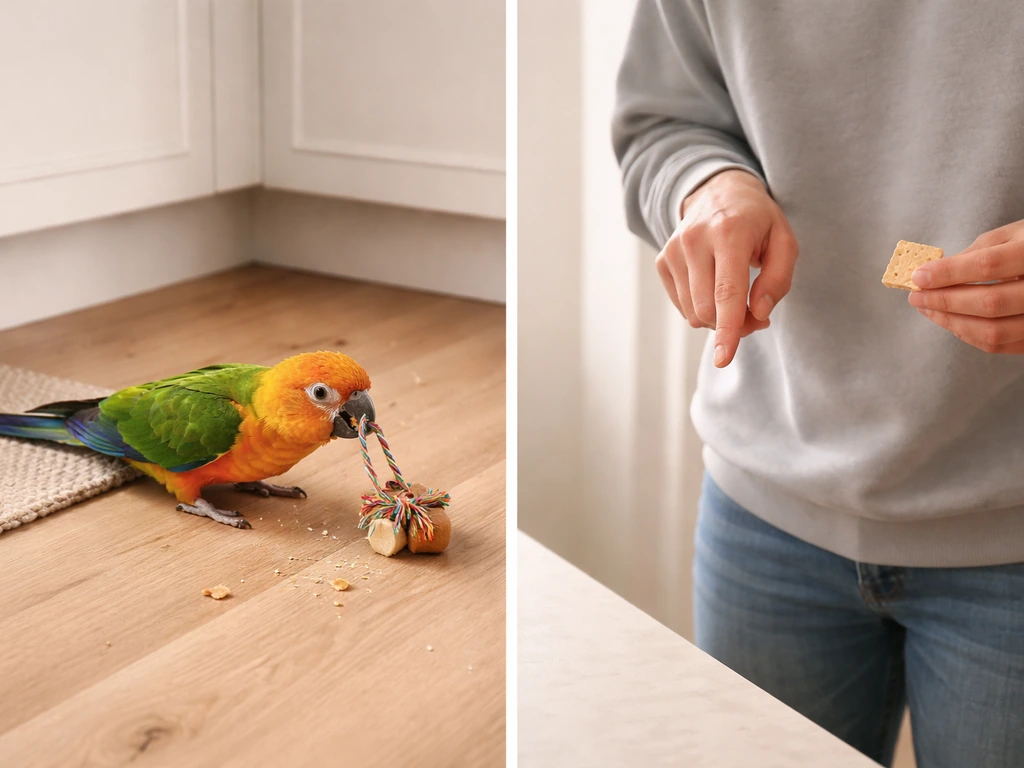
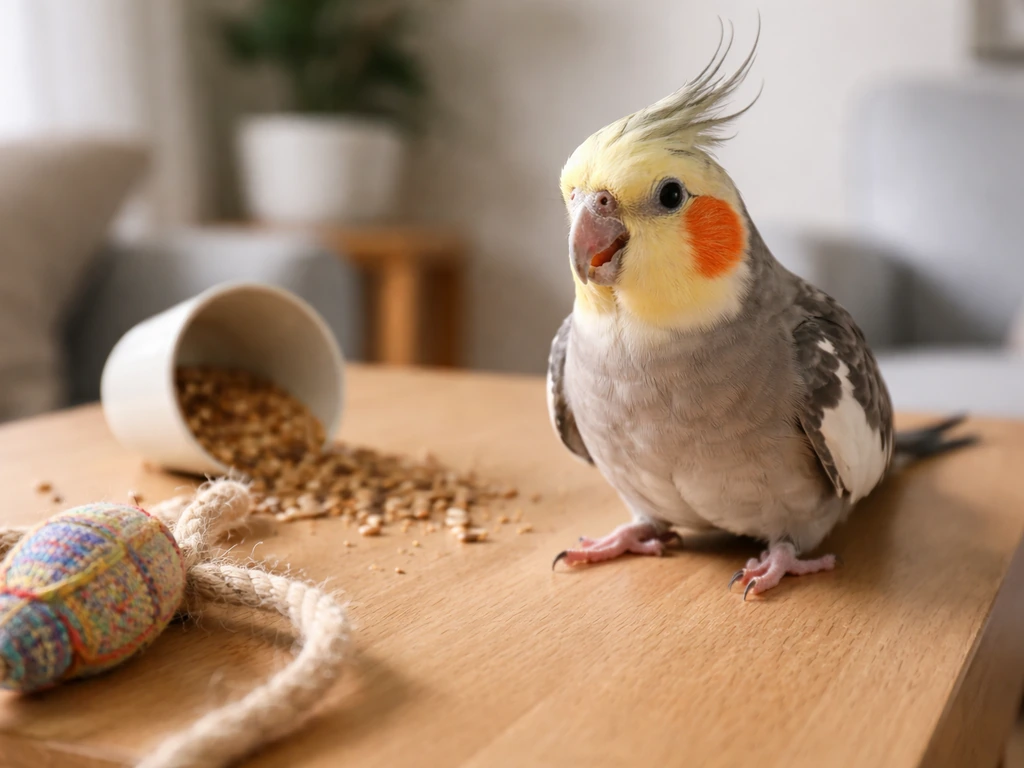
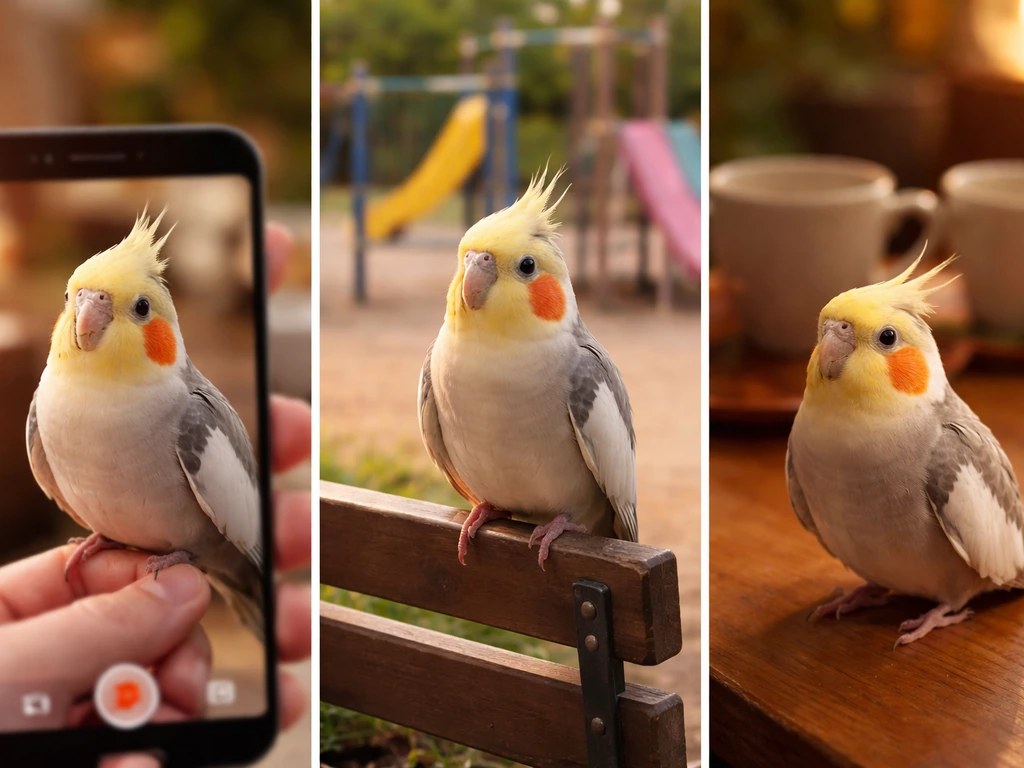
At its most literal, "naughty bird" describes an actual bird doing something cheeky or bad. Think of a parrot biting someone, a seagull stealing chips, or a pet cockatiel screaming at 6 AM. In these cases, the word "naughty" works exactly the way it does with a toddler, you're calling the bird out for bad behavior in a tone that's more amused than angry. The children's picture book "What a Naughty Bird!" leans entirely on this reading: the bird in question poops on everyone, and the phrase is used as cheerful, giggling blame.
Figuratively, the phrase gets applied to people. Here "bird" is doing double duty as a term of address (the way you might call someone "creature" or "thing" in playful exasperation), and "naughty" signals mild wrongdoing, cheekiness, or rule-breaking. In Nanny McPhee Returns, one character says "You naughty bird" in a comedic family context, it's a rebuke, but a soft one. The same structure appears in The Return of the Pink Panther, where it's addressed to a parrot but delivered as a wink at the audience. The phrase has existed in English in this exact form for decades, showing up in old pulp magazines long before it became a meme caption.
Who says "naughty bird" and how it sounds when they do
The tone is almost never harsh. When someone says "naughty bird," they're usually signaling warmth plus mild disapproval, the same register as "oh you little menace" or "you're so bad." It tends to come from a specific relationship dynamic: a parent to a child, a pet owner to their bird, a friend teasing another friend, or occasionally one romantic partner nudging another. What ties all of those together is that the speaker feels affectionate enough toward the subject to tease rather than condemn.
In parrot and bird-keeping communities online, "naughty bird" is a super common caption. Someone posts a video of their conure chewing through a phone charger, types "naughty bird 😆" and everyone understands immediately. The laughing emoji matters here, it's almost always paired with a signal of amusement. When it's used in a child-directed or family context, the tone stays closer to gentle discipline ("be quiet, you naughty bird!"). When it shows up in a text between adults or in a flirtatious DM, "naughty" can start to carry a slightly risqué undertone, though it's still on the mild end of that spectrum.
Where you'll actually encounter this phrase
Here are the most common settings where "naughty bird" shows up and what it tends to mean in each one:
- Pet/animal content (Reddit, TikTok, Instagram): almost always a playful caption for a bird doing something naughty. Literal bird, affectionate tone, usually paired with a laughing emoji.
- Children's books and family media: gentle scolding phrase, similar to calling a child naughty — the point is mild discipline, not real anger.
- GIFs and meme captions: shorthand for "caught you being cheeky" — used as a reaction image when someone does something sneaky or silly.
- Texts between friends or partners: here the meaning depends heavily on the conversation. It can be teasing, flirtatious, or a callback to an inside joke. The surrounding messages tell you which.
- Comments on social media posts: often used the way someone might say "you bad thing" — a mix of impressed and mock-disapproving.
- Classic films and literature: delivered as a comedic rebuke, usually toward an animal or child character, always in a light register.
One pattern worth noting is the classic interjection structure: "Oh, you naughty bird!" The "oh" at the front signals surprise or exasperation, and the whole sentence functions as a theatrical reaction rather than a serious accusation. You'll see this in children's stories, movie dialogue, and AI-generated story content all the time, it's almost a set piece at this point.
Comparing it to lookalike phrases, and why the differences matter
Because "naughty bird" doesn't have one locked-in slang definition, people sometimes land on it while searching for something else. If what you actually heard or saw was a phrase like "dirty bird," "bad bird," or "dirt bird," those carry different baggage and you shouldn't assume they mean the same thing. “Dirty bird” is a multi-meaning term, and adjacent bird-adjective phrases can have different meanings depending on the context blank" rel="noopener noreferrer">If what you actually heard or saw was a phrase like "dirty bird". If what you actually heard or saw was closer to “bad bird” than “naughty bird,” the vibe and meaning can shift, so it's worth checking the bad bird meaning in context.
| Phrase | Common meaning | Tone | Fixed slang? |
|---|---|---|---|
| Naughty bird | Mischievous, cheeky, lightly rule-breaking | Playful, affectionate, occasionally flirtatious | No — meaning is context-driven |
| Dirty bird | Unappealing person, OR bourbon slang for Wild Turkey, OR general insult | Can be crude, dismissive, or humorous depending on use | Yes — has specific slang definitions |
| Bad bird | Badly-behaved bird or person; sometimes intensified version of naughty bird | Varies from playful to genuinely critical | Not fixed; leans more negative than naughty bird |
| Dirt bird | Regional/Irish slang for a low-class or unpleasant person | More cutting than naughty bird, less affectionate | Yes, especially in Irish-English usage |
The key difference between "naughty bird" and its cousins is warmth. "Dirty bird" can be a genuine put-down (Urban Dictionary entries for it are considerably less cuddly). If you meant "dirty bird" in the Urban Dictionary sense, the vibe can shift toward a sharper insult or sexual-leaning slang depending on the entry and context. "Naughty bird" almost always keeps one foot in playfulness. If someone called you a dirty bird and you want to know whether that was affectionate or offensive, that's genuinely a different question from what "naughty bird" means, the two phrases aren't interchangeable. KnowAnimals also discusses “blank" rel="noopener noreferrer">dirty bird” as a teasing phrase in some contexts, which helps explain why it shouldn’t automatically be treated as the same thing as “naughty bird”. “Dirty bird” can have a harsher, put-down tone depending on the context, which is why it may not mean the same thing as “naughty bird.” dirty bird meaning.
Cultural and literary history of the phrase
Birds in English have long been used as stand-ins for people, usually people who are cheeky, chatty, or free-spirited. Calling someone a "bird" is an older British colloquial habit (meaning a person, often a woman, often affectionately). Layer "naughty" on top and you get a phrase that's been doing consistent work for at least a century. Old pulp magazine scans show the phrase being used in exactly the same tone it carries today: gentle, a little theatrical, more charmed than angry.
In science journalism, WIRED once ran a piece framing a tanager's deceptive feather coloring with the headline "How One Naughty Bird Cheats...", no actual naughtiness, just a writer reaching for a casual, humanizing label for animal behavior. This is worth knowing because it shows the phrase often functions rhetorically to make something feel relatable and amusing rather than to assign genuine moral blame.
There's also a songwriting tradition here. A track with the repeated lyric "Come in, you naughty bird" and "What would your mother say" explicitly ties "naughty" to a childlike framework of discipline and moral accountability, but again, in a light, almost nursery-rhyme register. When you hear the phrase in a musical or storytelling context, the "naughty" is doing the same work it does in "naughty child", you did wrong, you know it, and we're going to acknowledge that with a slight smile.
How to decode it when you're not sure what was meant
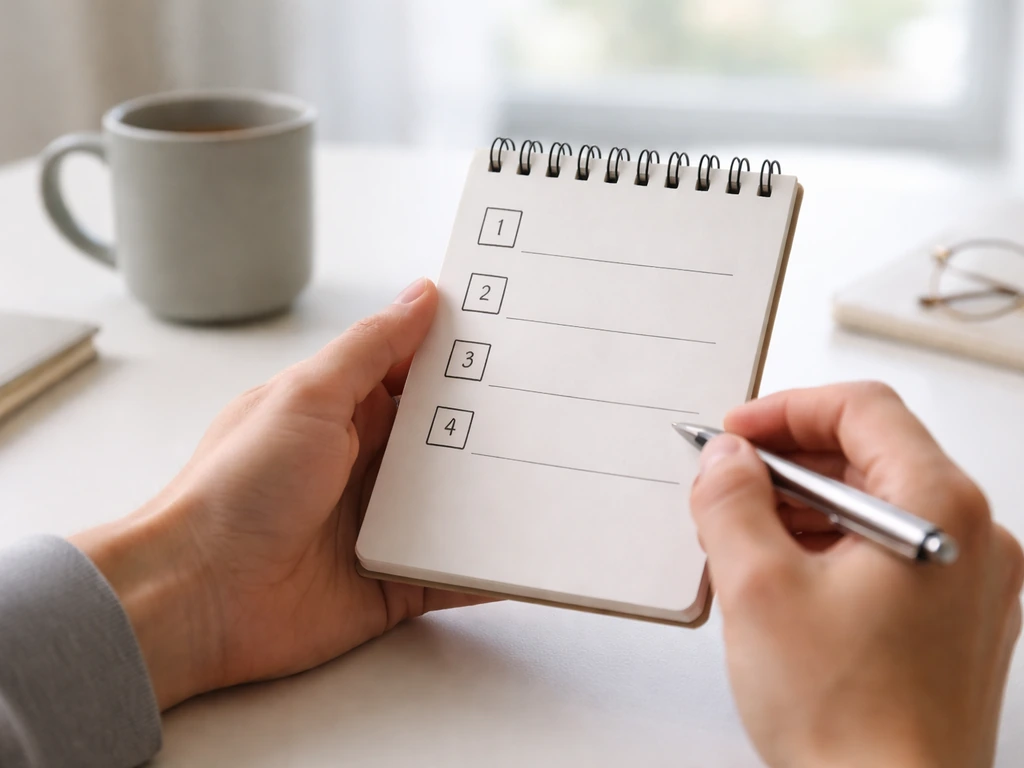
If you're trying to figure out exactly what someone meant when they used "naughty bird" toward you or in a post you saw, run through these four questions:
- Who said it, and what's your relationship? A close friend or partner saying it carries different weight than a stranger. The more personal the relationship, the more likely it's affectionate teasing — or possibly light flirtation.
- What was the context? A pet video caption, a meme share, a children's book quote, and a flirtatious DM are all different situations. If it was aimed at a literal bird or animal, it's almost certainly just playful scolding.
- What emojis or surrounding words were used? "Naughty bird 😆" is completely different from "naughty bird 😏." Laughing signals amusement; a smirking or winking emoji tips toward flirtation or innuendo.
- What behavior was being referenced? If someone called you a naughty bird after you did something sneaky, silly, or rule-bending (even in a minor way), the phrase is almost certainly a playful acknowledgment of that — not a serious accusation and not necessarily romantic.
If it was addressed to you and you genuinely can't tell whether it was flirtatious or just teasing, the safest move is to respond in the same light register it was delivered in, something like "guilty as charged" or a laughing reply. This matches the tone without committing to an interpretation you're not sure about. If you need clarity, asking "was that a tease or a compliment?" is completely reasonable and most people who use this phrase won't be surprised by the question.
Bottom line: "naughty bird" is overwhelmingly a playful phrase. If you're looking for “bang bang bird gang meaning,” treat it as a separate phrase and check the context where you saw it, since slang labels can vary a lot by platform and creator. It's not a coded insult, it's not a heavy piece of slang with a dark meaning, and it's not the same as related phrases like dirty bird or dirt bird that carry more edge. The dirt bird meaning can lean more harsh or critical depending on context, so it helps to consider how the phrase was used. When in doubt, read it as affectionate mischief-calling, because that's what it is about 90% of the time.
FAQ
Is “naughty bird” an insult, or is it meant affectionately?
It is most often affectionate and playful, with “naughty” meaning mild misbehavior or rule-breaking. The quickest tell is whether the speaker adds humor (laughing emoji, “oh,” or a second joking line). If it is delivered in a cold or angry tone, or as part of repeated disrespect, treat it as an insult even if the phrase is usually light.
What should I reply if someone messages me “naughty bird” and I am unsure of the tone?
Match the lightness rather than guessing at romance. A safe response is something like, “Guilty (with a smirk). What did I do this time?” If you want clarity without escalating, ask, “Tease or compliment?” so you do not assume flirting when they meant playful scolding.
Does “naughty bird” mean something sexual in texts or DMs?
Rarely by itself. When it turns flirtier, it is usually because of surrounding context (romantic words, suggestive timing, private-only conversation). If the message is just “naughty bird 😆” it is typically mischievous teasing, but if it is paired with explicit references, treat it as possibly sexual rather than rely on the phrase alone.
Can “naughty bird” be used toward kids, or is it inappropriate?
It is commonly used in family or children’s contexts as playful admonishment, similar to “little menace.” However, if it is used to single out a child harshly, in public, or to shame instead of guide, it can feel inappropriate. Tone and frequency matter more than the phrase itself.
If someone posted “naughty bird” under a parrot video, what does it usually imply?
Most people use it as a caption for cheeky animal behavior (chewing, screaming, stealing) and the amusement marker (emoji or excited wording) signals that it is not a moral judgment. If the caption is paired with cruelty or angry commentary, then it can flip from playful to critical.
How is “naughty bird” different from “bad bird” or “dirty bird”?
“Naughty bird” usually stays in the warm-mischief lane. “Bad bird” more often reads as stricter disapproval, and “dirty bird” is more likely to carry sharper or more offensive baggage depending on how it is used. If you are comparing meanings, focus on how harsh the surrounding language is, not just the bird label.
What does the pattern “Oh, you naughty bird!” signal compared with just “naughty bird”?
Adding “oh, you” makes it a theatrical reaction, usually surprise or exasperated play, and it functions like a mini comment rather than a serious accusation. When someone uses that interjection form, they typically want you to understand “I am teasing you,” not “I am reporting wrongdoing.”
What if I heard it in a song or story, does it change the meaning?
In lyrics and storytelling, it often points to childlike “you did wrong” framing, but delivered in a nursery-rhyme or comedic register. It generally still implies mild wrongdoing with accountability, not a deep insult, especially if the rest of the line is about behavior correction.
Is “naughty bird” ever used as a coded insult like other memes?
It is usually not coded in the way some meme phrases are. Because it is a long-standing, context-driven line, you are better off interpreting it literally as cheeky teasing. If you suspect coding, check for additional clues in the post, such as whether the person targets someone specifically or includes other slang alongside it.
Next Article
Bad Bird Meaning: Literal and Slang Uses Explained
Understand bad bird meaning: literal odd bird vs slang insult, plus clues, related phrases, and how to respond safely.