On Urban Dictionary, 'bird dog' most commonly means either a person who relentlessly pursues or harasses someone to get a result (a verb: 'to bird-dog someone') or a guy who hits on other people's partners (a noun: 'a bird dog'). Those are the two definitions that come up most on the site, and which one applies depends entirely on the sentence you saw it in.
What Does Bird Dog Mean on Urban Dictionary

Marcus Reeves
5 Jun 2026

What 'bird dog' means on Urban Dictionary
Urban Dictionary lists several senses for 'bird dog,' but two dominate. The first is a verb meaning to engage in the relentless pursuit of an objective, specifically by obsessively following up, nagging, or pushing someone through other people until something gets done. The example given on Urban Dictionary is: 'I had to bird-dog Larry all day to get him to sign that damn contract.' That captures the tone perfectly. It's the word you'd use when you've called someone five times, left three voicemails, and still haven't gotten a response. You're not just asking once. You're hunting the result down.
The second main Urban Dictionary sense is a noun: a guy who is primarily interested in romancing other people's girlfriends or dates. The classic example on the page actually comes from the 1958 Everly Brothers song: 'Hey, bird dog, lay offa my quail! Hey, bird dog, go chase your own tail!' The 'quail' in that line is slang for a woman, and 'bird dog' is the man poaching her. So in this sense, calling someone a bird dog is an accusation, not a compliment.
Beyond those two, Urban Dictionary's 'bird dogging' page also includes a couple of other senses worth knowing: aggressive or jealous staring ('Yo why's this fool bird dogging?'), a sports-laziness meaning where a player just camps and waits for easy shots, and a few more obscure or adult-oriented definitions. Urban Dictionary is user-submitted, so the page is a bit of a pile. The relentless-pursuit verb and the date-stealing noun are the ones that actually get used in conversation.
Common contexts and example phrases

Knowing the definition is one thing; seeing how it lands in real sentences makes it stick. Here are the main patterns matched to the Urban Dictionary senses:
| Sentence you might see | Which sense it is | Tone / setting |
|---|---|---|
| 'I had to bird-dog Larry all day to get him to sign the contract.' | Relentless follow-up (verb) | Work frustration, bureaucracy |
| 'You have to bird-dog those guys daily to get anything done.' | Relentless follow-up (verb) | Customer service / vendor complaint |
| 'Hey bird dog, lay offa my quail!' | Date-stealer (noun) | Romantic competition, accusation |
| 'Yo why's this fool bird dogging?' | Aggressive staring (verb) | Interpersonal tension, confrontation |
| 'Bob's bird dogging again — just waiting for the easy shots.' | Sports loafing (verb) | Sports commentary, team frustration |
| 'You've been bird dogging this town for a while now.' | Malicious hounding/tracking (verb) | Hostile, threatening context |
The verb form almost always signals active pressure or pursuit. The noun form signals a person (usually male) who's doing something socially unwanted, whether that's poaching a date or staring someone down.
Other 'bird dog' meanings that aren't the Urban Dictionary slang
If you saw 'bird dog' somewhere serious or professional, it might not be slang at all. Here are the other common uses that are easy to mix up: Wiktionary’s “bird-dog” entry also lists the verb meaning “to watch closely,” along with related historical or technical uses beyond the Urban Dictionary slang blank" rel="noopener noreferrer">bird-dog as a verb meaning “to watch closely”.
- The literal animal: A bird dog is a hunting dog (like a pointer or retriever) trained to locate and retrieve birds. This is the original meaning, and it's still used plainly in hunting and outdoor contexts.
- Talent scout or finder: Dictionary.com lists a slang sense where a 'bird dog' is someone hired to locate special items or people, often used in real estate or sports recruiting to describe someone who scouts leads.
- Political activism: The ACLU and political organizers use 'bird-dogging' to describe attending a politician's public events and pressing them with specific questions. It's a recognized grassroots tactic with its own how-to guides.
- Football terminology: 'Bird-dogging' a receiver refers to a quarterback who stares down a single receiver rather than scanning the field, telegraphing the throw to the defense.
- Merriam-Webster's mainstream verb sense: 'To closely watch or monitor someone' or 'to doggedly seek out,' which overlaps with Urban Dictionary but is used in more formal writing without the edgy slang connotation.
None of these are wrong. They just come from different contexts. The Urban Dictionary slang senses lean more conversational and emotionally charged. If someone online called another person a bird dog, they almost certainly meant the date-stealer or the obsessive-pursuer, not a hunting dog or a political activist.
How to figure out which meaning someone actually intended

The fastest way to pin down the meaning is to look at two things: the grammar (is it being used as a noun or a verb?) and the subject matter of the surrounding conversation.
If it's a verb and the topic is work, contracts, follow-ups, or getting someone to respond, you're almost certainly looking at the relentless-pursuit slang: 'I had to bird-dog him all week. That same definition is also often written as “bird-dogging,” especially when someone is pressuring for a response. ' If it's a noun and the topic is dating, flirting, or someone moving in on a partner, it's the date-stealer sense. If it's in the form 'bird dogging' and the context is interpersonal tension or a confrontation, the aggressive-staring sense is likely what's meant. Political articles and organizing guides using 'bird-dogging' are in their own lane entirely and will read noticeably differently from casual conversation.
Urban Dictionary itself actually labels its entries with parts of speech ('verb' and 'noun') on the bird-dog page, which is a useful disambiguation tool if you go directly to the source. Dictionary.com records senses outside Urban Dictionary, including “bird-dog” as a noun for a breed of dog trained to hunt or retrieve birds, along with slang uses like “a person hired to locate special items or people” and “a person who steals another person's date.” Urban Dictionary itself labels its entries with parts of speech ('verb' and 'noun'). The example sentences on each entry are your best clue when you get there. Match the example to the sentence you originally saw, and you'll know.
- Check the grammar: is 'bird dog' a noun (a person) or a verb (an action)?
- Check the topic: work/follow-ups, dating/romance, sports, politics, or something else?
- Match the tone: casual frustration = work/follow-up slang; accusatory/romantic = date-stealer; hostile/threatening = malicious hounding.
- If still unsure, look at who's saying it and to whom. Online slang context (Twitter, Reddit, text) almost always means one of the Urban Dictionary senses rather than the hunting or political uses.
Where the phrase actually comes from (the bird angle)
The reason 'bird dog' makes sense as a slang metaphor comes directly from the animal it's named after. Pointer and retriever breeds used in bird hunting do exactly what the slang describes: they track relentlessly, they don't quit when the scent gets cold, and they stay locked on a target until the job is done. Merriam-Webster traces the verb 'to bird-dog' as meaning 'to closely watch' or 'to doggedly seek out' back to early 20th-century usage, built on exactly that hunting-dog behavior.
That core metaphor, the tenacious hunting dog that won't let go of the trail, is what ties all the different slang senses together. Whether it's nagging a coworker, poaching someone's date, staring someone down, or an activist cornering a politician at a town hall, the image underneath is the same: a dog that has locked onto a target and will not stop until it gets there. Once you have that picture in your head, the word is pretty easy to remember across all its uses.
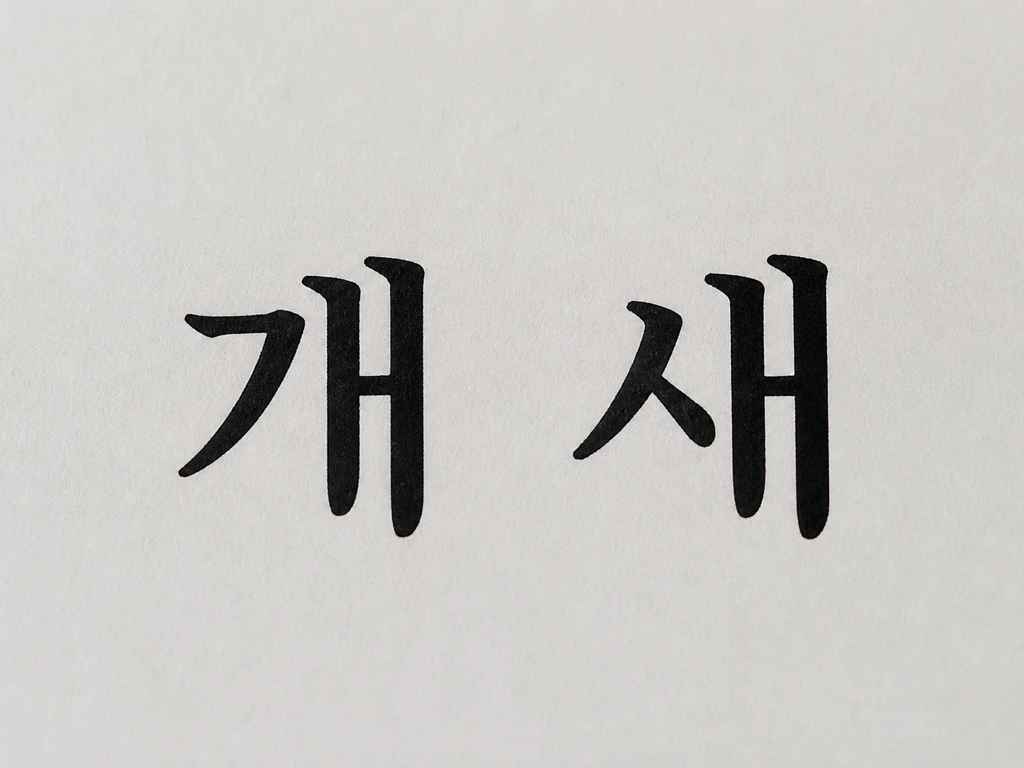
If you're interested in going deeper on related expressions, the term 'bird-dogging' as a standalone phrase has its own layer of meanings worth exploring, and there are some interesting cultural threads around the broader concept of bird-dog meaning in different contexts, including how the phrase lands differently depending on region and generation. If you are also trying to understand the dog bird meaning in korean, the same slang and context rules apply before you translate it. If you're trying to nail down bird-dog meaning in a specific post or conversation, look closely at the part of speech and the surrounding context.
FAQ
How can I tell if someone used “bird dog” as a verb or a noun in a text message?
Look at the grammar. If you see an object or a target person after it, it is usually the verb sense (for example, “bird-dog Sarah all day”). If you see it used like a label for a person (for example, “that bird dog is always after taken people”), it is the noun sense. Missing a verb, like “a bird dog here,” strongly suggests the noun meaning.
What if the sentence is short or unclear, like “Don’t bird dog me” or “That bird dog…”?
“Don’t bird dog me” is almost always a verb command, meaning stop the relentless pursuit or pressure. “That bird dog…” is likely the noun sense, an accusation about someone poaching dates or flirting where they are not wanted. If the surrounding words include business or follow-ups, the verb sense is probably about work responsiveness rather than dating.
Can “bird-dogging” be written without the hyphen, and does that change the meaning?
Not usually. People often drop the hyphen and write “bird dogging” the same way they would “bird-dogging.” The meaning still depends on context and whether it is being used to describe pressure for a response (common in work or admin contexts) versus interpersonal tension or staring.
Is “bird dog” ever meant literally, like a hunting dog or an animal reference?
Yes, but it will read differently. Literal animal usage will usually mention hunting, birds, breeds, or dogs explicitly. In casual online conversation, when it is aimed at a person and comes with an emotional tone, it is almost always the slang metaphor (relentless pursuer or date poacher).
What’s the most common mistake when interpreting Urban Dictionary “bird dog” entries?
Assuming the definition without checking the sentence. “Bird dog” can flip between an obsessive-pursuit verb and a date-stealing noun, and the surrounding topic decides which one fits. If the conversation is about texting back, contracts, or “getting a response,” prefer the relentless-pursuit meaning.
How should I respond if someone calls me a “bird dog” in dating or texting?
Ask a clarifying question about what they mean, for example, “Do you mean I’m flirting where I shouldn’t, or that I’m pressing for a reply?” This helps because the term can be an insult about poaching versus a complaint about being overly persistent.
Does the meaning change if the speaker is talking about politics or activism?
It can. In political or civic contexts, people may use “bird-dogging” as “actively watching” or “pressuring” officials, which can resemble the relentless-pursuit idea but in a different domain. If the wording includes hearings, town halls, or accountability, treat it as context-specific, not dating slang.
If someone says “bird dogging,” how do I choose between the staring sense and the pursuit sense?
Staring usually comes with interpersonal tension cues (anger, jealousy, “why are you staring”). Pursuit usually comes with an objective and follow-through cues (getting a signature, getting a reply, repeated contact). The presence of an outcome you are trying to obtain usually points to the pursuit sense.
Are there any clues from capitalization or punctuation that help disambiguate?
Usually not enough by themselves. Urban slang meaning is driven more by the part of speech and nearby words than by capitalization. Commas, quotes, or a conversational phrase like “that guy” often indicates the noun insult, while a verb form near a time span (“all week,” “today”) often indicates the relentless-follow-up sense.
Next Article
Dog Bird Meaning in Korean: Exact Phrase and Usage Guide
Find the exact Korean phrase behind dog bird meaning, plus 개 새 translations and idiom usage examples.