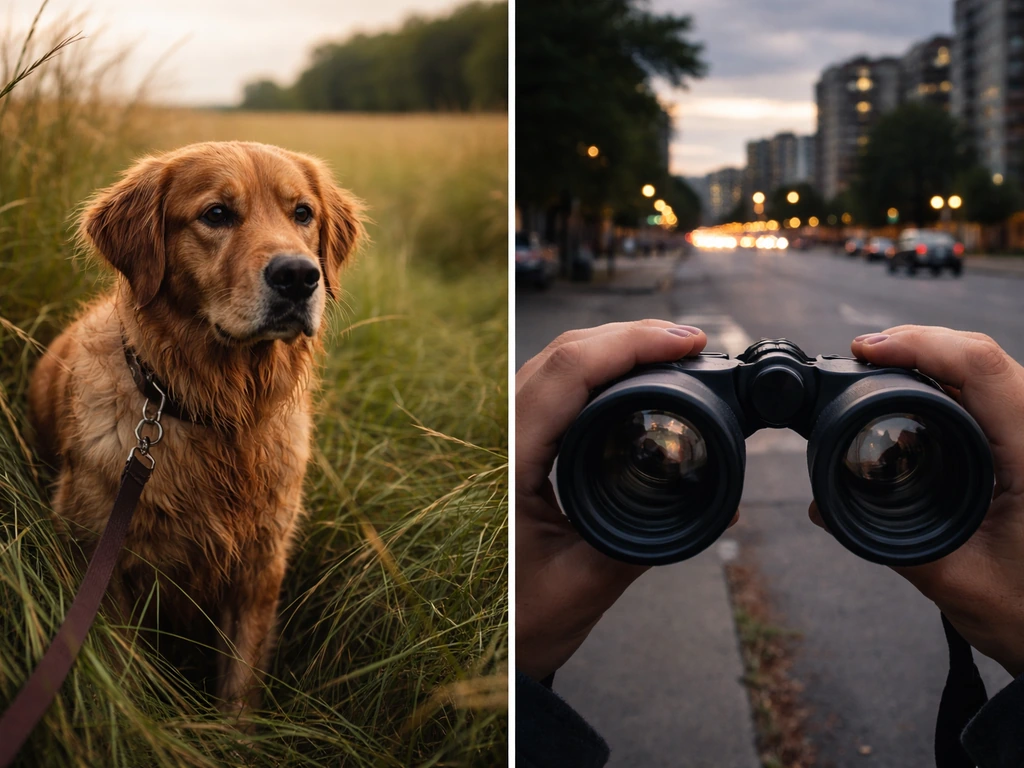
Bird-dogging means watching someone closely, following them with persistent attention, or actively seeking them out, usually to get information, apply pressure, or hold them accountable. It comes from the image of a hunting dog that tracks, points at, and stays locked onto its target. When someone says they are "bird-dogging" a person, they mean they are keeping a close, purposeful eye on that person, not just casually glancing in their direction.
What Does Bird-Dogging Mean? Slang Explained Clearly

Marcus Reeves
17 Apr 2026
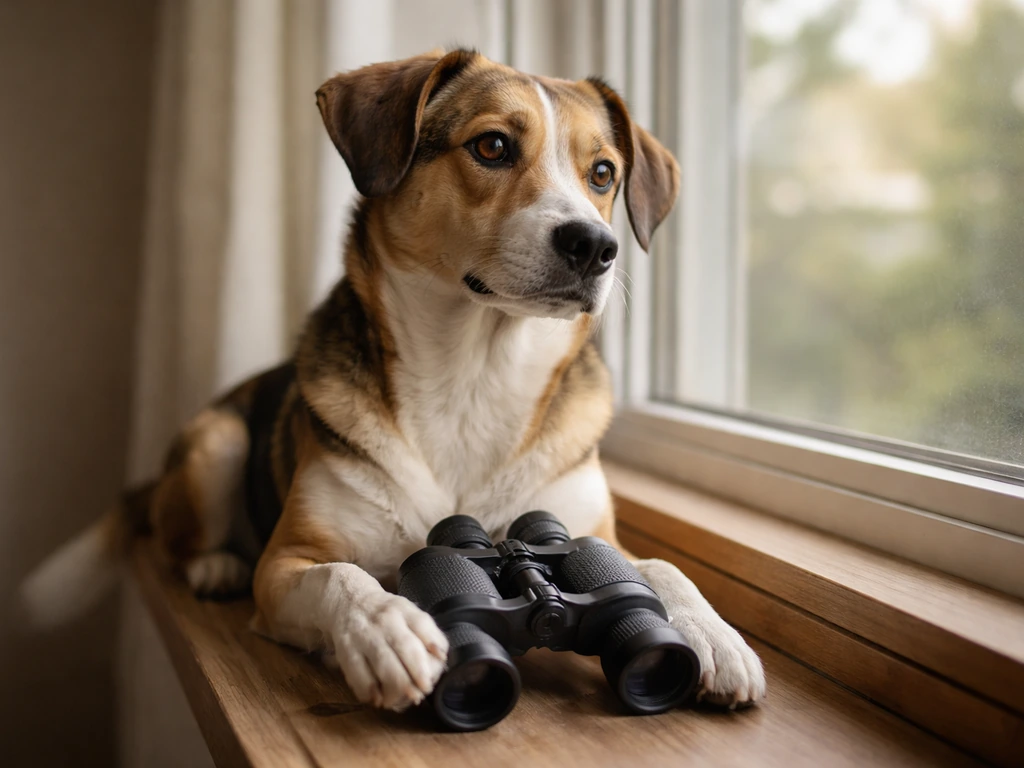
What bird-dogging actually means, in plain English
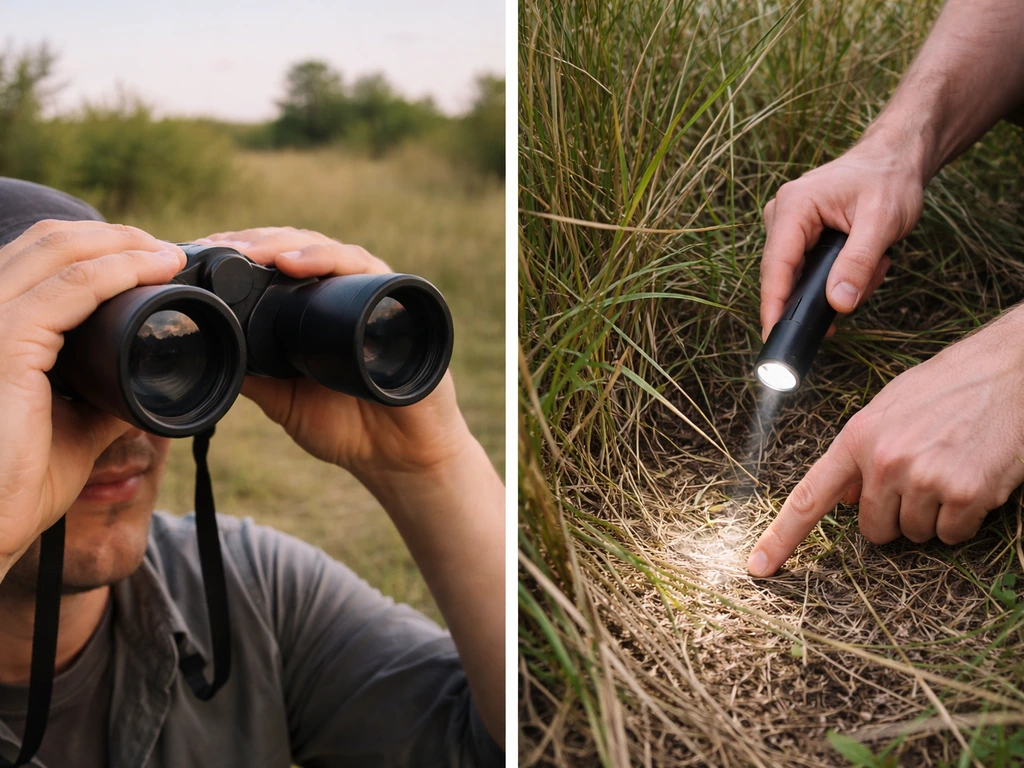
Merriam-Webster gives two clean verb definitions for "bird-dog": to watch closely (intransitive) and to seek out, follow, or detect (transitive). Both capture something important. Sometimes you are stationary and watching. Sometimes you are actively hunting someone down. Either way, the attention is deliberate and sustained, not accidental. Collins, American Heritage, and several idiom guides all land on the same core meaning: close, purposeful monitoring of a person, trend, or situation.
The phrase has been around since at least the early 20th century. Etymologists trace the "follow closely" verb sense to around 1941, but Merriam-Webster notes the term was already being used in the 1930s to describe scouting out customers or stealing someone's date at a dance. The hunting-dog metaphor is the throughline: a good bird dog does not wander off. It locks onto a target and stays with it. That's exactly what the slang describes.
If you want a quick, working definition you can use in any conversation: to bird-dog someone is to follow, watch carefully, or investigate them with persistent, purposeful attention. The ACLU of New Mexico uses that exact phrasing in their guide on the tactic. That is the core of it.
What bird-dogging looks like in real life
The most common real-world context you will see bird-dogging in today is political activism. Grassroots groups use it as a deliberate accountability tactic: organizers show up at a public official's town halls, campaign events, or press appearances, ask pointed questions designed to get that official on the record, and, ideally, have someone filming the exchange so the answer (or the dodge) can be shared widely. Organizations like Backbone Campaign, the Ruckus Society, and Planned Parenthood Action have all described bird-dogging in their training materials as a way to pressure candidates and elected representatives to clarify their positions publicly.
Outside of politics, bird-dogging shows up in workplaces, sales, and journalism. A manager might bird-dog a project by checking in repeatedly and closely monitoring every update. A salesperson might bird-dog a promising lead by tracking their schedule and showing up wherever that prospect is likely to be. A journalist might bird-dog a source by following their public movements until they get a comment. In each case, the person doing the bird-dogging has a goal in mind and is not going away until they get what they came for.
For a deeper look at the full range of meanings the base term carries, including its noun form and its roots in actual hunting culture, bird-dog meaning covers the broader picture well.
Bird-dogging vs. following, tailing, stalking, and harassing

These words sit on a spectrum, and it helps to know where bird-dogging lands on it. Here is a quick comparison:
| Term | Intent | Persistence | Consent/Context | Legal/Social Status |
|---|---|---|---|---|
| Following | General tracking of someone's location or moves | Low to moderate | Neutral, depends on situation | Usually benign |
| Tailing | Covert surveillance of movements | Moderate to high | Done without subject's knowledge | Gray area, used by investigators and bad actors |
| Bird-dogging | Purposeful monitoring to get information or apply pressure | High, goal-driven | Often public settings; subject may be aware | Generally legal; can tip into harassment if extreme |
| Harassing | Unwanted, repeated contact designed to disturb or intimidate | High, unwanted | No consent, hostile intent | Potentially illegal |
| Stalking | Obsessive surveillance with intent to control or frighten | Very high, compulsive | Non-consensual, threatening | Illegal in most jurisdictions |
The key distinctions are intent and context. Bird-dogging is goal-oriented: you want a statement, an answer, accountability, or a deal. It typically happens in public or professional settings. Stalking is about control or obsession, and the subject is meant to feel watched and unsafe. Tailing is covert where bird-dogging can be quite open. Harassment involves repeated unwanted contact that has tipped from purposeful into threatening or disturbing. Bird-dogging can slide toward harassment if the frequency or intensity becomes intimidating, but in its standard meaning, it is a persistent-but-purposeful monitoring tactic, not an attack.
The slang version: tone, intent, and how context changes everything
In casual slang, "bird-dogging" can carry a slightly negative edge depending on who is using it and why. If someone says "she's been bird-dogging me all week," there's usually an implication of unwanted attention, that the bird-dogger is being persistent in a way the subject finds intrusive or annoying. The phrase is not quite as loaded as "stalking," but it signals more than polite follow-up.
Context clues to watch for: Is the bird-dogging happening in a professional setting (usually neutral to mildly annoying) or a personal one (more loaded)? Is the person using the phrase laughing about it or complaining? Did they pair the word with language about feeling unsafe or cornered? All of those signals shift the tone. Someone joking that their boss is "bird-dogging every expense report" means something very different from someone saying their ex is "bird-dogging them everywhere they go."
It is also worth noting that the term can appear in very different communities with very different flavors. The street-level or internet slang version sometimes drifts toward describing someone who is aggressively, almost competitively watching another person, as if waiting for them to slip up. What does bird dog mean on Urban Dictionary gets into how the term shows up in more informal, unfiltered usage, which often leans harder on the competitive-watching angle.
Common misunderstandings worth clearing up
The most frequent confusion is whether bird-dogging is the same as stalking. It is not, at least not by default. Stalking implies obsession, fear, and a power dynamic designed to make someone feel unsafe. Bird-dogging, in its standard sense, is purposeful monitoring with a specific goal. The Commons Library makes this distinction clearly: bird-dogging involves persistent attention in pursuit of information or accountability, not random or threatening surveillance. That said, people who feel bird-dogged can experience it as invasive, and real-world accounts from Reddit and other online forums show that the line does blur when the frequency or method of the bird-dogging starts to feel threatening.
Another common misunderstanding: some readers hear "bird-dog" and parse it literally as something to do with actual birds and dogs before landing on the idiomatic meaning. If you have come across the phrase in a non-English context and tried to translate it word-for-word, that is probably why it felt confusing. The idiom does not map cleanly across languages. For example, the concept behind dog bird meaning in Korean is a completely separate expression with its own cultural baggage and does not carry the same "close monitoring" sense that bird-dog does in English.
People also sometimes confuse bird-dogging with a passive act of just watching. Watching from a distance with no goal is not bird-dogging. The word carries an active, seeking quality, closer to "tracking down" than to "observing. The Cambridge English Dictionary defines bird dog as trying hard to find out as much information as possible about something, especially when it is not easy to get trying hard to find out as much information as you can. " Merriam-Webster's distinction between the two verb senses captures this: you can bird-dog by watching closely, but you can also bird-dog by actively seeking someone out. Both involve intention.
What to do if you're accused of bird-dogging, or it's happening to you

If someone says you're bird-dogging them
First, take a breath and assess honestly. Are you following up persistently because you need something specific, like a work deliverable, a comment, or an answer? Or have your check-ins become about something harder to define, like wanting to catch someone in a mistake or maintain control? The former is usually defensible. The latter is where bird-dogging tips into something you should rethink.
If the accusation is coming from a professional context, the clearest move is to pull back, communicate your actual need directly, and give the other person a defined window to respond. Over-monitoring is often a sign of anxiety about outcomes, not a genuine necessity. If it is a personal context and someone has told you that your attention feels like bird-dogging, treat that as a firm boundary, not an invitation to explain yourself.
If someone is bird-dogging you
If someone is persistently tracking your public appearances, showing up repeatedly to question you, or monitoring your movements in a way that feels purposeful and directed, it is worth naming what is happening clearly. In political or professional contexts, bird-dogging is expected and largely a part of public life. In personal contexts, it can cross into harassment.
- Document specific incidents: dates, locations, what was said or done.
- Tell the person directly (if it is safe to do so) that their attention is unwanted.
- If it escalates or you feel unsafe, contact law enforcement or HR depending on the setting.
- If it is happening online, use platform reporting tools to document and restrict contact.
One useful real-world signal: if the person bird-dogging you seems to have a clear, stated goal (getting a comment, resolving a dispute, following up on a deadline), that is different from someone who appears to want nothing except to make you feel watched. Intent matters. You should also be aware that some organizations use a visible sign or signal, sometimes even a physical marker, to identify themselves as engaged in formal bird-dogging of public figures. If you have ever seen a no bird dog sticker and wondered what it was signaling, that is the accountability-tactic context at work.
The short version: bird-dogging is a specific, purposeful kind of close attention. When it is aimed at powerful people in public settings, it is a legitimate accountability tool. When it shows up in personal life without a clear purpose, it deserves to be named and addressed. Knowing the difference between "this person is persistent and goal-oriented" and "this person is making me unsafe" is the most practical thing you can take away from understanding what bird-dogging actually means.
FAQ
Is bird-dogging always political, or can it mean something else at work and in sales?
It can absolutely be non-political. At work or in sales, bird-dogging usually means persistent follow-up toward a concrete outcome (a deliverable status update, a scheduled meeting, a signature, or a promised response), often with repeated check-ins and documentation to ensure nothing stalls.
How can I tell if someone is bird-dogging me (purposeful follow-up) versus starting to cross into harassment?
Look for the goal and the boundary. Bird-dogging typically centers on a specific request (get an answer, confirm a decision, complete a task). Harassment tends to involve unclear or escalating demands, repeated contact after you decline, attempts to monitor private life, or messages that intimidate, threaten, or make you feel unsafe.
If I’m being accused of “bird-dogging,” what should I do in the moment?
Ask what the specific goal is and confirm the check-in schedule. For example, “I’m following up on X by Friday, is that timeframe okay?” If they say it feels intrusive, switch to a single agreed channel and one defined window to respond, instead of multiple unsolicited touchpoints.
Can bird-dogging be done openly, and is secrecy what makes it more harmful?
It often is done openly, especially in public accountability contexts (public events, town halls, press interactions). Secrecy can be a risk factor if it involves tracking beyond what’s reasonable, but the bigger determinant is whether the monitoring is tied to a stated objective and whether it respects boundaries.
What does “bird-dogging a lead” mean in sales, and what’s the ethical line?
It usually means tracking the prospect’s activity and staying on their radar at appropriate intervals until you get a response. The ethical line is avoiding stalking-like behavior (showing up uninvited, contacting repeatedly after opt-out, or searching for private whereabouts) and using consent-based outreach and normal business channels.
Is there a legal or safety reason to worry if someone says they are bird-dogging me?
Sometimes, yes, but it depends on conduct. The word itself is not a legal label, so evaluate the behavior: repeated unwanted contact, attempts to locate you, or threats can trigger harassment or stalking issues. If you feel unsafe, document timestamps and messages and consider reporting to the relevant platform, workplace, or authorities.
Can “bird-dogging” be used as a joke without meaning anything serious?
Often people joke when the follow-ups are mildly annoying but still tied to a clear, shared task. The risk is that humor can hide escalation, so if the recipient says it’s unwanted or intrusive, treat it as a real boundary issue and adjust immediately.
Does “bird-dogging” require showing up in person, or can it be online and still count?
It can be online. Persistent, targeted monitoring or repeated attempts to elicit replies (for example, showing up at every public post, demanding responses in multiple threads, or tracking public appearances to corner someone) can fit the meaning, especially when it is goal-driven and sustained.
Next Article
Bird-Dog Meaning: Slang vs Literal Uses Explained
Clear bird dog meaning, slang vs literal uses, plus how to spot context clues and avoid dog bird confusion.