
"Bird-dog" means to watch someone or something closely, to track and pursue persistently, or to scout out leads and prospects. That's the core of it. As a noun, a bird dog is literally a hunting dog trained to flush and retrieve birds. As a verb and as slang, it means to monitor, follow, or doggedly seek something out. If someone says they're "bird-dogging" a project, a candidate, or a deal, they're keeping a very close eye on it, or they're actively hunting it down.
Bird-Dog Meaning: Slang vs Literal Uses Explained

Marcus Reeves
17 Apr 2026
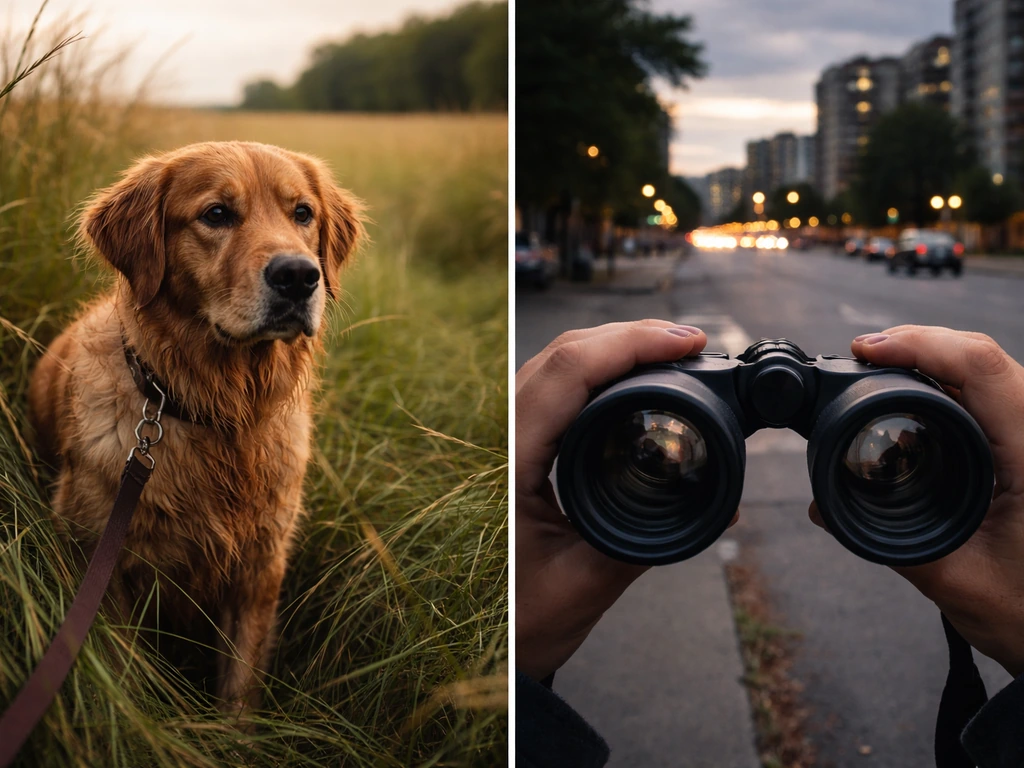
The core definition of bird dog and bird-dog
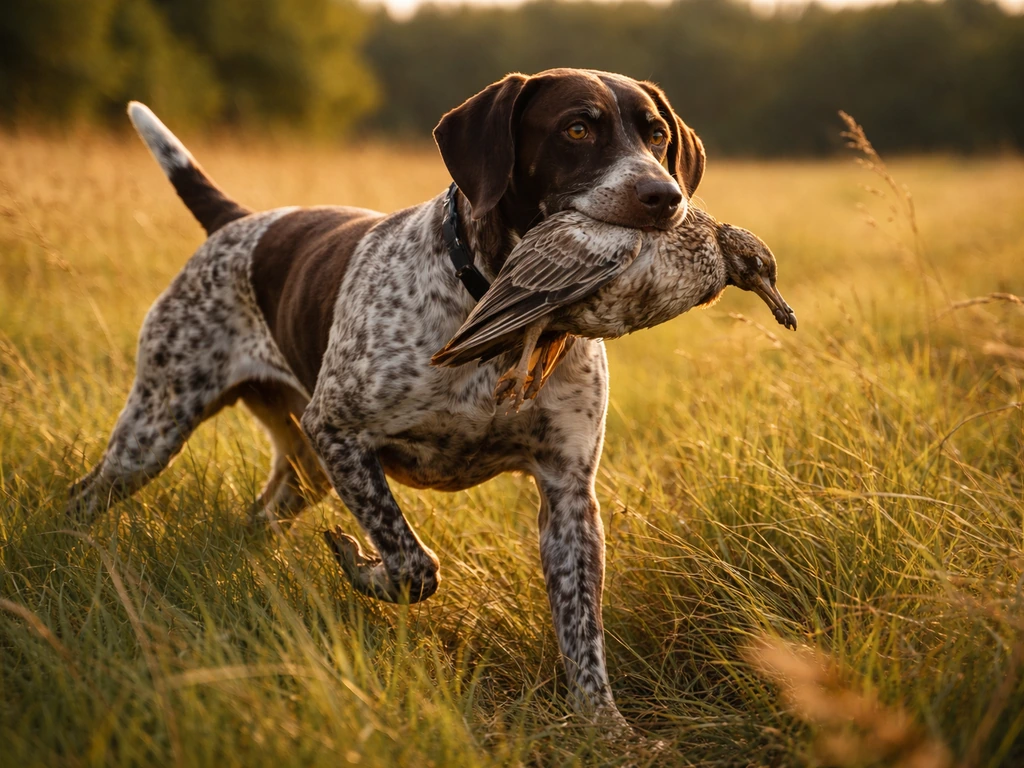
The literal noun meaning is the easiest starting point. Oxford defines "bird dog" as a dog used in hunting to bring back birds that have been shot. Think retrievers, pointers, setters. These are the dogs that flush game birds out of cover and then bring the downed bird back to the hunter. That image is the root of everything else the phrase does.
The verb form is where things get interesting. Merriam-Webster defines "bird-dog" as a verb meaning (1) to watch closely and (2) to seek out, follow, or detect. The American Heritage Dictionary phrases it as "to observe or follow closely; monitor," and gives the example: "Police bird-dogged the suspect's movements." Britannica and Cambridge both document the same standard usage. So across every major dictionary, the verb sense lands in the same place: persistent, watchful pursuit.
The slang meaning and how to spot it
The slang uses of "bird-dog" branch out from that core monitoring sense in a few directions, and context tells you which one you're dealing with. The most common slang meaning you'll encounter today is simply someone who scouts leads, watches developments, or pursues a target with relentless focus. In politics and activism, what bird-dogging means has a very specific flavor: citizens follow elected officials to public events, corner them with pointed questions, and hold them accountable. The ACLU describes it plainly as "to follow, watch carefully, or investigate."
Then there's a completely different slang lane: CB radio culture. Wiktionary and Wikipedia's list of CB slang both document "bird dog" as trucker slang for a radar detector, the device you use to detect police speed traps. If you see "bird dog" in a lyric, a novel set in the 1970s or 1980s, or any CB radio context, that's almost certainly what it means. The logic fits perfectly: the device is watching the road for you, hunting for signals, the same way a hunting dog hunts in the field.
Merriam-Webster also documents a cheeky 1930s slang meaning: "bird-dogging" someone's date, meaning to steal or poach someone else's romantic partner. It's not common today, but it shows up in older fiction and period dialogue. And by the mid-20th century, the phrase had extended into business and sales, where a "bird dog" is a person who scouts out prospects or leads for a salesperson, often for a finder's fee.
Real examples across workplaces, sports, and everyday talk
Here's how the phrase actually shows up in the wild, across different settings:
- Politics/activism: "We're going to bird-dog the senator at every town hall until he answers the question." (persistent public pressure campaign)
- Workplace monitoring: "Citizens are bird-dogging the riverfront development project" (Merriam-Webster's example) to make sure commitments are kept.
- Journalism/oversight: "The paper spent six months bird-dogging the new accountability system" — keeping sustained watch on an institution.
- Sales/real estate: A bird dog in real estate scouts undervalued properties or motivated sellers and passes those leads to investors for a fee. Reference.com describes this as "a person who flushes out prospects for a sales representative."
- CB radio/trucking: "You got a bird dog on?" means: do you have your radar detector running?
- Old-school social: "He was bird-dogging my date all night" means he was trying to steal a romantic interest.
In professional writing, you might also see it used more formally: "auditing police practices and bird-dogging the new multi-tiered accountability system" is an actual press quotation documented by Merriam-Webster. The tone there is serious and institutional, not jokey, which tells you the verb has real credibility outside of casual conversation.
"Dog bird" vs. "bird dog": clearing up the confusion
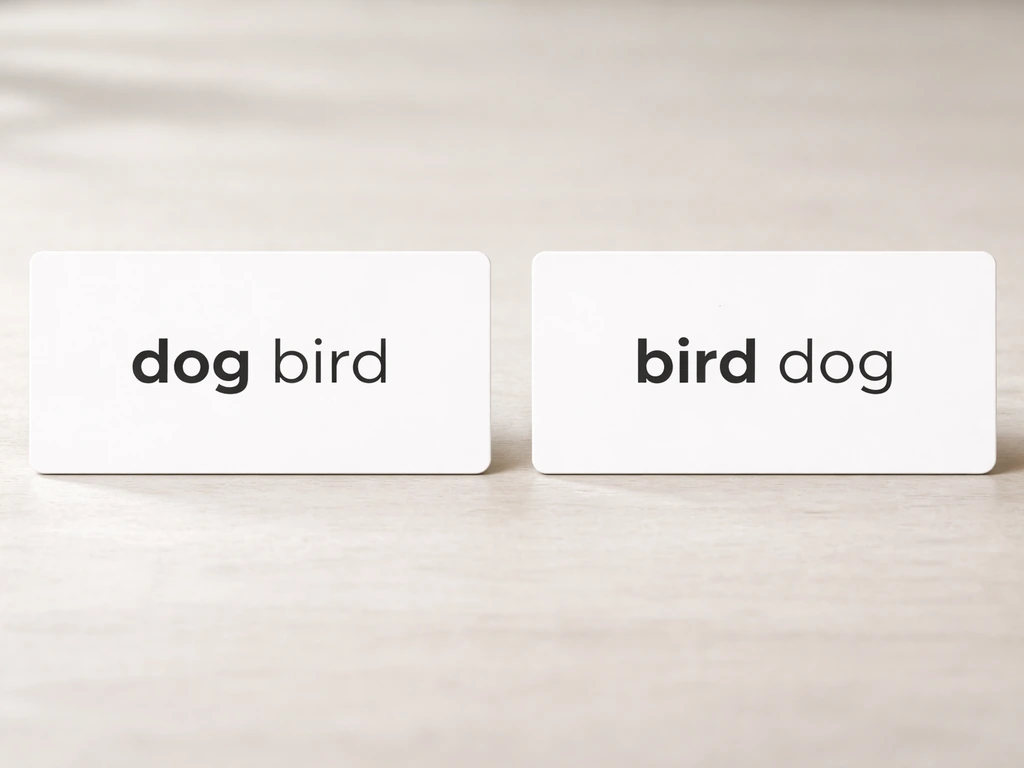
If you searched "dog bird meaning" and landed here, the short answer is: the standard English phrase is "bird dog," not "dog bird." The word order matters because English compounds put the modifier before the noun. A "bird dog" is a dog associated with birds (hunting them). "Dog bird" is not a standard English idiom and doesn't carry independent meaning in everyday use.
The search confusion usually happens one of two ways. First, someone remembers hearing or reading the phrase and accidentally inverts the words. Second, and this is worth knowing, dog bird meaning in Korean is a genuinely different topic. Korean searches for "버드독" (bird dog) often surface fitness content, since "버드독" is the name of a popular core exercise, or crypto projects using the name. None of those map to the English idiom. If you're researching the English phrase, the word order is always bird first, then dog.
One more disambiguation worth flagging: "bird dog" can appear as a proper name or brand. There are watches, stickers, and merchandise lines using "Bird Dog" as a product name with no idiomatic meaning intended. If you see it on packaging or a logo, that's branding, not slang. A "no bird dog" sticker is its own specific thing: the no bird dog sticker meaning comes from a different tradition entirely, separate from the general idiom.
Where the phrase actually came from
The origin is exactly what you'd expect given the literal meaning. As a National Priorities factsheet explains, the term comes directly from hunting: a bird dog's job was to flush birds out of cover so the hunter could shoot them, then retrieve the downed bird. The dog was persistent, focused, and methodical. The verb sense grew from that image: to bird-dog something is to do what a hunting dog does, track and pursue without giving up.
Etymonline traces the verb sense "to follow closely" to 1941, though the noun had been in use much earlier. Merriam-Webster's Word of the Day entry explains that by the 1930s, "bird-dogging" had already drifted into slang territory, first describing the practice of stealing someone's date, then later scouting customers and prospects in business. That kind of semantic drift is normal for vivid metaphors: the image of a relentless, tracking dog was too useful to stay in one lane.
A quick comparison of the main meanings
| Meaning | Part of Speech | Context Clues | Example |
|---|---|---|---|
| Hunting/retrieving dog | Noun | Outdoors, hunting, sport dogs | "A well-trained bird dog can retrieve from water." |
| To watch or monitor closely | Verb (slang) | Workplace, journalism, civic oversight | "She bird-dogged the contractor every week." |
| To persistently pursue or seek out | Verb (slang) | Sales, scouting, political activism | "Activists bird-dogged the mayor at three events." |
| Radar detector | Noun (CB slang) | Trucking, CB radio, 1970s-80s context | "Got a bird dog on, clean and green ahead." |
| Lead scout or prospect finder | Noun (business slang) | Real estate, sales | "He worked as a bird dog for the investment firm." |
| To poach someone's date | Verb (slang, dated) | Casual/social, older fiction | "He was bird-dogging my date all night." |
How to figure out what it means when you see it
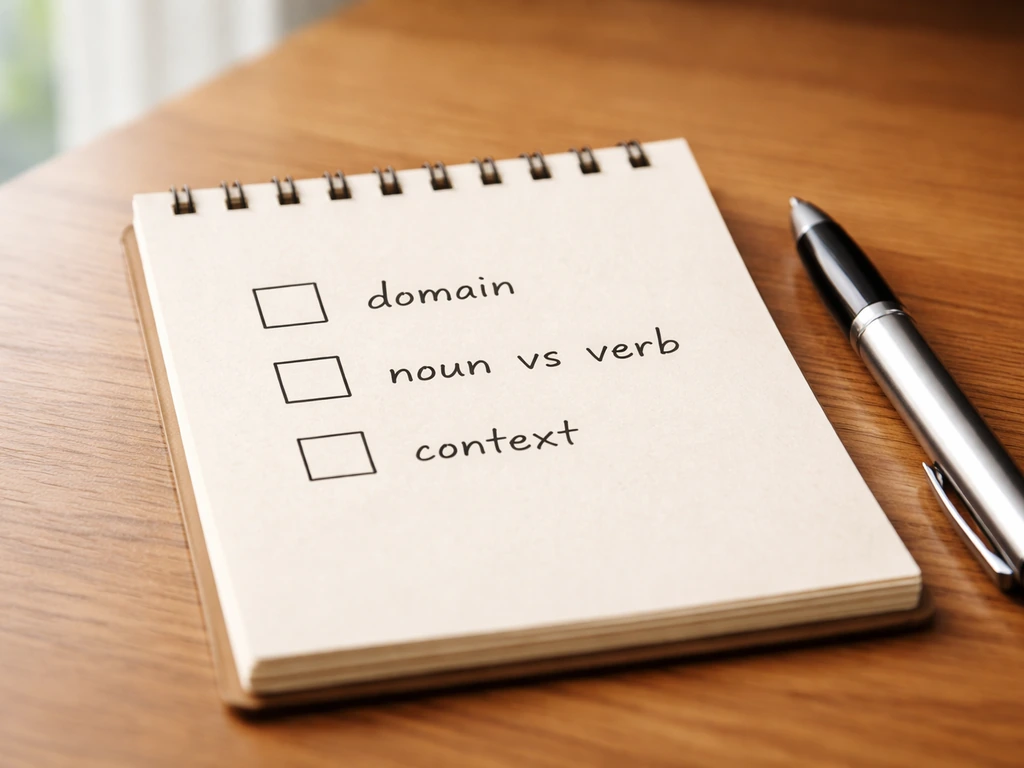
The fastest way to pin down which meaning you're dealing with is to check three things: what domain is the conversation in, what form (noun or verb) is the word taking, and what time period or subculture is the source from. Here's a practical framework:
- Check noun vs. verb first. If it's "a bird dog" (noun, referring to a person or device), you're either in hunting, CB radio/trucking, or business scouting territory. If it's "to bird-dog" or "bird-dogging" (verb), you're almost certainly in the monitor/pursue/track sense.
- Read the surrounding domain. Politics, journalism, or civic talk? It means persistent watchful pressure. Sales or real estate? It means scouting leads. Trucking or 1970s-80s references? Radar detector. Hunting or outdoor sport? Literal hunting dog.
- Look for the target. What's being bird-dogged? A person, a project, a candidate, a property? The nature of the target tells you everything about which sense is meant.
- When in doubt about slang specifically, check whether the context fits Urban Dictionary-style usage. What bird dog means on Urban Dictionary covers community-submitted slang definitions that can fill in gaps standard dictionaries miss.
- If the word order is flipped ("dog bird" instead of "bird dog"), assume it's a search error or a non-English context and default to the standard English "bird dog" definitions above.
One more quick check: the Commons Library notes that bird-dogging as a political tactic is especially common around election season. So if you encounter the term in news coverage of campaigns, rallies, or town halls, that's almost certainly the accountability/activist sense: someone is tracking a candidate across events, waiting for the right moment to press them on an issue. That context is a strong signal on its own.
Bottom line: "bird-dog" is one of those compact, useful phrases that earned its place in the language by capturing something specific, the relentless, methodical tracking of a good hunting dog, and then spreading that image across a dozen different situations. Once you've got the core image in your head, the slang almost always makes immediate sense.
FAQ
What’s the difference between “bird-dogging” someone and simply “watching” them?
In most modern English usage, “bird-dogging” a person or issue means you are persistently monitoring their actions and seeking a specific response, not just “keeping an eye on them.” If the context includes questions, pressure, or follow-ups, the political or investigative sense is usually intended.
Can “bird-dog meaning” apply to business without any political vibe?
Yes, it can be used neutrally in work settings, especially sales and procurement contexts, where it means identifying leads and staying on top of progress. The clue is whether the sentence mentions prospects, leads, pipeline updates, or next steps, rather than protest-style accountability.
Is it correct grammar to use “bird dog” as a verb, or should it be “bird-dog”?
In conversation, people sometimes use “bird dog” as a noun for a person who hunts leads, but “bird-dog” with a hyphen is more common when used as a verb (“to bird-dog the deal”). If you’re writing, choose the form that matches the grammar, and hyphenate the verb when it appears as an adjective before a noun (for example, “bird-dog strategy”).
How can I tell if “bird-dog” is CB slang versus the standard English idiom?
In the CB radio or trucker context, “bird dog” usually points to a radar detector, the device that helps drivers detect speed enforcement. Outside that subculture, the same words almost never refer to hardware, so the surrounding references to radar, speed traps, or truck driving are the deciding factors.
Is bird-dogging in politics always about accountability, or can it be considered harassment?
Not always. In politics, it can mean respectful scrutiny, but the tactic can become confrontational if someone is “cornering” or repeatedly pressing for answers. If the text mentions harassment, threats, or stalking-like behavior, treat it as a more aggressive variant even if the label is “bird-dogging.”
When might “bird-dogging” mean poaching someone’s date instead of tracking a lead?
If the phrase appears in older fiction or period dialogue, the “bird-dogging someone’s date” sense (stealing or poaching a romantic partner) is possible. A strong signal is whether the sentence mentions a date, “stealing,” or romantic rivalry, rather than leads, candidates, or investigations.
What should I do if someone writes “dog bird” instead of “bird dog”?
It’s common to see confusion with “dog bird meaning,” but in standard English the idiom is “bird dog,” word order included. The only time you should consider “dog bird” meaningfully is if it’s a literal description of an animal (a dog that relates to birds), but it will not function as the standard idiom for monitoring or pursuing.
How do I distinguish the idiom from cases where “Bird Dog” is a brand name?
Yes. “Bird dog” can be a brand or product name, for example on merchandise, watches, or stickers. If the capitalization is unusual (“Bird Dog” as a logo) or the sentence is about buying, shipping, or ownership, interpret it as branding rather than the verb or slang idiom.
Is there a quick way to identify the political sense during campaign coverage?
When the phrase shows up around election season, town halls, rallies, or campaign events, it typically means tracking an official closely for accountability and follow-up questions. If instead the sentence is about scheduling, meeting attendance, or “waiting for the right moment,” that context further supports the political sense.
How can I tell whether a business “bird dog” is about leads, referrals, or investigation?
The “finder’s fee” business sense is most likely when you see words like “referral,” “introduce,” “prospect,” “lead,” “commission,” or “commission-based.” If the sentence is about investigating wrongdoing or press scrutiny, that’s a different lane than the lead-scouting lane.
Next Article
Ghetto Bird Meaning: What It Says and How to Respond
Plain meaning of ghetto bird slang, how it’s used as an insult, and practical ways to respond and interpret it.