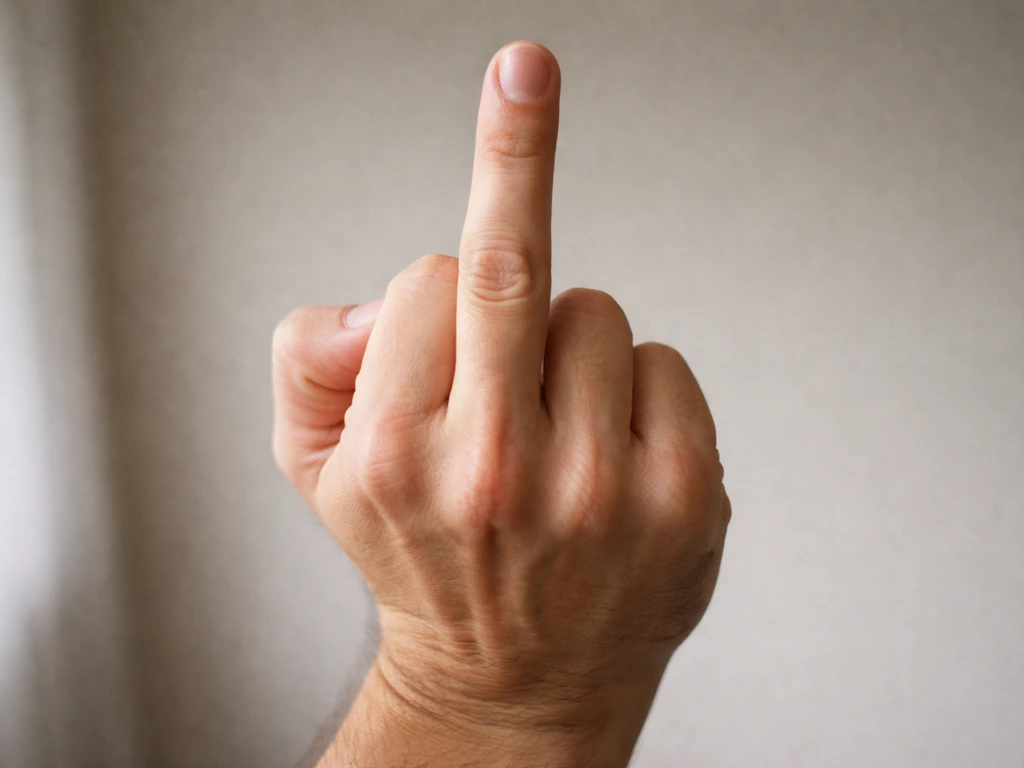
"Give me the bird meaning" is one of those searches that could mean three completely different things depending on what you just read or heard. You might be looking for the symbolism behind a specific bird species (like what a raven or dove represents), the meaning of a bird-related idiom or proverb (like "a bird in the hand" or "early bird gets the worm"), or the definition of the slang phrase "give the bird" or "flip the bird," which is a rude hand gesture and has nothing to do with actual birds. Once you know which one you need, the answer is quick. This guide covers all three so you can match your situation and move on.
Give Me the Bird Meaning: Symbolism, Species, Idioms

Marcus Reeves
28 Apr 2026
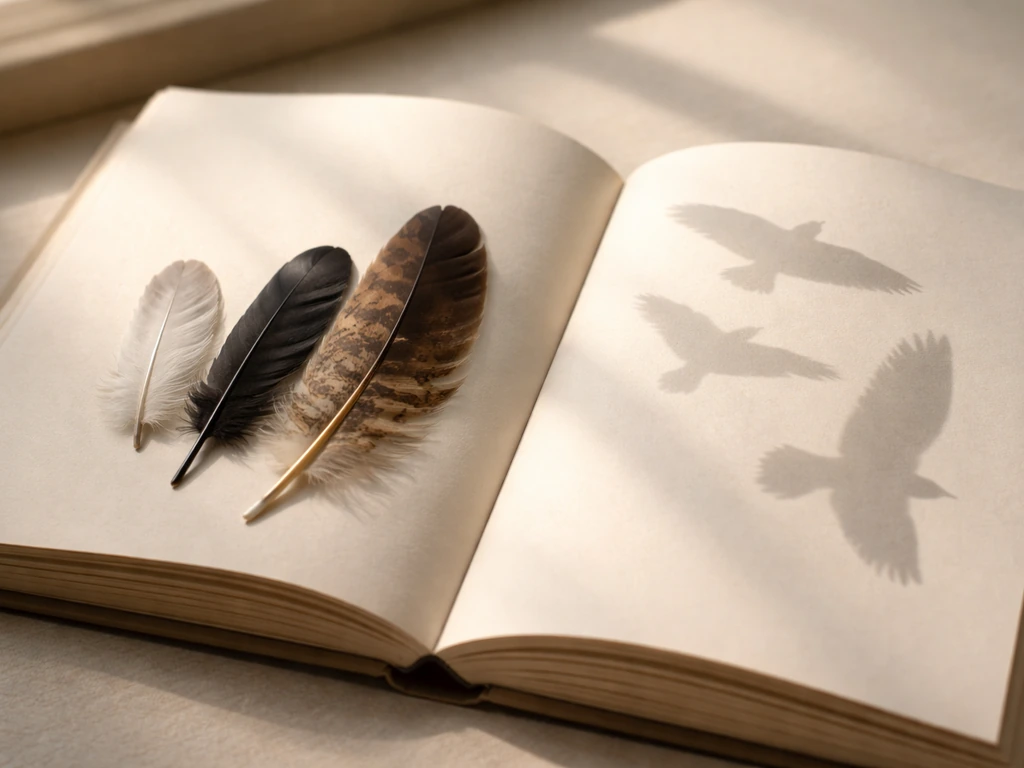
Which "bird meaning" are you actually looking for?
The phrase "give me the bird meaning" is genuinely ambiguous, and that is worth addressing upfront because the answers are completely different depending on the context. Here are the four most common things people are searching for when they type this:
- The slang phrase "give the bird" or "flip the bird" — an offensive gesture (extending the middle finger) used as an insult. If you just saw someone do this, or read the phrase in a book or text message, this is almost certainly what you need.
- The symbolic meaning of a bird species — what does a raven, dove, owl, or eagle represent in culture, literature, or art? This is common when you encounter a bird in a story, poem, or dream and want to know what the author or tradition probably meant.
- A bird idiom or proverb — expressions like "a bird in the hand is worth two in the bush" or "early bird gets the worm" that use bird imagery to make a point about life.
- Cultural or spiritual bird symbolism — how a specific bird is interpreted in mythology, religion, or folklore across different traditions.
If you are here because of the gesture or insult, jump straight to the idioms section below. If you want species symbolism, the next two sections are exactly what you need. And if a proverb sent you here, the idioms section covers the most common ones.
Core bird symbolism: the big themes
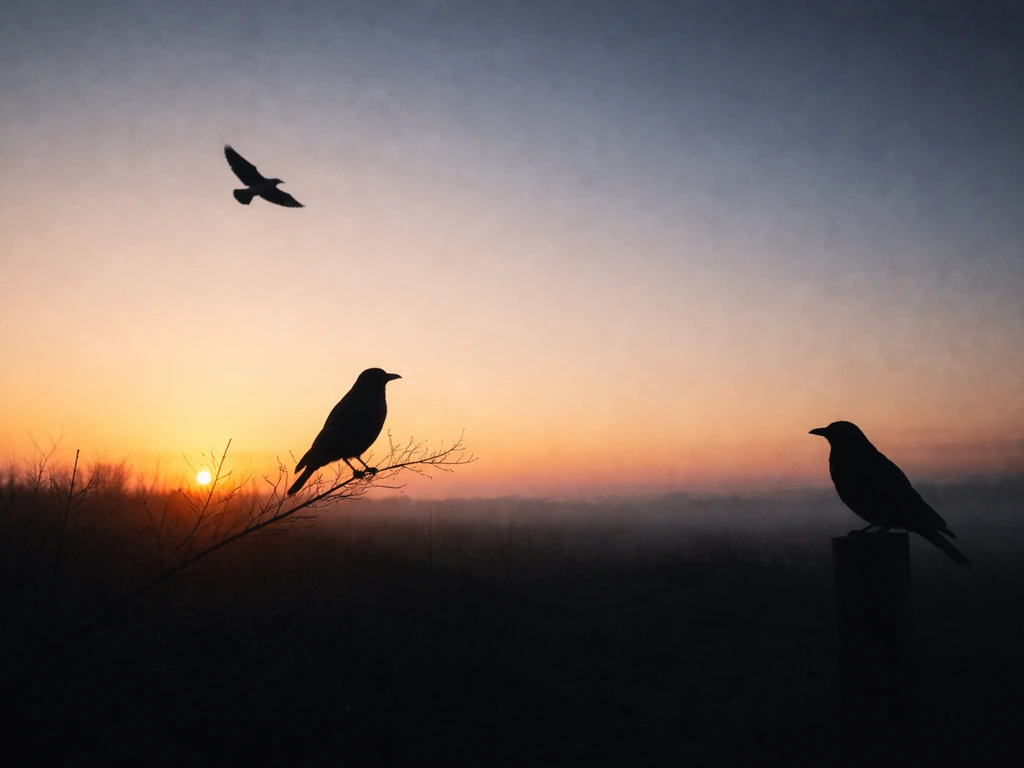
Before getting into specific species, it helps to understand the broad themes that birds carry across most cultures. These are the meanings you will see recycled in poetry, fiction, mythology, and art over and over again.
| Symbolic Theme | What It Usually Means | Common Examples |
|---|---|---|
| Freedom | Birds in flight represent liberation, independence, or escaping constraints | Caged bird imagery in poetry, eagle soaring in national symbols |
| Peace | A bird (usually a dove) as a messenger of goodwill or reconciliation | Dove with olive branch, releasing doves at ceremonies |
| Wisdom | A bird associated with knowledge, foresight, or intelligence | Owl linked to Athena, goddess of wisdom in Greek mythology |
| Death or omens | A bird as a messenger between the living and the dead, or as a bad sign | Raven, crow, or vulture appearing before or after tragedy |
| Transformation | A bird representing change, rebirth, or spiritual transition | Phoenix rising from ashes, swan transforming in myth |
| Divine favor or guidance | A bird sent by or associated with a god, acting as a sign or messenger | Eagle as a Roman and Aztec symbol of divine authority |
| Love | A bird representing romantic devotion or partnership | Doves as love symbols, swans mating for life |
One important thing to keep in mind: these themes are not universal or fixed. An owl means wisdom in one tradition and bad luck in another. Symbolism is always shaped by the cultural context, the time period, and the specific text or story you are reading. Treat these themes as a starting point, not a definitive rulebook.
Species-specific meanings you will actually run into
When a specific bird shows up in a poem, novel, painting, or myth, the author or tradition almost always chose that bird deliberately. Here is what the most commonly referenced species tend to mean, along with the cultural nuances worth knowing.
Dove
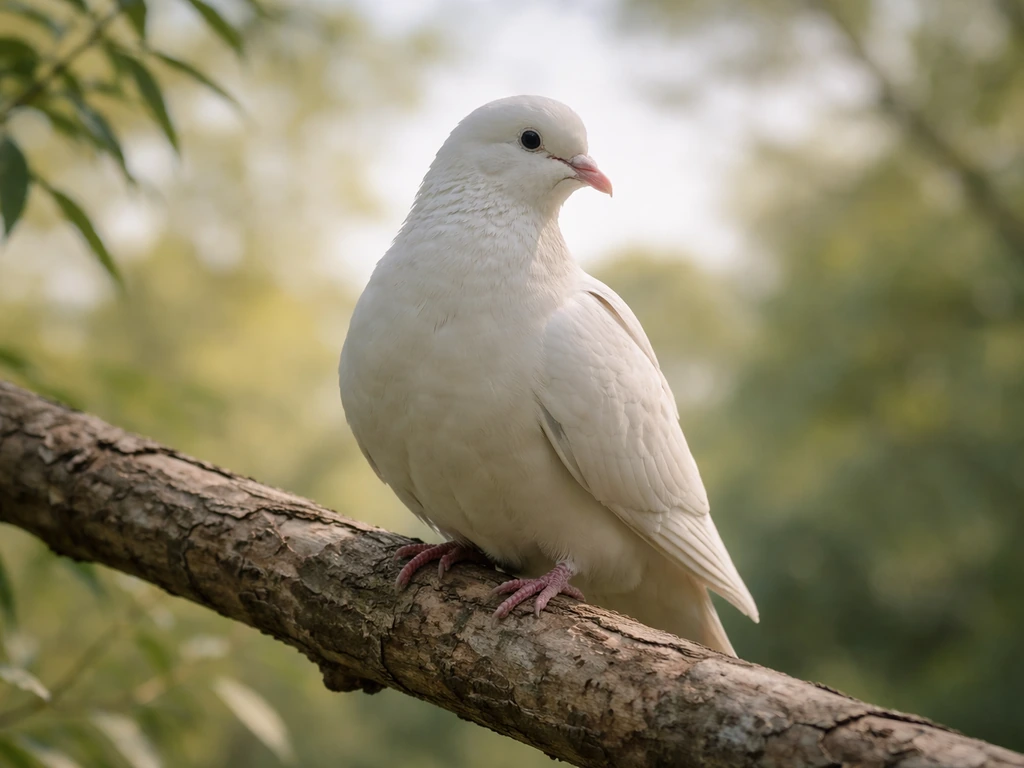
The dove is the go-to symbol for peace and purity in Western culture, and that association runs deep through Christian tradition. In the Bible, a dove returns to Noah's Ark with an olive branch, signaling the end of the flood. At Jesus's baptism, the Holy Spirit appears as a dove. These two references alone cemented the dove as a symbol of peace, divine favor, and new beginnings in Western art and literature for centuries.
That said, the "dove equals peace" reading is not ancient or universal. Early Jewish tradition did not frame the dove the same way, and the peace association became dominant mainly through early Christian interpretation. If you are reading a text outside that tradition, the dove might simply represent gentleness, love, or innocence rather than anything specifically religious.
Raven and Crow
Ravens and crows are probably the most loaded birds in Western symbolism, and they tend to get bundled together even though they are different species. The dominant theme is darkness: omens of death, bad luck, or the supernatural. Edgar Allan Poe's "The Raven" is the most famous literary example, where the bird becomes an embodiment of grief and inescapable loss. In Norse mythology, Odin's two ravens ([Huginn and Muninn, meaning Thought and Memory](https://en.
wikipedia. org/wiki/HuginnandMuninn)) serve as messengers and spies, giving the raven a more complex association with prophecy and intelligence. Celtic traditions also connect ravens to battle and the gods of war. So "raven meaning" is not simply "bad omen", it can also mean prophecy, wisdom, or transformation depending on the tradition.
The consistent thread is that ravens and crows exist at the boundary between the living world and whatever lies beyond it.
Owl
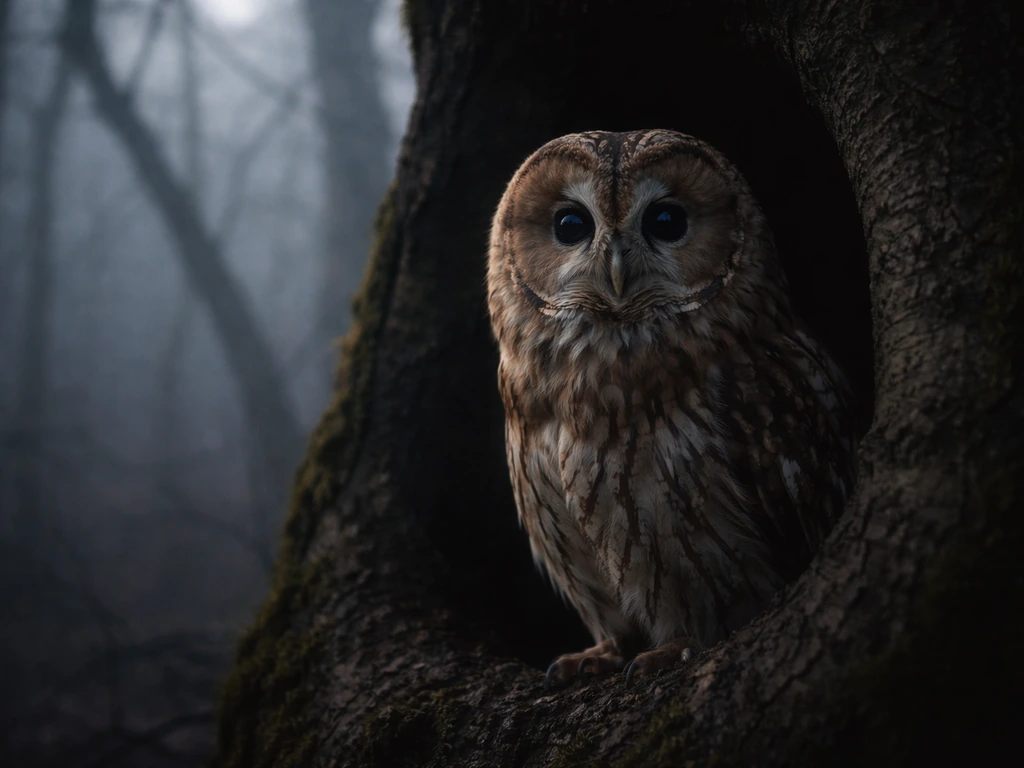
In modern usage, the owl almost always means wisdom. That comes directly from ancient Greece, where the little owl (Athena's owl) was sacred to Athena, goddess of wisdom and strategy. Athens even put the owl on its coins. The association stuck so firmly that owls in children's books, school logos, and academic imagery are almost always meant to signal intelligence or knowledge.
However, medieval European tradition is a good reminder not to assume one meaning fits everywhere. In that period, owls were more often symbols of darkness, bad luck, and in some cases were used in anti-Semitic scapegoating rhetoric, treating the bird as a figure of ill omen. If you are reading a medieval text and an owl appears ominously, the author probably did not mean wisdom.
Eagle
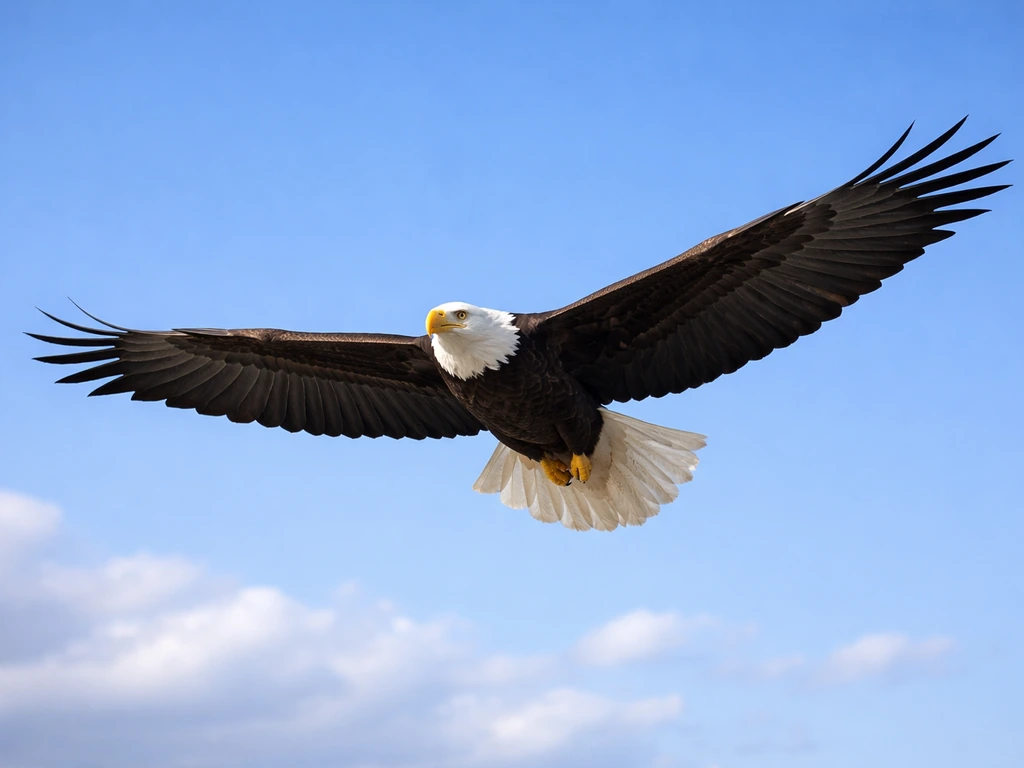
The eagle is consistently linked to power, authority, and divine favor across widely different cultures. The Romans used the eagle (aquila) as the standard of their legions, connecting it to Jupiter and imperial power. In the Hebrew Bible, eagles' wings represent divine strength and protection. The Mexica (Aztec) founding legend describes an eagle perched on a cactus as a divine sign marking where Tenochtitlan should be built, which is why the eagle appears on the Mexican flag to this day.
In American symbolism, the bald eagle represents freedom and national strength. The common thread across all these uses is that the eagle is not just a powerful bird, it is a bird chosen by or connected to a higher power, making it a sign of legitimate authority and divine favor.
Swan
Swans carry two main symbolic meanings. The first is grace, beauty, and transformation, most famously in the ballet "Swan Lake" and the fairy tale of the Ugly Duckling. The second is the concept of the "swan song," which refers to a final performance, work, or act before death or retirement. The idea comes from the ancient belief that swans, normally silent, sing one beautiful song just before they die.
Classical Latin poets used the swan as a metaphor for the poet's final, lasting work. In everyday English today, you will hear "swan song" used to describe an athlete's last season, a musician's final album, or a politician's farewell speech. It always means a last significant act, often a particularly good or memorable one.
Other birds worth knowing
- Robin: In many Western traditions, a symbol of spring, renewal, and good news. Frequently appears in poetry as a signal that winter is over.
- Phoenix: A mythical bird that burns and rises from its own ashes, representing rebirth, resilience, and transformation. Common in stories about recovery or comeback.
- Peacock: Associated with pride, vanity, or beauty depending on the tradition. In Hinduism, the peacock is sacred and linked to the god Kartikeya.
- Albatross: In sailing tradition and after Coleridge's poem "The Rime of the Ancient Mariner," an albatross represents a heavy burden or curse. Calling something "an albatross around your neck" comes directly from that poem.
- Sparrow: Often symbolizes humility, simplicity, or the overlooked. In the New Testament, even sparrows are known to God, making the bird a symbol of divine care for small things.
Bird idioms and what they mean in plain English
Bird imagery is everywhere in everyday English. If the phrase you encountered is something people say rather than a bird that appears in a story, one of these is probably what you are looking for.
"Flip the bird" and "give the bird"
These two phrases mean the same thing: blank" rel="noopener noreferrer">extending the middle finger at someone as an offensive gesture of contempt or anger. It has nothing to do with birds in any symbolic or literal sense. If you meant the slang, the gesture is explained in the bird idioms section with the meaning of “flip the bird” and “give the bird. ” flip the bird meaning.
"Flip the bird" is the more common modern phrasing. "Give the bird" has a slightly older and broader usage that also covers booing or hissing at someone to show disapproval, the way theater audiences used to dismiss a bad performance. The gesture itself is ancient, but the specific phrase "flip the bird" became established in American English during the 20th century, with print usage documented from at least the 1960s.
The origin of why the middle finger is called "the bird" is debated, but the phrase is firmly in the slang category with no connection to actual bird symbolism. Closely related expressions like "giving the bird" and questions about what it means to give someone the bird all point to this same gesture and its history. If you meant the slang, “giving the bird” is all about the rude gesture, not actual bird symbolism.
"A bird in the hand is worth two in the bush"
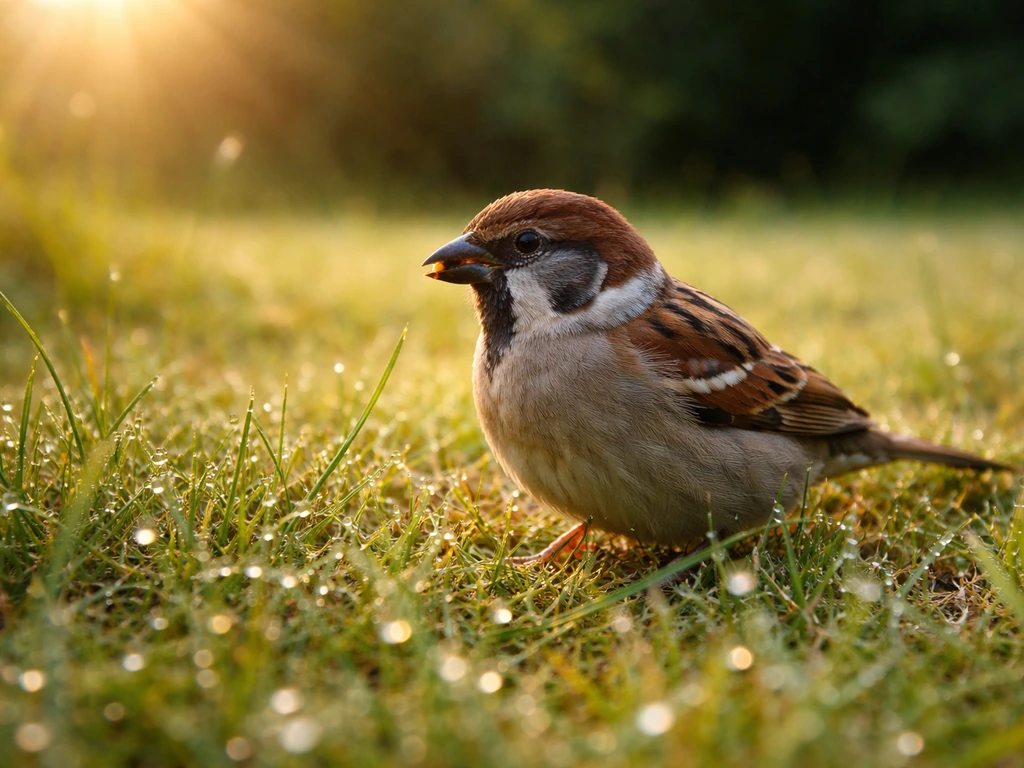
This proverb means it is better to hold onto something certain and real than to risk losing it by chasing something bigger that might not materialize. The "bird in the hand" is the sure thing you already have. The "two in the bush" are the potentially better options that are not guaranteed.
The proverb is one of the oldest in English, with roots going back to at least a 13th-century Latin text, and it appears in various forms across European languages. Psychology Today notes that the modern form of the proverb "A bird in the hand is worth two in the bush" first appears in John Ray’s Hand-book of Proverbs (1670).
People use it today to advise caution over greed: take the deal you have rather than gambling it away for a bigger one.
"The early bird gets the worm" (also "catches the worm")
This proverb means that people who start early or act first have an advantage over those who wait. The bird that wakes up early finds food before others do. It is used to encourage punctuality, initiative, and getting ahead of the competition. Both versions ("gets" and "catches") are correct and mean the same thing. It is one of the most widely recognized proverbs in English and is usually meant as straightforward practical advice rather than a metaphor with deeper symbolic layers.
Other common bird phrases
| Phrase | What It Means |
|---|---|
| Birds of a feather flock together | People with similar interests or characters tend to associate with each other |
| Kill two birds with one stone | Accomplish two things with a single action |
| The bird has flown | The person or thing you were looking for has already left or escaped |
| A little bird told me | I heard something from a source I am not going to reveal |
| Swan song | A final performance, act, or work before retirement or death |
| Albatross around your neck | A burden or source of guilt that you cannot get rid of |
| Spread your wings | To become more independent or try new things |
| Ugly duckling | Someone who appears unpromising at first but turns out to be exceptional |
How birds work in literature, myth, and art
In stories and art, birds almost never just appear as background decoration. When a writer or artist places a specific bird in a scene, they are usually signaling something to the reader or viewer through established symbolic shorthand. Understanding a few key conventions makes it much easier to interpret what you are reading.
One of the most common functions of birds in literature is as an omen or messenger. A raven appearing at a window in a Gothic story is not an accident, the author is signaling dread, death, or the supernatural. A dove appearing after a violent or sorrowful scene typically signals peace or resolution, often with religious overtones. Eagles in epic poetry and historical texts almost always signal divine authority or the proximity of a god. These conventions are consistent enough that once you know them, you can read bird appearances in literature with much more confidence.
Birds are also used as transformation symbols, particularly in myths and fairy tales. The phoenix burning and rising again is the most explicit version, but you also see it in stories where a character is turned into a bird (often a punishment or a curse) and eventually restored, signaling some kind of personal transformation or redemption. In classical mythology, the gods themselves sometimes appear as birds or transform humans into birds as expressions of divine power.
In national and imperial imagery, the bird tends to carry the weight of divine legitimacy. The Roman eagle on the legion standards, the eagle in the Mexican national symbol tied to a founding Mexica prophecy, and the American bald eagle on the seal are all examples of cultures using a powerful bird to say: this authority comes from somewhere higher than human decision. That tradition is ancient and remarkably consistent across otherwise very different cultures.
One function worth noting in poetry specifically is the bird as a stand-in for the poet's own voice. From classical Latin poets comparing themselves to swans, to the Romantic tradition of the nightingale or skylark as a figure of pure creative expression (Keats's "Ode to a Nightingale," Shelley's "To a Skylark"), birds in poetry frequently represent artistic inspiration, beauty that transcends death, or the gap between the ideal and the real.
How to figure out the right meaning for your situation
The single biggest mistake people make with bird symbolism is assuming one fixed meaning applies everywhere. It does not. Context is everything, and a few quick questions will save you a lot of confusion.
- What is the source? A medieval European text, a Norse myth, a modern novel, and a Christian hymn will use the same bird in completely different ways. Identify the tradition first.
- Is this a phrase or an actual bird? If you heard or read "give the bird," "flip the bird," or "giving the bird," you are in slang territory, not symbolism territory. Those phrases are about a gesture, not a species.
- Is this a proverb? If the phrase has a bird doing something and ends with a practical life lesson, it is probably a proverb. Look up the specific wording to get the exact meaning.
- Is the bird in a story or a real-life encounter? Symbolic meanings developed for literary and artistic contexts. If you actually saw a bird outside your window, its appearance does not carry a predetermined meaning unless you are in a tradition that specifically interprets such signs.
- Are multiple meanings possible? If you are reading a text where the author was educated and deliberate (a poem, a novel, a historical document), assume the bird choice was intentional and look up what that species meant in that cultural period. If the text is casual or modern, the author may have used the bird loosely without invoking a specific tradition.
On the topic of "not overreading": bird symbolism is rich and genuinely interesting, but it is worth being a little skeptical of any source that gives you a single definitive spiritual meaning for a bird sighting in your daily life. Symbolism is a human interpretive layer placed on top of nature, and different cultures disagree significantly on what the same bird means. An owl outside your window is an owl. If you want to interpret it symbolically, that is a creative and personal act, not an objective fact. That distinction keeps the subject interesting without turning it into something anxious or prescriptive.
If you came here for the slang definition of "give the bird" or "flip the bird," you have it. If you are wondering how the gesture is related to “flip the bird,” that idiom is explained in the bird idioms section too giving the bird. If you needed the meaning behind a specific species, use the sections above as your starting point and then look up that species in the cultural tradition most relevant to your text. And if a proverb sent you here, the table above covers the most common ones with plain-English definitions you can use immediately.
FAQ
If I saw “a bird” in a poem or movie, how do I know whether it is symbolism or just setting?
Check whether the bird appears right at a turning point (before a prophecy, after a loss, at a vow or revelation). When the scene’s tone is shifting, the bird is more likely a deliberate omen or thematic stand-in than background detail, especially if the bird is named specifically.
Do bird meanings change depending on whether the bird is alive, dead, injured, or just a feather?
Yes. Stories often treat an injured or dead bird as intensifying the negative or transitional message (grief, loss, interruption), while a feather can shift meaning toward messenger or lingering presence rather than an event happening in real time.
What if I do not know which species was shown, for example “a small dark bird” or “a bird of prey”?
Use category-based meanings instead of species: ravens/crows-like dark corvids tend to cluster around omen and boundary themes, while eagles/raptors more often signal authority, power, or divine-proximate status. If the scene gives clues (size, habitat, behavior), narrow further.
Is “give me the bird meaning” ever used in a non-English context to mean something else?
It can be. In other languages, the phrase might be a literal translation or a misunderstanding of a local expression. If the surrounding text is not in English or the context is not about gestures or idioms, treat it as a translation issue and look for the original-language idiom rather than the English slang.
Is the “bird” in “a bird in the hand” always literal, or can it be used sarcastically?
It is usually literal-sounding metaphor, but people sometimes use it sarcastically to criticize someone who is refusing a better opportunity. Look for cues like arguing, eye-rolling, or contrasting “sure thing” talk with “but what about the bigger offer?”
Are “early bird gets the worm” and similar lines always advice about punctuality?
Most of the time, yes, but sometimes it is used more broadly to mean acting first in general (booking the best seat, submitting first, making a move). If the conversation is about work strategy or competition, the “initiative” meaning is the closer fit.
Where does “the bird” meaning for the middle finger come up, and is it always the same level of rudeness?
It refers to the hand gesture itself, and related phrases like “flip the bird” and “give the bird” point to showing contempt. The impact depends on setting, workplace norms, and whether it is directed at a person, but it is generally vulgar and confrontational in formal contexts.
How can I avoid getting wrong symbolism from random websites or spiritual blogs?
Cross-check with the specific work or tradition you are reading. If a source claims one universal spiritual meaning for a bird sighting, treat it as interpretive storytelling, not a reliable rule. For texts, confirm whether the bird is tied to a known myth, religious motif, or literary trope.
What is the fastest way to identify which “meaning” I need when I search “give me the bird meaning”?
Use the last thing you saw. If it was a hand gesture, you want the slang meaning. If it was a sentence like “bird in the hand” or “early bird,” you want the proverb/idiom. If it was a named species in a story or artwork, you want species symbolism, then match the bird to the culture or text you are dealing with.
Next Article
Why Is It Called Giving the Bird? Meaning and Origin
Learn why giving the bird means a rude insult, where it came from, and how to respond in real life and online.