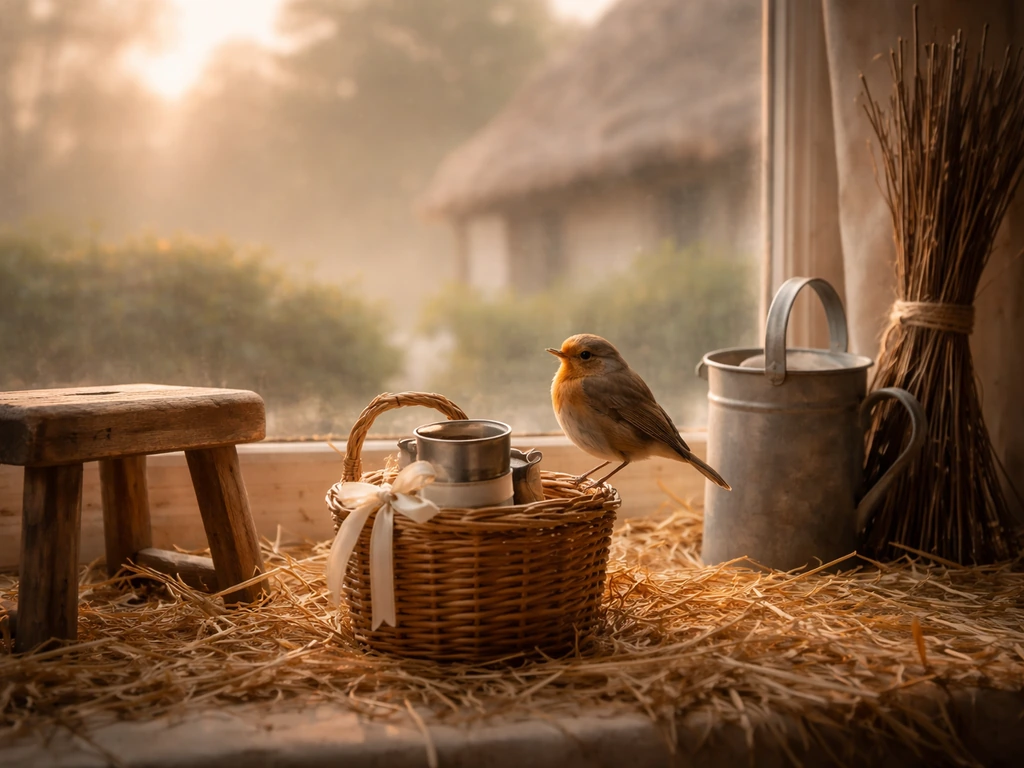
"The dinky bird" most likely means one of three things depending on where you encountered it: a literal small or unimpressive bird, a playful or affectionate nickname, or a crude slang term for a penis. The most common everyday encounter is simply someone using "dinky" (meaning small and unimpressive) as an adjective in front of "bird," giving you a phrase that either describes a tiny bird literally or mocks something metaphorically. The literary version, from Eugene Field's 1904 "Poems of Childhood" illustrated by Maxfield Parrish, is a third entirely separate meaning that shows up in art and academic contexts. Getting the right reading comes down to tone, setting, and the relationship between speaker and listener.
The Dinky Bird Meaning: Literal or Slang and How to Tell

Marcus Reeves
20 May 2026
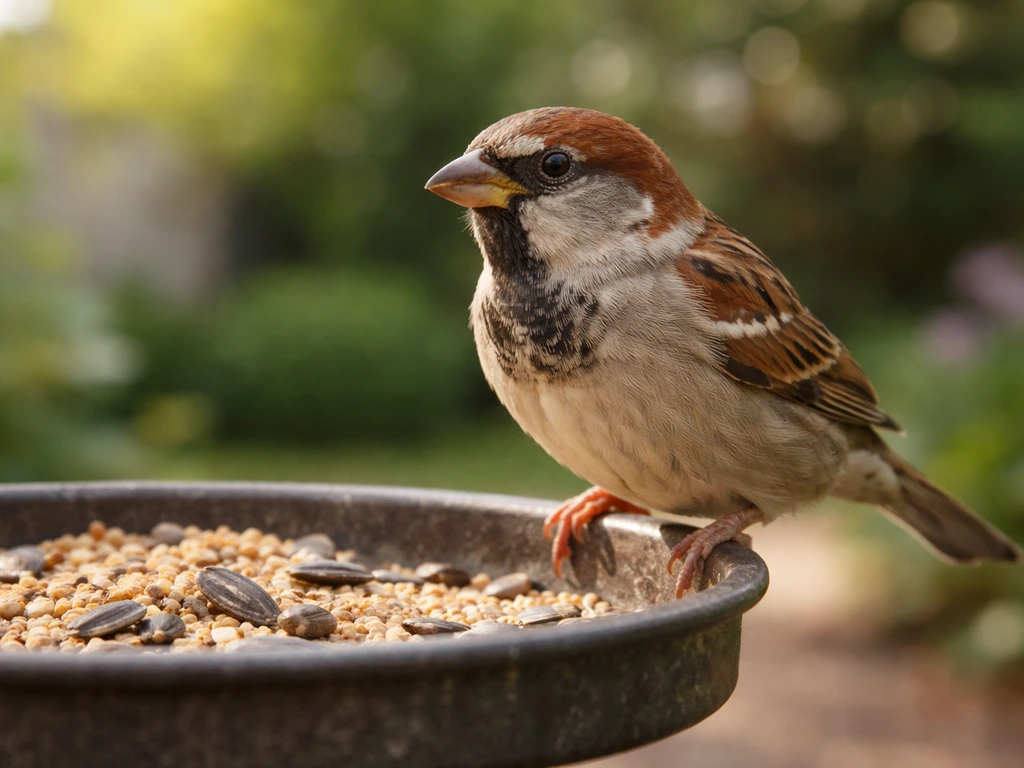
What "the dinky bird" usually refers to
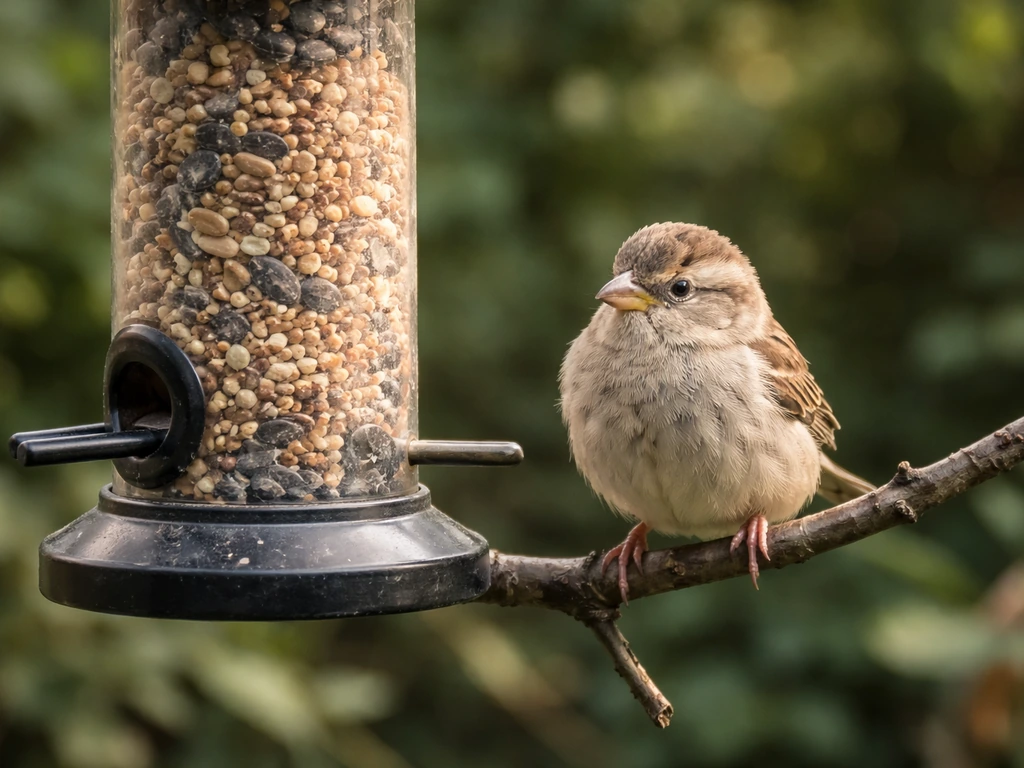
The phrase breaks down into two parts. "Dinky" is a well-documented informal adjective meaning very small, unimportant, or unimpressive, and sometimes shabby. Merriam-Webster, Cambridge, and Dictionary.com all agree on that core definition. "Bird" in English carries its own range of meanings, from a literal animal to British slang for a woman, to a general stand-in for a person. Put them together and the default interpretation most readers reach is simply a small, underwhelming bird, whether that's used literally ("it's just a dinky bird at the feeder, not a hawk") or figuratively to describe something or someone being dismissed as insignificant.
There is also a specific cultural use: "The Dinky Bird" is the title of one of eight color plates that artist Maxfield Parrish created for Eugene Field's 1904 poetry collection "Poems of Childhood." If you've seen this phrase in a literary or art history context, that's almost certainly what it refers to. The title there is meant to evoke a charming, fantastical little bird, which aligns with the affectionate, whimsical end of what "dinky" can mean.
Slang origins and how to figure out which meaning you've hit
"Dinky" has been in use as an informal adjective since at least the 19th century. Its baseline meaning leans negative (small and unimportant, often used to complain, as in "this dinky slice of cake"), but Cambridge points out it can tip affectionate when paired with words that signal charm, like "dinky little feet." The phrase "dinky bird" as a slang compound for a penis appears on crowdsourced slang sites, and while it's a real recorded usage, it's a subculture term rather than mainstream idiom. It's not something you'd find in a major dictionary.
To verify which meaning you're dealing with, run through these checks quickly:
- Check the platform or setting. A tweet with a laughing emoji points toward joking or crude slang. A museum catalog or school worksheet points toward the Maxfield Parrish meaning. A nature forum points toward a literal small bird.
- Look at what surrounds the phrase. Is there actual bird-watching talk, or is someone describing a person or body part?
- Notice the relationship between speaker and listener. A friend teasing another friend is doing something different from a stranger using the phrase about someone.
- Look for explicit or implicit sexual context. The crude slang meaning is usually pretty obvious from surrounding language and isn't subtle.
- If the phrase appears with "the" and a capital D, as in "The Dinky Bird," you're almost certainly looking at the literary/art title.
Where you're most likely to run into the phrase
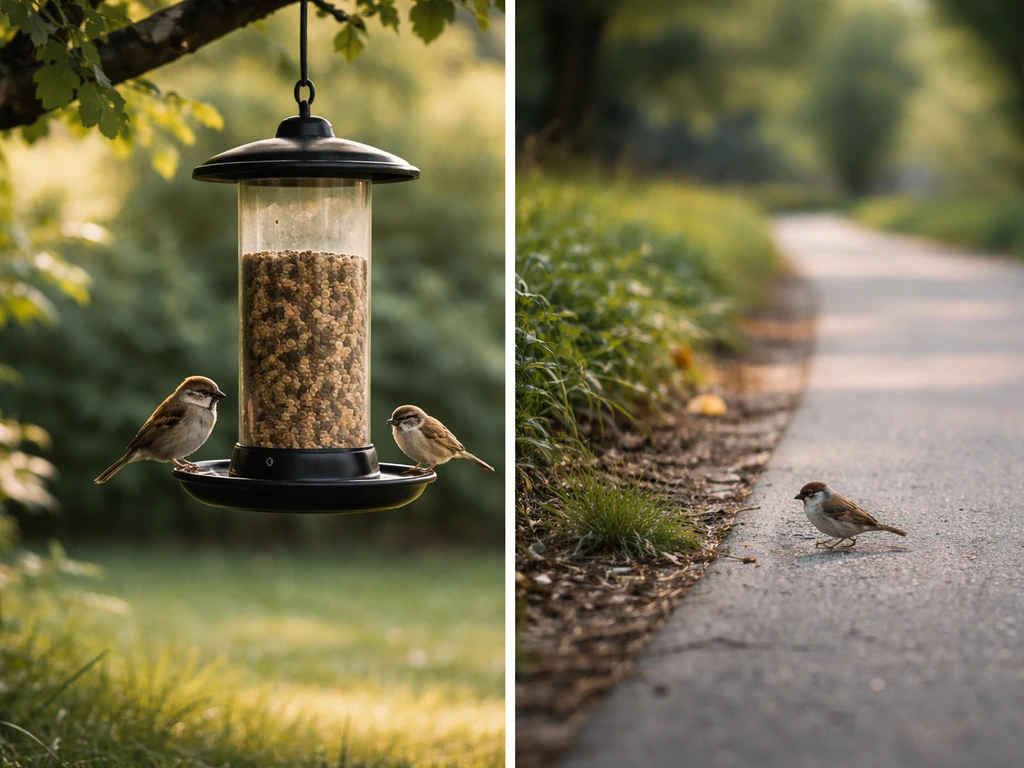
The contexts where "dinky bird" shows up fall into a few distinct buckets. In casual everyday speech, someone might call a sparrow or wren a "dinky bird" at a backyard feeder, meaning nothing more than "it's small." In online posts and memes, especially ones with a juvenile or irreverent tone, the crude slang meaning is more likely. In art history, poetry, and children's literature discussions, the 1904 Parrish illustration is the reference point. And occasionally you'll hear it used as a teasing nickname for a person, especially a child, where it functions like a soft diminutive term of endearment rather than a real insult.
How tone changes everything
The adjective "dinky" is genuinely flexible, and the same phrase can land very differently depending on delivery. Here's how each tone reads in practice:
| Tone | What it signals | Example context |
|---|---|---|
| Affectionate / cute | Smallness framed as charming, like a pet name | A parent calling their child's toy bird a "dinky bird" |
| Teasing / playful | Mild mockery between people with an easy relationship | Friends joking that someone's pet budgie is "the world's most dinky bird" |
| Dismissive / mocking | Genuine belittlement, using smallness to devalue | Someone scoffing that a rival's mascot is "just a dinky bird" |
| Crude / sexual slang | Direct reference to genitalia, usually explicit in context | Online posts with obvious sexual framing |
| Neutral / literal | Purely descriptive, no emotional charge | A birdwatcher noting a small species in passing |
Linguistics research on diminutives supports this range: small-sounding words and pet-name constructions can express tenderness, relatedness, or mockery, and the same form does different work depending on the social dynamic. The word "dinky" is doing the same job that diminutive suffixes do in other languages, which is why it can sound either sweet or cutting.
Related bird slang phrases worth comparing
If you're trying to untangle "dinky bird" from similar-sounding phrases, a few comparisons help. "Dicky bird" (sometimes written "dicky-bird") is a separate expression with roots in Cockney rhyming slang, where it means "word. If you mean the slang comparison “dicky bird,” see the dicky bird define section for the specific meaning and origin. If you meant the similar phrase “dicky bird,” it is a separate Cockney rhyming slang expression with a different meaning.
" The well-known construction "not a dicky bird" means not a single word, complete silence. A closely related variant is the saying "not a dicky bird," which means not a single word, complete silence. That's a very different meaning from anything "dinky bird" conveys, and mixing them up is easy if you're reading quickly. "Dolly bird" is British slang for a pretty young woman, again unrelated. Dolly bird meaning is British slang for a pretty young woman.
The prefix word does all the work in each of these phrases, so swapping "dinky" for "dicky" or "dolly" gives you a completely different meaning.
The reason these get confused is that English has a cluster of " bird" phrases that feel similar in rhythm. A Reddit thread focused on Newfoundland explicitly asks whether blank" rel="noopener noreferrer">“Dicky Bird” is a Newfoundland thing, showing the term can be discussed as a regional “ bird” expression. When someone says "not a dicky bird," they're invoking a rhyming-slang tradition. When someone says "dinky bird," they're invoking the adjective "dinky. If you hear the phrase "maids a milking bird," it is likely a mishearing or variant that people ask about when they wonder what the expression means maids a milking bird meaning. " Same pattern, totally different mechanism.
How to respond to it and when to use it yourself
If someone calls something a "dinky bird" in a clearly affectionate or literal context, you can respond in kind without any concern. The “Stop Sexual Harassment” guidance lists demeaning nickname-style terms like “cutie,” “sweetie,” “honey,” and “darling” as examples of behavior that can be inappropriate depending on intent and power dynamics deeming nickname-style terms. A quick "yeah, it's a tiny thing" works fine. If the tone is mocking and the "dinky bird" comment feels like a dig at you or something you care about, it's worth deciding whether you want to engage or let it go. The phrase isn't a sharp insult in most registers, and rising to it often gives it more weight than it deserves.
If you want to use the phrase yourself, the safe zones are literal description (a small bird in a real conversation), affectionate nickname contexts (talking to or about a child or pet), or literary reference (the 1904 Parrish illustration). Avoid the phrase in professional or formal settings because the crude slang meaning exists and someone in the room might know it. In writing, especially creative writing, the phrase works well when you want to convey something small and either charming or underwhelming. Just be deliberate about the tone surrounding it so your reader doesn't guess the wrong meaning.
The biggest practical rule: if you're unsure whether using it could be taken as crude, skip it. There are plenty of ways to say something is small. The phrase earns its place when you actually want the slight whimsy that "dinky" carries, and it needs enough context around it to land where you intend.
FAQ
Is “the dinky bird meaning” the same as “dicky bird” or “dicky bird slang” meaning?
No. “Dinky bird” starts from “dinky” meaning small and, depending on tone, sometimes cute or dismissive. “Dicky bird” is tied to a different Cockney rhyming slang tradition, and it can also appear in the fixed expression “not a dicky bird,” which has nothing to do with “dinky.”
How can I tell which meaning applies if I only saw the phrase once?
Look for tone cues and nearby words. If it is paired with descriptions like tiny, little, or at a feeder, it is usually literal. If it appears in a juvenile, meme-like, or sexual context, the crude slang reading becomes more likely. If you saw it in an art or childhood-literature discussion, the 1904 Parrish plate title is the best fit.
Is “dinky bird” ever considered offensive in everyday conversation?
In most mainstream settings, it is not typically a direct, harsh insult because the literal and nickname uses dominate. The risk comes from the slang reading, which is crude, so if you are talking in an environment where slang may be recognized, the safer choice is to avoid it.
Can “dinky bird” be used affectionately, and how does that sound?
Yes, especially when directed at a child, pet, or something endearing. The affection usually comes from the delivery and surrounding diminutives, for example, pairing it with other “cute” wording. Without that warm context, the same phrase can read as mocking or dismissive.
What should I do if someone says “dinky bird” in a way that feels like a dig?
Decide whether you need to correct them or redirect the conversation. If the speaker is clearly teasing, you can respond neutrally (for example, “It’s a small bird, that’s all”) or simply ignore it. Asking for clarification can work, but it can also prolong the awkwardness, so neutral redirection is often quicker.
Is it okay to use “dinky bird” in a formal email or work setting?
Generally no. Even if you mean the literal or harmless diminutive sense, the presence of a crude slang meaning means a coworker or reader could interpret it differently. For professional writing, stick to “small bird,” “tiny,” or “insignificant,” depending on what you mean.
If I’m writing dialogue, what context should I include so readers don’t pick the wrong meaning?
Add immediate grounding details. For literal use, mention the setting (feeder, yard, sparrow or wren). For affectionate nickname use, include relationship cues (talking to a child or pet). For literary reference, anchor it with an explicit nod to Parrish or the 1904 collection so readers know you are not using it as slang.
What are common mistakes when people search this phrase online?
Two big ones: mixing up spelling with “dicky bird” and confusing “dinky bird” with the unrelated “not a dicky bird” silence expression. Another common issue is assuming all “___ bird” phrases share the same origin, but they usually come from different mechanisms.
Is “dinky” always negative, or can it be positive?
It depends on what it modifies and the overall tone. The default leans toward “small and unimpressive,” sometimes with complaint. But in affectionate patterns, like when multiple diminutives surround it, it can tip positive or playful rather than critical.
Can “dinky bird” appear as a mishearing of a different expression?
Yes. The article discusses similar-sounding “___ bird” phrases people wonder about, like “maids a milking bird,” which is driven by mishearing or variant perception. If your context includes farm imagery or a quoted rhyme, treat “dinky bird” as a possible transcription error rather than the intended phrase.
Is “the Dinky Bird” always the same thing in literature or art history contexts?
In those contexts, it is almost certainly referring to the Maxfield Parrish plate titled “The Dinky Bird” associated with Eugene Field’s 1904 “Poems of Childhood.” If you see it with discussion of illustrations, plates, or childhood poetry scholarship, that is the most reliable interpretation.
Next Article
Maids a Milking Bird Meaning: What It Really Is
Maids a milking bird meaning explained: misheard nursery rhyme clues, likely intended phrase, and bird symbolism in cont