
When someone searches 'dead bird song meaning,' they're almost always trying to do one of three things: figure out what a specific song called 'Dead Bird' is actually about, decode a lyric that uses dead bird imagery, or understand what 'dead bird' means as a symbol or phrase they keep encountering in writing and culture. The answer depends entirely on context, but here's the short version: in songs and literature, 'dead bird' almost always signals endings, loss, grief, or silence. In everyday English, it can also work as an idiom for something that's already failed or a certainty. Getting to the exact meaning takes about 60 seconds once you know what to look for.
Dead Bird Song Meaning: Symbolism, Idioms, and How to Tell the Song

Marcus Reeves
22 May 2026
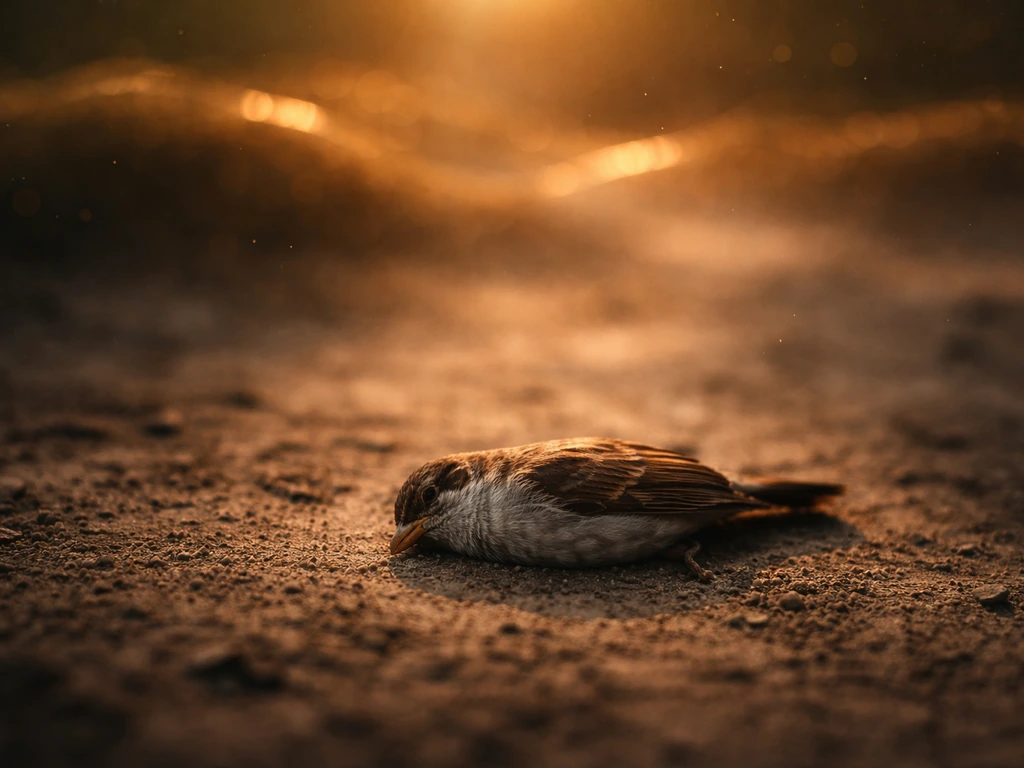
What 'dead bird' actually means as a phrase

Merriam-Webster actually has an entry for 'dead bird,' and it's not just about literal animals. The dictionary gives three distinct meanings: a bird that has been killed (literal), a target regarded as already hit or a 'sure thing,' and a person or thing whose failure or death seems inescapable. That middle meaning, the 'sure thing' sense, comes from shooting or target contexts and is older than most people realize. So when you see 'dead bird' in a lyric or a piece of writing, you're potentially looking at any one of those three readings depending on the surrounding words.
In music specifically, the phrase tends to lean heavily toward the third meaning: something broken beyond saving, a relationship or era that's already over, a self that feels hollowed out. The literal image of a dead bird (cold, still, silent) is doing the symbolic heavy lifting. The reason birds work so well for this is that their defining characteristic is song and movement. A dead bird is the absolute negation of that: no song, no flight, no life. That contrast is exactly what makes the image hit so hard in lyrics and poetry.
What folklore and symbolism say about dead birds
Bird omens have been a serious cultural practice for thousands of years. The formal term is ornithomancy, and ancient cultures used bird behavior, including death, as a way to read the future. That long tradition is a big part of why 'dead bird' still carries such a charged feeling today even for people who don't believe in omens at all. The association is baked deep into the collective imagination.
The specific omen reading varies by culture and by bird species. It also depends on belief and cultural interpretation, so the same sight can be read differently across communities varies by culture and by bird species. In many Western traditions, a dead bird is read as a warning of bad luck or an impending loss.
The nursery rhyme 'One for Sorrow,' built around magpie sightings, is a good example of how culturally specific these associations get. One magpie alone is bad luck; a pair is good. The logic extends naturally to dead birds as inherently inauspicious. But it's worth noting this isn't universal: the same bird that signals death in one cultural framework might mean something entirely different in another.
These symbolic associations vary by culture and are not universal, so the meaning of a dead bird depends on local symbolic frameworks isn't universal. If you're writing for an audience from a specific region or background, that regional framing matters.
In folklore narrative terms, finding a dead bird is often a turning point. It moves a story from ordinary life into mourning, ritual, or reckoning. There's a children's book by Margaret Wise Brown, simply called 'The Dead Bird,' that illustrates exactly this pattern: children find a dead bird, they bury it, they hold a small ritual, and life goes on. That arc of discovery, mourning, and continuation shows up in adult literature and songs too, just with more weight behind it.
Songs and literature where 'dead bird' actually appears
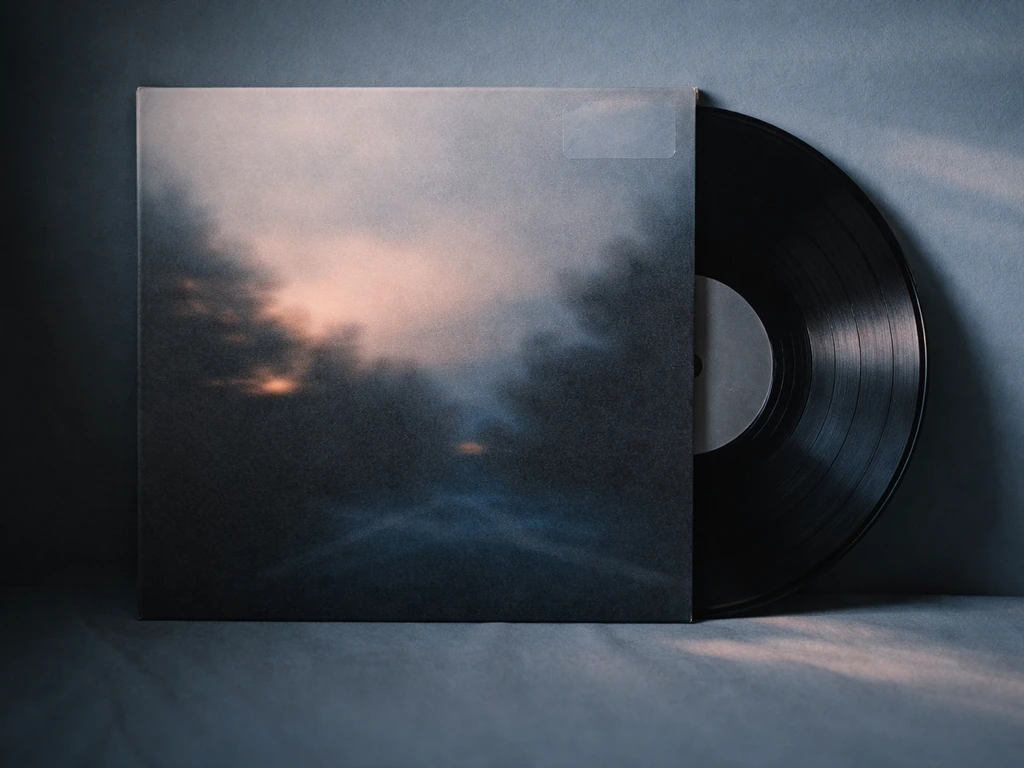
The most directly relevant musical example is Suede's 'Dead Bird,' a track from their 2018 album 'The Blue Hour. ' The album is built around themes of rural decay, mortality, and fractured family bonds. The 'Dead Bird' track specifically involves a father-son dialogue set to haunting music, centered on the act of burying a dead bird. It is not idiomatic or metaphorical in the 'sure thing' sense.
It is absolutely working in the grief and mortality register. If someone heard a fragment and searched 'dead bird song meaning,' this is one of the most likely tracks they're asking about. There's also a 'Dead Bird II' on the same album, which is a separate piece but part of the same thematic thread. In fan communities, distinguishing between the two matters.
In poetry, the imagery shows up in an Illinois State University literary journal piece with lines like 'But dead birds hear nothing' and 'But dead birds feel nothing.' The dead bird there is explicitly about silence and emotional numbness after loss. That's a very clean example of how the image functions in literary writing: the bird's capacity for song is gone, and that absence is the point.
Beyond those specific examples, 'dead bird' as a lyric motif appears across genres from folk to indie to metal, almost always in that same emotional neighborhood: loss, endings, numbness, grief. The specific shade depends on the surrounding lyrics and the artist's intent.
The symbolism that gets mapped onto dead birds
Birds carry a consistent symbolic load across a huge range of literary traditions. Freedom, the soul, voice, hope, and transcendence are the big ones. When a bird dies in a song or poem, all of those things die with it symbolically. That's the engine behind most 'dead bird' imagery in art. Here are the specific associations that come up most often:
- Silenced voice: the dead bird can no longer sing, so it stands for someone who has lost their ability to speak, create, or be heard
- Lost freedom: birds in flight represent freedom, so a dead bird signals confinement, defeat, or the end of a freer period
- Grief and mourning: the physical act of finding a dead bird is a confrontation with mortality, often used to represent a character processing loss
- Bad omen or warning: drawing from ornithomancy traditions, a dead bird in a narrative can signal that something terrible is coming or has already arrived
- Inevitable failure: the Merriam-Webster 'inescapable death or failure' sense appears in lyrics that use dead bird imagery to describe a doomed relationship, project, or self
- Transition or turning point: in folklore narrative structures, finding a dead bird shifts the story into a new phase, usually darker or more reflective
Different bird species layer additional meaning on top of this. A dead robin carries associations that differ from a dead crow or a dead dove. If you're analyzing a specific lyric and the species is named, that detail is worth looking into separately. The dead robin symbolism, for instance, connects to lost innocence and the end of spring, while a dead crow might flip the omen logic entirely since crows are already associated with death in many traditions. If you’re wondering about the crow bird meaning, that’s usually tied to darker themes like warning, death, or the end of something.
Idioms, internet slang, and when 'dead bird' is metaphor vs literal

Outside of songs and literature, 'dead bird' shows up in a few specific contexts that can trip people up. The 'sure thing' idiomatic sense, where a dead bird means something already guaranteed or already over, is genuinely in use but tends to appear in older texts or specific sporting/hunting contexts. If you see it in a contemporary lyric, it's probably not this sense unless the artist is deliberately playing with archaic phrasing.
Online, the closest relative is the 'dead dove' tag used in fanfiction communities, particularly on Archive of Our Own. That tag started as a reference to a literal dead bird in a bag (something disgusting that you were warned about but opened anyway) and became a content warning for dark, disturbing story content. It's idiomatic within that specific community and has nothing to do with song lyrics. If someone picked up 'dead bird' language from that corner of the internet, the meaning is entirely different from what you'd find in a Suede album or a folklore tradition.
Reddit spirituality and paranormal communities also generate a lot of 'dead bird meaning' searches, where people are asking whether seeing a dead bird in real life is a bad omen. On Reddit, this often comes up as a question about whether seeing a dead bird is a bad omen dead bird meaning.
If you mean the idiom and want the exact phrase meaning of “dead bird,” check the “sure thing” sense described earlier and compare it to the lyric context meat bird meaning. That's a separate question from lyric interpretation, but it explains why searches for 'dead bird meaning' can pull up very different kinds of results. If the word 'song' is in the query, it's almost always a lyric or music question, not a superstition one.
How to figure out exactly what 'dead bird' means in your situation
The fastest way to pin down the meaning is to work through a short set of context questions. Most of the time, one of the first two questions will get you there.
- Do you have a song title or artist name? If yes, search '[artist name] dead bird lyrics meaning' or go directly to Genius.com and look up the track. Genius has crowdsourced annotations that often explain whether the imagery is literal grief, metaphorical loss, or something more specific to the artist's context.
- Do you have a lyric fragment? Paste the exact line into a search engine in quotes. Most lyric databases (Genius, AZLyrics, Musixmatch) will surface the track. Once you have the song, read the full lyrics and check if the dead bird appears in a grief sequence, an omen sequence, or an idiomatic 'already over' context.
- What genre is the song? Folk, indie, and art rock tend to use dead bird imagery in the literal-grief or soul-symbolism register. Hip-hop might use it as a 'sure thing' or 'finished' metaphor. Metal and gothic rock lean into the omen/death symbolism. Genre is a fast shortcut when you don't have more specific context.
- Where did you encounter this? TikTok audio fragments, Reddit posts, and fanfic communities each have their own 'dead bird' dialects. A TikTok sound is likely a song clip; a Reddit spirituality post is likely an omen question; an AO3 tag is likely the 'dead dove' content-warning tradition.
- Is a specific bird species named? If the lyric specifies a robin, crow, dove, or other bird, the species is doing additional symbolic work. Look up that specific bird's symbolic associations alongside the 'dead' framing to get the full picture.
- Check the album or project context. If the song is part of an album with a clear thematic arc (like Suede's 'The Blue Hour' and its mortality themes), the dead bird reference is almost certainly tied to that larger frame rather than standing alone as a standalone idiom.
A quick comparison: the main ways 'dead bird' gets used in song contexts
| Usage type | What it signals | How to confirm it | Example context |
|---|---|---|---|
| Literal grief imagery | Death, mourning, confronting loss directly | Lyric describes finding/burying a bird; emotional/mournful tone | Suede 'Dead Bird' (The Blue Hour, 2018) |
| Soul/voice symbolism | Loss of expression, silenced self, creative death | Bird connected to singing or speaking in surrounding lines | Poetry using 'dead birds hear nothing' phrasing |
| Bad omen/warning | Something terrible is coming; dread atmosphere | Dark or foreboding narrative; other omen imagery nearby | Gothic, folk horror, or doom-adjacent lyrics |
| Idiomatic 'already over' | A relationship, project, or situation is finished/hopeless | Casual or cynical tone; not describing an actual bird | Older texts, some hip-hop, colloquial speech |
| 'Sure thing' (archaic idiom) | Certainty, guaranteed outcome | Hunting or target-sport context; predates modern music | Merriam-Webster entry; rare in contemporary lyrics |
| Community-specific slang | Content warning (dead dove tag) or niche fandom shorthand | Encountered on AO3, Tumblr, or fanfic-adjacent platforms | Archive of Our Own 'dead dove' content tag |
What to do next
If you're trying to interpret a specific lyric or song: start with Genius. Search the artist and track name, then look for the highlighted annotation on the 'dead bird' line. If there's no annotation, read the full song and look at what happens immediately before and after the phrase. That surrounding context is almost always enough to determine whether you're in grief territory, omen territory, or idiomatic 'it's over' territory.
If you're a writer trying to use 'dead bird' imagery deliberately: be aware that your reader is going to default to the grief and loss reading unless you signal otherwise. If you want the archaic 'sure thing' meaning, you'll need to set that up clearly in the surrounding text. If you want the omen reading, lean into atmosphere and foreboding. If you want pure emotional absence, the 'dead birds feel nothing' model from literary poetry is a reliable template.
If you landed here from a more specific search, like the meaning of a dead robin in a song, the symbolism of crows or ravens in music, or what 'dead bird' means on a particular platform or community, those are each their own rabbit holes worth exploring. Bird symbolism is highly species-specific, and the dead robin carries different weight than the dead crow in both folk tradition and contemporary songwriting.
The bottom line: 'dead bird' in a song almost always means something has ended, been silenced, or is beyond saving. For scarecrow bird meaning, focus on how the image is used, since meanings can vary by story, region, and symbolism dead bird. The specific flavor of that ending depends on the artist, the genre, the surrounding lyrics, and sometimes the species of bird. Use Genius for lyric confirmation, check the album context for thematic framing, and pay attention to the bird species if one is named. That combination will get you to the right interpretation every time.
FAQ
Does “dead bird” in a song mean it’s a real-life omen or bad luck?
No. “Dead bird” in music is usually an image for endings, grief, or emotional numbness, not a literal prediction. If your search was triggered by a real-life sighting, the superstition angle is a separate question from lyric meaning, and it can produce very different results.
How can I tell whether the “dead bird” line is grief symbolism or the “sure thing” idiom?
Start by checking whether the lyric is describing an actual animal, a burial or ritual, or a target/shooting scene. If it’s about silence, loss, emptiness, or a relationship being over, it’s in the grief or “beyond saving” lane. If it’s about certainty, already-hit outcomes, or archaic hunting phrasing, it’s more likely the “sure thing” sense.
Why does “dead bird” seem to mean different things in different songs?
A common mistake is treating “dead bird” as one fixed metaphor across all genres. Artists may use it for different emotional temperatures, for example, mourning with tenderness versus numbness versus anger. The deciding factor is what the song does immediately after the phrase (comfort, confrontation, silence, or escalation).
Should I assume the symbolism changes if the lyric names a specific bird species?
Species matters only when the lyric explicitly names the bird (robin, crow, dove, etc.). If no species is mentioned, don’t force a single folklore mapping, instead rely on the emotional context (what is ending, what is silenced, what feels unreachable).
How do I know if the “dead bird” imagery is central to the song or just a quick metaphor?
Look for structural cues like a shift in tense, a scene change, or a repeated motif. If the “dead bird” image returns alongside burial, confession, or aftermath, it often functions as the story’s emotional pivot. One-off mentions more often underline a theme than define the entire narrative.
Why do my search results for “dead bird song meaning” look confusing or contradictory?
Don’t rely only on search results snippets, because they can mix together lyric interpretation, fan tags, and real-life superstition threads. If the query includes “song” or an artist name, prioritize lyric context first, then use other meanings only if the lyric’s wording matches them.
Can “dead bird” imagery point to hope or recovery instead of only loss?
Yes, and it’s intentional in many places. Some writers and musicians use the image to signal “voice gone” or “hope extinguished,” but then steer the audience to a new emotional state, like resolve or acceptance. So you should interpret the image by tracking the emotional arc, not by stopping at the first meaning that fits.
What should I do if an album has multiple “Dead Bird” tracks, like “Dead Bird II”?
When the phrase appears as a series or variation (like “Dead Bird II” or repeated “dead bird” language), treat each version as part of a thematic system. The meaning may stay in the same emotional neighborhood, but the role can shift (setup versus payoff, grief versus aftermath).
I’m writing a lyric, how do I make “dead bird” read as “sure thing” instead of grief?
If you’re writing and want the “sure thing” sense, avoid generic grief framing. Use context that sounds like an outcome is already locked, for example, a wager, a shot, or a hit described as inevitable. Without that setup, readers will default to the loss and silence reading.
Could “dead bird” in online writing mean something totally different from song lyrics?
In fandom contexts, “dead bird” language can echo the “dead dove” content-warning tag, which is unrelated to lyric symbolism. If you see it alongside platform-specific tags, warnings, or content categories, treat it as community jargon, then go back to the lyric text if you want song meaning.
Next Article
Meat Bird Meaning: Broilers, Usage, and How to Verify
Learn meat bird meaning and how to spot broilers in listings, slang, and poultry talk without confusion or offense.
