A dead bird can mean a lot of things depending on where you're standing. If you literally found one on your porch, in your yard, or on a windowsill, the practical meaning is straightforward: a bird died, and you need to handle it safely. If you're here because you read a line in a poem, heard a phrase in a song, or stumbled across a superstition, the figurative meaning is a whole other conversation. Most people searching 'dead bird meaning' are actually asking both questions at once, even if they don't realize it. This guide covers both.
Dead Bird Meaning: Symbolism, Omens, and What to Do

Marcus Reeves
23 Mar 2026
Literal vs. Figurative: Two Very Different Questions
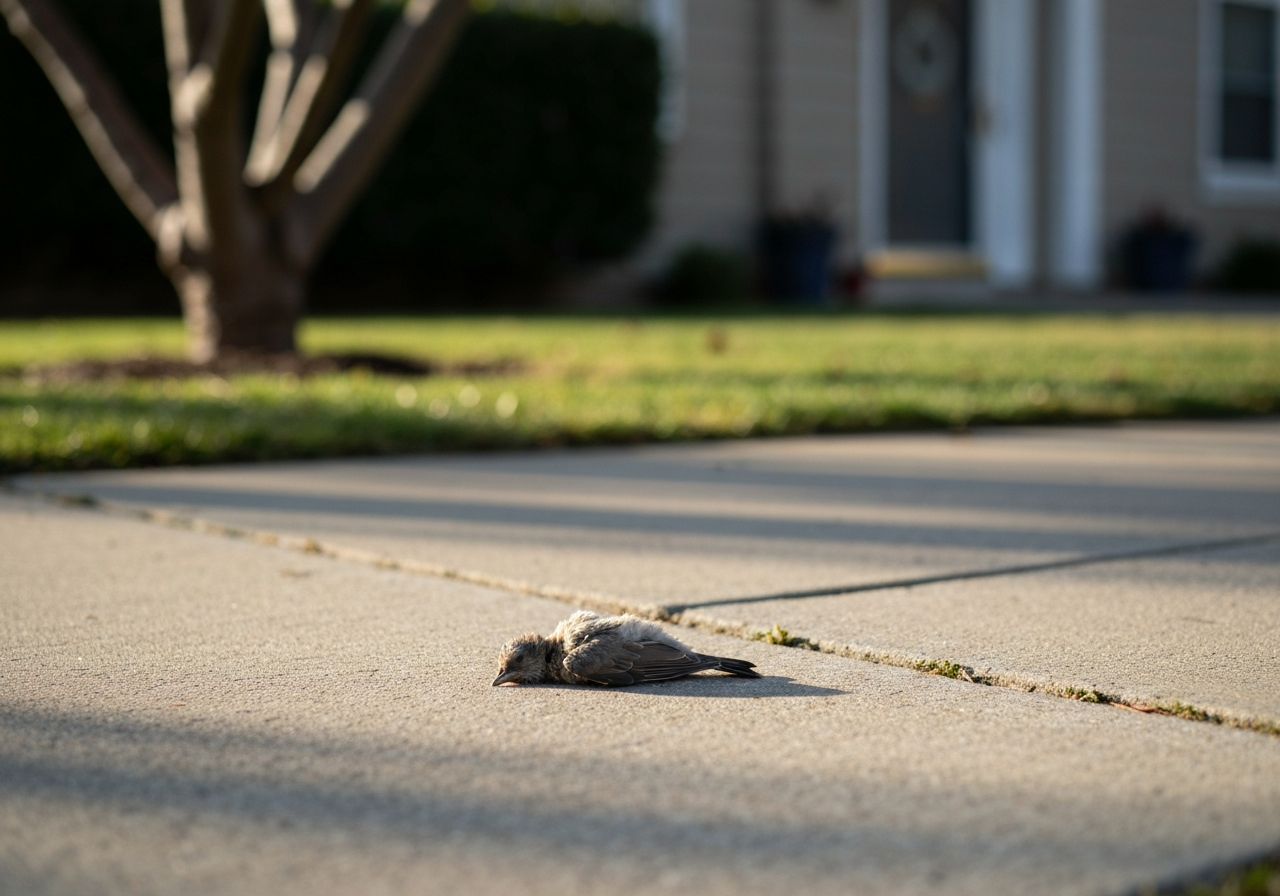
When someone says 'what does a dead bird mean,' they could be asking about an actual physical bird they found, or they could be asking about symbolism, omens, or how the image shows up in language and literature. The literal interpretation is the most grounded: birds die from window strikes, cat attacks, disease, cold, or just old age. Finding one doesn't require a spiritual explanation. The figurative interpretation is where things get more layered. Across cultures, literature, and everyday speech, a dead bird has been used to signal loss, the end of something, bad luck, transformation, or silence where there used to be life and sound.
The two interpretations are worth keeping separate, at least at first. If you're a writer looking for the right symbol, the literal backstory doesn't matter much. If you're standing in your backyard with a dead sparrow at your feet, the symbolism can wait, because there are practical steps you need to take first. We'll get to both.
What a Dead Bird Symbolizes Across Cultures and Common Contexts
The symbolism of a dead bird is remarkably consistent across very different cultures, even if the specific interpretation shifts. The through-line is almost always some form of ending, transition, or warning. Here's how it breaks down across common contexts.
Loss and the End of Something
Birds are almost universally associated with freedom, the soul, communication, and the living world. When one turns up dead, the symbolism naturally inverts all of that. It becomes a marker of something finished, a relationship ended, a chapter closed, a voice silenced. This is why dead birds appear in literature and art at moments of grief or irreversible change. The image does a lot of emotional work very efficiently.
Omens and Warnings
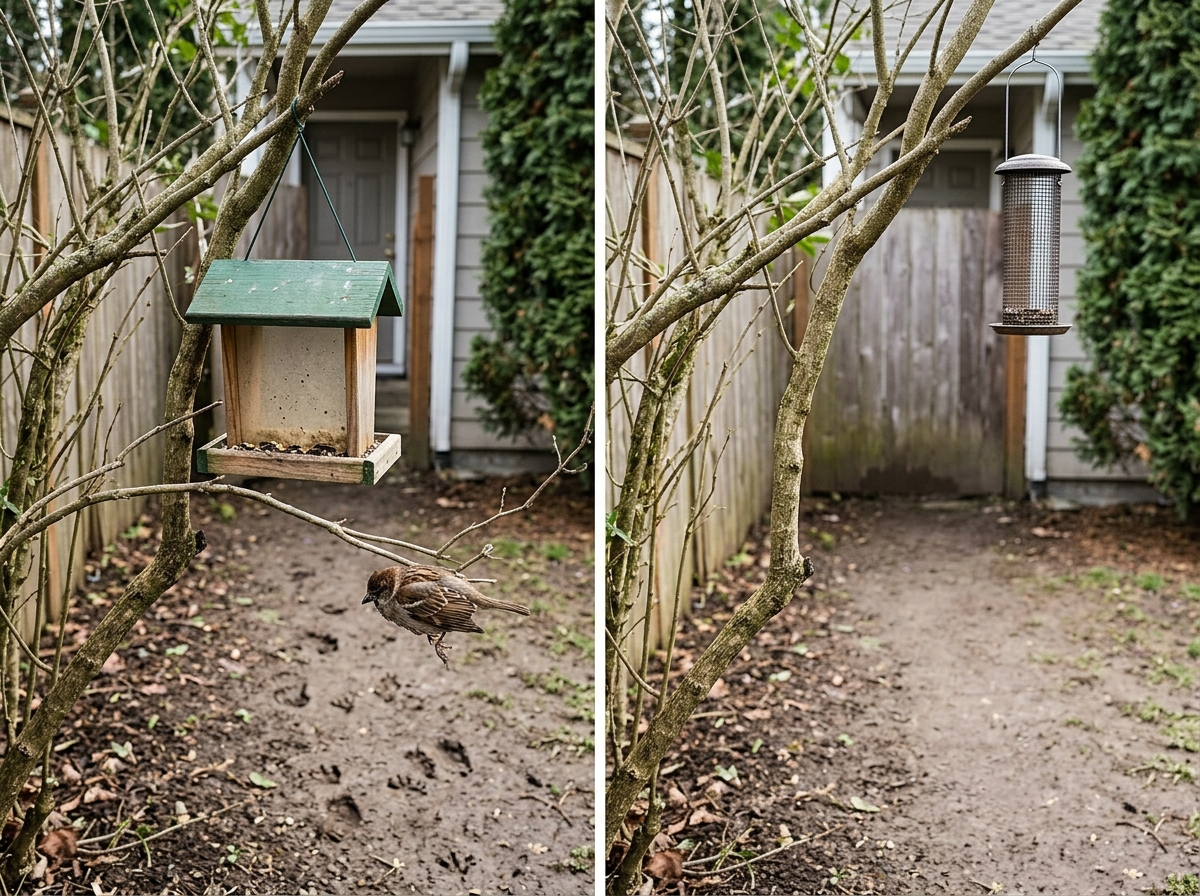
In folk traditions across Europe, parts of Africa, and many Indigenous American cultures, finding a dead bird near your home was taken as an omen, usually a warning that something difficult was coming. Not necessarily death in a literal sense, but disruption, hardship, or a need to pay attention to something you've been ignoring. The practical takeaway is that most omen-based interpretations function less as predictions and more as cultural nudges to slow down and be mindful.
Transformation and Transition
In many spiritual frameworks, including several Native American traditions and some branches of new-age spirituality, a dead bird isn't just an ending. It's also the start of something new. The logic mirrors the natural cycle: death feeds new life. Finding a dead bird in this context is read as a signal that you're in a period of personal transformation, letting go of something old to make room for something different.
A Literal Environmental Signal
Secular and scientific communities point out that dead birds can function as real-world indicators of environmental problems. Mass bird die-offs have historically been early signals of disease outbreaks, pesticide contamination, or habitat disruption. In that sense, a dead bird can 'mean' something very concrete about the health of a local ecosystem, even outside of any spiritual framework.
Dead Bird Idioms, Slang, and How 'Meaning' Shows Up in Language
The dead bird image shows up in everyday language more often than most people notice. Understanding these uses is especially useful for writers, students, and anyone trying to interpret a phrase they heard or read.
- "Dead as a dodo" is probably the most famous dead-bird idiom in English. The dodo, a real bird that went extinct in the 17th century, became a byword for total, irreversible obsolescence. Calling something 'dead as a dodo' means it's completely finished, with no chance of revival.
- "A dead duck" is a common idiom meaning a person, plan, or thing that is certain to fail or is already beyond saving. It's widely used in political commentary and business language: 'That bill is a dead duck in the Senate.'
- "Shooting a dead bird" is occasionally used in hunting contexts but has crossed into figurative language meaning to put effort into something that's already been defeated, essentially a waste of time.
- In some regional American slang, 'dead bird' has been used informally to refer to something that's clearly over, a finished relationship, a failed project, or a business idea that never got off the ground.
- In music, 'dead bird' imagery appears in blues and folk traditions as shorthand for grief, bad luck, or the narrator's declining fortune. Listening for the bird that's gone silent is a recurring lyrical device.
For readers who come across the phrase 'dead bird meaning' in a specific song or poem, the most useful approach is to look at the species of bird mentioned (more on that below), the emotional tone of the surrounding text, and whether the bird's death feels like a turning point or a background detail. That context usually tells you exactly what the writer intended.
Omens, Superstitions, and How to Think About Them Practically
The idea that a dead bird is a bad omen, specifically an omen of death or serious misfortune, is one of the oldest and most widespread bird-related superstitions in the world. It appears in ancient Roman augury (where the behavior and state of birds were used to predict the future), in medieval European folklore, in Caribbean and Latin American folk traditions, and in various Asian belief systems. 'A dead bird meaning death' is a phrase that shows up across almost every culture that has a strong tradition of bird symbolism.
Here's the practical reality: superstitions are cultural tools for managing anxiety about uncertainty. They give shape and narrative to events that feel random or unsettling. If you find a dead bird and feel uneasy, that's a completely natural emotional response, not a prophecy. The omen tradition isn't telling you something will definitely happen; it's inviting you to pay attention to your surroundings and your life.
If the superstition genuinely concerns you, the most grounding thing you can do is treat it the way many folk traditions actually intended: as a prompt to reflect, not a sentence. Ask yourself what in your life feels uncertain or in transition. That's a useful question regardless of the bird. If you're a writer or researcher, the omen tradition gives you rich material precisely because it sits at the intersection of fear, nature, and meaning-making.
Species Matters: The Bird's Identity Changes the Meaning
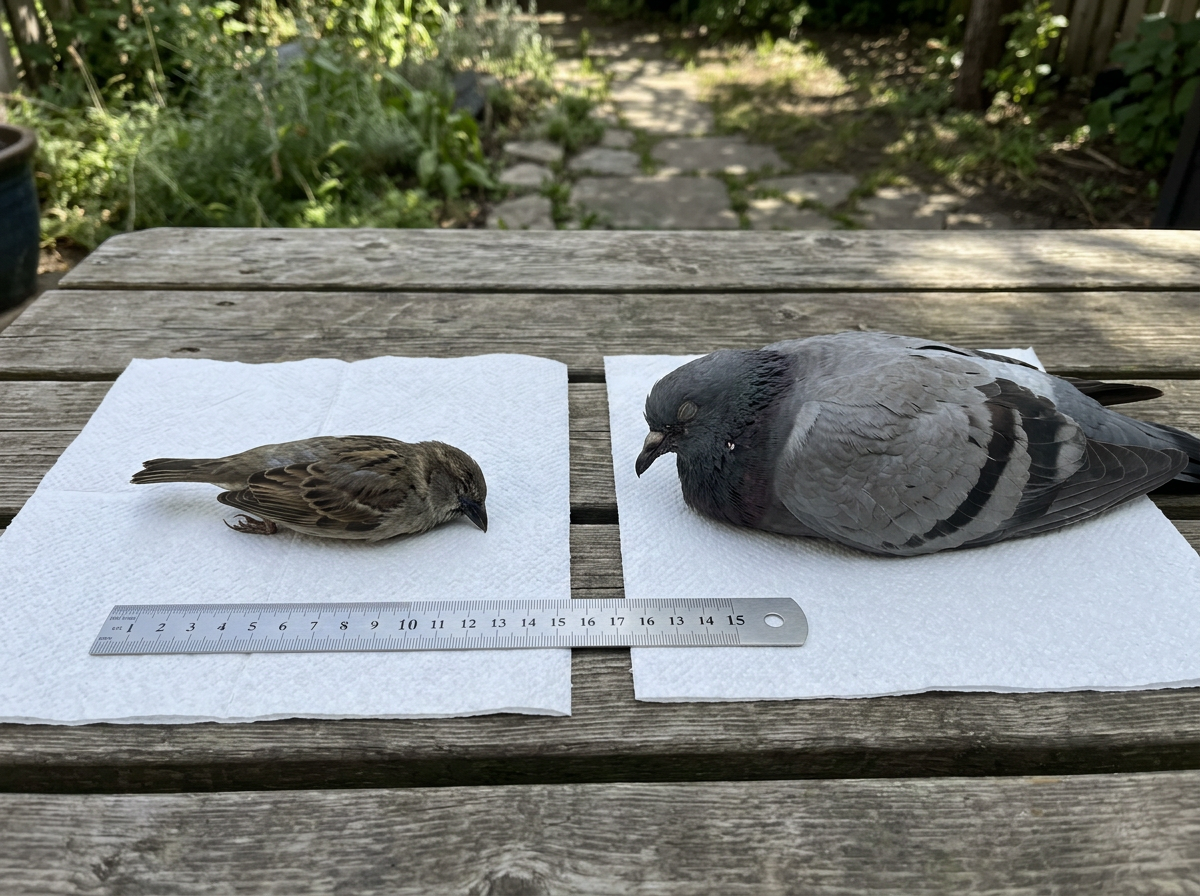
Not all dead birds carry the same symbolic weight. The species involved significantly shifts the interpretation, whether you're analyzing a piece of writing, interpreting a folk belief, or just curious about what you found.
| Bird Species | Living Symbolism | Dead Bird Meaning Shift |
|---|---|---|
| Raven | Wisdom, mystery, prophecy, intelligence (Norse, Celtic, and Indigenous traditions) | Death of wisdom, a dark omen, the end of a prophetic or transformative period; in Poe's tradition, the raven's death would signify the final departure of haunting grief |
| Dove | Peace, love, purity, the Holy Spirit (Christian and broader Western traditions) | The end of peace, a broken relationship, loss of innocence, or the failure of reconciliation |
| Owl | Death, wisdom, the underworld, night knowledge (Greek, Roman, many Indigenous traditions) | Doubled death symbolism; finding a dead owl is often read as especially significant in omen traditions, or as the death of hidden knowledge |
| Robin | Spring, renewal, new beginnings, good luck (British and American folk traditions) | The loss of hope or optimism, the end of a new chapter before it started; a particularly poignant image in children's literature |
| Sparrow | Community, humility, the common person (Biblical and literary traditions) | Loss of the everyday, the quiet death of something ordinary but meaningful; used in literature to signal that small lives matter |
| Crow | Intelligence, adaptability, trickery, and transitions between life and death | Intensified transition symbolism; a dead crow can signal the end of a trickster phase or a warning that cleverness has run out |
| Cardinal | Visits from deceased loved ones, spiritual connection (American folk belief) | Complex interpretation: some traditions say a dead cardinal means the message has been delivered; others read it as a stronger call to remember someone lost |
If you're writing a scene and you want the dead bird to carry specific emotional weight, choosing the species deliberately is one of the most efficient tools you have. A dead dove in a wedding scene hits differently than a dead crow on a battlefield, even if the word count is the same. If you're interpreting something you found, the species is worth noting because it gives you a cultural starting point.
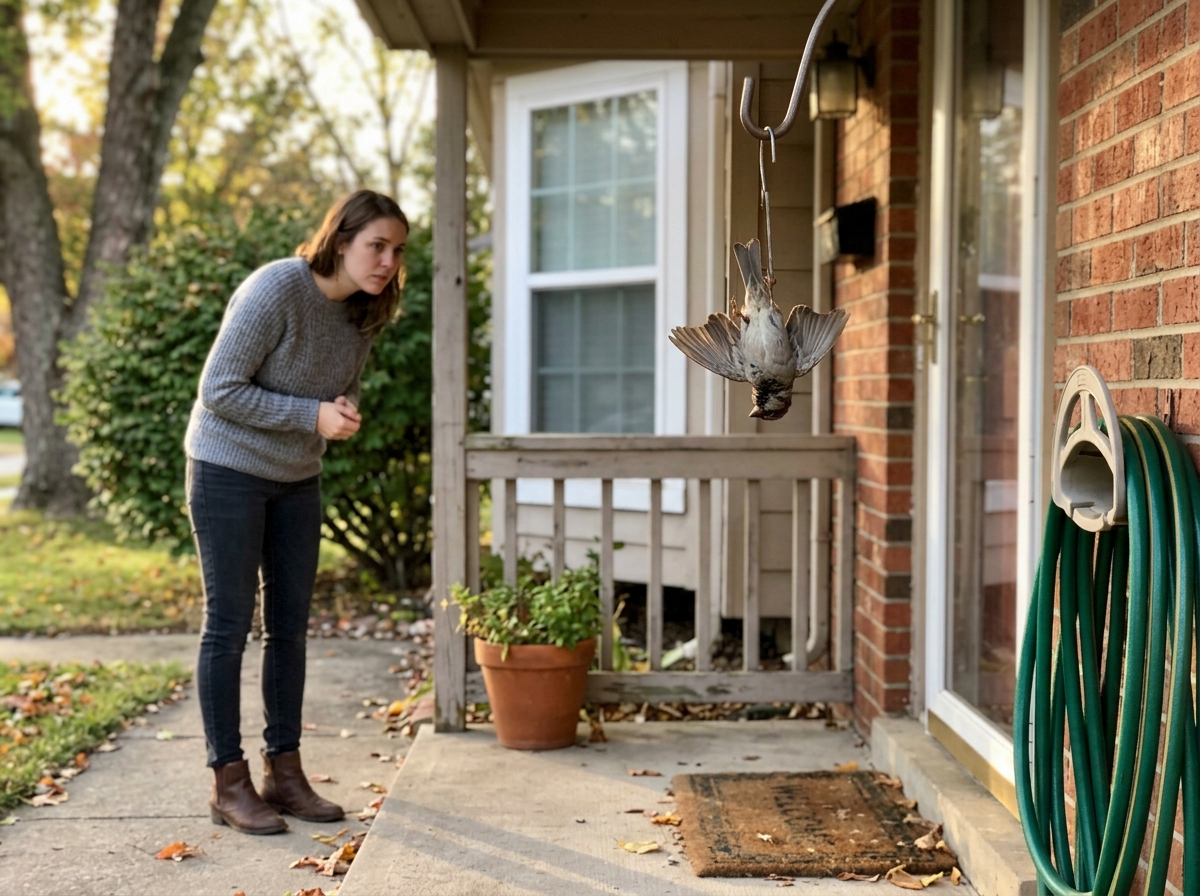
For deeper dives into specific species, the symbolism of carrion birds like vultures adds another dimension entirely, understanding carrion bird meaning can clarify why those birds are already associated with death in their living state. And niche symbolic readings, like what it means to find a dead bird hanging upside down or a [dead bird without its head](/dead-bird-symbolism/found-dead-bird-without-head-meaning), carry their own layered folklore that goes beyond general dead-bird symbolism.
Found a Dead Bird? Here's What to Do Right Now
If you're dealing with a real dead bird and not just a symbolic one, the first priority is safety. Birds can carry diseases including avian influenza (H5N1) and West Nile Virus, both of which have been active concerns in recent years. The CDC specifically advises avoiding direct contact with dead birds unless you're wearing appropriate personal protective equipment. Here's a practical step-by-step process.
- Don't touch it bare-handed. Before you do anything, put on disposable gloves. If you have eye protection available (unvented or indirectly vented safety goggles), wear it, especially if the bird is near a poultry area or looks diseased. The CDC's interim H5N1 recommendations also mention boot covers and an N95 respirator for higher-risk situations.
- Double-bag the bird. Place the dead bird into one plastic bag, seal it, then place that bag inside a second bag and seal it with a zip tie or knot. This is the approach recommended by public health agencies including New Jersey's Department of Health for safely containing the carcass.
- Secure the bag in a trash bin that wildlife and pets can't access. Don't leave it in an open recycling bin or compost. An outdoor trash bin with a lid is ideal.
- Disinfect your shoes. Illinois Department of Public Health guidance specifically recommends using a bleach solution (1 part bleach to 10 parts water) on the soles of your shoes and letting them soak for at least 10 minutes if you may have stepped near the bird or its surroundings.
- Wash your hands thoroughly. The CDC is explicit: after handling any dead bird, wash your hands with soap and water. If soap and water aren't available, use an alcohol-based hand sanitizer as a temporary measure, but follow up with soap and water as soon as possible. Avoid touching your face, even with gloved hands, during the process.
- Dispose of or disinfect all PPE. Single-use gloves go in the trash (double-bagged if possible). Reusable equipment should be disinfected according to manufacturer instructions.
- Report it if warranted. If you find multiple dead birds in one area, or if the bird appears to be a protected species (like a hawk or eagle), contact your local wildlife agency or animal control. Mass die-offs are tracked by public health and wildlife authorities as part of disease surveillance programs.
One important note: the EPA advises that decomposing bird carcasses can release bodily fluids and even gases like methane during breakdown, which is another reason to handle disposal promptly rather than leaving the bird where it fell, especially in warm weather.
Using Dead Bird Symbolism in Writing and Everyday Speech
If your reason for searching 'dead bird meaning' is that you want to use the image in something you're writing, or you want to understand why a writer used it, here are the practical rules that make the image land effectively.
In Fiction and Poetry
A dead bird works best as a symbol when it mirrors something else happening in the story or poem. The classic technique is to introduce the dead bird at a moment of emotional turning point: a character finds one right before they make an irreversible decision, or right after a relationship ends. The bird does the emotional heavy lifting without the writer having to state the theme outright. Choose the species deliberately (see the table above), and make sure the bird's appearance feels earned by the context rather than dropped in for shock.
In Everyday Conversation
If you want to use dead-bird idioms in casual speech, 'dead duck' is the most transferable to modern conversation. 'That deal is a dead duck' or 'he's a dead duck in this negotiation' will land clearly with most English speakers. 'Dead as a dodo' is slightly more old-fashioned but still widely understood and works well for describing anything obsolete. Avoid more obscure regional dead-bird phrases unless you're confident your audience will get the reference, because they can land as confusing rather than colorful.
When Interpreting Someone Else's Work
If you encountered a dead bird reference in a song, poem, or novel and you're trying to decode what the writer meant, start with three questions: What species is the bird? What happens immediately before and after the bird appears? And what is the emotional register of the piece overall? A dead bird in a grief narrative almost certainly signals loss. A dead bird in a horror or thriller context leans into omen territory. A dead bird in a nature essay might be purely ecological. Context is doing most of the work, and the bird is the vehicle.
Some specific uses are quite niche. For example, the phrase 'dead bird' in certain song titles, including tracks by artists where the name itself is part of the symbolism, carries additional layers that only make sense when you understand the artist's broader catalogue and themes. If you're researching a specific song or poem by name, it's worth looking at that piece in isolation rather than assuming the general symbolism applies directly.
The short version of all of this: a dead bird is one of the oldest and most efficient symbols in human storytelling because it converts a single concrete image into something that feels simultaneously personal, universal, and emotionally undeniable. Used well, it doesn't need explanation. That's exactly what makes it worth understanding.
FAQ
What should I do if I find a dead bird but I cannot tell what species it is?
Treat it as a real carcass first, then note any visible clues you can safely observe from a distance (size, color, beak shape, location). You can also take a quick photo for ID, but avoid getting closer or touching it. Species-based symbolism is useful later, but safety and clean disposal come first.
Does finding a dead bird inside my home change the meaning compared with finding one outside?
The practical meaning usually shifts toward a recent window strike, a pet interaction, or a nesting/indoor health issue. Symbolically, many people read “inside” as more personal because it breaks your normal boundaries, but it is still not a guaranteed omen. The physical cause is often the most likely explanation.
How do I interpret a dead bird if I see it as part of a group, not just one?
Multiple dead birds raise the likelihood of environmental factors (disease, pesticide exposure, habitat disruption). In that case, it is more productive to report the pattern or contact local wildlife authorities than to focus on personal omens. Symbolic readings are usually less reliable than ecological explanations when there are several.
Is it safe to bury or move a dead bird myself?
Generally, avoid direct handling. If you must deal with it, use barrier protection and follow local disposal guidance, because carcasses can release fluids and attract scavengers. If you have no proper protective equipment, the safer choice is to contact a local animal control, wildlife service, or sanitation option.
What if I already touched the bird or the area it was on?
Assume contamination risk and wash your hands thoroughly, then clean any contact surfaces with appropriate household disinfectant. Avoid touching your face while cleaning, and change clothes if you think they came into contact with bodily fluids. If you have immunocompromised household members, be extra cautious and consider professional cleanup.
How soon should I dispose of a dead bird, especially in warm weather?
Earlier is better. Decomposition progresses faster in heat, increasing odor, fluid spread, and the chance of gases produced during breakdown. Leaving it in place also increases scavenging and the number of people or pets that might come into contact with it.
If a song or poem says “dead bird” figuratively, how can I tell it is not about a real death?
Look at what the surrounding lines are doing. If the “dead bird” functions like a metaphor for silence, endings, grief, or transition, it is likely symbolic. If the text focuses on physical details like location, timing, and immediate actions by characters, it may be using a real-event image that still carries symbolism.
Does the emotional tone of the piece determine the “meaning” more than the species?
Often yes. Species can color the reference, but tone (grief, dread, romantic loss, reflective calm) usually signals which cultural layer is being used. A dead crow can be used for menace in one context and for commentary in another, so context matters at least as much as the species.
What are common mistakes people make when interpreting “dead bird meaning” as an omen?
One common mistake is treating a superstition as a literal prediction when it is more like a social or emotional nudge. Another is ignoring practical causes like window strikes or pets. A good decision aid is to ask, “What concrete change should I make right now?” rather than “Will something bad happen?”
If I feel anxious after finding a dead bird, what is a grounded way to respond?
Use it as a prompt for immediate, controllable steps: check your surroundings for hazards (loose screens, pet behavior, window safety), review any worries you have that feel “stuck,” and do a brief reality check about what is within your control. That approach respects the emotional impact without turning it into certainty about the future.
Next Article
Dead Bird Hanging Upside Down Meaning: Spiritual and Practical Causes
Understand the dead bird hanging upside down meaning: spiritual omens and practical causes plus safe cleanup steps.