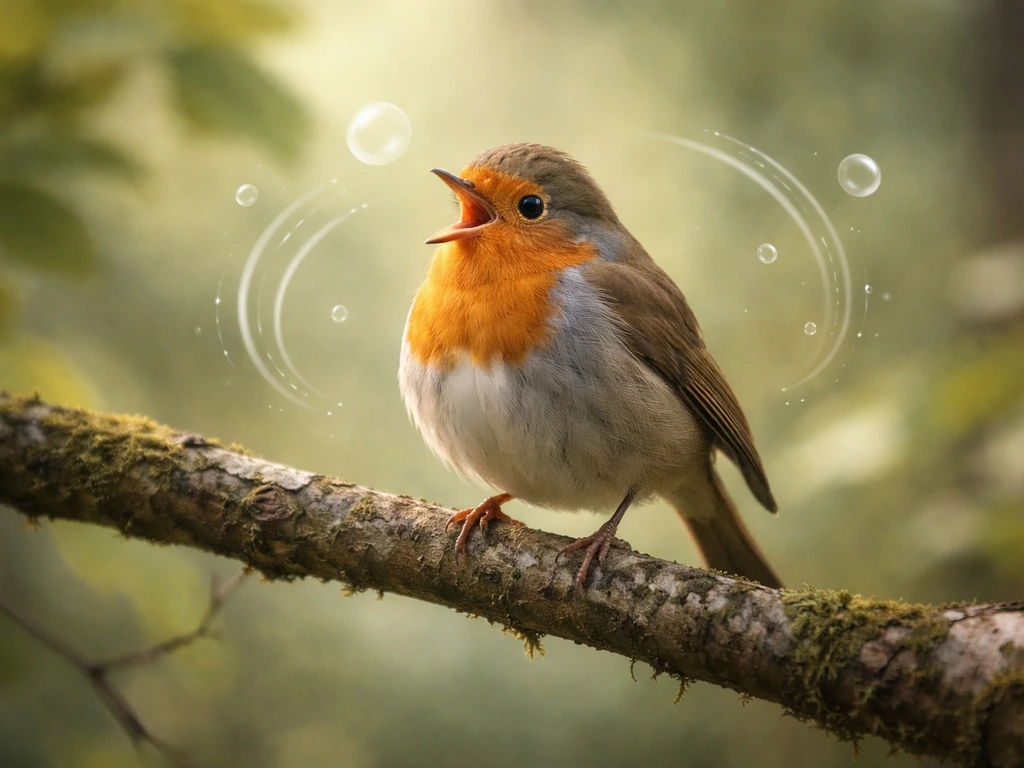
When someone calls you a "cheeky bird," they're almost certainly teasing you in a playful, affectionate way. It's the kind of thing someone says with a grin when you've said something a little bold, made a witty comeback, or pushed your luck just slightly. Think of it as the bird-flavored cousin of "you cheeky thing" or "you little rascal." In most everyday contexts, especially in British and Australian English, it lands as a lighthearted remark rather than a genuine put-down.
Cheeky Bird Meaning: How It’s Used in Real English

Marcus Reeves
3 May 2026
What "cheeky bird" actually means in everyday English
The phrase is a combination of two words that each carry their own informal weight. "Cheeky," according to Cambridge Dictionary, means "slightly rude or showing no respect, but often in a funny way." Oxford adds that it can lean toward annoying, especially when applied to children. Merriam-Webster goes with "boldly disrespectful," but their example sentences show it used for witty or irreverent remarks rather than genuine hostility. The key word across all of those definitions is "slightly" or "funny", cheeky isn't aggressive, it's impish.
"Bird" in this context is informal British and Commonwealth English for a person, often (though not always) a woman or girl. The Free Dictionary lists constructions like "odd bird" where bird just means a person in a casual, non-insulting way. So put them together and you get something like "a boldly playful person" or "someone with a bit of nerve," delivered with affection rather than contempt.
In practice, "cheeky bird" appears most often as a fond reaction. You make a sarcastic quip, you nick the last biscuit, you fire back a joke faster than expected, and someone says "oh, you cheeky bird! If you're also curious about the phrase as a whole, understanding the cunning bird meaning can help you tell whether it’s playful or meant as an insult cheeky bird. " It's a compliment wrapped in mild mock-scolding.
How tone flips the meaning from teasing to insulting
The exact same words can land completely differently depending on tone, relationship, and setting. Research on how "funny insults" work in real conversation is pretty clear on this: delivery is everything. A warm voice, a grin, and the right relationship between speaker and listener makes "cheeky bird" feel like banter. A sneer, a cold tone, or saying it in front of others to embarrass someone tilts it toward dismissal or belittlement.
There's also the question of what triggered it. If you made a quick joke and someone responds "cheeky bird," that's reactive playfulness. If someone says it after you've expressed a genuine opinion or asked a reasonable question, it can be a way of deflating you, treating your seriousness as "sassiness" to be smiled away. That's when it stops being fun.
Online guidance on telling playful teasing from passive-aggressive "joking" suggests checking whether the remark targets something sensitive or unchangeable about you, and whether the underlying tone feels mean or cutting. Friendly teasing builds connection. A put-down dressed as a joke isolates. If "cheeky bird" is used repeatedly to dismiss your opinions, that's worth noticing.
Where you'll actually hear it: texting, family, work, and online
Texting and casual chat
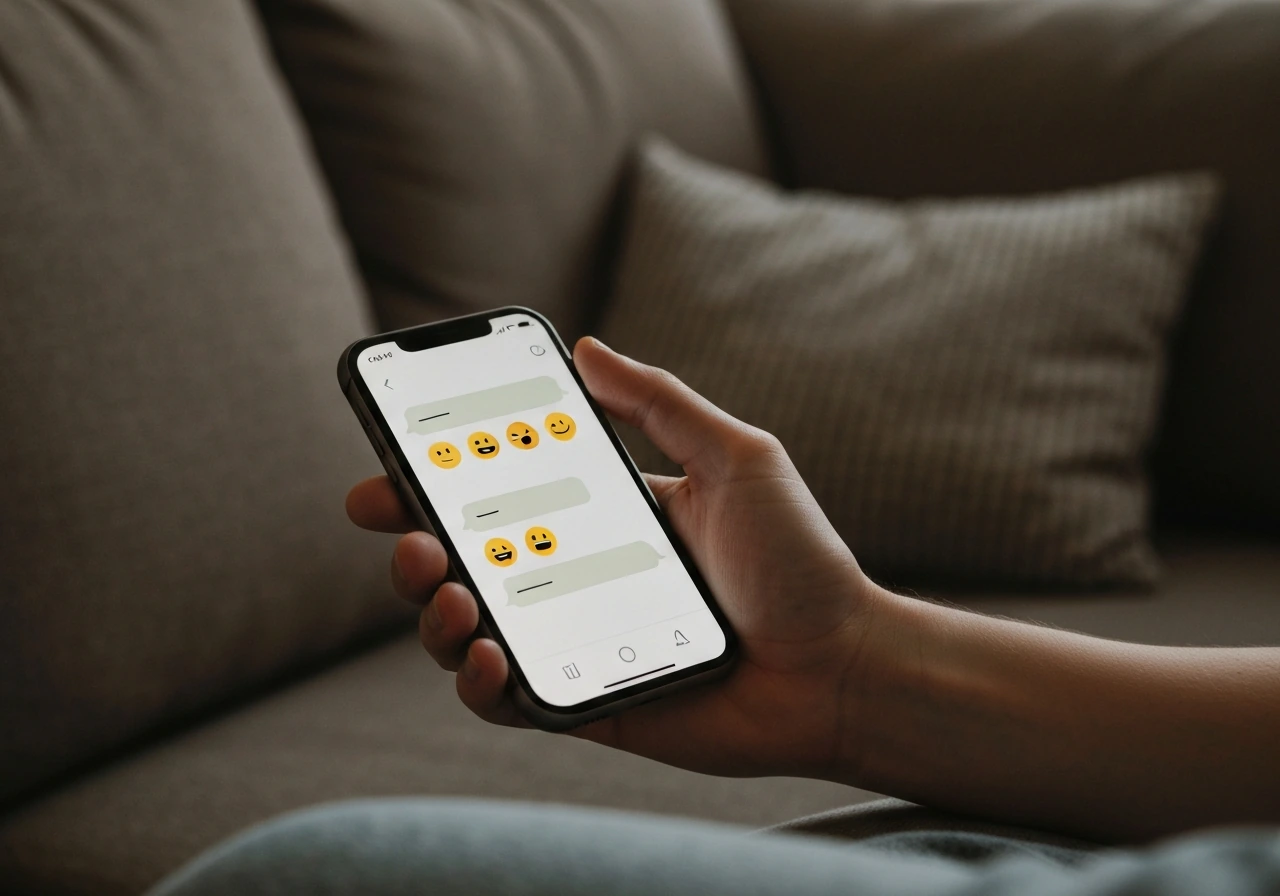
This is probably the most natural home for "cheeky bird." Someone sends a sarcastic meme, makes a self-deprecating joke, or gives a cheeky reply to a group chat, and someone else fires back "lol you cheeky bird." In text, the "lol" or an emoji usually seals it as affectionate. Without those softeners, tone is harder to read, so if you're genuinely unsure, the surrounding conversation usually gives it away.
Family settings
Grandparents, aunts, uncles, and parents use "cheeky bird" (or just "cheeky") constantly with kids who talk back cleverly or get away with something minor. In this context it's almost always warm, even proud. A kid who answers back wittily and earns a "cheeky bird!" from a relative is basically getting a compliment for being quick.
Workplace and social settings

This is where you need to be more careful. Between close colleagues with an established rapport, "cheeky bird" during casual banter is usually fine. But in formal settings, around people you don't know well, or aimed at someone in a more junior position, it can come across as condescending or patronizing. The word "bird" carries extra risk in professional environments given its history as a dated, sometimes objectifying slang term for women, more on that below. “Ghetto bird” has a completely different meaning, referring to a police helicopter, so it should not be confused with “cheeky bird.” ghetto bird meaning.
Online captions and comments
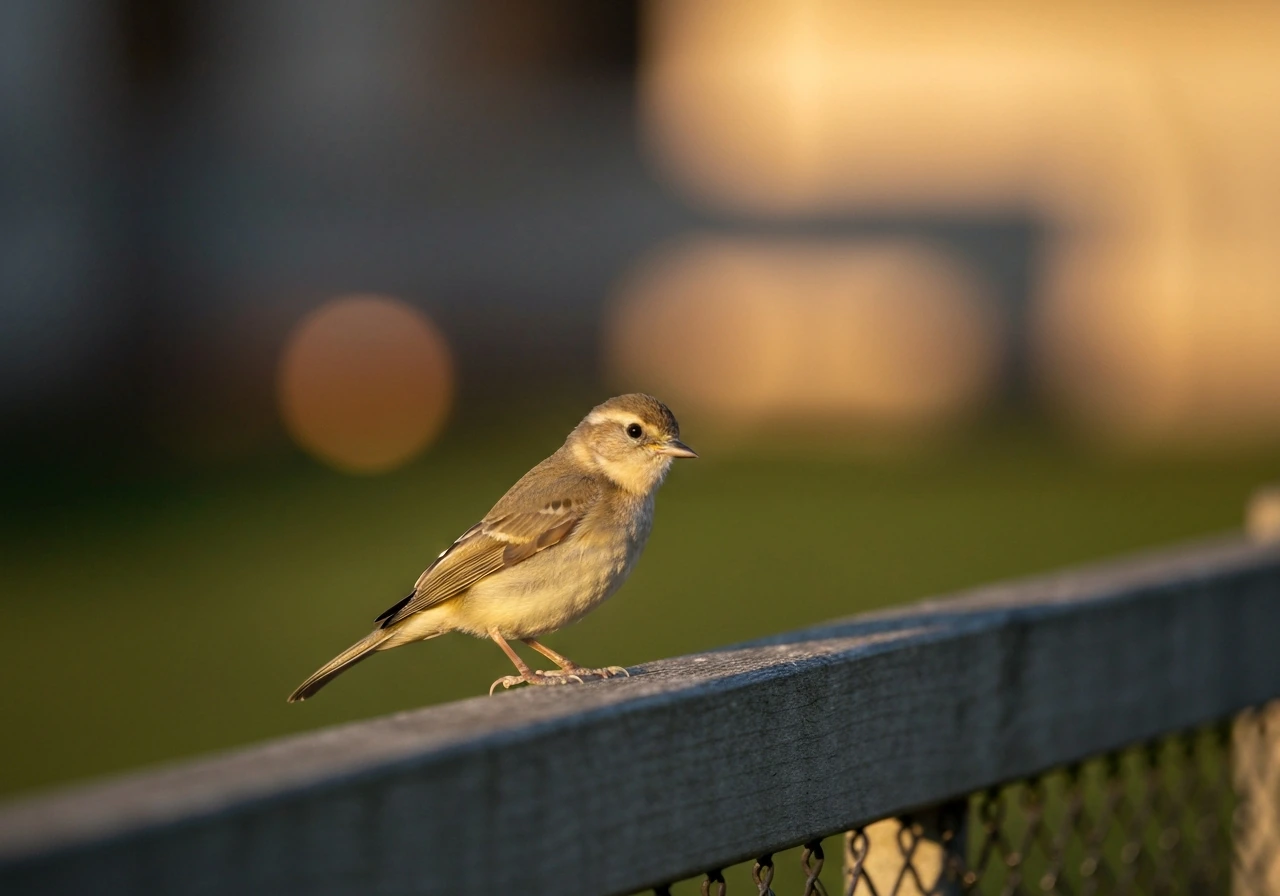
Interestingly, a lot of real-world uses of the exact phrase "cheeky bird" online are entirely literal, captions on videos of actual birds behaving boldly, like a robin stealing food or a parakeet knocking things off shelves. If you're also wondering about the phrase laughing bird meaning, it's a different idea from the slang use of “cheeky bird.”. Reddit threads about pet birds use it constantly this way. So if you see "cheeky bird" in a social media caption, there's a decent chance it's about an actual bird. Context (a photo, a video thumbnail, a pet community) makes this obvious fast.
Related expressions and how "bird" and "cheeky" work as standalone slang
Understanding the parts separately helps you read the whole phrase better. "Cheeky" on its own is extremely common in British, Australian, Irish, and New Zealand English and carries an almost affectionate quality by default. You'll hear "cheeky smile," "cheeky pint," "cheeky nap", in those cases it just means sneaky-but-fun, something slightly indulgent or bold. Americans use it less naturally, and Merriam-Webster's examples lean toward it meaning witty-but-borderline rather than warm.
"Bird" as slang for a person is primarily British and Commonwealth English, and it's old enough to feel slightly dated to younger speakers today. Historically it was applied to women and could carry objectifying overtones if used dismissively, which is why resources like Reddit's r/EnglishLearning advise against using it unless you know your audience well. As a neutral nickname ("she's an odd bird," "funny old bird") it's fairly harmless. As a descriptor aimed at a woman in a workplace, it can read as sexist depending on who's listening.
Close equivalents in feel include "silly goose" (playful, affectionate, very low stakes), "smart aleck" (cheeky but edging toward annoying), and "little rascal" or "scamp." These all share that quality of mock-scolding someone for being cleverly naughty. If you're on a site that explores these kinds of expressions, you might also encounter related phrases like "silly bird" or even "poor bird," which carry their own distinct shades, "silly bird" leans more purely affectionate and goofy, while "poor bird" tends toward sympathy rather than teasing. If you meant the broader phrase "silly bird meaning," it generally points to a playful, goofy teasing tone similar to "cheeky bird.". If you come across “poor bird,” the meaning is usually more sympathetic than playful.
The cultural and literary life of "cheeky" and "bird"
"Cheeky" as a concept has a long tradition in British children's literature and humor. Characters who are cheeky are almost always lovable, quick-witted underdogs, think of the clever child who outsmarts an adult, or the impish sidekick who says what everyone else is thinking. This cultural framing means that calling someone "cheeky" comes pre-loaded with a kind of fondness. You're aligning them with a tradition of likable mischief rather than genuine bad behavior.
"Bird" as a metaphor for a person also shows up in narrative and poetic writing, often in ways that emphasize freedom, lightness, or unpredictability. In children's poetry and animal-character storytelling, a "cheeky bird" is almost a stock character: bold, quick, a little too clever for its own good. You might also come across another phrase with a funny reputation, like the “silly sounding laugh” bird meaning people describe bird with a silly sounding laugh meaning. The Lion King fandom wiki even has a character reference called "The Cheeky Bird," and poetry platforms use the phrase as a title for playful verse. This cultural weight makes the phrase feel inherently soft and comic rather than cutting.
It's worth noting that "bird" slang doesn't translate cleanly across English dialects. Dictionary.com specifically flags that the degree of offense taken from cheeky-style words can vary between British and American English. In American English, "bird" as a slang term for a person is largely unfamiliar, so an American hearing "cheeky bird" might not register the slang layer at all and just picture an actual bird.
How to respond if someone says it to you
If it felt friendly, the easiest and most natural response is to play along. A grin, a shrug, or a self-satisfied "guilty as charged" keeps the banter going. You can also fire something back, "you love it" or a knowing smile both work. The phrase is basically an invitation to keep the playful energy going, and accepting it usually lands well.
If it felt patronizing or dismissive, you have options. You don't have to call it out dramatically, but you can redirect calmly: "I was being serious, actually" or "fair point though, right?" pulls the conversation back to substance without escalating. If someone repeatedly uses "cheeky bird" (or similar) to wave off things you say seriously, naming it clearly and directly is reasonable: "I'd rather you engage with what I said than brush it off." Advice on responding to belittling behavior consistently recommends naming the pattern rather than letting it accumulate.
If you're not sure which it was, you can use the response itself as a test. Play it lightly and see how they respond. Someone teasing you in good faith will enjoy the banter. Someone who was genuinely dismissive will usually become uncomfortable when you stay confident rather than apologizing.
How to use "cheeky bird" without it going wrong
If you want to use it yourself, stick to contexts where the relationship is warm and established, the tone is clearly light, and the other person is comfortable with British-style banter. It works well as a reactive comment, someone says something bold, you respond with "oh you cheeky bird!" paired with a laugh or emoji. It does not work well as an opener, in a formal setting, directed at someone you don't know, or used repeatedly toward the same person.
Be especially careful with "bird" as the noun if you're in a professional setting or speaking to someone who might not be familiar with its British slang roots. In American contexts, the phrase can confuse rather than charm. And in any context, if the person on the receiving end seems genuinely uncomfortable, drop it, the whole point of cheeky banter is that it's mutual and fun, not one-sided.
How to figure out what someone meant from context
Here's a quick checklist you can run through if you're genuinely unsure whether "cheeky bird" was affectionate or a put-down:
- What came just before it? If you made a joke or a bold comment, it's almost certainly reactive teasing. If you said something serious and they responded with "cheeky bird," that's more suspicious.
- What's your relationship with this person? Close friends or family = almost always playful. Near-strangers or formal acquaintances = higher risk of it being condescending.
- What was the tone? Text with "lol" or an emoji attached leans friendly. Flat delivery with no warmth leans dismissive.
- Did they use "bird" as a nickname generally, or only in this moment? Regular use suggests it's their affectionate shorthand. Sudden use can feel more pointed.
- How did you feel? Your gut reaction to tone is usually accurate. If it stung, it probably wasn't delivered well — even if it wasn't meant badly.
- Is this a British/Commonwealth speaker? If not, they may be borrowing the phrase without fully knowing its nuances, which can make it land oddly.
For dictionary checks, Cambridge and Oxford are your best starting points for the word "cheeky" specifically. For the slang layer of "bird," general dictionaries won't help much, slang-focused resources like The Free Dictionary's idioms section, Urban Dictionary, or community discussions (like r/EnglishLearning) will give you a better read on regional and generational variation. And if you're trying to decode a specific phrase from a conversation, looking at the full exchange, not just the phrase in isolation, is always the most reliable method. If you meant the “bloodcheep bird” variant, it can refer to a different name or phrase with its own meaning, so the context you saw it in matters bloodcheep bird meaning.
FAQ
Is “cheeky bird” ever meant sincerely, or is it always teasing?
It is usually teasing, but it can be sincere in a loving “you’re a little troublemaker” way, especially from close family. If the speaker never softens it with a grin, laugh, or playful follow-up, assume it is not affectionate and treat it as dismissive until proven otherwise.
What should I do if someone says “cheeky bird” to me at work?
Use the safest option: respond professionally and steer back to the topic. A neutral line like “Let’s stick to the point” or “Can you clarify what you mean?” avoids escalating the tone and makes it clear you are not inviting banter at the expense of respect.
How can I tell whether “cheeky bird” is joking or borderline insulting?
Watch for patterns, not one-offs. If it follows your serious opinions repeatedly, targets sensitive or unchangeable traits, or shows up publicly to embarrass you, it is more likely a put-down than playful teasing.
Does “cheeky bird” mean something different in the US or other countries?
Yes. “Bird” as a person-term is mostly British and Commonwealth, so American listeners may hear it as either a literal insult or just picture an actual bird. If you are outside those regions, clarify your intent or avoid the phrase.
Is there a difference between “cheeky” and “cheeky bird” on its own?
“Cheeky” usually means playful boldness, it often sounds warm by default. “Bird” adds extra slang and can feel more dated or patronizing depending on who says it and the listener’s comfort with British banter.
Can replying “you love it” or laughing back make things worse if they meant it badly?
It can, if the other person is using sarcasm to dismiss you. If you feel uneasy, switch to a calm, content-focused reply rather than mirroring the mock-scolding, for example “I hear you, but I’m still asking about the decision.”
When someone says “cheeky bird” in a text message, what should I look for?
Check whether there are tone markers that reduce ambiguity, like “lol,” “haha,” a smiling emoji, or a second friendly sentence. Without those, tone is harder to read, so rely more on the wider conversation and the speaker’s history with you.
Is “cheeky bird” ever literal in posts about animals?
Often, yes. In captions, especially around pet birds or video clips, it may just be a playful descriptor for an actual bird behaving boldly. If the surrounding text mentions a bird species, a cage, a perch, or stealing food, it is almost certainly literal.
What’s a safe alternative if I want playful teasing without the “bird” slang?
Try equivalents that stay clearly light, like “you little rascal,” “silly goose,” or “you cheeky thing.” These keep the playful mock-scolding feel while avoiding the extra risk tied to “bird” as older person-slugging slang.
Is it okay for me to call someone “cheeky bird,” or should I avoid it?
Avoid using it as an opener. If you use it at all, reserve it for people you know well and where British-style banter is clearly normal. If the person seems uncomfortable or you are unsure of their background and workplace culture, don’t risk it.
Next Article
Bird with a Silly Sounding Laugh Meaning: What It Is
Find what “bird with a silly sounding laugh” refers to, how to identify the species by call, and its common symbolic mea