In drug slang, 'bird' most commonly means a kilogram of cocaine. That's the core answer. If you saw the word in a rap lyric, a social media post, or overheard it in conversation alongside words like 'slanging,' 'flipping,' or numbers, there's a strong chance it's referring to a kilo. But 'bird' and bird species also carry a whole second layer of symbolic meaning in music, memes, and literary contexts that touches on themes like addiction, escape, and transformation without being literal drug slang at all. This is where the addiction bird meaning comes in, as a shorthand for that mix of craving and change without necessarily pointing to drug slang addiction, escape, and transformation. Knowing which one you're dealing with comes down to context, and this guide walks you through exactly how to read it.
Full Bird Meaning for Drugs: Decode Bird Slang and Symbols

What 'bird' actually means in drug slang
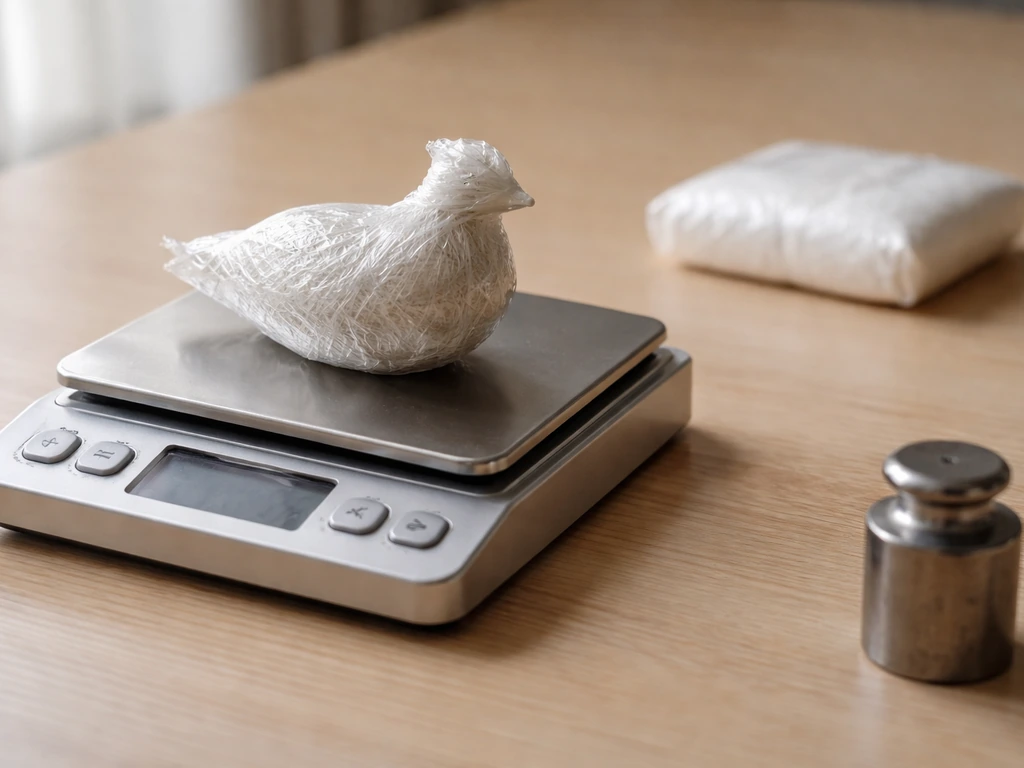
The slang use of 'bird' (or 'birds' plural) as a drug term is well-documented and pretty specific. It refers to a kilogram of cocaine, roughly 2.2 pounds. Green's Dictionary of Slang treats this as a distinct, standalone drugs meaning with no metaphorical connection to actual birds. Wiktionary and Urban Dictionary both confirm the US slang sense. The Rap Dictionary notes it in rap lyrics like references to '11 birds,' meaning 11 kilograms. A Reddit comment discussing “A verse from me is like 11 birds” interprets “bird” as slang for cocaine and treats “11 birds” as a quantity term. It's a coded quantity term, used to keep conversation less obvious to outsiders.
The term is mostly tied to cocaine specifically, though it sometimes appears in contexts involving other powdered drugs sold by weight. The word works as code precisely because it sounds innocuous. Someone saying 'I got three birds lined up' isn't talking about pet parakeets. The surrounding words (prices, weights, references to moving or flipping product) are what confirm the drug context. On its own, 'bird' is genuinely ambiguous.
There's also a loose prison slang connection: some crews use 'the birds' as shorthand for a group identity (a notable example is the Baltimore slang linking 'the birds' to the Orioles, where a 'bird' means a kilo). This kind of regional layering is worth knowing because it means the same word can carry slightly different freight depending on where it's being used.
Bird idioms and how they map to drug-related themes
Beyond the literal kilo-of-cocaine meaning, bird imagery shows up constantly in drug-adjacent creative work because birds are natural metaphors for the exact emotional territory that addiction occupies. They represent freedom and captivity at the same time. They suggest escape, euphoria, and the crash back to earth. This is why you'll see bird symbolism woven into song lyrics, album art, and poetry about substance use without a single word being 'drug slang' in the coded sense.
Common bird idioms don't have drug-coded meanings on their own, but they land differently when placed in a drug-related context. 'A bird in the hand' typically means holding onto what you have, but in a lyric about addiction it can read as the grip of dependence. 'Early bird' is an innocent productivity phrase in most settings but can be reimagined to describe someone who's up at odd hours chasing a high. 'Flip the bird' is pure gesture slang with no drug meaning. The idioms themselves are neutral; context does all the work.
Species-by-species: what individual birds symbolize and where drugs enter
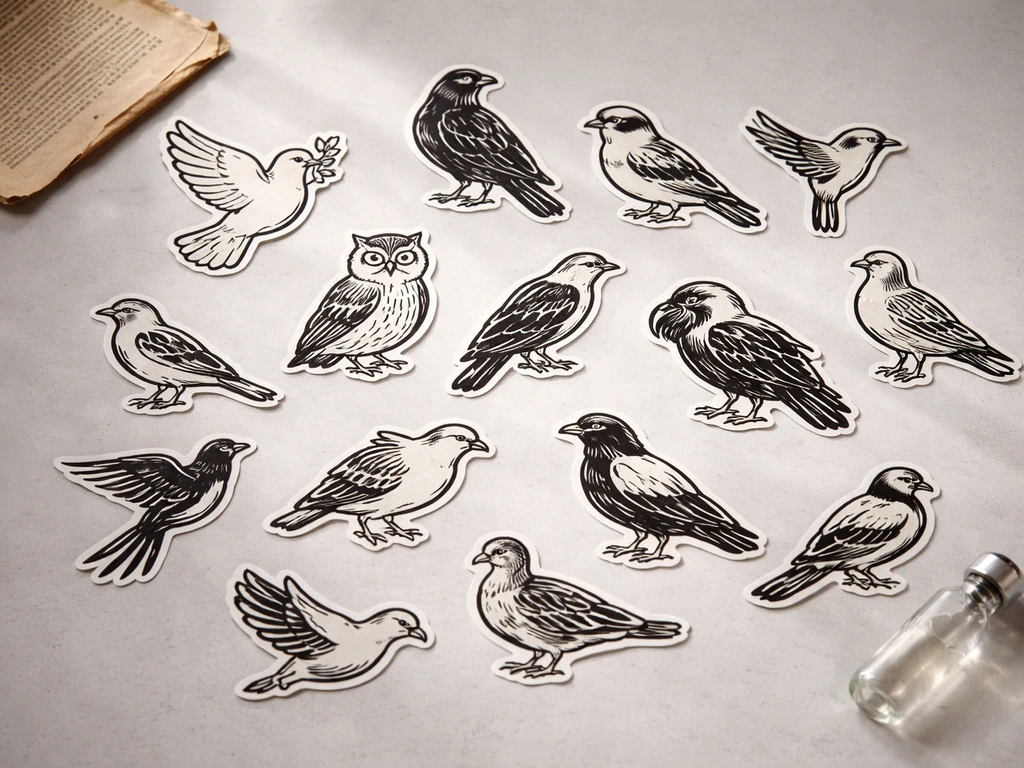
Individual bird species carry specific symbolic weight, and some of them have been co-opted into drug slang or used deliberately in drug-related imagery because of what they already represent culturally.
Dove
The dove is the most directly connected to documented drug slang. 'White Dove' and 'Red Dove' appear in official compiled drug slang guides as names for specific substances. A Nevada youth drug-trend report identified 'dove' as a named drug term in an enforcement context. Green's Dictionary also notes that a dove tattoo has historically been a characteristic prison tattoo dating to the 1960s. In non-drug contexts the dove is pure peace and innocence, which is exactly why it makes an effective cover word. If you see 'dove' in a conversation about substances, it's worth taking seriously as potential slang rather than assuming symbolic meaning.
Raven
The raven doesn't have a well-documented standalone drug slang meaning, but it's heavily used in literary and lyrical contexts to represent darkness, compulsion, and psychological deterioration, all themes that parallel addiction. In music and poetry, the raven showing up repeatedly can function as a metaphor for a craving that won't leave, or the mental weight of dependency. It's symbolic language rather than coded slang.
Owl
The owl, associated with nocturnal behavior, secrecy, and altered states of perception, gets used in drug-adjacent imagery to suggest late-night use, hidden knowledge, or dissociative experience. Again, this is metaphor rather than coded street slang. An owl appearing in the visual language of a song or meme about substances is usually doing symbolic work, not acting as a code word.
Eagle and hawk
Eagles and hawks represent sharp vision, predatory behavior, and power. In drug-culture contexts they sometimes symbolize the dealer or distributor role, the person watching and controlling from above. This is mostly lyrical and metaphorical usage rather than literal slang, though it's consistent enough to notice in certain genres of music.
Finch and smaller birds
Smaller birds like finches tend to appear in addiction-related symbolism representing fragility, vulnerability, and the feeling of being trapped in a small cage. They're less common in street slang and more common in the literary and artistic framing of addiction narratives.
How to decode whether 'bird' is drug slang or just symbolism
The fastest way to figure out what you're looking at is to read the surrounding words before and after 'bird.' Drug-coded uses almost always appear alongside quantity language (numbers, weights, prices), action verbs like 'move,' 'flip,' 'slang,' 'cop,' or 'push,' and references to money or transactions. Symbolic uses tend to sit inside emotional or abstract language, descriptions of feeling, freedom, captivity, or transformation, without any transactional framing.
For memes specifically, the 'opium bird' meme and related formats use bird imagery to represent addictive or irresistible content in a satirical way. That's neither literal drug slang nor sincere symbolism; it's internet humor using the cultural weight of addiction language as a joke frame. If you're trying to pin down the opium bird meaning, check the meme context and the addiction or irresistible-content frame it uses. Check the meme context and the addiction or irresistible-content frame it uses to pin down what it means opium bird meme meaning. If you're decoding a meme, the tone is almost always the clearest signal.
Lyrics are trickier because artists deliberately layer meanings. A song can use 'bird' as both the kilo slang and as a freedom metaphor simultaneously. When that happens, look at the genre, the artist's known themes, and the full verse. Rap and hip-hop have a long, well-documented history of using 'bird' and 'birds' as cocaine quantity slang. Singer-songwriter or folk contexts are much more likely to be straight symbolism.
| Context | Likely meaning of 'bird' | Key signals to look for |
|---|---|---|
| Rap/hip-hop lyric | Kilogram of cocaine (slang) | Numbers, 'slanging,' 'moving,' prices, quantity talk |
| Social media post (street tone) | Drug quantity slang | Transaction language, coded abbreviations, dollar amounts |
| Internet meme | Satirical addiction metaphor | Joke tone, 'opium bird' format, ironic framing |
| Poetry or literary fiction | Emotional/symbolic metaphor | Abstract language, themes of freedom, captivity, transformation |
| News or enforcement report | Documented slang term | Quotes around the word, context of drug seizure or youth trends |
| Everyday conversation about birds | Actual bird | No surrounding drug/transaction language at all |
Phrases worth double-checking (and what they don't mean)
Some phrases get misread as drug slang when they're not, and some get dismissed as innocent when they aren't. Here's a quick rundown of the common ones.
- 'Flip the bird': This means extending the middle finger as a rude gesture. It has no drug meaning whatsoever.
- 'Early bird': A productivity idiom about waking up early or arriving first. Not drug slang.
- 'Bird in the hand': A proverb about valuing what you already have. Used symbolically in addiction writing sometimes, but not coded slang.
- 'Singing like a bird': Means informing on someone, cooperating with authorities. Common in crime contexts but not a drug quantity term.
- 'White dove' or 'Red dove': These do appear in official drug slang guides as names for specific substances. Worth flagging if you see them.
- 'Bird' next to a number (e.g., 'five birds'): Almost certainly drug quantity slang. The number combined with 'bird' is the clearest possible signal.
- 'Dove' alone in an emotional or spiritual context: Most likely straight symbolism for peace, innocence, or the afterlife. Not slang.
A note on using this information responsibly
Understanding slang is informational, not instructional. Knowing that 'bird' means a kilo of cocaine in rap slang is the same kind of knowledge as knowing what any other coded language means. It helps you read a lyric, understand a news story, or figure out what someone is talking about. Organizations like NIDA and SAMHSA have both made the point that how we talk about drug use and addiction genuinely matters, and that clearer, less coded language helps people get accurate information and feel less stigmatized when seeking help.
If you're trying to decode slang because you're worried about someone you know, or because you're navigating your own relationship with substances, that's worth taking seriously beyond just the language. SAMHSA's National Helpline (1-800-662-4357) is free, confidential, and available 24/7. Decoding the words is a first step; knowing where to go next matters more.
Quick checklist for decoding 'bird' in any context
- Check the surrounding words first: are there numbers, prices, or transaction verbs? If yes, drug slang is likely.
- Identify the format: lyric, meme, news story, conversation, or literary text? Each carries different baseline assumptions.
- Look at the genre or platform: hip-hop lyrics and street-focused social posts are the most common homes for 'bird' as cocaine slang.
- Check for color modifiers: 'White Dove' and 'Red Dove' are documented drug terms. A plain 'dove' in emotional language is usually symbolic.
- Assess the tone: satirical meme formats (like opium bird) are usually playing with addiction themes humorously, not encoding real transactions.
- When in doubt, look at the full conversation or verse, not just the word in isolation. 'Bird' meaning a kilo almost never appears without additional quantity or transaction context nearby.
- If the context involves real concern about drug use (a person, not a lyric), shift focus from decoding slang to seeking reliable support resources.
Related territory worth exploring: the broader question of what 'bird' means in drug slang generally, the specific cultural life of the opium bird meme, and how terms like 'substance bird' or 'addiction bird' circulate in symbolic versus coded contexts all connect to this same question of how bird language gets borrowed to talk about drugs in ways that aren't always obvious on the surface. If you're wondering about the substance bird meaning, use the context clues to tell whether it refers to coded slang or a more general addiction symbol.
FAQ
If I see the word “bird” online, does it always mean cocaine by the kilo?
Usually not. “Bird” becomes drug slang only when it appears with quantity or transaction signals (numbers, weights like kilos, prices, selling or moving language). If you only see “bird” in an emotional line, it is more likely metaphor or internet symbolism than a coded weight.
How can I tell if “bird” is slang for a kilo versus symbolic language?
Check whether the phrasing is transactional. “Bird” is often used with verbs tied to dealing and logistics (move, flip, push, sell) or alongside amounts and money talk. If the sentence is about feelings, freedom, captivity, cravings, or a personal struggle, it leans toward symbolic “addiction bird meaning,” not street-coded quantity.
Does “bird” versus “birds” change the meaning?
Plurals and number phrases matter, but not in isolation. “Birds” plus a specific count (for example, 11 birds) strongly points to the kilo code, while “birds” used as general imagery in a verse (like “birds in the sky”) is almost always metaphorical.
Can “bird” mean something different depending on the region or the community using it?
Yes, location and community can shift meaning. Some regional slang ecosystems reuse “bird” or “the birds” for a kilo quantity tied to specific local references. If you know the post is coming from a particular city, crew, or regional music scene, that local framing can be a deciding context clue.
What should I do if a lyric seems to use “bird” as both code and metaphor?
Yes, and it’s a common mistake. Artists can deliberately stack meanings so the same “bird” can function as both the coded quantity and a metaphor for craving or escape. In that case, look for whether the line also includes numbers, weights, or deal-related actions, if not, treat it as symbolism even if the tone is dark or addiction-themed.
Why do some “bird meaning” pages online disagree with each other?
Avoid relying on dictionary-style definitions alone for safety and accuracy. Even when a word is documented as slang, its meaning in a given sentence can flip to metaphor. A more reliable approach is to read the full stanza or caption and identify whether the surrounding words are transactional (quantity, money, dealing) or emotional/abstract.
Are any specific bird phrases known to be drug slang rather than metaphor?
Sometimes. “White dove” and “red dove” are among the bird-related terms that show up as substance names in compiled drug-slang materials and enforcement contexts. If you see those exact dove color phrases in a substance-related setting, treat them as higher-risk slang, not just generic symbolism.
Does the “opium bird” meme mean the same thing as street slang?
Memes can be a separate category. If the “opium bird” style image is being used as a joke about something addictive or irresistible, it is usually internet humor rather than a literal-coded drug reference. Tone and format matter more than the word “bird” itself.
What are common idioms that can be misread as drug slang?
If “bird” appears without numbers, weights, prices, or dealing verbs, assume it is likely symbolic. For example, “early bird,” “bird in the hand,” or “flip the bird” are usually ordinary idioms unless the post is clearly describing substance quantities, sales, or transactions.
If I’m trying to decode “bird” because I’m worried about someone, what’s the best next step?
If you are decoding language because you’re worried about someone, focus on safety over interpretation. Misreading slang can lead to unnecessary conflict or missed warning signs. If there are signs of harm, impaired judgment, or withdrawal, prioritize reaching out for help through local professionals or a confidential helpline rather than trying to solve the code alone.
What Is a Bird in Drug Slang? Meanings and Context Clues
Learn drug slang meanings of bird, from user or runner to role-specific labels, with context clues and examples.