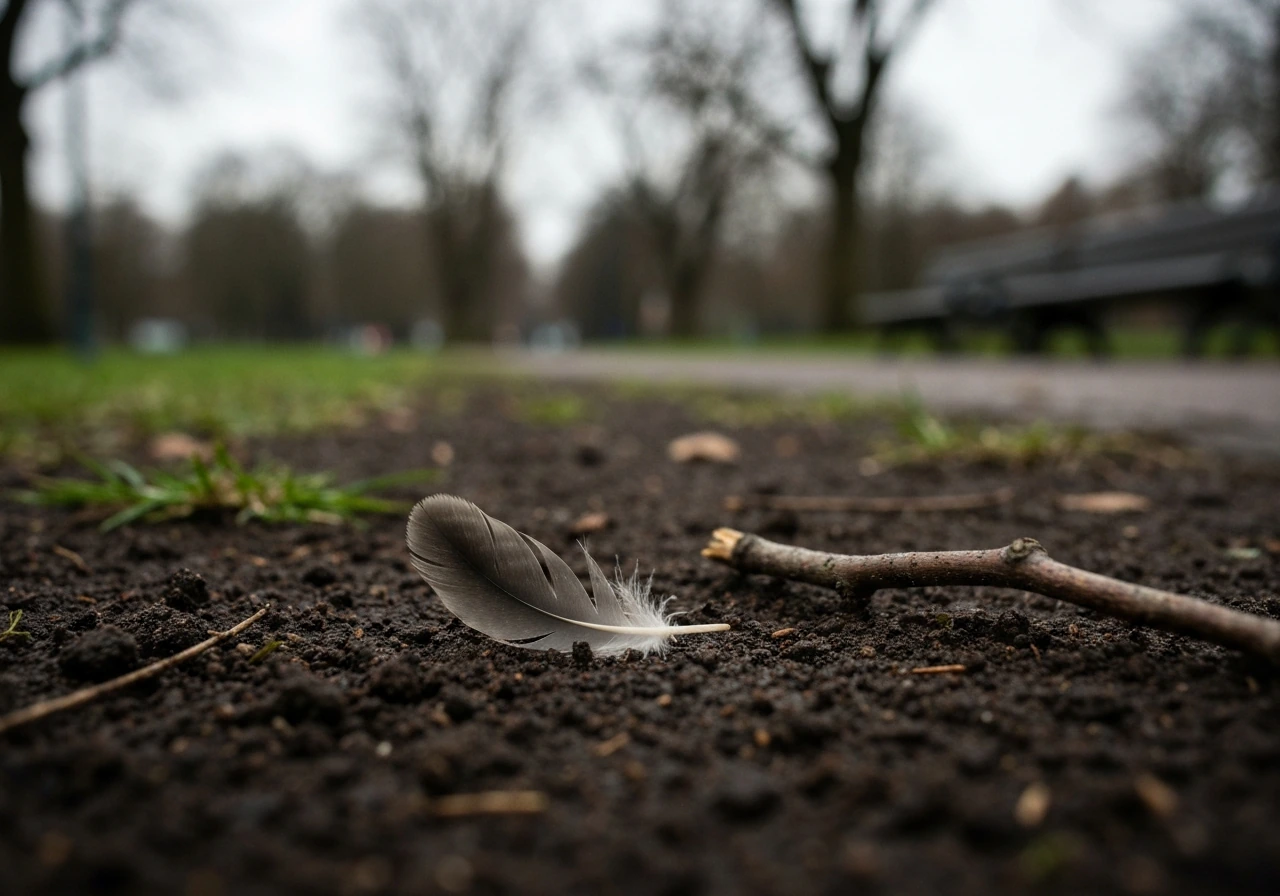
Finding a dead bird without its head is unsettling, and the first thing most people want to know is: The honest answer is that it can mean a few very different things depending on whether you're asking about symbolism, superstition, or what actually happened in your yard. dead bird mccafferty meaning? The honest answer is that it can mean a few very different things depending on whether you're asking about symbolism, superstition, or what actually happened in your yard. This guide covers all of it, starting with the interpretations people bring to it, moving through the most likely real-world causes, and landing on concrete steps you can take right now to handle it safely.
Found Dead Bird Without Head Meaning and What to Do

Marcus Reeves
23 Mar 2026
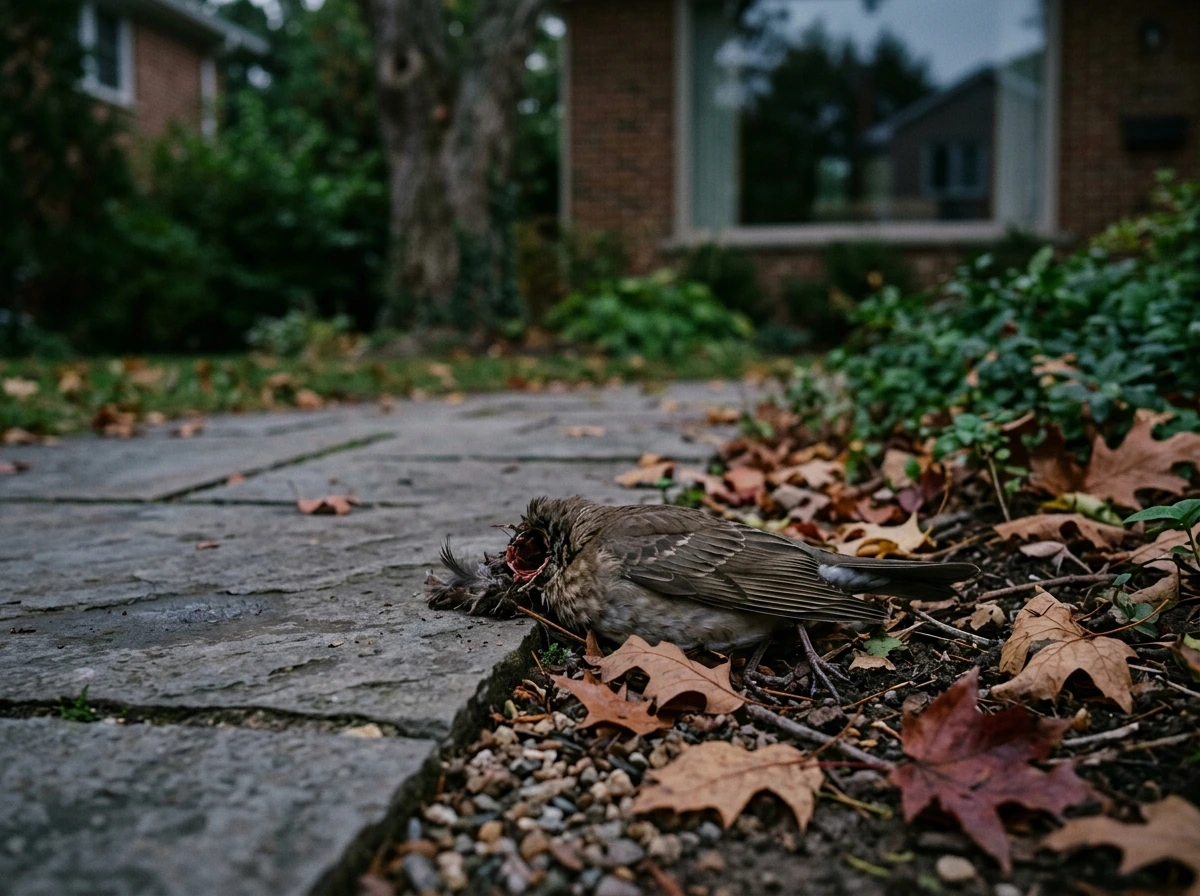
What people think it means when they find a headless dead bird
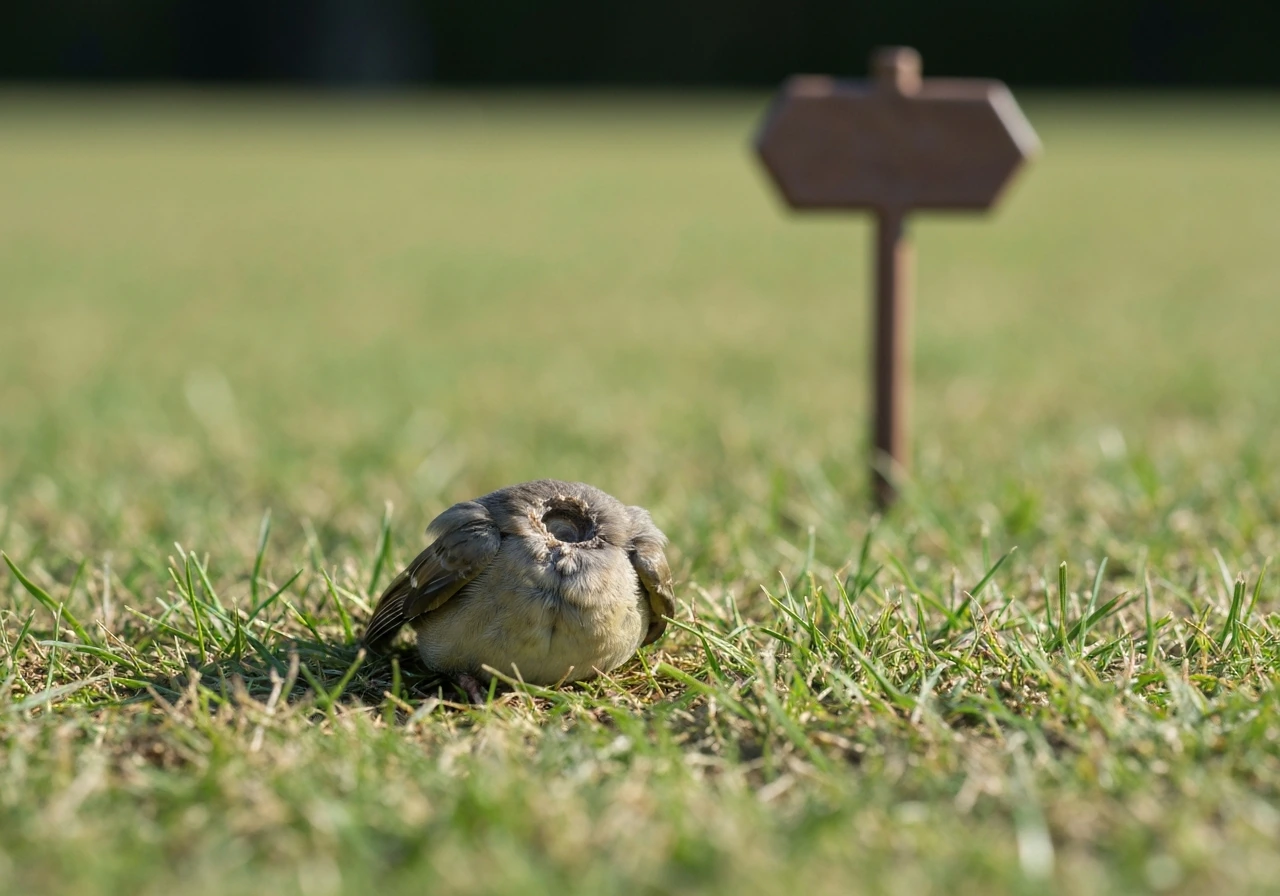
The most common interpretations fall into a few loose categories. Some people see it as a warning sign or omen, drawing on the long tradition of dead birds as messengers of change or endings. In that framework, the missing head adds a layer of urgency or violence to the symbolism, suggesting something sudden, a disruption rather than a natural transition. Others read it more literally as a sign of conflict, either in the natural world around them or metaphorically in their own lives.
A smaller but real group of people interpret it through a spiritual lens, particularly in traditions that incorporate animal signs into daily life. In these readings, a headless bird can represent loss of clarity or direction, since the head is associated with thought, wisdom, and perception. Some folk traditions treat it as a deliberate warning, something left intentionally rather than the result of nature.
It is also worth noting that in everyday slang and informal usage, a 'dead bird' already carries connotations of something finished or failed (as explored in the broader dead bird meaning topic on this site). Adding the element of decapitation tends to intensify that reading, pushing the interpretation toward something more violent or shocking rather than a quiet ending. dead bird meaning. carrion bird meaning. dead bird hanging upside down meaning
Symbolism and cultural associations: birds, heads, and what they represent
Birds have been symbols of the soul, freedom, and communication across cultures for thousands of years. A dead bird, in literary and folkloric traditions, frequently signals the end of something, a relationship, an era, or a phase of life. You see this in everything from ancient augury practices to contemporary poetry. The specific species matters a great deal in traditional symbolism: a dead dove carries different weight than a dead crow, for instance.
The head, cross-culturally, is almost universally associated with intellect, identity, and authority. In many literary and mythological traditions, decapitation specifically signals the silencing of power or wisdom. Think of the way headless figures appear in folklore as particularly restless or unresolved presences, stripped of the ability to think or speak. A headless dead bird fuses both of these symbol sets: the bird's soul-messenger quality combined with the head's association with conscious will and direction.
In some African diaspora spiritual traditions, finding a dead animal on or near your property is taken as a sign that spiritual work has been directed toward you, intentionally or not. A headless bird in particular can be interpreted as part of a ritual working, though it is equally often the work of a neighborhood cat. Cultural context shapes interpretation enormously here. Gothic literature and horror traditions lean into the headless bird as pure shock and dread, a marker of violence and chaos rather than meaningful omen.
In short, what a headless dead bird 'means' symbolically depends almost entirely on the cultural framework you're bringing to it. There is no single universal interpretation, which is worth keeping in mind before reading too much into it.
Superstition vs. what probably actually happened
Here is the practical reality: the overwhelming majority of headless dead birds are the result of predation, scavenging, or accident. The 'missing head' detail that feels so significant symbolically is actually one of the clearest signatures of specific animal behavior.
Natural predation and scavenging
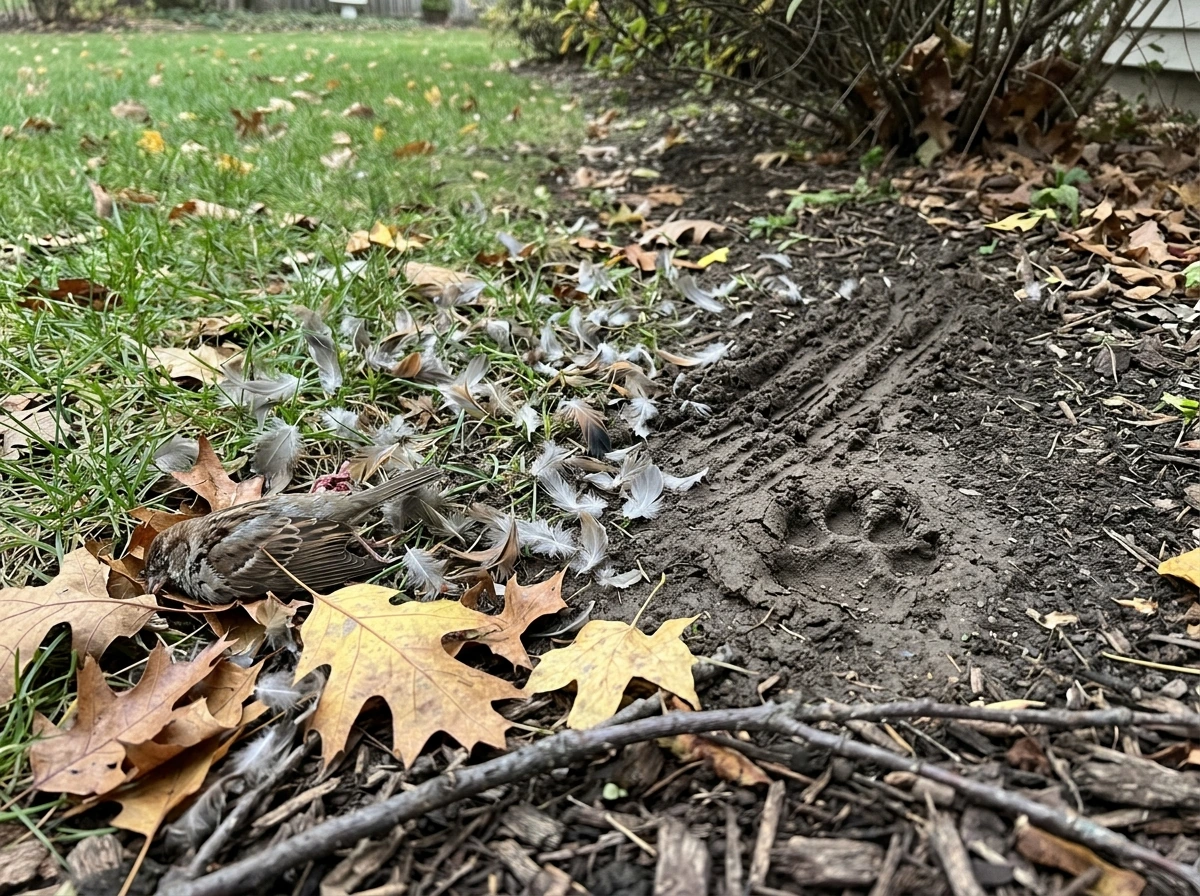
Cats are the single most common cause. Domestic and feral cats frequently kill birds and consume or remove the head first, leaving the body behind. Raptors (hawks, owls) also sometimes eat the head of prey separately from the body. Raccoons, weasels, and minks are known to kill birds and remove the head in the process, particularly in situations involving chickens or ground-nesting birds. If you find a headless bird in your yard, a neighborhood cat or local raptor is the statistically likely explanation.
Scavengers working on a carcass
A bird may have died from an entirely unrelated cause, such as window collision, disease, or poisoning, and a scavenger later removed or consumed the head. Crows, jays, and ravens (themselves carrion birds, as the carrion bird meaning topic covers) will pick at carcasses opportunistically. So the state you find the bird in may not reflect how it actually died.
Human causes
Less commonly, human activity is involved. Deliberate killing, either as pest control or something more troubling, can result in decapitated birds. In agricultural areas, some pest management methods result in bird deaths. And in rare cases, a headless bird near your property could be a deliberate act meant to disturb or threaten, though this is far less common than people fear.
| Cause | How common | Key signs |
|---|---|---|
| Cat predation | Very common | Body left largely intact, head missing or consumed, feathers scattered nearby |
| Raptor (hawk/owl) predation | Common | Clean removal, feathers plucked in a cluster, body near a perch |
| Raccoon or weasel predation | Moderate | Head removed, possible caching behavior, tracks nearby |
| Scavenger activity on existing carcass | Common | Body may show signs of decomposition before head removal |
| Window collision (then scavenged) | Common | Bird found near glass, body otherwise intact initially |
| Human-caused | Uncommon | Multiple birds, unusual placement, no predator signs |
Safety and cleanup: what to do right now
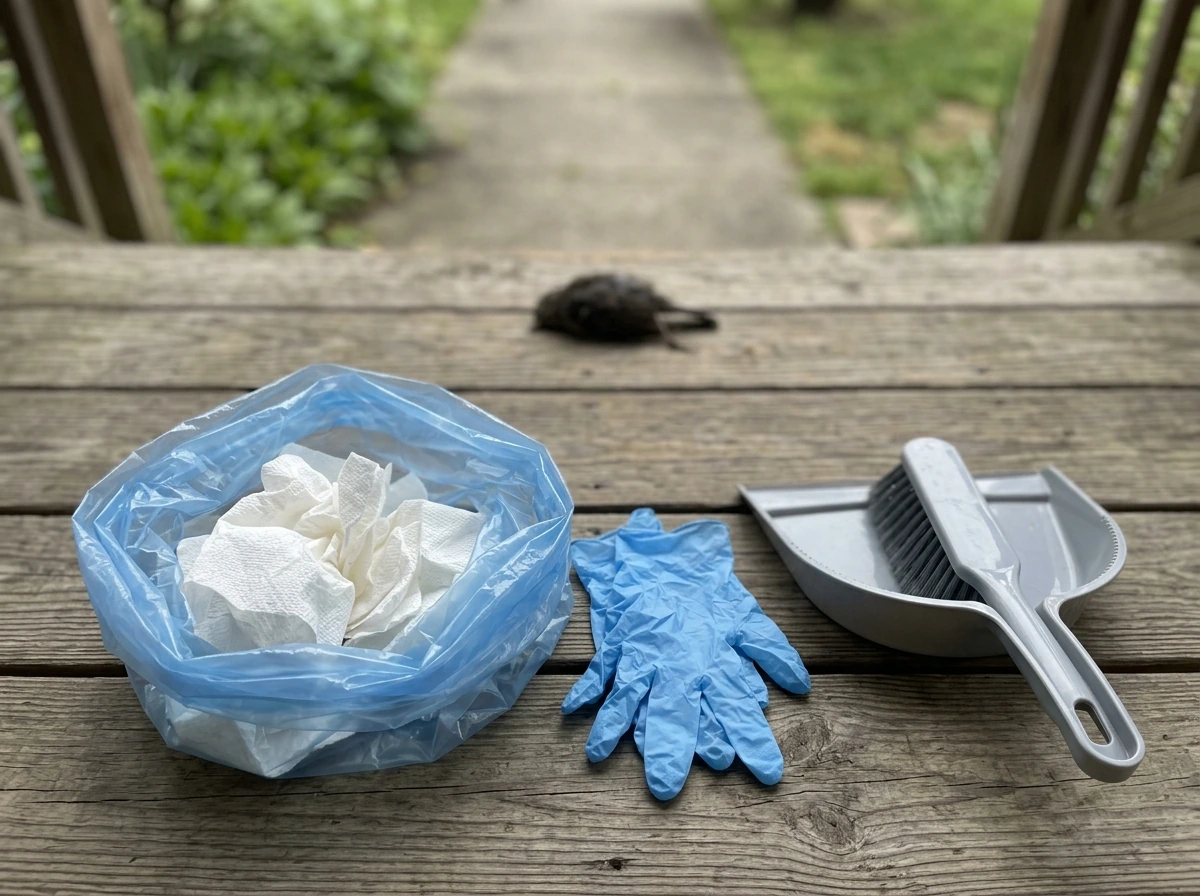
Before you do anything else, do not touch the bird with your bare hands. The CDC is direct about this: if you find a sick or dead bird, do not touch it. Dead birds can carry diseases including West Nile Virus, avian influenza, and salmonella, all of which can be transmitted through contact. This applies regardless of how the bird died or how it looks.
If you need to move or dispose of the bird, here is the correct way to do it:
- Put on disposable impermeable gloves (nitrile or latex) before touching anything.
- Place the bird directly into a plastic bag without handling it directly. The CDC describes an inverted bag technique: place your gloved hand inside a bag, grip the bird through the bag, then invert the bag so the bird is inside.
- If you don't have gloves, use a shovel or two sticks to move the carcass into a plastic bag without direct contact.
- Double-bag the bird and seal both bags tightly.
- Dispose of it in your regular trash unless local authorities have asked you to hold it for testing (in which case, keep it in a cool location until pickup).
- Wash your hands thoroughly with soap and water after handling, even if you wore gloves.
Keep children and pets away from the area until you have cleaned it up. If there is blood or other material on the ground, avoid disturbing it until you can clean the area with a disinfectant solution. Do not let dogs sniff or mouth the carcass, as they can pick up pathogens this way.
When it's more than a one-off: signs to take seriously
A single headless dead bird is almost never a cause for alarm beyond the normal caution around dead wildlife. There are specific situations, though, that warrant a closer look or a call to local wildlife authorities.
- Multiple dead birds in the same area, especially if they appear to have died from causes other than obvious predation
- Dead birds of a protected species (raptors, songbirds native to your region, or waterfowl) since these may require reporting under wildlife protection laws
- Signs of disease on the carcass: discharge from the eyes or beak, unusual coloring, severe emaciation, or swollen tissue
- A pattern of dead birds appearing over days or weeks, which could indicate a poisoning event, a disease outbreak, or an ongoing wildlife conflict
- The bird appears to have been deliberately placed, especially if multiple carcasses are arranged in a way that suggests intentional placement
- If you have backyard poultry or other birds and one turns up headless, the remaining flock may be at immediate risk from a predator
Avian influenza is an active concern in many regions, and wildlife agencies in the U.S. and elsewhere have been monitoring die-offs closely. If you find several dead birds of the same species in the same area, that is a legitimate reason to contact your state's wildlife agency rather than simply disposing of them.
Next steps: identify the bird, document the scene, and get the right help
Identifying the species
Species identification matters for two reasons: symbolism (if that's part of why you're asking) and practical reporting. Note the bird's size, overall coloring, wing shape, leg color, and any distinctive markings before handling or moving it. A free app like Merlin Bird ID (from the Cornell Lab of Ornithology) can help you identify birds from photos or descriptions. Knowing the species will help you determine whether it's a protected bird that requires reporting, and it gives your local wildlife agency better information if you do call.
Documenting the scene
Take a few photos before moving anything, ideally from multiple angles. Note the location (near a window? under a tree? in an open area?), any signs of predator activity like feathers scattered in a radius, tracks, or scat, and the general condition of the carcass. This takes two minutes and gives you something concrete to share with authorities if needed. It also helps you determine the most likely cause, since the scene often tells you more than the carcass itself.
Who to contact
For most single dead birds, no call is required. You can simply dispose of it safely as described above. But if any of the concern flags above apply, here is who to contact:
- Your state or provincial wildlife agency: handles protected species reports, disease concerns, and suspected poisoning events
- USDA Wildlife Services (in the U.S.): relevant if you suspect predation on poultry or a wildlife conflict that poses ongoing risk
- Local animal control: can advise on disposal and may pick up the carcass if it's a public health concern
- Your city or county health department: relevant if there are signs of disease or if multiple birds have died in your neighborhood
- A licensed wildlife rehabilitator: only relevant if the bird is injured but alive, not applicable here
You don't need to have all the answers before you call. Wildlife agencies are used to fielding calls from people who aren't sure what they're looking at. Give them the species (or your best guess), the location, the number of birds, and the condition of the carcass, and they'll tell you whether they need to follow up. Most single-bird situations will end with them saying 'dispose of it safely and keep an eye out for more,' which is a perfectly fine outcome.
The bottom line: a headless dead bird carries a lot of symbolic weight across cultures and traditions, and it's completely reasonable to be curious about what it means. But in practice, it almost always comes down to a cat, a hawk, or a scavenger doing what nature does. Handle it safely, document it briefly, and reach out to wildlife authorities if something about the situation feels off. That's the most useful thing you can do with it.
FAQ
If I find a headless dead bird on my porch, does that mean a cat did it in my yard?
Not necessarily. Cats are the most common cause, but the location can help you judge likelihood. If you see dragging marks, a torn area on the ground, or feathers scattered in a small radius, predation is more likely. If the body is near a window or reflects collision geometry, window strike is more likely, and scavengers may have removed the head afterward.
Should I report it if I cannot identify the bird species?
You can still report, provide the best guess, and focus on observable details (size relative to a sparrow or pigeon, dominant colors, and distinctive markings). Many agencies would rather have partial information than none, especially if there are multiple carcasses or other illness indicators in the area.
What if the head is not missing but tucked nearby, or covered by feathers?
Check the immediate area carefully without disturbing it. Decapitation can be hard to see at first if feathers are piled or the head is separated but nearby. Take photos from a distance and note whether the head appears intact in the same spot, since this can affect interpretation of scavenging versus predation.
Can I clean it myself with regular household disinfectant?
Yes, for typical single-bird cleanup, but use an appropriate disinfectant solution and follow the product label. Avoid vacuuming or sweeping dry material, since that can spread contaminants. Use disposable gloves, bag everything, and wash your hands thoroughly after.
Is it safe to move the bird for my kids or pets if they are already close?
Get them away first. Do not try to retrieve the carcass while animals are still investigating it, especially dogs (they may mouth it). Once the area is secure, you can move it using gloves and tools, then clean the surrounding area if there is visible blood or body fluids.
What should I do if the bird is bleeding or looks freshly killed?
Treat it as higher-risk even if you suspect predation. Keep people and pets away, avoid direct contact, take a couple of photos, and follow the same safe disposal steps. If it is in an unusual quantity, appears to be part of a die-off, or you notice sickly behavior of other birds nearby, contact wildlife authorities.
How many dead birds counts as “several” and worth calling about?
There is no universal number, but as a practical rule, multiple carcasses of the same species clustered in the same area within a short time frame is a strong reason to call. If you find more than one within a day or two, or they are clearly not scattered randomly, err on the side of contacting your local wildlife agency.
Could this be a poisoning issue even if only one bird is found?
It can be, but it is less common when it is a single incident. Look for contextual clues like dead birds repeatedly in the same location, unusual patterns near treated lawns or pest bait, or other wildlife acting strangely. If you suspect exposure to rodenticide or pesticides, contact your local wildlife agency or poison-control resources in your region for next steps.
Do I need to sanitize my shoes, tools, or gloves used for cleanup?
Yes. Remove gloves carefully, bag them, and disinfect or discard tools used to lift the carcass. Clean footwear if it contacted the carcass area, then wash hands and any exposed skin with soap and water to reduce the chance of bringing contaminants indoors.
What’s the best way to take photos for a wildlife report?
Photograph the carcass and the surroundings, including where it was found (near a window, under a tree, open yard), any visible feathers or tracks, and the bird’s size for scale. If possible, include one photo with a known reference object (like a garden tool) to help confirm scale without handling.
Should I bag the carcass and throw it in the outdoor trash, or should I leave it?
For typical single-bird situations, bag it for safe disposal and follow local guidance for trash handling. Leaving it accessible to pets, scavengers, and insects increases contamination and spread, and it also increases the chance another animal will drag parts around your yard.
Next Article
Dead Bird McCafferty Meaning: Origin and How to Verify
Meaning of Dead Bird McCafferty: origin, context, likely interpretations, and steps to verify the exact reference.