Quick answer: what does "bird" mean in slang?
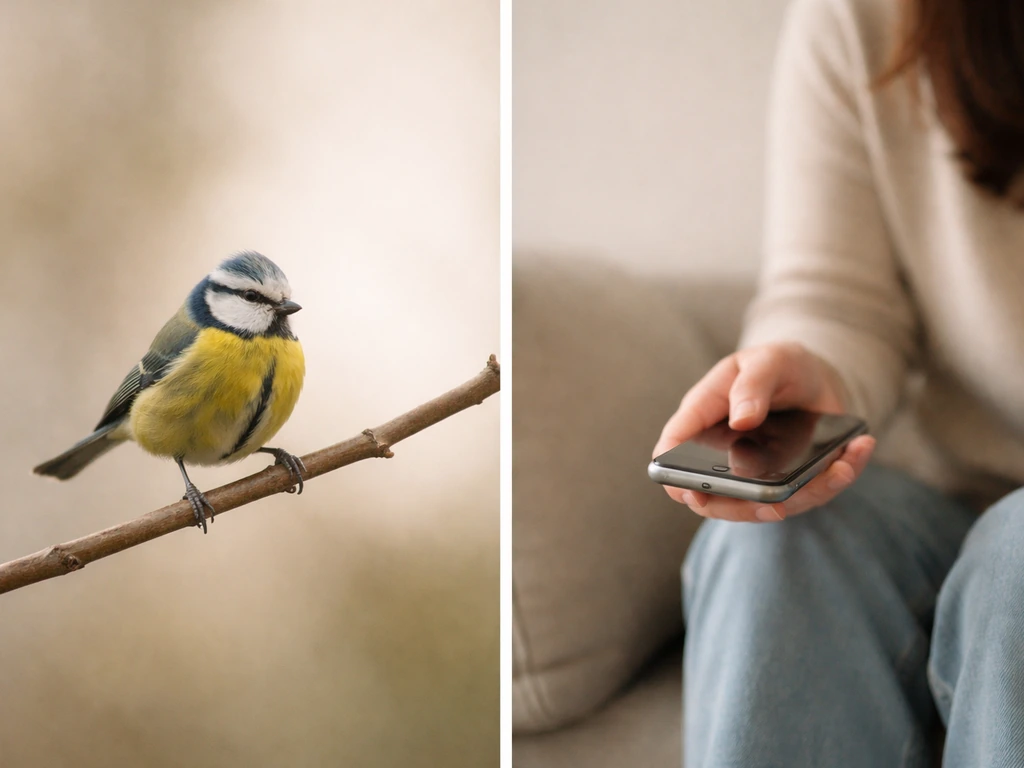
In slang, "bird" most commonly refers to a person, usually a woman or girl, and whether it reads as a compliment, a playful tease, or a flat-out insult depends almost entirely on tone, region, and who's saying it. In British and Commonwealth English, calling someone a "bird" is a casual, fairly neutral way to say "woman" or "girl," roughly equivalent to "chick" in American speech. In New York slang, it tilts noticeably more negative, often implying someone is promiscuous or untrustworthy. And on Urban Dictionary, the top definition frames it as a dig at someone who comes across as "vain, ditzy, stupid or useless." So the same word can land three very different ways depending on the context. The goal of this guide is to help you figure out which one you're dealing with.
The most common slang uses of "bird"
There are a handful of distinct ways people use "bird" in everyday slang. Knowing which lane a speaker is in makes all the difference.
The British/casual "woman" sense
This is the oldest and most widespread slang use. In the UK, Ireland, Australia, and other Commonwealth contexts, "bird" has been used since at least the mid-20th century to mean a woman or young woman. If you want the quick definition, see what “bird” means in slang and how it changes by region what is a bird in slang. If your question is specifically about "bird" in a sentence, see what does bird chest mean slang as a related comparison point see what "bird" means in slang. It's conversational and not automatically rude, but it's also not particularly respectful. Calling your friend's girlfriend "his bird" or saying "she's a lovely bird" sits in that grey zone of casual familiarity that some people find perfectly fine and others find a bit belittling. Critics (including commentary from outlets like The Guardian) point out that terms like "bird," "chick," and "doll" can come across as infantilising or reductive, even when there's no malice intended. Worth keeping in mind.
The New York/urban insult sense

In New York slang especially, "bird" carries a sharper edge. If you want the quick breakdown of the exact meaning of “bird” in New York slang, keep reading in the next section what does bird mean in new york slang. NYC slang roundups consistently note that being called a "bird" is typically not a compliment. In this context it often implies someone is promiscuous, naive, easily fooled, or just generally looked down on. The Blavity New York slang guide, for example, links the term explicitly to a reputation-based put-down for women. If someone in a New York street conversation or rap lyric calls a woman a "bird," the most reasonable default reading is negative.
The playful/teasing nickname sense
Between close friends, especially when there's an established joking dynamic, "bird" can function more like a teasing nickname than a real insult. Slang explainers do note that "bird" can be used as a "playful insult," meaning the word itself isn't the whole story. If your best friend texts you "you dumb bird" after you forget something obvious, that's probably affectionate ribbing. If someone you barely know says the same thing, that's a different situation entirely.
The prison slang sense
Less common in everyday conversation but worth knowing: "bird" also shows up in British slang as a term for a prison sentence, as in "doing bird" (doing time). The Free Dictionary records this usage, and it's been around long enough to appear in older British crime dramas and literature. This meaning is entirely separate from the person-related senses and usually only comes up in that specific context.
What does "being a bird" mean in slang?
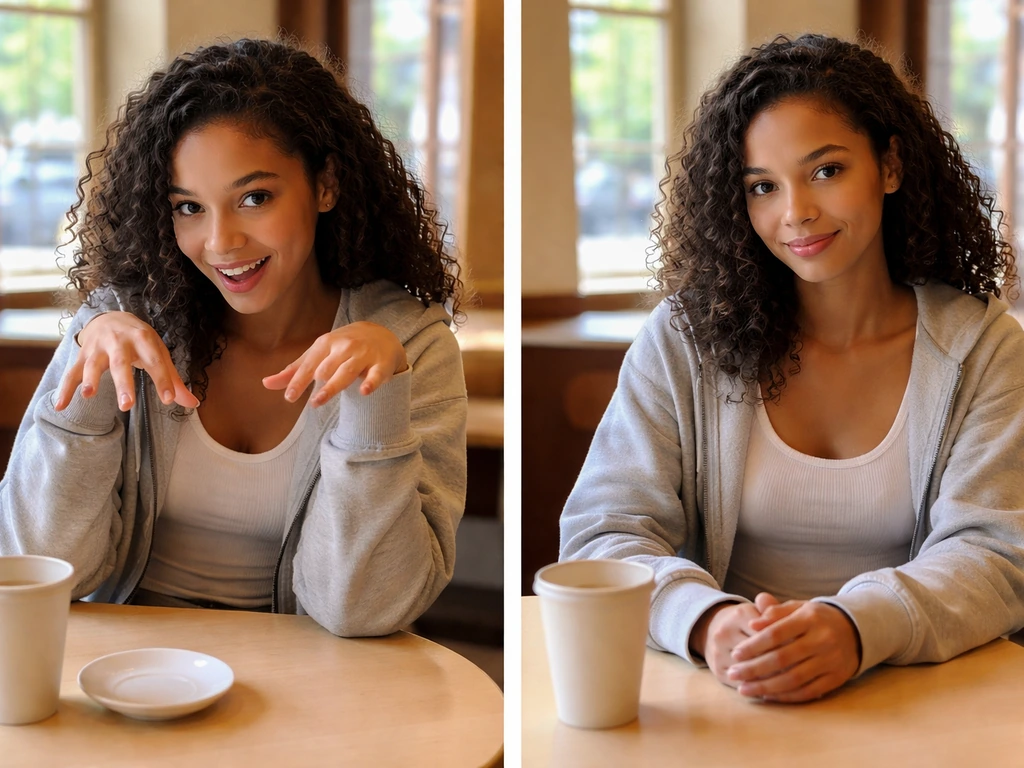
When someone says "she's being a bird" or "stop being such a bird," the phrase shifts from a label into a behavioral description. It implies the person is acting in a way that fits the negative cluster of meanings: vain, ditzy, flaky, naive, or attention-seeking. It's essentially saying "you're acting foolish" or "you're embarrassing yourself" with a specific social flavor attached. The key word is "being," which signals performance or behavior rather than just identity.
Context still matters a lot here. In a tight friend group, "you're being such a bird right now" might be a light-hearted call-out. In a more hostile tone or from someone who doesn't know the person well, it's closer to a genuine put-down. The phrase also appears in some online spaces (memes, comment sections) where it's used semi-ironically to poke fun at over-the-top behavior without necessarily meaning it as a full insult. Read the room and the relationship before deciding how serious it is.
Urban Dictionary meanings: how to read them without overthinking it
Urban Dictionary is a crowdsourced platform, which means anyone can submit a definition and vote it up or down. The top-ranked definition for "bird" describes someone who is "vain, ditzy, stupid or useless," paired with the example sentence: "Quit talking about your hair, you dumb bird." That example is clearly derogatory, using an imperative command and the adjective "dumb" to signal contempt. Urban Dictionary entries often work this way: the example sentence tells you more about the intended tone than the definition alone does.
The platform also has entries for compound terms like "flirt-bird," which shows how "bird" can get combined with other words to build out new meanings. That's worth knowing if you're seeing a version of the word you don't recognize. But for the standalone word "bird," the Urban Dictionary consensus leans toward the insult-or-dismissal end of the spectrum, not the neutral or complimentary end.
A few practical rules for reading Urban Dictionary slang safely: check the example sentence, not just the definition; look at how many upvotes the entry has versus competing definitions; and remember that entries reflect how a word is used in specific communities, not universally. One highly voted definition doesn't mean every speaker uses the word that way.
Real sentences and how to tell which meaning applies

Here are some concrete examples across the different senses, so you can see how the surrounding language and context do the heavy lifting.
| Example sentence | Most likely meaning | Key context clues |
|---|
| "He went home with some bird he met at the pub." | British/casual: woman | British setting, neutral/conversational tone, no negative adjectives |
| "She's a total bird, don't trust her." | NYC/urban: untrustworthy or promiscuous woman | Warning tone, "total" amplifier, trust framing |
| "You dumb bird, you forgot the tickets again." | Playful insult (possibly affectionate) | Close relationship implied; frustration but not rage; casual phrasing |
| "He's doing bird for the next three years." | Prison sentence (British slang) | Legal/criminal context, no person being called a bird |
| "Stop being such a bird in front of everyone." | Behavioral call-out: acting vain or foolish | "Being" framing, public setting, implied embarrassment |
| "She called me her little bird." | Affectionate nickname (non-standard, context-dependent) | Possessive "her," "little," clearly warm tone |
The fastest way to figure out which meaning applies is to ask three quick questions: Who said it and what's their relationship to the subject? What's the tone (warm, frustrated, hostile, joking)? Are there any adjectives or qualifiers attached? A word like "dumb" or "total" before "bird" almost always signals a put-down. A possessive like "my bird" in a British context usually means a girlfriend. Absence of modifiers and a neutral tone usually points toward the casual-woman sense.
One thing that trips people up is confusing the standalone slang word "bird" with established bird idioms and expressions. They're genuinely different things, and mixing them up leads to a lot of unnecessary confusion.
"Flip the bird" is a completely separate expression meaning to raise the middle finger as an obscene insult gesture. It has nothing to do with calling someone a bird. If someone says "she flipped him the bird," they're describing a rude gesture, full stop. Interestingly, some NYC slang sources do loosely associate "bird" with the middle finger gesture in New York street speech, but "flip the bird" as a phrase is a much older and broader expression with a fixed meaning of its own.
"Early bird gets the worm" is a proverb about the advantages of acting early or being first. It has no slang connotation and no connection to using "bird" as a noun to describe a person. Same goes for expressions like "a bird in the hand is worth two in the bush," which is a statement about risk and certainty, not a slang label.
There's also "birb" (with a b at the end), which is internet slang for a cute or funny-looking actual bird, the animal. Dictionary.com notes this as a deliberate playful misspelling used in meme culture. If you see "birb" in a comment under a photo of a chubby pigeon, it's not calling anyone anything, it's just a term of endearment for the literal bird.
And if you've come across "bird strike" in conversation or headlines, that's an aviation safety term referring to a collision between an aircraft and a bird. Merriam-Webster's first recorded use goes back to 1960. It has nothing to do with person slang.
What to do if you're still not sure which meaning was intended
If you received the word in a text or heard it in conversation and you genuinely can't tell whether it was meant as a light tease or a real insult, the safest move is to ask for clarification rather than assume. You can also look up what does bird stand for slang for more background on how the term is used in online slang. If you meant the phrase "bird bath" in the context of "foul play," that has a specific meaning too bird bath is for foul play meaning. "Did you mean that as a joke or are you actually annoyed?" is a perfectly reasonable question between people who know each other. If the source is a stranger or an online comment, lean toward the more negative interpretation as a precaution and factor in the overall tone of the rest of what they said.
If you're a writer or student trying to understand how to use or interpret "bird" accurately in a specific regional or cultural context, the British casual sense is the safest and most widely understood starting point. The NYC insult sense is more loaded and context-dependent, so using it without knowing the specific community norms is risky. And if you're writing dialogue or copy and want to signal affectionate teasing without any real sting, "bird" is probably not your cleanest choice precisely because it carries so much baggage depending on who reads it.
Related terms like "bird bath" in slang, or region-specific uses like what "bird" means in New York slang specifically, go deeper into some of these nuances if you want to keep unpacking the word in a particular direction. If you came here wondering “what does bird bath mean” in slang, that’s an adjacent phrase you may also be looking to interpret in context.