
"Bird of a feather" means that people who are similar to each other tend to spend time together. The full proverb is "birds of a feather flock together," and the core idea is simple: like attracts like. If you hear someone say "those two are birds of a feather," they're pointing out that the two people share the same personality, habits, or values, and that's probably why they're close.
What Does Bird of a Feather Mean, Urban Dictionary Version

Marcus Reeves
3 May 2026

What the phrase actually means
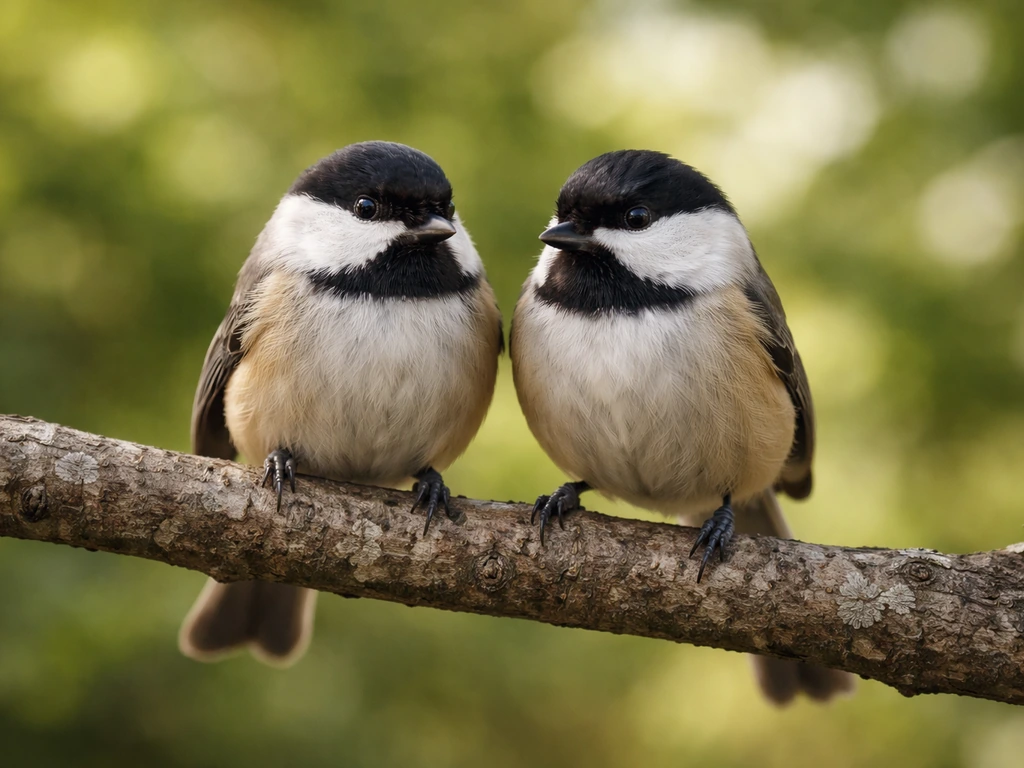
At its most basic, "birds of a feather" is shorthand for similarity. Merriam-Webster defines it as people who are alike tending to do things together, and Cambridge describes "birds of a feather" as people who are similar in character. Neither definition has a negative spin baked in. It's a descriptive phrase, not necessarily a critical one. You can use it warmly ("those two have always been birds of a feather, both obsessed with jazz and old movies") or neutrally, without any shade intended.
That said, the full proverb form does carry a more cautionary undertone depending on how you frame it. Cambridge's entry for "birds of a feather flock together" specifically notes that it refers to people who have similar characters or interests, "especially ones of which you disapprove," who often spend time together. So the same phrase can read as a simple observation or as a quiet judgment, depending entirely on tone and context.
What Urban Dictionary says, and why it reads differently
If you landed on Urban Dictionary looking this up, you probably saw a definition along the lines of: a group of people who always hang together and associate with one another. Urban Dictionary’s entry for “birds of a feather” describes it as a group of people who always [hang together and associate with one another](https://www. urbandictionary. com/define.
php? term=birds+of+a+feather), using shared social association as the basis for the meaning. Bird behavior in cities can shape how we view people, since urban crowds and routines often influence reputation and group identity. That's not wrong, it's just stripped down to its social-group function.
Urban Dictionary tends to reframe classic idioms through a street-level, real-world lens, so instead of explaining the metaphor, it just describes the behavior: these people roll together, they're seen together, they're grouped together.
One of the notable alternate readings on Urban Dictionary pushes the phrase toward "guilt by association," meaning that when you're always seen with a certain group, outsiders view you as the same as that group, whether you like it or not. That's a sharper, more socially loaded interpretation than what Merriam-Webster offers, but it's a legitimate real-world application of the idea. If your crew has a reputation and you're always with them, people are going to see you as one of them. That's "birds of a feather" doing its social-judgment work in practice.
So the gap between the dictionary definition and the Urban Dictionary version isn't really about accuracy, it's about emphasis. Standard dictionaries explain the idiom as a neutral observation about human behavior. Urban Dictionary zeroes in on how the idiom actually plays out in social dynamics, particularly around reputation and group identity.
Where the phrase came from
The proverb has been around in English since at least 1545. Wikipedia also summarizes that the blank" rel="noopener noreferrer">first known use in original English writing is from 1545, attributing a version of the proverb to William Turner and linking to early modern sources. The first known use in written English appears in a satirical work by William Turner called "The Rescuing of the Papist Fox," where he used a version of the phrase to group people together by shared traits. Dictionary.com confirms that first recorded date. So this isn't a modern slang invention, it's a proverb that's been doing the same job for nearly 500 years.
The phrase comes in a few common variants. You'll hear it as the full proverb ("birds of a feather flock together"), as a shorthand observation ("they're birds of a feather"), or even just as a knowing reference ("birds of a feather") when the full meaning is obvious from context. All of these are correct and widely understood.
How to use it in everyday conversation

The phrase is flexible enough to work in casual speech, writing, and even professional conversation. Here are a few examples of how it naturally fits in:
- "She and her sister are total birds of a feather, both perfectionists with the same taste in everything."
- "I'm not surprised they started a business together, birds of a feather flock together."
- "You can tell a lot about someone by who they hang out with, birds of a feather and all that."
- "Those two departments have always butted heads, but these new hires are birds of a feather and are already collaborating well."
Notice that in each of these, the phrase works because you're pointing to a shared trait or common ground, not just the fact that two people know each other. The idiom is about similarity, not just proximity. If you use it just to mean "they hang out," you're flattening it a bit. The more you connect it to what makes the people alike, the sharper the phrase lands.
When it can sound judgmental (and when to hold back)
This is where context really matters. Because Cambridge flags the phrase as often used about people "of whom you disapprove," it has a built-in potential to come across as criticism or even guilt-tripping. If you say "well, birds of a feather flock together" after someone mentions they're friends with a person who has a bad reputation, you're essentially implying that your listener is guilty by association. That can come off as harsh, unfair, or even a little manipulative.
Similarly, using the phrase to describe a group someone belongs to, especially based on ethnicity, class, or background, risks sounding exclusionary or prejudiced. The idiom is neutral on its face, but pointing it at the wrong thing in the wrong room will land badly. If you're talking about shared interests or compatible personalities, you're usually fine. If you're using it to suggest someone is bad because of who they associate with, think twice.
In professional writing and formal contexts, the phrase is generally safe when used descriptively. In speech, especially in sensitive conversations, you might want to be direct about what you actually mean rather than leaning on the proverb, which can feel like a passive-aggressive implication.
Bird idioms to not mix this up with

"Bird of a feather" belongs to a family of bird-based proverbs and expressions, but it means something completely different from the others. Here's a quick breakdown so you don't accidentally use the wrong one:
| Idiom | What it actually means | Example use |
|---|---|---|
| Birds of a feather (flock together) | Similar people tend to associate | "Those two are birds of a feather, always talking philosophy." |
| Early bird gets the worm | Acting early gives you an advantage | "I booked the flight in January, early bird gets the worm." |
| A bird in the hand is worth two in the bush | A certain thing is better than an uncertain one | "Take the offer, a bird in the hand is worth two in the bush." |
Merriam-Webster and Cambridge both confirm that "early bird" proverbs are entirely about timing and proactivity, not about similarity between people. And "a bird in the hand" is about certainty vs. risk. Neither of those has anything to do with group identity or shared traits, which is the whole point of "birds of a feather." If you're writing or speaking and want to say something about like-minded people grouping up, "birds of a feather" is your phrase. The others don't carry that meaning at all.
If you've also come across phrases like "bird up," "bird on a wire," or "you're a bird" and wondered what those mean, those expressions carry very different meanings rooted in slang or pop culture rather than traditional proverbs. In that same slang-pop-culture lane, “you’re a bird” is also something Urban Dictionary uses with a particular meaning you re a bird meaning urban dictionary.
Bird on a wire is a different, slang-leaning phrase, so its meaning depends on where you saw it, including what Urban Dictionary says. They're worth knowing about separately if you're navigating bird-related language across different contexts. If you also wondered “what does bird up mean” as in Urban Dictionary, that slang usage is covered in our related guide Urban Dictionary bird up meaning.
If you want the street-level meanings people post for slang and phrases, Urban Dictionary is a common place to start.
FAQ
Is “birds of a feather” ever meant as a compliment?
Yes. When the comparison is about shared interests, skills, or values, it usually sounds positive or friendly. A good tell is whether the speaker specifies the trait (for example, “both love jazz”), rather than hinting at a disapproval or reputation.
How can I tell if someone is using it as “guilt by association”?
Listen for framing that blames you for who you hang around with, or for vague references to a “bad crowd” without naming your actual behavior. If the comment pressures you to distance yourself, it is more likely social judgment than simple similarity.
Can I use “birds of a feather” to talk about friendships at work?
Generally, yes if you keep it descriptive and avoid implying wrongdoing. For professional settings, it helps to replace it with clearer wording when stakes are high (for example, “you share similar roles and collaborate well”), because proverbs can sound too judgmental even when you intend neutrality.
What’s the most common misuse: “they hang out” or “they’re similar”?
The proverb is about similarity, not just proximity. Saying it only to mean “they are together” can feel like you are missing the point, because the listener expects you to mention what makes them alike (habits, interests, values, or attitudes).
Is it rude to say “birds of a feather flock together” to someone?
It can be, depending on your relationship and context. If you are responding to a conflict or a sensitive topic, the phrase can land as a warning or accusation. A safer alternative is to be specific about what you actually disagree with (behavior or choices) rather than who someone associates with.
Are there safe alternatives if I want the meaning without the judgment tone?
Yes. You can say “people with similar interests tend to connect,” “they share the same values,” or “they’re on the same wavelength.” These keep the similarity idea while avoiding the proverb’s built-in potential for disapproval.
Does Urban Dictionary always use the phrase in the “street-level” or sharper way?
Not always, but it often emphasizes social reputation and group labeling. If the definition you found sounds like blame or stereotyping, consider it a specific interpretation, not the only meaning of the original proverb.
Is it wrong to use the short form “birds of a feather” without the rest of the sentence?
Usually it is fine in casual conversation because context supplies the missing idea. In formal writing, however, using the full proverb or clearly stating “people who are similar tend to flock together” can prevent misunderstanding.
Does the phrase apply to groups based on identity (ethnicity, class, nationality)?
It’s risky. Even though the proverb is neutral in origin, applying it to identity categories can sound like stereotyping or exclusion. If you must discuss group patterns, focus on specific behaviors or beliefs rather than background traits.
What other bird-related sayings might I accidentally mix up?
Birds of a feather is about similarity between people. If you see bird-based phrases like “early bird” (timing) or “a bird in the hand” (risk vs certainty), those are different concepts and should not be treated as equivalents.
Next Article
What Does Bird of Prey Mean on Urban Dictionary
Learn bird of prey meaning in English and how Urban Dictionary uses it, literal vs slang or metaphor context.